

There have been a lot of comics that have been best-sellers when released. One comic that a lot of people mention when discussing the records is Superman #75 (1992) by Dan Jurgens and Brett Breeding. That comic book was “Doomsday,” and it is often referred to as “The Death of Superman.” That issue sold more than six million copies. Interestingly, Adventures of Superman #500 (1993) by Karl Kesel and Tom Grummett sold two million issues on its own with “Reign of the Superman.” That issue saw Superman back from the dead. Those two issues’ totals added together don’t even hit the total of the best-selling single comic book issue of all time.
Videos by ComicBook.com
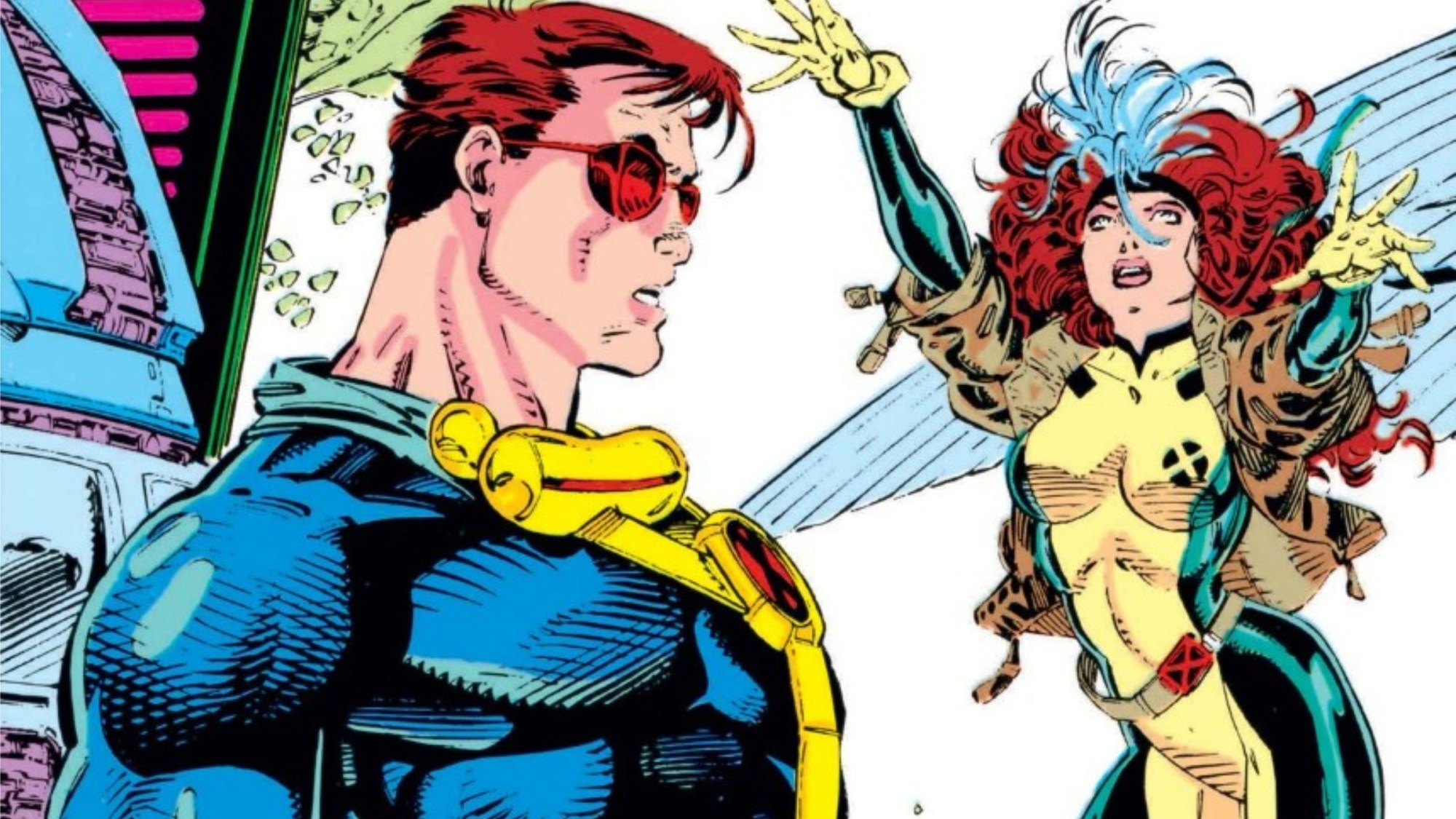
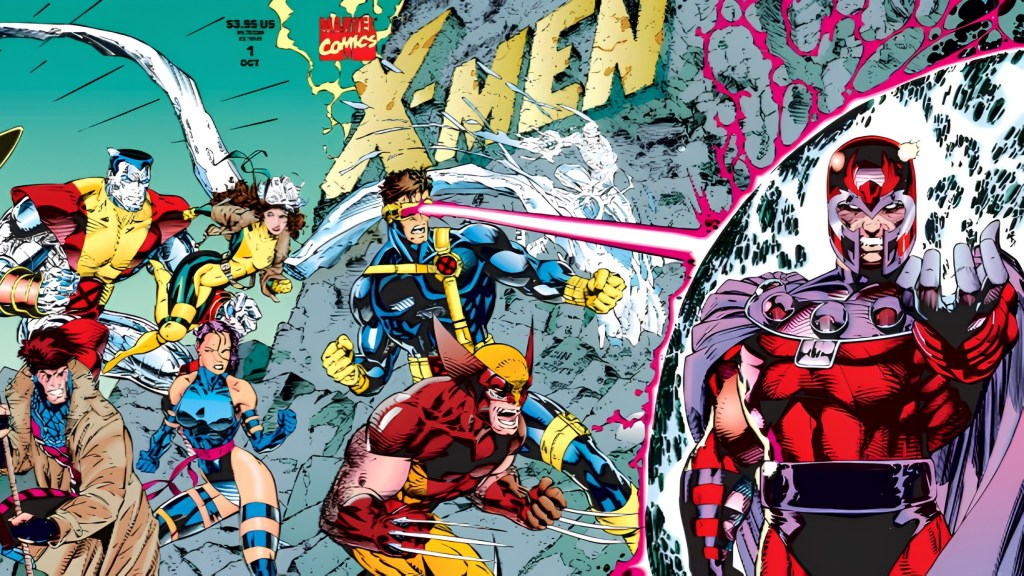
On September 10, 1991, Marvel Comics released X-Men #1 by Chris Claremont and Jim Lee, and that issue alone sold 8.1 million copies. It still holds the Guinness record for the most issues sold of a single-issue comic book.
X-Men #1 (1991) is the Best-Selling Single Comic Issue of All-Time
When looking at comic books in 1991, it is easy to see how the landscape of the industry led to this monumental moment. Chris Claremont had been writing X-Men comics since Uncanny X-Men #94 (1975), and had scripted and plotted the entire X-Men line for going on 16 years. This is a run unlike any other in comic book history, and Claremont told iconic stories ranging from “The Dark Phoenix Saga” and “Days of Future Past” to “God Loves, Man Kills,” “The Brood Saga,” “Mutant Massacre,” and many more. The X-Men became Marvel’s most popular comics thanks to Claremont’s vision.
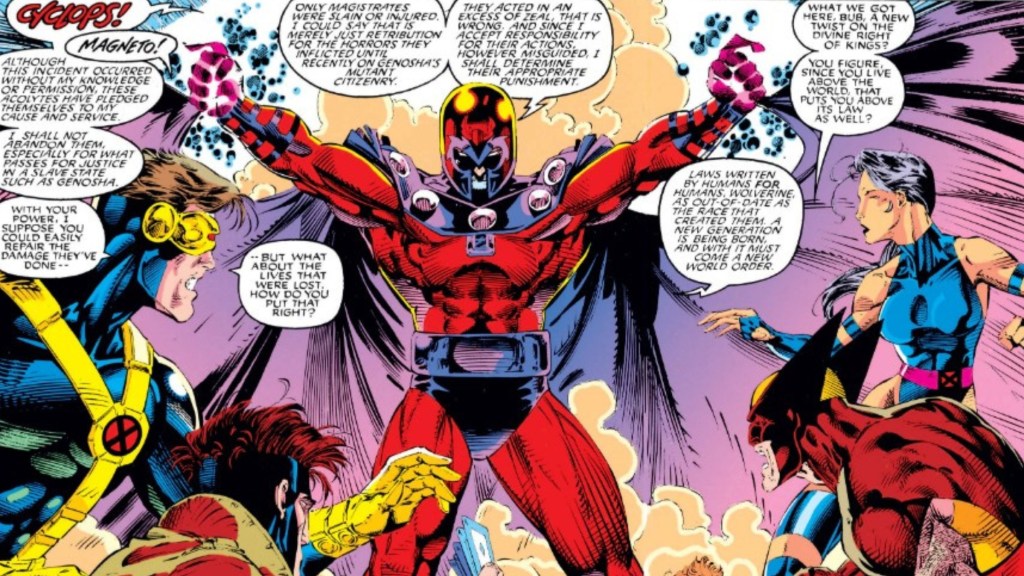
Claremont and Lee changed everything about the team. Professor Xavier was back for the first time in a long time, and Magneto, who had become a member of the team by embracing Xavier’s dream, was turned into a villain again. It can be argued that the heel turn here was not as well done as expected from Claremont, though. Magneto just wanted to be left alone, so he left Earth. However, the world governments wouldn’t stop thinking about him, and wouldn’t leave him alone. When Magneto defended himself, the X-Men attacked him, and the dialogue even had Magneto asking if they had all gone mad. At first, Magneto was clearly not a villain again, and the X-Men were all the aggressors. However, it didn’t take long for Magneto to establish himself as a villain again with his new Acolytes.
The X-Men also set up the idea here of two different color-coded teams, each with different responsibilities, and that has held up over the years. With classic members like Beast, Cyclops, Iceman, Jean Grey, and Archangel, and fan favorites like Psylocke, Gambit, and Rogue, there were plenty of mutants here to go around, and the X-Men were bigger than ever. Yes, the comic book sold a lot because of Lee’s rising popularity and the fans’ love of Claremont, but X-Men #1 also had variant covers, a gimmick that inflated its sales. Regardless of the reason, X-Men #1 sold more than any other comic, and no comic will ever beat this record.
This best-selling comic also changed everything for Marvel and the X-Men, off the page. For years, X-Men was Marvel’s most popular franchise, but that was just in comics. The first X-Men animated series was finally greenlit thanks in part to the sales of X-Men #1 in 1991. In fact, the team in X-Men: The Animated Series was based on Jim Lee’s aesthetic and costume designs from these comics.
X-Men #1 Also Marked the Start of the End of Chris Claremont’s Run
What is most interesting in this entire shifting dynamic between the writer (Claremont) and the artist (Lee) is that neither of them lasted on the title. Claremont had all his long-term plans for the X-Men canceled by Marvel, and almost none of his plans ever came to fruition. Furthermore, while it was Lee who was gaining the power to control the future of the team, he didn’t last with the title either.
Claremont left after only three issues, replaced by industry veteran John Byrne, who also had to share a co-writing credit with Lee. Claremont left Marvel completely after this and never wrote another comic for them until his return in 1998, seven years later. Byrne was gone after just two issues, replaced by Scott Lobdell. Finally, Jim Lee was gone by issue #12, leaving the title and eventually helping form Image Comics with fellow Marvel defectors, Liefeld and McFarlane.
For one issue, Jim Lee and Chris Claremont took the X-Men and Marvel Comics to the highest point imaginable, selling over eight million copies of a single issue. One year later, both men were gone from Marvel, and while the X-Men remained one of the company’s most valuable commodities, what happened in 1991 was an instant when the flame burned brightly and then just faded away.
Spawn 77 #1 Creates a New Version of Spawn With Todd McFarlane’s Earliest Design (Review)
More Comics
-
Image Courtesy of Marvel Comics Comics
1 day ago61 Years Ago, One Spider-Man Issue Set the Stage for Decades of Stories
-
Image Courtesy of DC Comics Comics
1 day agoDC’s Most Underappreciated Character Finally Gets His Due as The Fury of Firestorm Officially Gets Series Extension
-

Comics
1 day agoChallenges of Doom: Spider-Man #1 Is the Perfect Confrontation from Two Marvel Greats (Review)
