

Anime movies break reality down and rebuild it with total freedom. When millions of cinephiles on Letterboxd curate the ultimate anime canon, the resulting battleground stretches far beyond mainstream hits. While titans like Chainsaw Man – The Movie: Reze Arc, Puella Magi Madoka Magica the Movie: Rebellion, Look Back, and Makoto Shinkai’s phenomenon Your Name duke it out lower down the tally, a distinct upper echelon claims ultimate supremacy.
Looking closely at these seven masterpieces reveals why a terrifying psychological thriller and a devastating war drama can fiercely compete for the crown.
7Howl’s Moving Castle Turns a Witch’s Curse Into Unlikely Romance
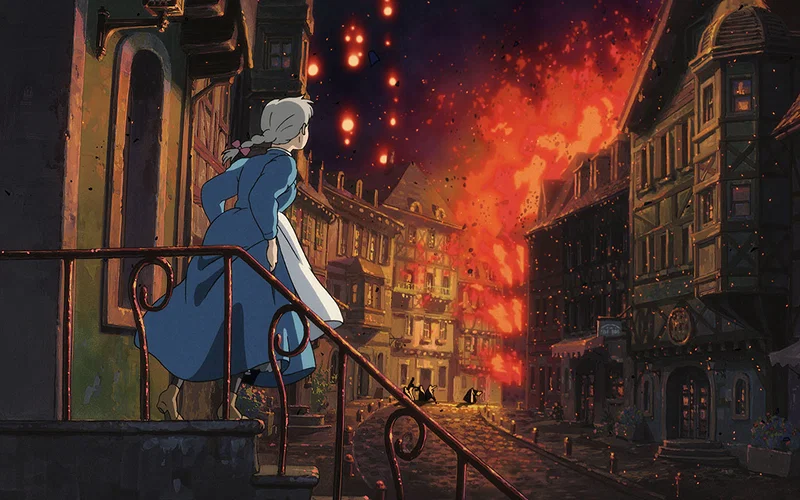
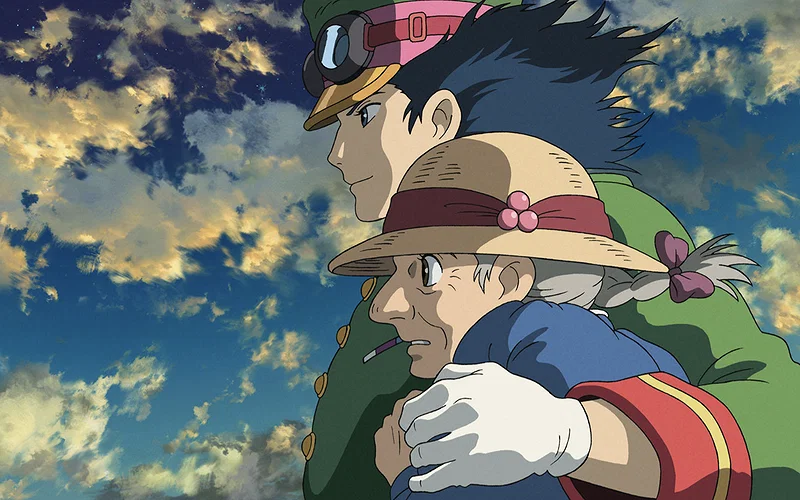
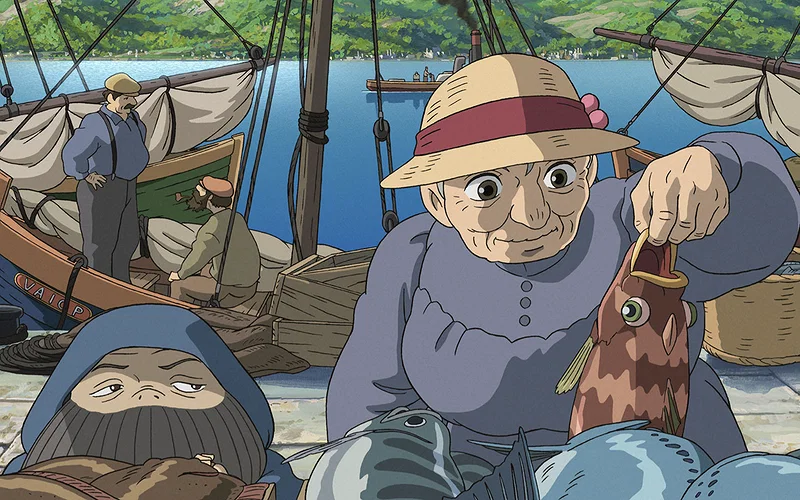
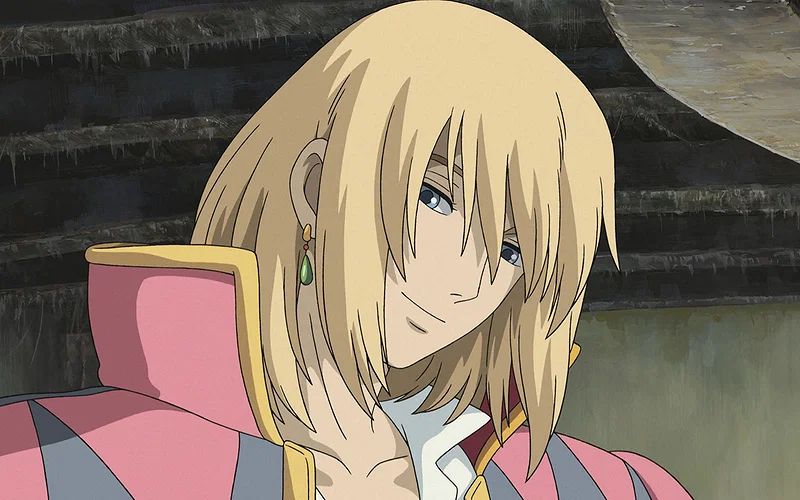
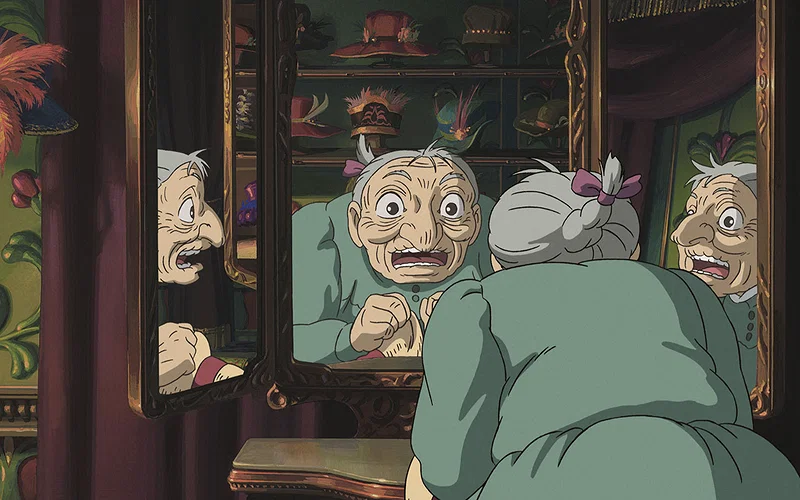
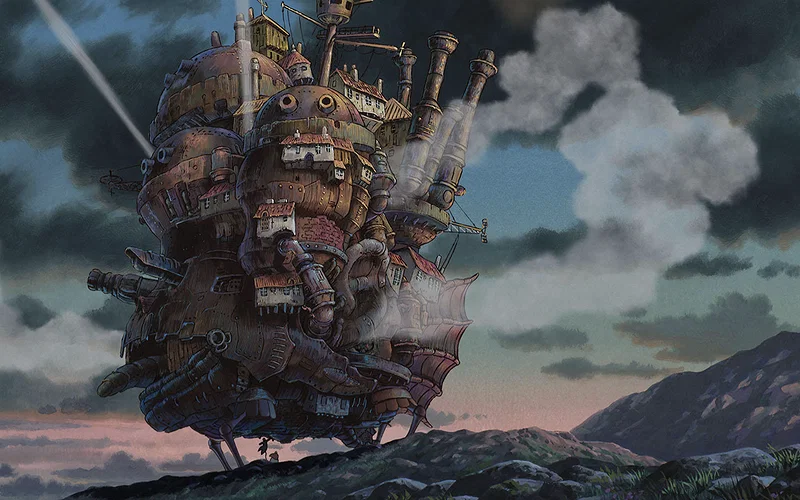

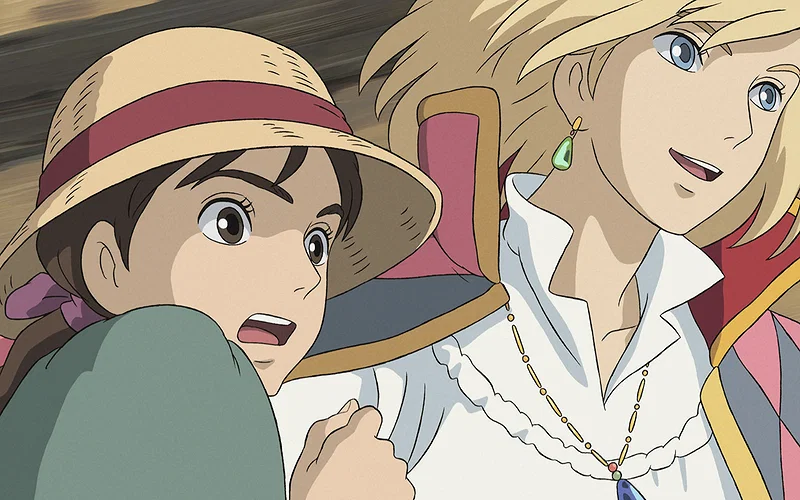
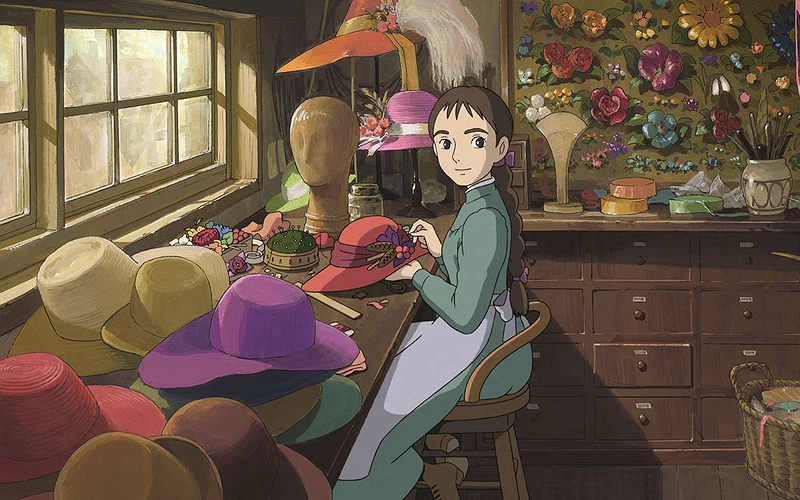
Adapting Diana Wynne Jones’ novel, Hayao Miyazaki turns Sophie Hatter’s sudden transformation into an elderly woman not into a curse of despair, but into an unexpected liberation from self-doubt. The film thrives on its tactile, groaning steampunk machinery and breathtaking airship dogfights, anchored by Joe Hisaishi’s soaring waltz, “Merry-Go-Round of Life.”
Howl’s Moving Castle‘s constantly shifting castle is practically a character itself. Although its anti-war themes and visual imagination are extraordinary, its occasionally fragmented storytelling keeps it below Ghibli’s more tightly constructed masterpieces.
6Perfect Blue Blurs The Line Between Fame And Complete Madness
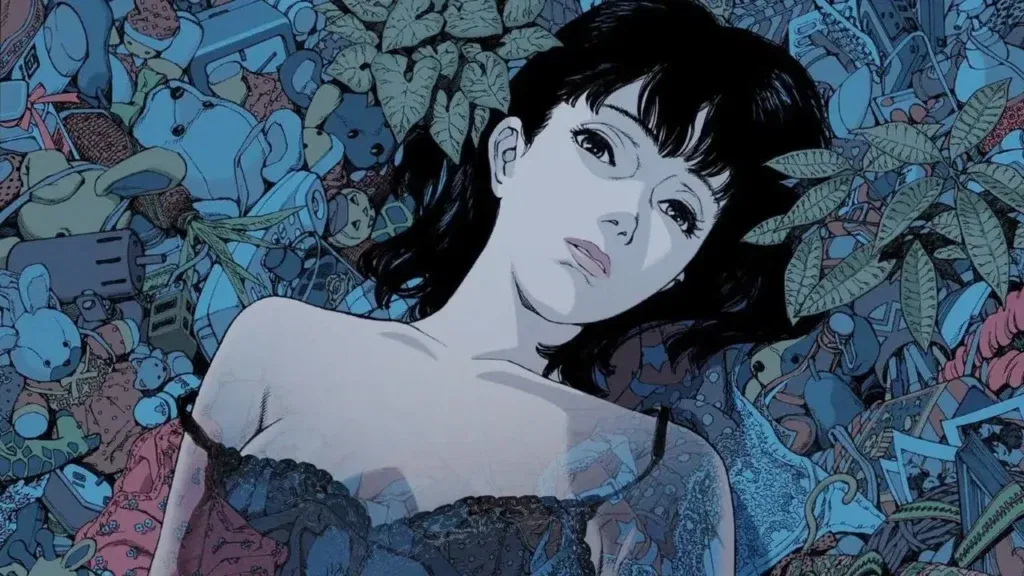
Satoshi Kon’s feature directorial debut weaponizes editing to induce structural paranoia, tracking pop-idol-turned-actress Mima Kirigoe as her identity dissolves under stalker terror and exploitative media. Kon matches reality with delusion so seamlessly that audiences feel Mima’s vertigo firsthand.
Darren Aronofsky famously paid homage to the film’s bathtub sequence in Requiem for a Dream and later acquired the movie’s American live-action credits. Perfect Blue lands at sixth only because its sheer psychological dread makes repeat viewings an endurance test, though its razor-sharp critique of celebrity culture remains unmatched.
5Princess Mononoke Makes Humanity’s War Against Nature Brutal
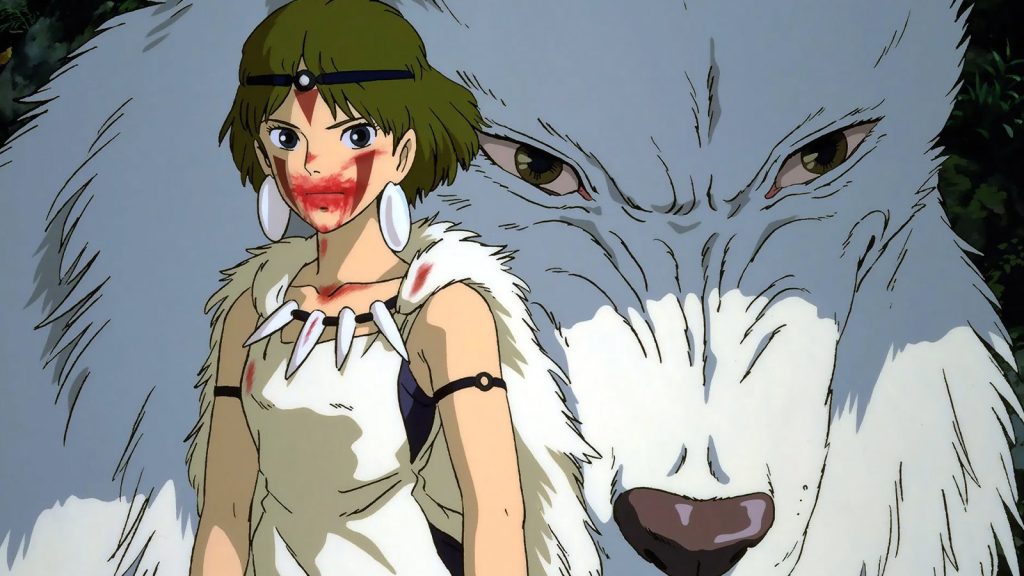
Hayao Miyazaki refuses to make this a simplistic battle between good humans and evil nature. Prince Ashitaka’s search for a cure to his curse pulls him into a conflict between San, a girl raised by wolves, and Lady Eboshi, whose industrial settlement threatens the forest. Even Eboshi has sympathetic motivations, making the destruction painfully complicated.
The Forest Spirit’s transformation into the terrifying Night-Walker remains one of animation’s most haunting sequences. Its environmental message never feels preachy. Princess Mononoke ranks fifth because its moral complexity is extraordinary, even if its sprawling narrative occasionally sacrifices intimacy.
4Spirited Away Turns A Child’s Nightmare Into Pure Cinematic Magic
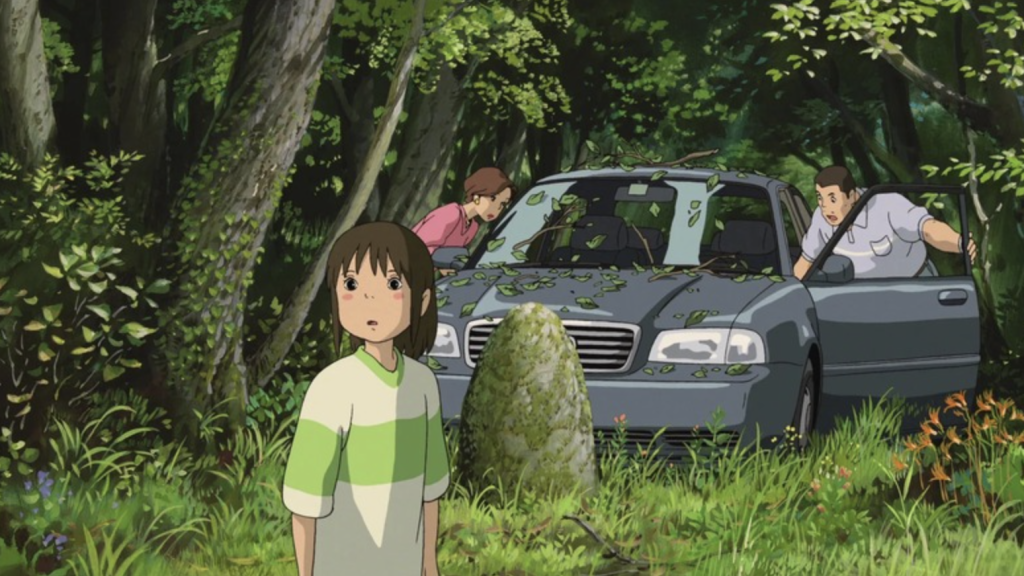
Chihiro’s descent into a surreal bathhouse for exhausted spirits is a masterclass in environmental storytelling, where every soot sprite, gluttonous monster, and gliding train passenger breathes with inner life. Unlike Western features that spoon-feed lore, Miyazaki trusts the audience to absorb the humid, terrifying atmosphere of a world operating by hidden rules.
Winning the Academy Award for Best Animated Feature, Spirited Away sits comfortably at fourth as a universal coming-of-age blueprint wrapped in breathtaking watercolor imagination. So far, it’s Miyazaki’s best movie.
3Gintama: The Very Final Delivers The Ultimate Emotional Payoff
A comedy built on ridiculous parodies, fourth-wall breaks, and shameless nonsense somehow delivers one of anime’s most emotionally rewarding finales. Chizuru Miyawaki’s Gintama: The Very Final brings Gintoki’s struggle against Utsuro to its conclusion, forcing the former Yorozuya members and their allies to confront the legacy of their teacher, Shoyo.
The reunion of familiar faces makes every battle feel personal rather than merely spectacular. Its greatest strength is the emotional history accumulated across the franchise. That dependence on years of storytelling makes it less accessible, but for longtime fans, this third-place ranking is thoroughly earned.
2The End of Evangelion Turns A Mecha Story Into Existential Chaos
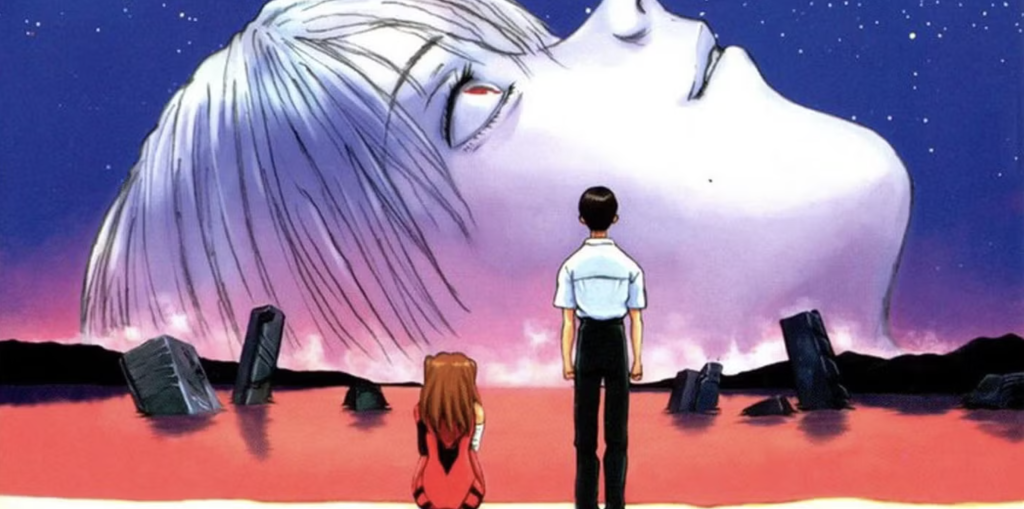
Hideaki Anno takes the psychological turmoil of Neon Genesis Evangelion and detonates whatever emotional stability remains. Shinji’s inability to connect with others becomes inseparable from humanity’s impending annihilation, while the Human Instrumentality Project transforms the apocalypse into an unsettling examination of loneliness and identity.
Asuka’s ferocious confrontation with the Mass Production Evangelions is a spectacularly brutal highlight, while the infamous beach sequence leaves audiences questioning what salvation actually means. Now, available on Netflix, the series is an audacious experiment that makes it a masterpiece, but its deliberately punishing experience keeps it just below the top spot.
1Grave of the Fireflies Shows the Gut-Wrenching Horrors Of War
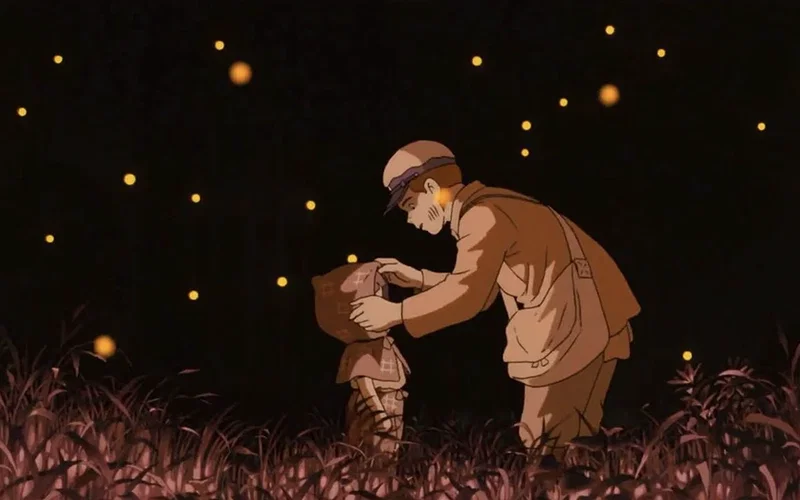
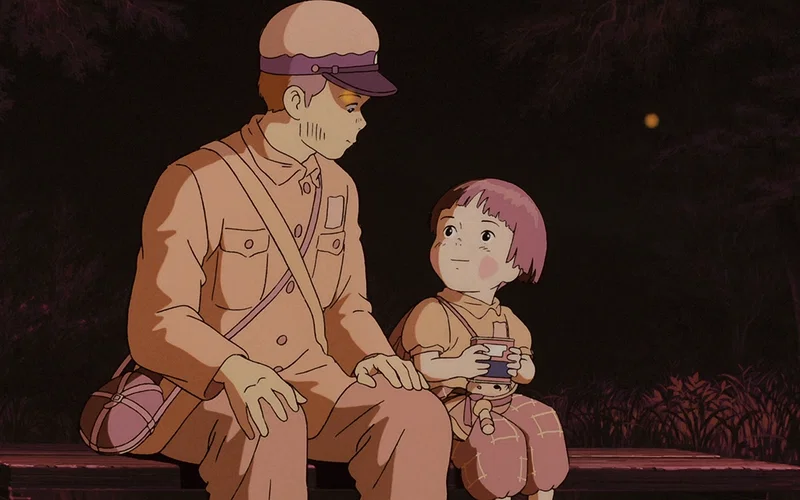
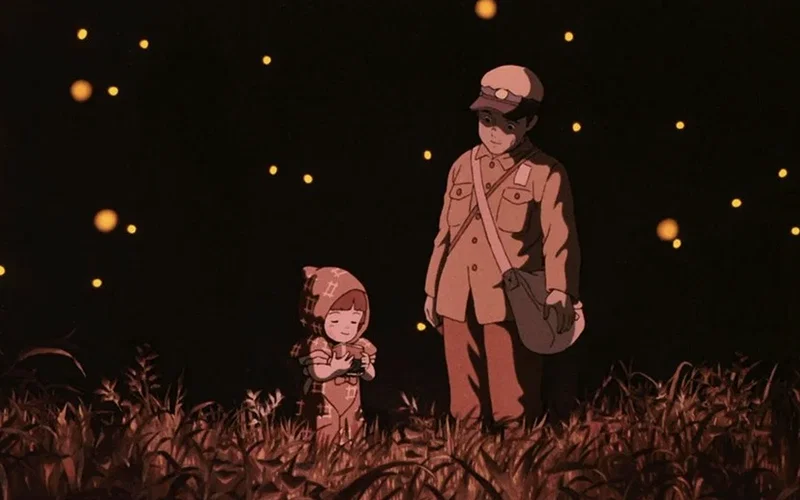
Forget heroic battlefields. Isao Takahata’s Grave of the Fireflies shows war through Seita and Setsuko, two siblings struggling to survive after American firebombing devastates Kobe during World War II. Their abandoned shelter, dwindling food supplies, and desperate attempts to preserve childhood innocence make the tragedy almost unbearable.
Based on Akiyuki Nosaka’s semi-autobiographical 1967 short story, the film draws from deeply personal wartime experiences. Even the fireflies become heartbreaking symbols of fleeting happiness. Its refusal to romanticise suffering, combined with Takahata’s devastating realism, makes this the most deserving number-one choice.
Have you seen these films? Do let us know in the comments below.
FW Standards: Trust Principles
As an Amazon Associate, FandomWire earns from qualifying purchases.
Shop our editorial picks on Amazon →

Sort 16 words into 4 groups.
Today’s Quartet is trickier than it looks.
Free to playNo sign-upNew challenge daily
Play Quartet
Edited by:Apratim Chakraborty
