

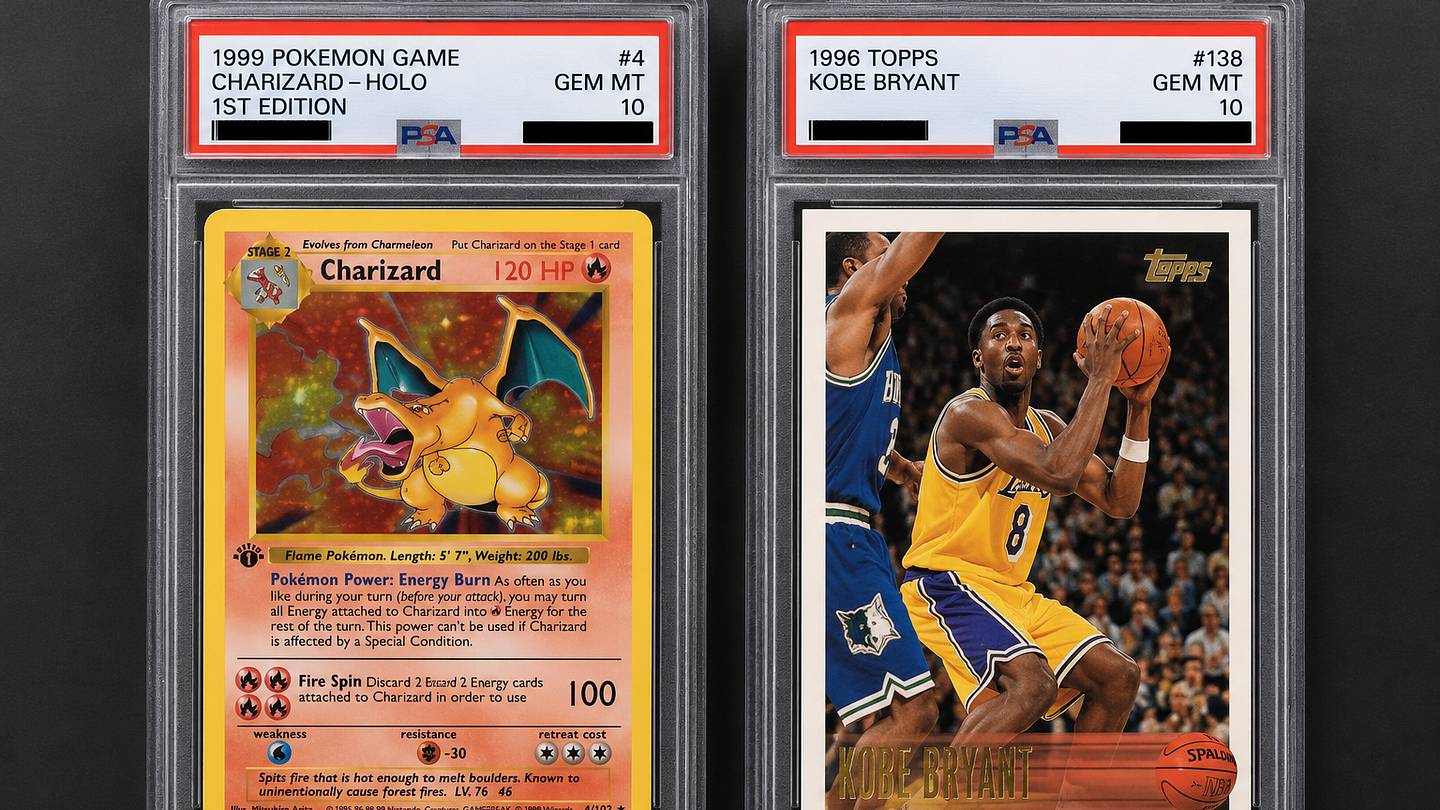
The theft of6,451 PSA-certified trading cards from a FedEx truck has collectors wondering whether they’ll ever be returned to their rightful owners. But there’s another concern: What happens if the stolen cards make their way back into the hobby?
They could be kept in their PSA holders or removed and sold raw, making them harder to identify. They might surface at card shows, in collector groups or on established marketplaces. There’s no evidence yet of when or where they might appear, but collectors can take a few simple precautions.
Start With the Certification Number
1. Check PSA’s stolen-card list.
PSA has published thecertification numbers and descriptions of all 6,451 stolen items. Before buying a PSA-graded card, especially an expensive one, check its number against the list.
You can also usePSA’s certification verification tool. A deactivated number is a red flag and provides a simple way to quickly check the status of a card.

2. Don’t assume an ungraded card is risk-free.
Removing a card from its PSA holder also removes its visible certification number. Stolen cards could then look like any other raw card.
For instance, 2018 Bowman Shohei Ohtani and 2015 Donruss Nikola Jokić cards appear on PSA’s list, but plenty of legitimate copies are for sale. There’s no reason to avoid raw cards—just ask a few more questions before making an expensive purchase.
Pay Attention to the Seller
3. Be suspicious of deals that seem too good to be true.
Everyone loves a bargain, but a card priced well below market value deserves a closer look. Check comparable sales and watch for pressure to buy immediately or explanations that don’t add up. A low price doesn’t prove theft, but it’s a reason to investigate.
4. Buy from sellers you trust.
Established dealers, auction houses, and marketplaces with buyer protections can provide additional security. Even reputable businesses can unknowingly acquire stolen merchandise, but they may have re
PSA has shared its stolen-card list with marketplace sellers, auction houses ,and digital platforms that are monitoring for the missing items. Whether buying online, at a show, or privately, check seller history and buyer protections.
5. Ask about provenance on expensive cards.
Auction listings, receipts, and grading records can help establish a card’s history. PSA’s archived images may also reveal identifying details, even if a card has been removed from its holder.
That’s especially relevant for vintage cards like the 1962 Topps Willie Mays on the stolen list. Not every seller will have a complete ownership history, but it’s worth asking.
Know When to Walk Away
6. Trust your instincts and report suspicious listings.
If a seller refuses basic questions, insists on payment without buyer protection or becomes evasive, walk away.
If a listing appears to match a stolen card, save the details and report your concerns through the FBI contact information inPSA’s theft update rather than confronting the seller or making public accusations.
Most collectors are honest people who love the hobby. Nobody needs to become a detective, but a little common sense and thousands of extra eyes and ears looking out for one another can go a long way toward protecting the collecting community.
After all, a great deal is only a great deal if the card rightfully belongs to the person selling it.
Add us as a preferredes ago
LUCAS MAST
Lucas Mast is a writer based in California’s Bay Area, where he’s a season ticket holder for St. Mary’s basketball and a die-hard Stanford athletics fan. A lifelong collector of sneakers, sports cards, and pop culture, he also advises companies shaping the future of the hobby and sports. He’s driven by a curiosity about why people collect—and what those items reveal about the moments and memories that matter most.

1 Comment
Pingback: Virtual Reality Stocks To Follow Today - Comic Vibe