

When Hollywood shut down in March 2020 in response to the COVID pandemic, one of the few cinematic forms that could keep on chugging was animation. Because these titles could be completed virtually, animated movies didn’t experience as significant of production stoppages or hiccups as their live-action counterparts. The continued creation of new animated features provided some much-needed hope and endurance during a tumultuous time for cinema. This feat perfectly distilled how the medium of animation refuses to stop. Not even a global health crisis could wipe it out.
The 2020s feature length animation scene, though, has had significantly more going on than just enduring in the face of COVID. This decade has seen a slew of superb animated movies reaching audiences. These films have spanned countless genres, countries of origin, and thematic ambitions, among many other elements. There’s no one way to make something in this medium and the greatest 2020s animated films exemplify that reality. The five best animated movies of the 2020s so far (based on the author’s subjective opinions and ranked below from “least best” to greatest) are dynamite representations of how creative this decade has been for animated artistry.
Best of all, these titles inhabit diverse forms of animation, from hand-drawn wonders to glorious CG creations homaging varying eras of visual expression. Even with so many real-world challenges bearing down on cinema in the 2020s, the best animated films of the decade so far proves that immense creativity festers.
5. Little Amélie or the Character of Rain
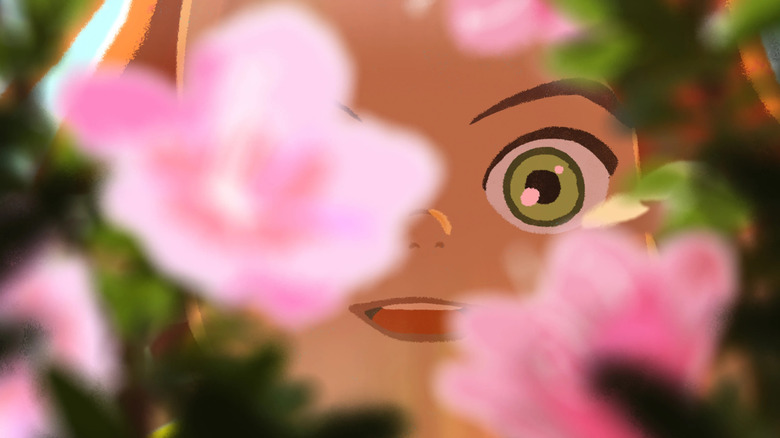
Directors Maïlys Vallade and Liane-Cho Han realized “Little Amélie or the Character of Rain” as not just a pretty movie, but a downright mind-blowingly radiant enterprise. The watercolor-inspired 2D animation is rich with vibrant hues, personality, and majesty. Along with being a divine demonstration of animation’s rich possibilities for vivid imagery, it captures the point-of-view of infant Amélie (Loïse Charpentier) as she discovers and becomes entranced by the scenery surrounding her family’s Kobe home. This movie’s visuals are as awe-inspiring as the newfound world is through this youngsters eyes.
Amélie’s story is the crux of “Character of Rain,” a movie that, like “The Florida Project” and similar features, chronicles a child encountering the harsh complexities of the real world. Such complexities emerge from the friendship between Amélie and her nanny Nishio-san (Victoria Grosbois), a tender bond between French and Japanese individuals frowned upon in post-World War II society. “Character of Rain” is a visual wonder, but its compact 77-minute runtime also features plenty of deeply moving pathos and beautifully executed moments of quiet emotional agony.
Deftly alternating between subdued poignancy and grand, outsized imagery is one of many accomplishments “Little Amélie or the Character of Rain” pulls off effortlessly. May all animated features be this visually dazzling and deeply human.
4. Look Back
Several of the best animated movies of 2024 were grand experiences full of whirlwind action and immense scope. However, one of the year’s greatest artistic accomplishments was something significantly more tender and intimate. The Kiyotaka Oshiyama directorial effort “Look Back” was all about the friendship between young girls Fujino (Yuumi Kawai) and Kyomoto (Mizuki Yoshida), with the duo bonding over their shared passion for drawing. Given their drastically different personalities (and Kyomoto being so isolated), one wouldn’t think anything could bond this duo. However, their friendship proves fruitful in every way imaginable.
“Look Back” is about the connections that make life worth living. Those quiet afternoons spent doodling that seemed so innocuous in the moment, yet end up seared into your brain. Oshiyama’s adaptation of the 2021 Tatsuki Fujimoto manga of the same name excels with its tender depictions of these interactions. However, an eventual tragic digression into more harrowing material halfway through lets “Look Back” reach new levels of emotional potency. Suddenly, it’s a weighty intersection of past and present, of regret and agony. In both of these modes, Oshiyama and company demonstrate a keen eye for tiny facets of humanity that make the proceedings so engaging.
It would take an incredibly cynical soul to watch this moving endeavor and not shed some tears by the end. Running just 58 minutes, “Look Back” crams plenty of memorable animation and soul-stirring material into its compressed form.
3. Flow
Silent cinema is an incredible domain. Some of the greatest movies of all-time, including “Sunrise: A Song of Two Humans” or “The Gold Rushx x,” were made when it was impossible to combine sound and film images. The array of nightmare-inducting silent horror films alone capture the beauty and creative impact of these kinds of motion pictures. Though modern silent features are scarce, some 21st century masterpieces like “Hundreds of Beavers” have kept this tradition alive. Similarly exemplifying these joys is the 2024 Latvian feature “Flow,” one of the best cat movies of all time.
“Flow” follows a black cat surviving a sudden flood that consumes the world he knows. Suddenly, he’s stuck on a makeshift boat with other critters, including a lemur, a dog, and a capybara, trying to survive several bizarre circumstances. This feature from writer-director Gints Zilbalodis (which was co-penned by Matīss Kaža) is exemplary in pure visual storytelling. Turns out all you need to grab and maintain people’s attention is a cute kitty cat at the center of everything.
On a more serious note, “Flow” beckoning audiences to enjoy a story that doesn’t spoon-feed them everything is impressive. Getting moviegoers to empathize with and get invested in animals who aren’t anthropomorphized at all is just one of the many audacious qualities informing “Flow.”
2. Flee
The best documentaries of all time give testimonies, stories, and experiences that couldn’t exist in any other cinematic domain a chance to manifest. The endless possibilities of what documentaries can look like to accomplish this potential was epitomized with 2021’s “Flee.” This animated documentary sees Amin Nawabi recount his life, which includes being born in Afghanistan, growing up a refugee, and embracing his queerness.
Director Jonas Poher Rasmussen’s inspired use of animation for “Flee” (allowing Nawabi’s memories to materialize on screen despite him having no photographs or videos of these occurrences) includes variations on the film’s visual scheme to reinforce certain tonal changes. Sparser animation, for instance, is utilized for especially agonizing portions of Nawabi’s story. These flourishes reinforce the countless nuances and complexities of a human being often being “othered” and dehumanized in the global political scene. Nawabi’s anecdotes are so captivating, it becomes immediately apparent why his life would sustain an entire motion picture.
Among those stories are unforgettable sequences, particularly the depiction of Nawabi’s brother discovering and responding to his sibling’s queerness. Amin Nawabi has experienced a lot during his time on Earth and, tragically, he’s been forced to keep those experiences buttoned up. The specifics of both documentary cinema and the medium of animation, though, allow his point-of-view to finally be unleashed in magnificently effective fashion.
1. Spider-Man: Across the Spider-Verse
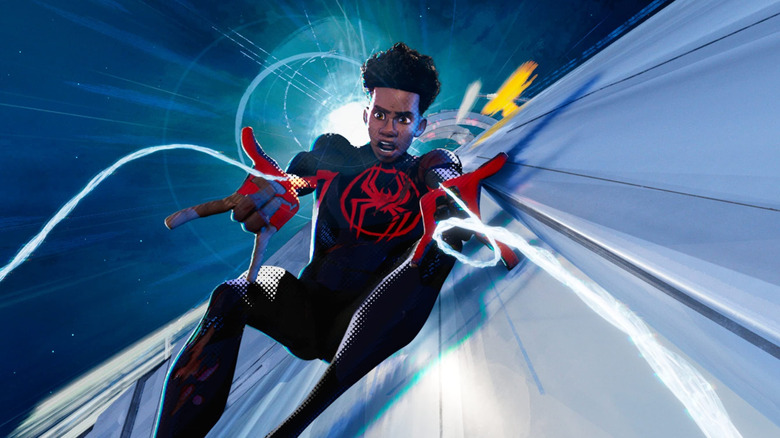
Even after all the critical acclaim and blowing everyone away at the box office, it’s easy to forget that this “Spider-Man: Into the Spider-Verse” sequel is simply an exceptional movie. Beyond leaning into the exciting heightened possibilities of animated storytelling; it’s also a love letter to many different styles and visual aesthetics, as embodied by the varying ambiances of the multiversal Spider-heroes. Anything is possible in animation, and “Across the Spider-Verse” beautifully spreads that idea across an entire, joyous movie.
Beyond those iconic visuals, “Across the Spider-Verse” is exemplary filmmaking in every way imaginable. The way this and the first “Spider-Verse” deliver scripts so pervasively energetic yet packed with small emotional moments is glorious to witness. Meanwhile, the maximalist imagination informing every inch of this enterprise extends to Daniel Pemberton’s phenomenal score. The soundscape of “Across the Spider-Verse” throws out exciting new noises and instruments at the viewer, a perfect auditory parallel to the equally unpredictable animation. Truly anything goes.
There’s no shortage of accomplishments one could lay at the feet of “Spider-Man: Across the Spider-Verse,” including technically being the best female-led superhero movie of all time. Being a 140-minute microcosm of all of animation’s most mind-melting and richly human possibilities, though, is a particularly nifty achievement.
