

Why Do PlayStation Controllers Get Stick Drift So Easily?
By Chifundo KasiyaJuly 12, 2026 9:17 am EST
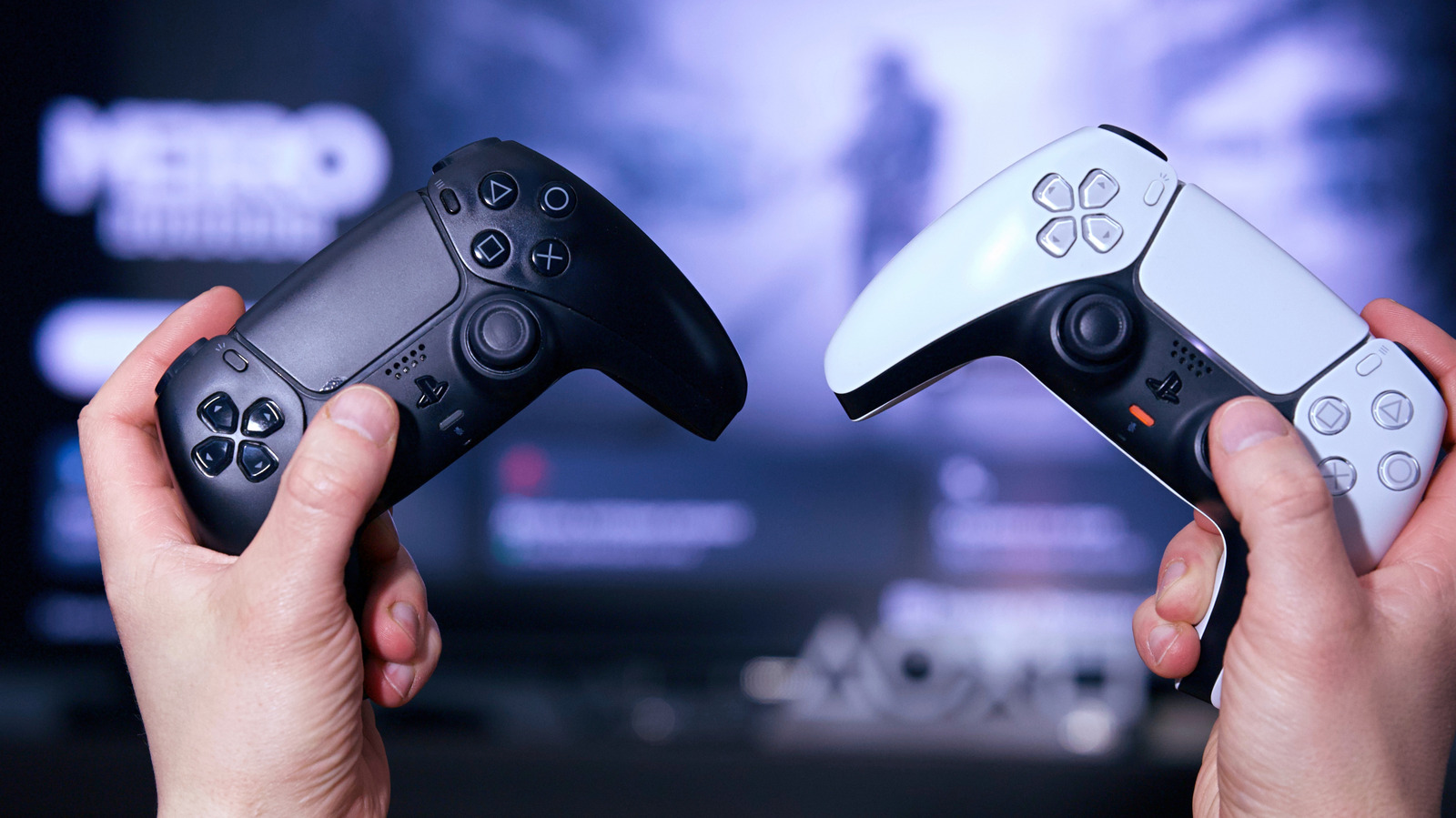
The PS5 controller (called the DualSense) is arguably one of the best controllers around. The advanced haptic feedback, adaptive triggers, and built-in speakers make for an immersive gaming experience. The weightiness and ergonomic design also make it feel great to hold and use. But the biggest problem with these controllers is stick drift.
Stick drift happens when the controller’s sensors can’t accurately tell if the analog sticks are centered or not, registering movement when you aren’t moving them. According to tests conducted by iFixit, the biggest cause of drift in DualSense controllers is when their input sensors (potentiometers) wear out. For the most common joysticks on the market, the RKJXV, this happens after 2,000,000 cycles, which the folks at iFixit estimate is about 417 hours or 209 days (about seven months) if you play two hours a day for less intensive games. If it’s an intensive game, like a first-person shooter, you’ll burn through those cycles faster, bringing that number to 139 days (about four months).
Stick drift also happens when the spring that centers the analog stick stretches. Dust and other debris can also build up when you don’t clean your DualSense controller, leading to drift. While stick drift can sometimes be fixed without sending the controller back to Sony, most of the fixes are temporary, and it’s bound to return at some point
The main causes of stick drift, explained
Ruslan Lytvyn/Shutterstock
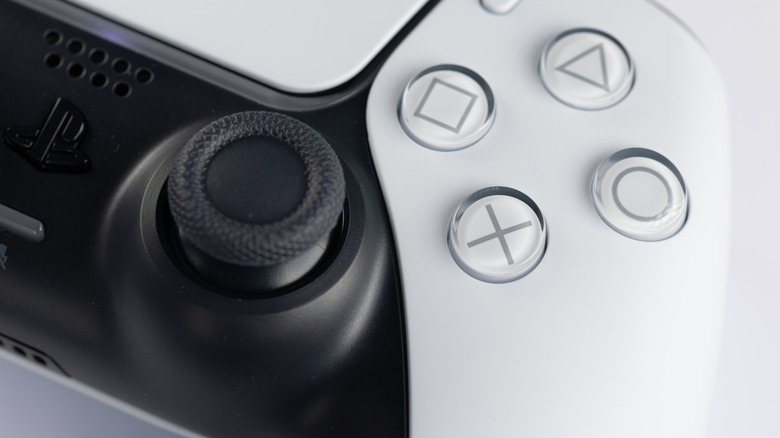
Each analog stick has two potentiometers: one for the vertical Y-axis and another for the horizontal X-axis. Each potentiometer has a curved track with a carbon-resistive film and a voltage running across it. Every time you tilt the analog stick, you’re moving its contact arm (also called a wiper) along the track, increasing and decreasing the resistance in the process. This, in turn, alters the voltage that the controller reads
The controller then converts that voltage reading into a numerical value. Once the game’s code receives it, it’ll translate that into input. When you let go of the analog stick, a spring returns the analog stick to the middle, a neutral position where no input is registered. Over time, the wiper contact arm creates imperfections in the carbon-resistive film due to friction, causing inaccurate readings.
The spring will also stretch over time, reducing its ability to return the contact arm to the neutral position. So the analog stick will be stuck in a position that reads input, even though you haven’t moved it. Also, debris, such as dust, oils, food crumbs, and pet hair, can get into the analog sticks and obstruct the sensors. As more of them build up over time, they can start to mess with the potentiometer’s readings; hence, drift
What you can do about the DualSense’s Stick Drift
Leonardo Penuela Bernal/Getty Images
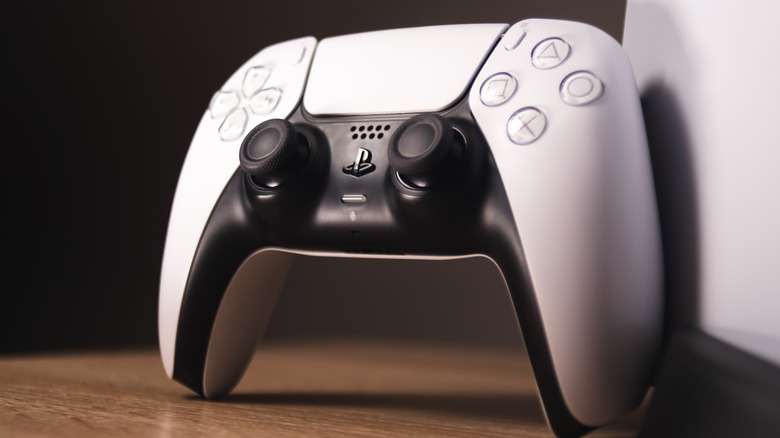
To fix the DualSense controller, people usually recommend that you clean it on the outside and inside. If that fails, you can try resetting the DualSense using the small hole in the back in case there were any calibration issues. Even if these simple fixes work, they don’t usually last that long because the potentiometer wear is the main concern. If the drift happens while the controller is still under warranty, which is one year, you can send it back to Sony for servicing.
Another thing you can try is using a controller maintenance tool called DriftGuard. It can fix minor drift without having to open your controller. It calibrates the analog sticks to correct the drift, and then saves the calibration data into the DualSense’s memory. This means the fix will stick for the long term, even when you update the controller’s firmware
If the drift is severe because the potentiometer wear is too much, DriftGuard cannot help, especially if the stick center position is jumping all over the place. If you can’t afford to purchase a new controller, you’ll need to replace the analog sticks. Consider replacing them with Hall Effect joysticks, which use magnetic sensors instead of potentiometers. Since there’s no friction, there’s no wear, which significantly makes them resistant to drifting. This will require soldering, and if you’re not skilled in that department, you can get a professional to do it.
