

The new star of K-dramas? Korean tradition
Korean tradition is having a moment, with a growing number of K-dramas turning the country’s cultural heritage into one of their biggest selling points for global audiences.
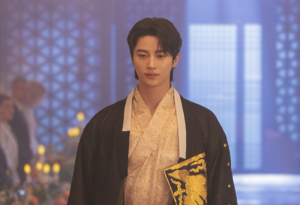
Leading the charge in the first half of 2026 is MBC’s “Perfect Crown,” a fictional 21st-century constitutional monarchy drama starring Hallyu heavyweights IU and Byeon Woo-seok as Hui-ju and Crown Prince I-an, respectively.
Since its April premiere, the series has driven global conversation through its avant-garde reinterpretation of traditional Korean aesthetics. Set against palaces and other historic backdrops, one of the points that drew particular attention was its contemporary take on hanbok styling.
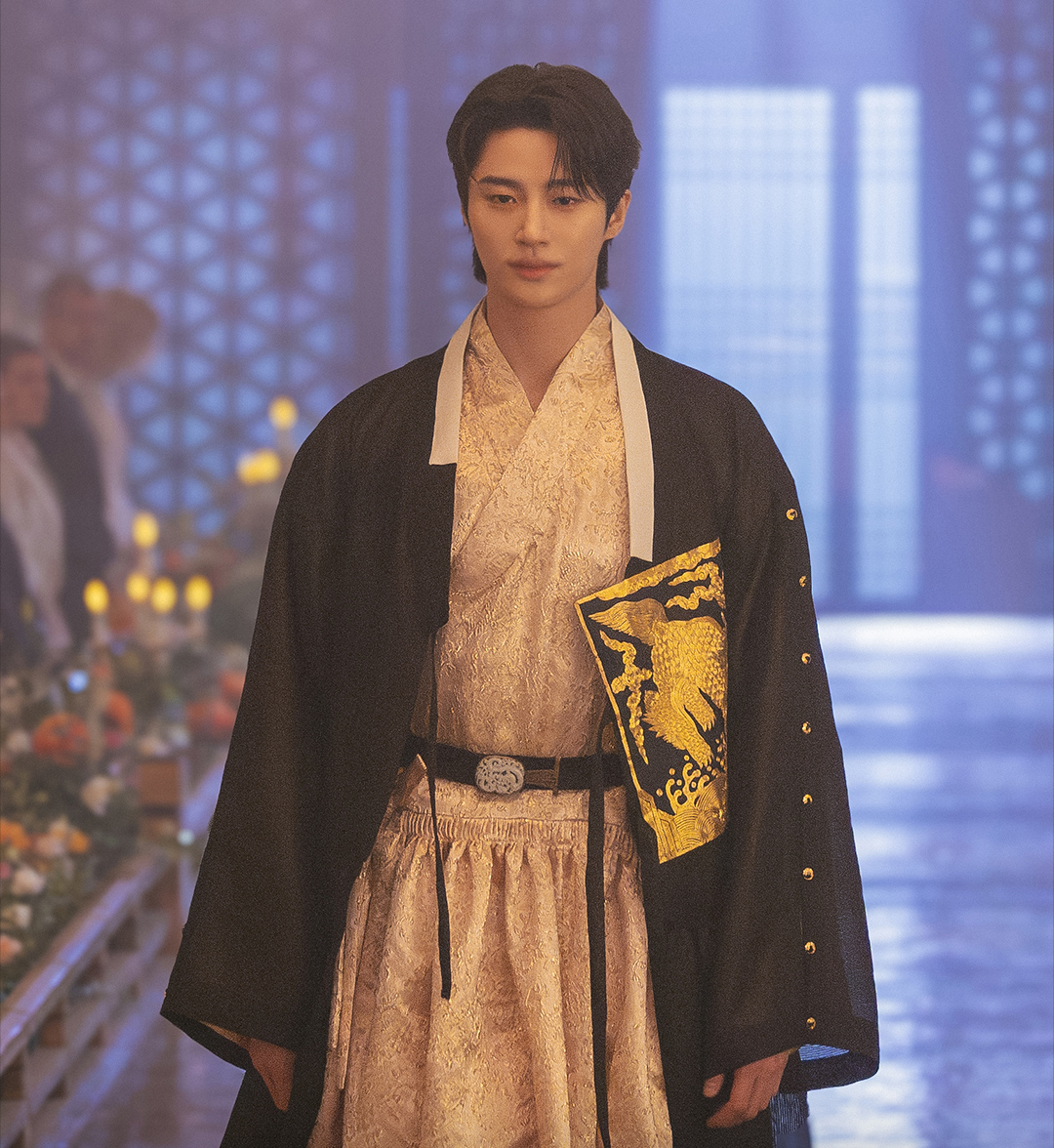
Specific examples in the series include the ‘cheollik,” the everyday garment worn by Joseon-era military officials, reimagined as modern jackets and shirts, as well as contemporary attire for royalty in a 21st-century constitutional monarchy.Traditional hanbok details, including asymmetrical collars and “dongjeong” accents, were incorporated into blouses and jackets, while horsehair “binyeo” hairpins were paired with tailored trousers and sneakers to bridge ancient craftsmanship with modern streetwear.
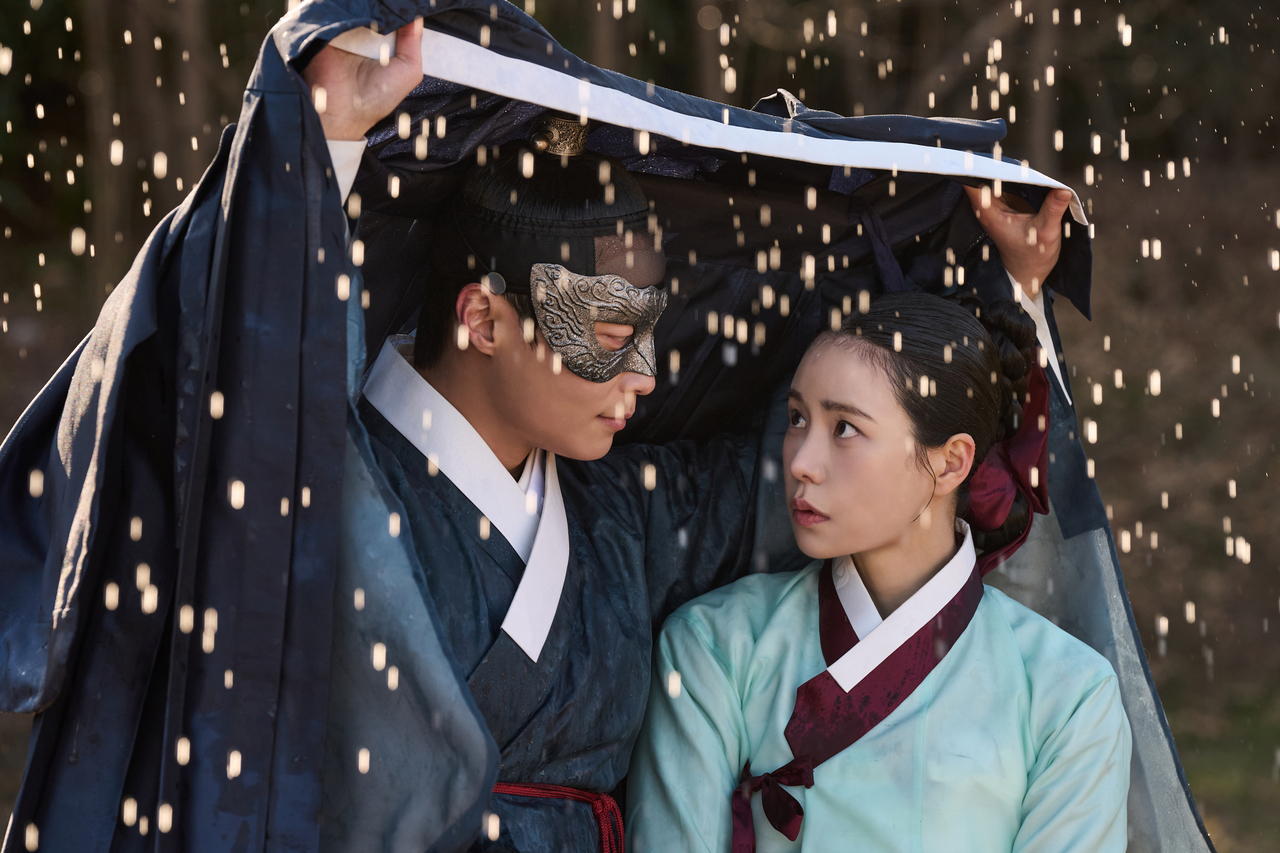
Building on this visual momentum, “My Royal Nemesis” similarly leveraged historical iconography to capture a global footprint.
The series emerged as one of the most talked-about K-dramas of the first half of 2026, spending two months on Netflix’s global Top 10 list for non-English TV. It concluded on June 20 with a peak nationwide viewership rating of 14 percent for its finale.
The drama follows Seo-ri (Lim Ji-yeon), a woman possessed by the spirit of a Joseon-era noblewoman, whose life becomes intertwined with Cha Se-gye (Heo Nam-jun), a cold and aloof chaebol heir. Moving between the Joseon-era and present-day Korea, the series incorporates traditional customs, architecture and costume into its narrative.
According to director Han Tae-seop, the production made a conscious effort to foreground Korea’s cultural landmarks for international audiences, reflecting the growing global appetite for Korean historical imagery following worldwide hits such as “KPop Demon Hunters.”
“One aspect we consciously considered for a global audience was showcasing the beauty of Korea’s historic landmarks,” Han said in a written interview with The Korea Herald on July 1. He pointed to efforts to authentically capture the interiors of Changdeokgung and Gyeongbokgung, alongside contemporary Seoul landmarks including Gwanghwamun and Cheonggyecheon.
“We couldn’t ignore the growing global appeal of Joseon-era iconography and the cinematic image of Seoul as a city,” Han said. “We believed those elements would naturally capture the attention of international viewers.”
