

MAG
Macau Business
Business Intelligence
MacauMacau BusinessMAGMBMB Featured
31 Oct 2026
Virtual Influencers, Real Reservations: How Artificial Intelligence Drives Hotel Bookings
Research Corner | A partnership between Macau Business and the Macao University of Tourism (UTM)
Study reveals how virtual influencers’ unique technological attributes and attitudinal responses shape consumers’ hotel booking intentions
As artificial intelligence continues to reshape the hospitality industry, virtual influencers (VIs), computer-generated digital personas powered by AI, are increasingly being deployed by hotels and tourism brands as innovative brand ambassadors. While existing research has often questioned whether virtual avatars can credibly promote sensory and experiential offerings such as hotel stays, much less attention has been paid to the distinct technological advantages and psychological mechanisms that make them persuasive.
A recent study conducted by researchers from the Macao University of Tourism (UTM) explores how virtual influencers influence consumer attitudes and hotel booking decisions. Based on an empirical survey of 302 consumers evaluating virtual influencer hotel promotions using structural equation modelling (PLS-SEM), the research examines five core technological attributes: virtual influencer–brand congruence, authenticity, personalisation, novelty, and social presence. Grounded in an extended Attitude-Toward-the-Ad (ATTA) model and the Affect Transfer Hypothesis (ATH), the findings show that the model explains 67.9% of the variance in consumers’ attitudes towards virtual influencers and 61.2% of the variance in hotel purchase intentions, underscoring the explanatory value of consumers’ evaluations of virtual influencers in the decision-making process.
The findings not only advance theoretical frameworks surrounding AI-driven influencer marketing, but also provide actionable strategies for hospitality marketers seeking to effectively deploy virtual ambassadors in the digital era.
Beyond Human Replicas: Reassessing Virtual Influencers in Hospitality
Virtual influencers have rapidly evolved from social media novelties into increasingly prominent marketing tools, with some commanding follower bases of between 215,000 and 5 million and generating substantial commercial revenue. In hospitality, avatars are increasingly partnering with international hotel chains to support marketing campaigns and engage digital audiences.
However, the application of virtual influencers in experiential hospitality marketing has frequently faced scepticism. Previous studies have suggested that virtual avatars are less persuasive than human endorsers because they lack physical embodiment and cannot genuinely taste food, enjoy hotel amenities, or experience destinations firsthand. This perceived experiential gap has led many scholars to treat virtual influencers merely as imperfect digital copies of human celebrities.
To address this limitation, the UTM research team shifted the focus from human mimicry to the unique technological and interactive capabilities that define virtual influencers. Drawing on the Attitude-Toward-the-Ad model and the Affect Transfer Hypothesis, the study developed a comprehensive framework capturing both cognitive perceptions and affective responses. The researchers proposed that virtual influencers do not merely act as passive advertising vehicles, but can function as autonomous persuasive agents whose own appeal directly shapes consumer decisions.
Technological Attributes and Dual Pathways to Hotel Bookings
The empirical analysis revealed that all five identified technological attributes positively shape consumers’ perceptions of virtual influencers. Among these factors, perceived social presence and novelty emerged as the most powerful drivers of positive evaluations. This suggests that interactive warmth and innovative engagement may be particularly important in shaping consumers’ evaluations of virtual characters.
Furthermore, (influencer) personalisation demonstrated a strong positive effect on consumer evaluations. This finding directly challenges previous concerns regarding privacy backlash and suggests that hospitality’s personalised service context may create favourable conditions for algorithmic customisation. Interestingly, while virtual influencer–brand congruence significantly reinforced positive evaluations, perceived authenticity ranked as a comparatively weaker driver. This finding points towards a form of “algorithmic authenticity”, suggesting that consumers may place greater emphasis on technology-driven qualities such as personalisation and social presence when evaluating virtual influencers.
Crucially, the research uncovered a dual-pathway mechanism linking virtual influencers to consumer behaviour. Favourable attitudes towards virtual influencers strongly predict overall brand attitude and also directly predict hotel purchase intentions, alongside the effect of brand attitude. The findings suggest that favourable perceptions of a virtual persona can influence hotel purchase intentions independently of brand attitude, highlighting the potential relational power of virtual influencers.
Strategic Implications for the Future of Smart Tourism Marketing
These findings offer clear, practical guidance for hospitality operators, marketing strategists, and digital developers navigating the AI frontier. Rather than treating virtual influencers as generic spokespersons, hotels should carefully align an avatar’s aesthetic, personality, and values with their specific brand identity, tailoring sophisticated personas for luxury properties or approachable avatars for lifestyle chains.
At the same time, marketers should avoid investing excessively in making avatars appear completely human. Instead, strategic res, interactive dialogues, and responsive communication across multiple digital touchpoints. Continuous narrative updates, immersive virtual environments, and data-driven personalisation should also be leveraged to sustain customer interest and prevent technological novelty from fading over time
Moreover, the discovery of an independent persuasion pathway allows hospitality brands to adopt dual-track marketing strategies. Hotels can cultivate dynamic virtual ambassadors to engage younger, tech-savvy audiences who may be less responsive to conventional corporate branding.
The findings may also offer useful insights for tourism destinations such as Macao and the wider Greater Bay Area, where digital innovation and personalised guest experiences are increasingly important. Ultimately, the study suggests that effective hospitality promotion with virtual influencers may depend less on replicating human authenticity than on harnessing AI-driven creativity to build meaningful digital connections that shape consumers’ hotel booking intentions.
Chon In Ho is a PhD student at the Faculty of Creative Tourism and Intelligent Technologies, Macao University of Tourism. Chon In Ho is a PhD student at Macao University of Tourism (UTM) where he also works as adjunct faculty. His research interests centre on influencer marketing, artificial intelligence, and other aspects of tourism and hospitality marketing. Before joining UTM, he was working in different industries, including government-related, banking & finance, and food & beverage sectors.
Dr. Henrique F. B. Ngan currently serves as the Director of the Centre for Education Quality Management (CEQM), where he oversees various aspects of quality assurance at the university level. His responsibilities include ensuring program framework alignment and liaising with external accreditation bodies (e.g., UK Quality Assurance Agency – UKQAA). Additionally, Dr. Ngan coordinates the launch of new programs, revises existing ones, and oversees the training and development of faculty members to ensure continuous improvement and excellence in teaching.
Beyond his administrative duties, Dr. Ngan is actively engaged in research, with much of his work published in top-tier journals in the fields of tourism and hospitality management. His research areas include psychological pricing, immersive technologies (VR and AR), and the use of eye-tracking research. Dr. Ngan also has a strong track record in leading government-related consultancy projects in the areas of talent development, manpower forecasting, and planning.
– The paper
Chon, I. H. & Ngan, H. F. B. (2026).
Virtual influencers, real reservations: how do virtual influencers boost hotel bookings?. Journal of Hospitality and Tourism Technology.
Adults want to play too: The leisure market Macau has yet to build
Why baccarat players yell at cards: The psychology of gambling superstitions
France boards up ahead of Halloween protests
Pope Leo makes history with US midterm vote
Canada, EU launch new alliance with deals on Ukraine, minerals, AI
US woman who survived botched execution says she’s in constant pain
Ukraine has resumed strikes on Russian oil refineries, Russia says
Frenchwoman among 3 killed in Turkey rock spire collapse
Trump reinstates rallies in Kansas, Iowa before midterms
Oil tanker off UAE coast has stopped leaking: state media
Sweden calls on EU to tighten visa rules for Russian athletes
Stranded locals use rare truce to leave Moscow-occupied town in Ukraine

Keep Looking Up
Night Sky Spectacle: Macao International Fireworks Display Contest Returns for a Stellar 34th Edition
All About Mak Mak
Going global: Macao and the future of travel at MITE

Adults want to play too: The leisure market Macau has yet to build
UTM Comments is a partnership between Macau News Agency and Macao University of Tourism By Jessica Marques Macau residents are increasingly visiting the Greater Bay Area for leisure activities, and the ‘Northbound Travel for Macau Vehicles’ scheme has made trips into Guangdong even more convenient for eligible residents by allowing them to drive their own cars. According […]
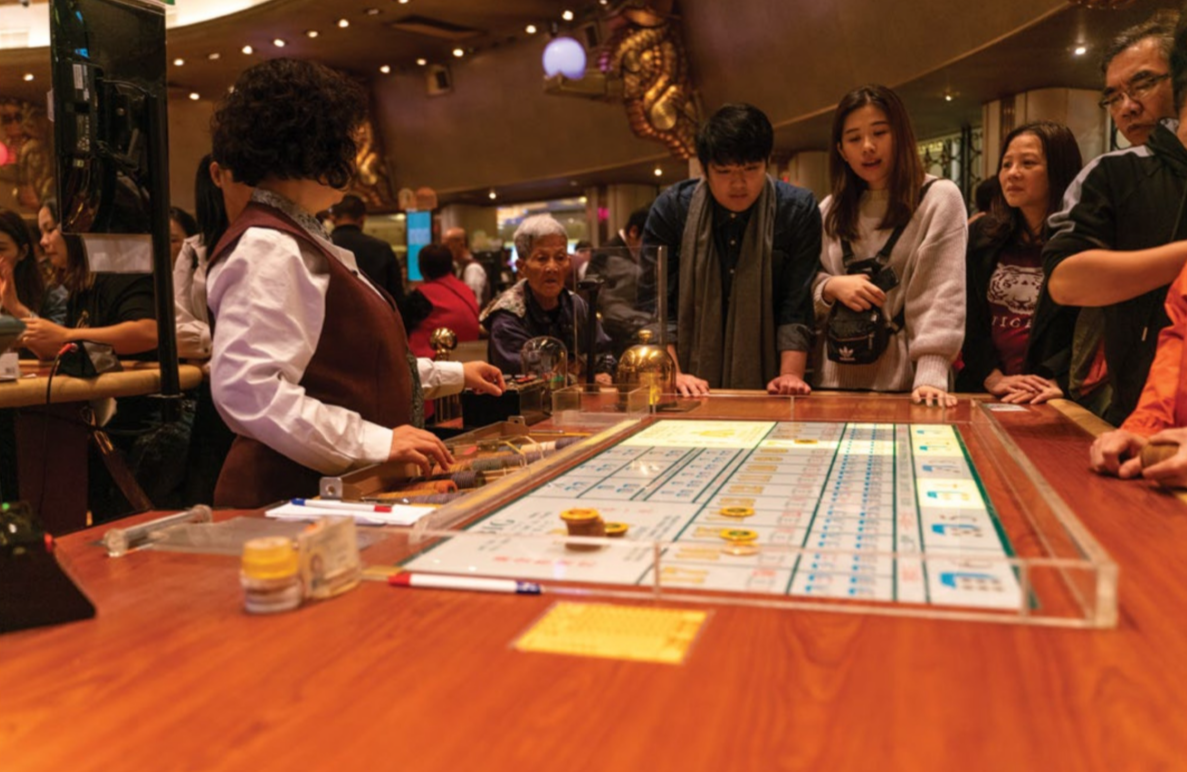
Why baccarat players yell at cards: The psychology of gambling superstitions
Superstition stems from an innate desire to control the uncontrollable, according to pioneering research from Macau.

Macau GDP growth slows down to 0.1 per cent in Q3
Macau’s Gross Domestic Product (GDP) reached MOP106.06 billion (USD 13.15 billion) in the third quarter of 2026, representing real growth of 0.1 per cent year-on-year, official data released on Friday indicates.
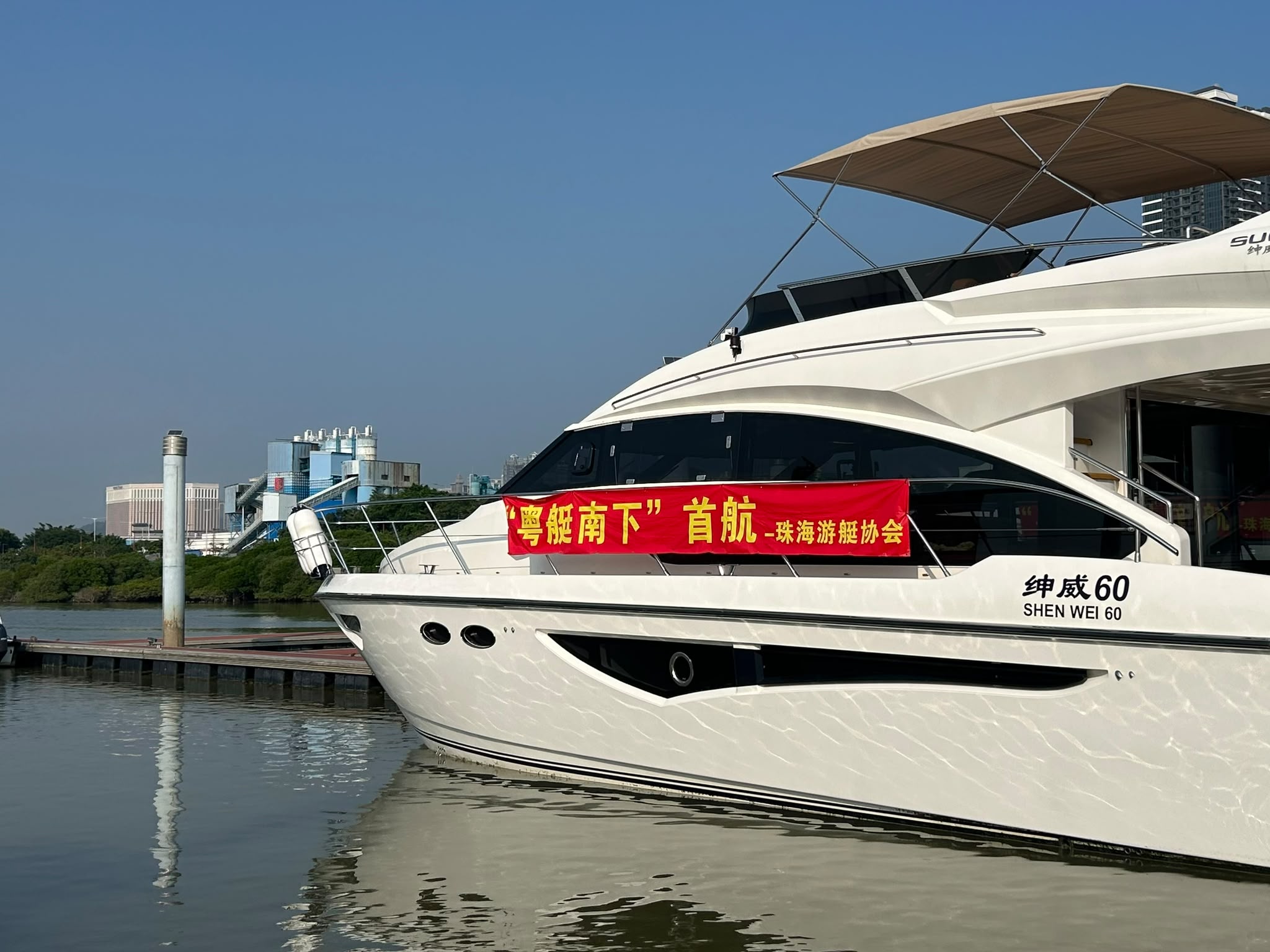
Guangdong yachts make maiden voyage to Macau under new cross-border scheme
The first four yachts from Guangdong arrived in Macau on Friday under a newly launched southbound scheme, marking a major step towards two-way cross-border yacht travel and deeper marine tourism integration in the Greater Bay Area.
