

- Television used to be a shared common experience that happened in real time, with shows like “Lost” and “Who shot J.R.?” bringing millions of Americans together to watch the same program at the same time.
- The advent of streaming services has broken the traditional model of television viewing, offering viewers endless choices and the ability to watch whatever they want, whenever they want, leading to a decline in shared cultural experiences.
- While live sports events like the Super Bowl still have the power to bring millions of people together in the same moment, the rise of algorithms on platforms like Netflix, YouTube, and TikTok has created individualized viewing experiences, further fragmenting the shared cultural experience of television.
There was a time when you could walk into an office and say four words:
And everybody in the room knew exactly what you meant.
Not because they had heard the phrase somewhere. Because they had watched the same 42 minutes of television the night before.
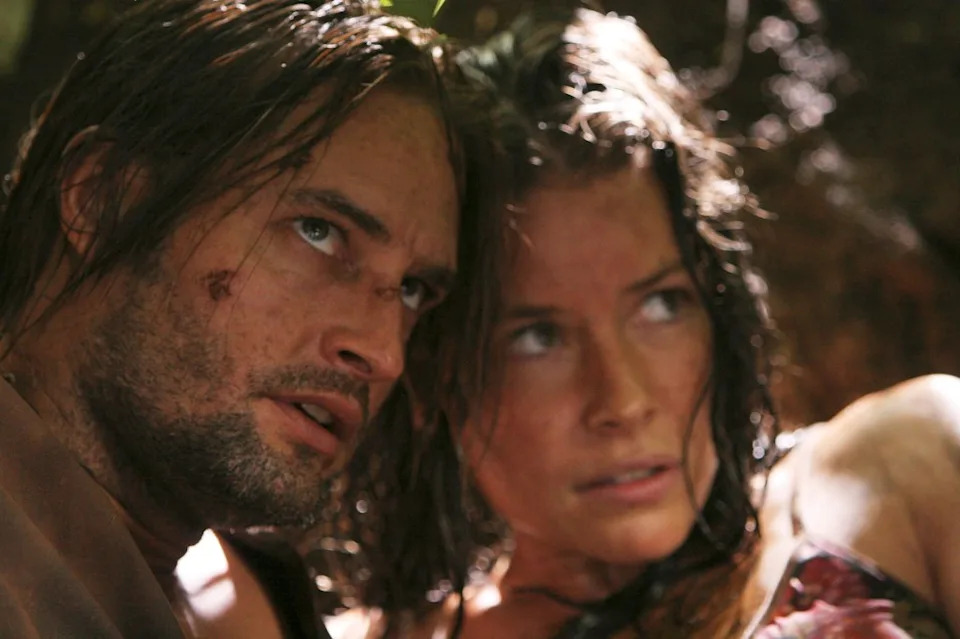
It was the Season 3 finale of “Lost,” when the twist revealed that Jack wasn’t stranded on the <a href="https://comicvibe.com/starsand-island-launch-trailer-cozy-anime/” title=”Starsand Island launch trailer – cozy, anime”>island anymore. He was desperate to return to it.
Nobody had to explain the reference. Nobody had to look it up. The whole room was already there.
“Lost” wasn’t the last television phenomenon. Plenty of enormous shows came afterward.
But it may have belonged to the last generation of television that millions of Americans had to experience at roughly the same time.
You couldn’t binge ahead. You couldn’t google the ending before it existed. You waited, like everyone else, then showed up the next day with a theory and a fight to pick.
For six seasons, that was part of American life. A plane crash. A smoke monster in the jungle. A hatch buried in the ground that took half a season to open. Numbers that seemed meaningless until, eventually, they weren’t.
John Locke, out of his wheelchair for the first time in years, daring anyone to tell him what he couldn’t do.
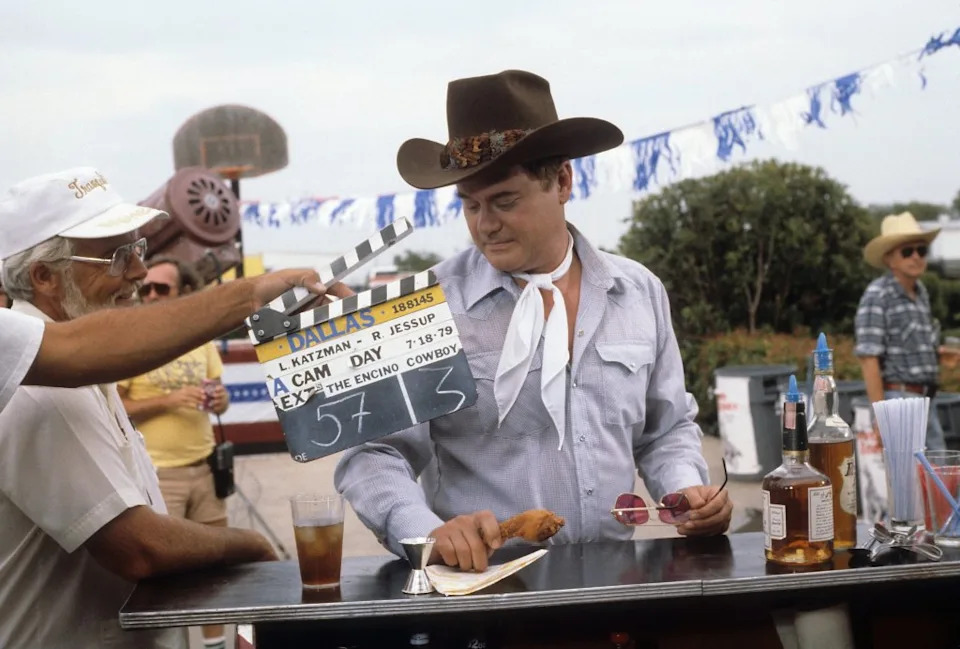
In 1980, “Who shot J.R.?” turned a “Dallas” cliffhanger into a global event. Office pools. Magazine covers. Tens of millions of people tuning in the same night.

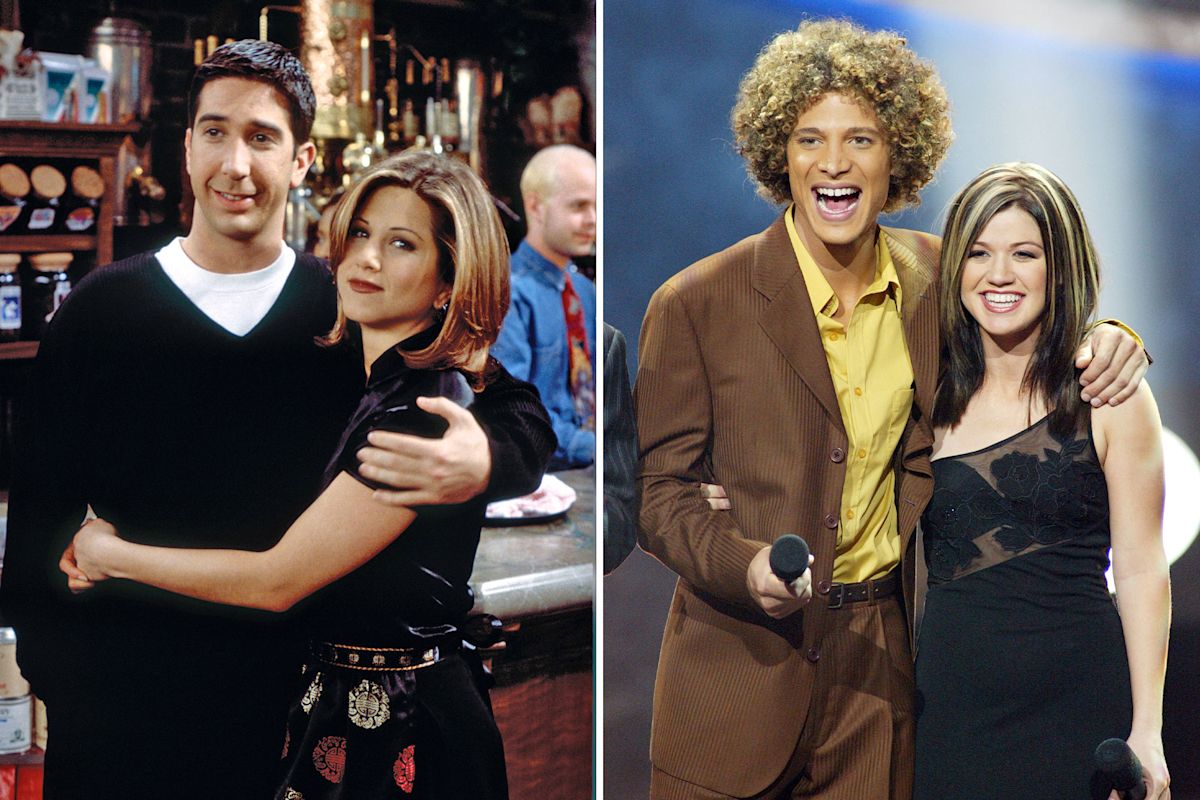
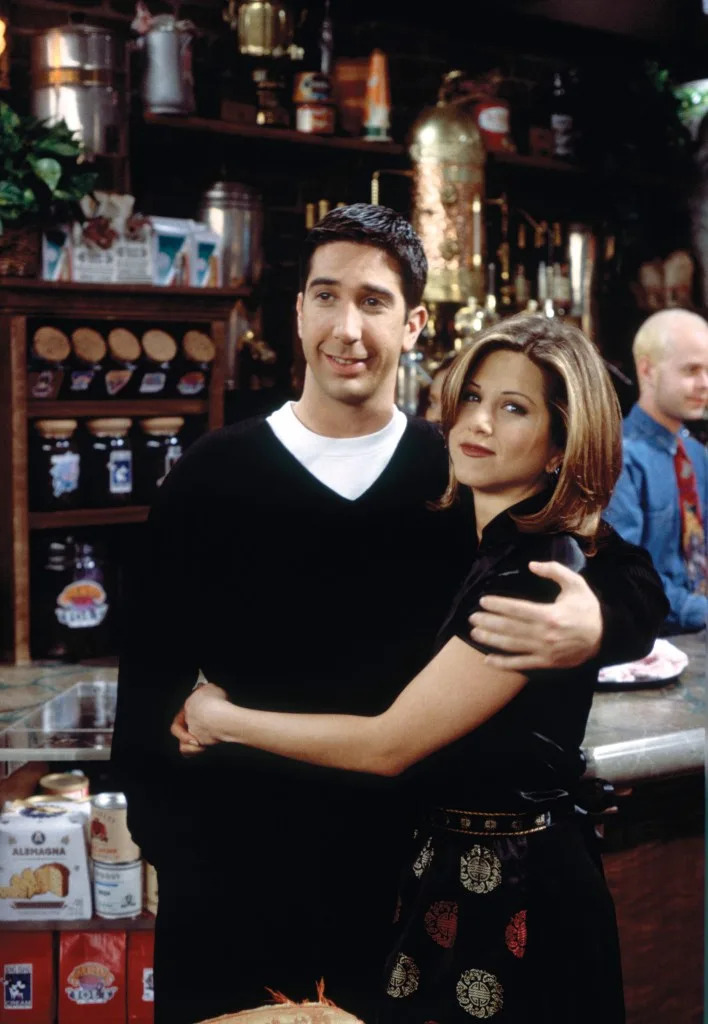
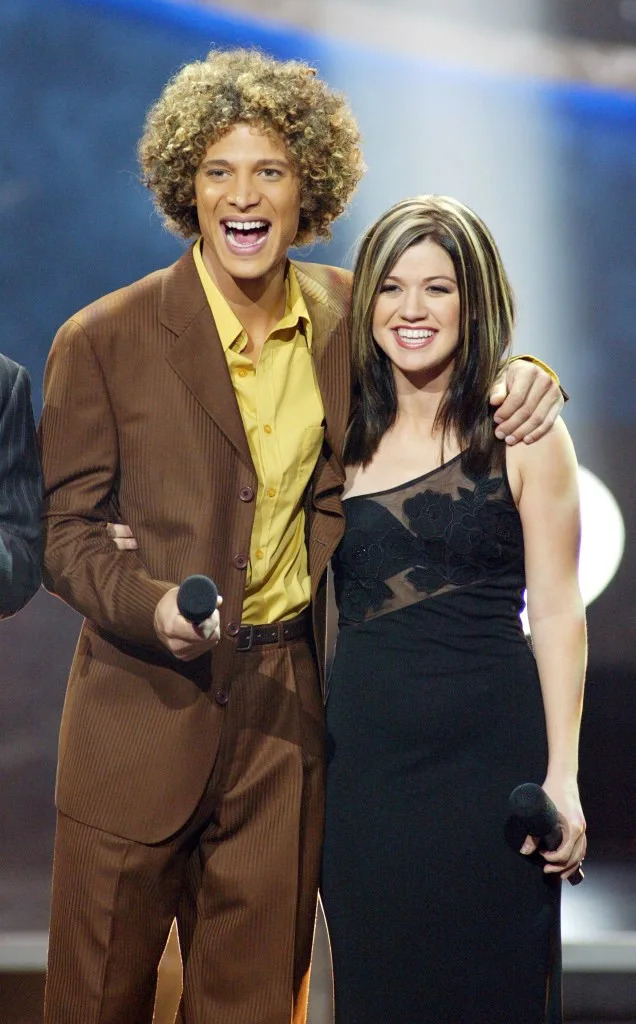
A generation later, people gathered around “Seinfeld,” “Friends,” “ER,” “Survivor” and “American Idol.” Different shows, different audiences, same basic mechanism.
One show. One night. Millions paying attention at once.
My father is 96. He grew up with his family gathered around the radio. They got their first television when he was a teenager, and he was in his 20s before Americans had three networks to choose from.
Tell that teenager there would someday be thousands of programs available instantly, on demand, on a screen he could carry in his pocket, and he probably wouldn’t have believed you.
Back then, nobody thought three networks represented some golden age. It was simply what existed.
But scarcity produced something we didn’t appreciate at the time: Common experience.
A family might have been sitting alone in its living room, but millions of other families were sitting in theirs watching the same thing. Television had moved Americans indoors, but it still gathered them around something.
Then came cable. Hundreds of channels.
Then streaming.
And streaming didn’t merely add choices. It broke the clock.
Every show, whenever you want it. Watch three episodes tonight. Finish the season tomorrow. Start a series everyone else watched five years ago. Skip the boring parts. Stop whenever you want.
Here’s the uncomfortable part: Nobody made us do this.
Every technological advance offered us more control, and we took it.
Yes to more choices. Yes to watching exactly what we wanted. Yes to never sitting through something we didn’t pick.
We didn’t lose the shared culture.
We spent it, a convenience at a time, on ourselves.
What disappeared was instant common ground.
There was once a chance two strangers standing around an office coffee machine had watched the same television show the night before. They didn’t need to know each other well. They already had something to talk about.
That shorthand used to be free.
Now it has to be built on purpose.
Live sports still occasionally recreate it. A Super Bowl. A World Series. A championship game that pulls millions into the same moment.
But even sports are becoming harder to follow collectively, scattered among broadcast networks, cable channels and streaming services.
And the generation coming behind us isn’t inheriting appointment television.
It is inheriting the algorithm.
A 2025 Pew Research Center survey found that overwhelming numbers of American teenagers use YouTube, TikTok and Instagram, with more than a third saying they are on at least one major platform almost constantly.
But constant is not the same as shared.
Television once gave millions of people the same program. The algorithm gives millions of people millions of different programs, assembled around what each person has clicked, watched, liked or lingered over.
They aren’t watching different channels.
They’re watching different realities.
And no company has much incentive to reverse that. Netflix, YouTube, TikTok and every platform competing for our attention succeed by giving each of us more of what keeps us watching.
The technology works spectacularly well.
That may be the problem.
Somewhere tonight, millions of Americans are sitting in millions of rooms watching millions of different things.
We got exactly what we wanted: Anything we want to watch, whenever we want to watch it.
We just didn’t notice that one of the things we were giving up was each other.
Jon Fleischman, a longtime strategist in California politics, writes at SoDoesItMatter.com.
Download The California Post App, follow us on social, and subscribe to our newsletters
California Post News: Facebook, Instagram, TikTok, X, YouTube, WhatsApp, LinkedIn
California Post SportsFacebook, Instagram, TikTok, YouTube, X
California PostOpinion
California Post Newsletters: Sign up here!
California Post App: Download here!
Home delivery: Sign up here!Page Six Hollywood:Sign up here!
