

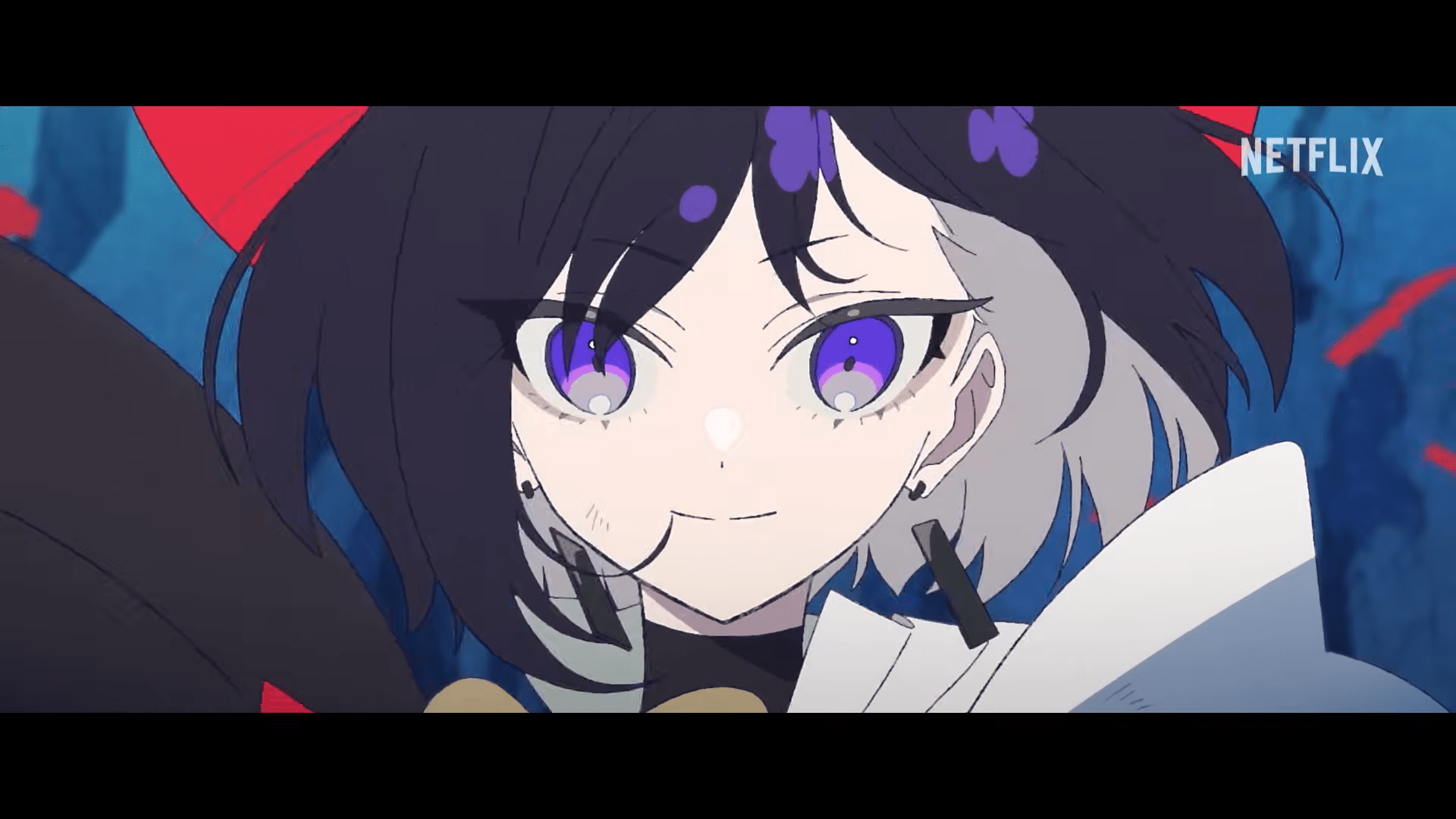
The Ribbon Hero is set to hit Japanese theaters on September 4, about a month after its Netflix debut earlier this month. It will be a limited screening run lasting two weeks, with slightly over 50 locations participating.
The movie, which is inspired by Osamu Tezuka‘s Princess Knight (Ribbon no Kishi) manga, began streaming on <a href="https://comicvibe.com/ghost-driver-codes-august-2026/” title=”Ghost Driver codes (August 2026)”>August 8. It placed eighth in Netflix’s Top 10 Movies in Japan for August 10 to 16, and dropped out of the list the following week.
୨୧ː『THE RIBBON HERO リボンヒーロー』ː୨୧
┗━━ 劇 場 公 開 決 定 ━━━┛//
9月4日(金)より2週間限定劇場公開決定👏✨
\『#THERIBBONHERO#リボンヒーロー』を
まだ、ご覧になっていない方も!
大きなスクリーンでご覧いただきたい方も!
ぜひ劇場に足をは運んでください🎀… pic.twitter.com/y7abGWOq0C— 『THE RIBBON HERO リボンヒーロー』公式@アニメ映画 (@the_ribbon_hero) August 27, 2026
Earlier this year, theCosmic Princess Kaguya! movie began a limited theatrical run in 19 locations in February 20, after premiering on Netflix on January 22 and consistently appearing in the Top 10 Movies in Japan list. That run soon expanded to the extend that the film reported a gross of over 2.5 billion yen (~US$15.78 million) in mid-May (while placing eighth in the Top 10 Movies in Japan ranking for the May 11 to May 17 week) and is returning to cinemas on September 18, with MX4D, 4DX, SCREENX, ULTRA 4DX, Dolby Atmos, and other formats available.
The Ribbon Hero sees the princess and refugee Sapphire trying to survive in Goldland after the loss of her home of Silverland to the Nergal threat, and unexpectedly gaining a special power. Yuki Igarashi (Star Wars: Visions — “Lop & Ochō” [director and character designer et al.], Gen Hoshino’s “I Wanna Be Your Ghost” music video [director et al.], and Jujutsu Kaisen Season 1’s first ending [solo key animator]) directed the anime, which was produced by his OUTLINE studio.
Sapphire is the princess of a kingdom that no longer exists. Having lost everything in her homeland of Silverland to the calamity known as “Nergal,” she wanders in despair until she finally arrives in Goldland.
Though burdened by her past, she begins to find a glimmer of hope as she encounters the kindness of the people there. But as if to sneer at her peaceful new life, the calamity Nergal appears once more. The very despair that once reduced her homeland to ashes now threatens to steal the light from this land as well.
“I won’t lose anything ever again. And I won’t let anyone else lose anything either.” Brushing away her tears of sorrow, the girl takes up her sword. This is the story of a lone hero who ties her ribbon and resolves to defy her fate.
Princess Knight, which the Osamu Tezuka website describes as “the first Japanese story manga for girls,” previously inspired a 52-episode 1967 to 1968 TV anime with Katsui Chikao and Akabori Kanji as the chief directors and Mushi Production as the animation production studio, as well as a 1999 short. There are three versions of the manga — the Shojo Club version (1953 to 1956), the Nakayoshi version (1963 to 1966), and the Shojo Friend version (1967) — with the former having a follow-up titled Twin Knights about Sapphire’s twin children. The Shojo Club version has the following description on the Osamu Tezuka website:
This is a fantasy of a princess by the name of Sapphire who has both a boy’s heart and a girl’s heart. She cleans up evils by disguising herself as Princess Knight.
Sapphire is born with both boy’s and girl’s mind due to a mischievous angel by the name of Tink. In addition, Sapphire bears a destiny to be raised as a prince to inherit the throne. On the other hand, Duke Duralumin, who wants to make his son the king, ploys to find evidence that Sapphire is a girl in various ways.
• Director: Yuki Igarashi
• Original character designer: Kei Mochizuki
• Character design cooperation: Mai Yoneyama (“COLORs” music video character designer and animation director, Cyberpunk: Edgerunners ending animation director, storyboard artist et al.)
• Animation character designer: Issei Arakaki (Extreme Hearts) as animation character designer
• Artistic director: Cedric Herole (POKÉTOON “Wait for Me, Magikarp” director, character designer et al.)
• Nergal designer: okama
• Background art director: Masanobu Nomura (Mono, New Panty & Stocking with Garterbelt)
• Color designer: Natsumi Watabe
• CG director: Akine Nagamine
• Compositing director: Hikaru Fukuda
• Music composer: MONACA’s Satoru Kosaki
• Music composer: MONACA’s Ryuichi Takada
• Animation production: OUTLINE
• Saya as Sapphire
• Seiran Kobayashi as Pine
• Koki Uchiyama as Velvet
• Mayumi Shintani as Zirco
• Yoshimasa Hosoya as Rock
• Mito Tsukino as Hecate
• Yusuke Tezuka as Chorogy
• Lunlun as Chick
• Debidebi Debiru as Tack
