
Close Menu

    Subscribe to Updates

    Get the latest creative news from FooBar about art, design and business.

    What's Hot

    Foot

    July 29, 2026

    KPop Demon Hunters and Blue Lights among shows enjoyed most

    July 29, 2026

    Prince’s Purple Rain musical to make 2027 Broadway debut

    July 29, 2026
    Facebook X (Twitter) Instagram
    Facebook X (Twitter) Instagram YouTube TikTok
    Comic Vibe
    Wednesday, July 29
    • Home
    • Comics
      • Comic Vibe News
    • Gaming
    • Movies
    • TV
    • Anime
    • Toys & Collectibles
    • Cosplay
    • Tech
    • Digital Culture
      • Creators & Fan Culture
      • Creator Economy & Fan-Driven Platforms
      • Digital Fandom & Online Communities
      • Metaverse & Virtual Worlds
      • NFTs & Digital Collectibles
      • Virtual Events & Online Conventions
      • Virtual Identity & Avatars
    • Shop
    Comic Vibe
    • Home
    • Contact Us
    • Terms & Conditions
    • Advertise With Us
    • DMCA Policy
    • Privacy Policy
    • About Us
    Home»Digital Culture»The NHL salary cap has never been higher. Neither has the cost of hockey fandom
    Digital Culture

    The NHL salary cap has never been higher. Neither has the cost of hockey fandom

    JamesBy JamesJuly 29, 2026No Comments5 Mins Read
    Facebook Twitter
    The NHL salary cap has never been higher. Neither has the cost of hockey fandom
    Share
    Facebook Twitter

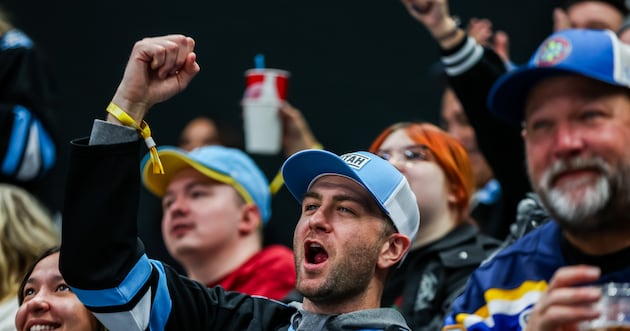
    A Utah Hockey Club fan cheers during an NHL game held at the Delta Center in Salt Lake City on Saturday, Jan. 18, 2025. Tess Crowley, Deseret News
    Your browser does not support the audio element.
    00:00
    00:00
    1.0x
    00:00/00:00
    –
    +

    Financially, the National Hockey League has never been in a better place.

    When the league first instituted a salary cap after the 2004–05 lockout, the upper limit was $39 million. That’s all a team could spend on its 23 active roster players. Less than a quarter-century later, the cap has risen to $104 million — and one major player agent believes it will increase to $123 million by 2027–28.

    If that proves true, the cap will have more than tripled in a span of 22 years, despite the fact that the players’ percentage of the revenue has dropped significantly during that time.

    For everyone whose salary is paid by the NHL or one of its teams, a steadily increasing cap is a great thing. Everyone makes more.

    That’s illustrated by the slew of record-breaking contracts handed out over the last 12 months.

    Just before the regular season began last year, Minnesota Wild superstar Kirill Kaprizov set himself up with the highest average annual value in NHL history at $17 million. Before that contract even kicked in, 21-year-old Leo Carlsson leapfrogged him with an $18 million deal — as a restricted free agent, no less.

    That money trickles down to the nonsuperstars, too.

    Ian Cole, for example, will make more money at age 37 than in any of his previous 16 NHL seasons if he hits his performance bonuses; Ryan Shea, a 29-year-old who didn’t become a full-time NHLer until this season, just guaranteed himself top-four defenseman money for the next five years; After one productive season, Darren Raddysh signed a contract that will push his career earnings far above those of Hall of Famers like Scott Niedermayer, Scott Stevens and Sergei Zubov.

    If your interaction with the NHL comes from the other side of the glass, though, your wallet is what funds the bulk of that increase.
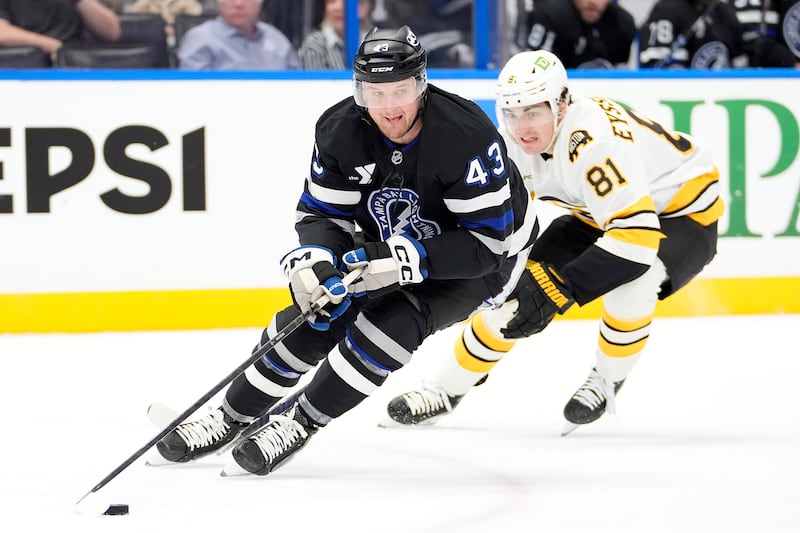

    Why does the NHL salary cap increase so rapidly?

    Rising inflation accounts for a 68% increase from the initial salary cap to now, according to the U.S. Bureau of Labor Statistics. The other 199% that it has risen since then comes from the ever-increasing cost of being a hockey fan.

    The salary cap isn’t an arbitrary number. It’s calculated off hockey-related revenue figures. When teams generate more money, the cap rises, allowing the players to make more too.

    As a whole, the players are entitled to 50% of the league’s HRR. The salary floor and cap, as well as an escrow system, ensure that they get precisely that amount.

    In the NHL’s first year under a salary cap, the average ticket price was $41.19 that comes out to $69.19 in today’s dollars

    TicketData.com finds that fans will pay an average of $82.69 to get into an NHL arena in 2026–27 (Rider University’s data ends in 2022).

    To watch games on TV in 2005, American hockey fans could tune into Outdoor Life Network, which eventually rebranded as Versus and later as NBC Sports Network. It was included in most cable packages, meaning no extra fee was necessary for most viewers who already paid for cable.

    In 2026, streaming reigns supreme. Fans must subscribe to watch their sports on a separate bill from where they watch their TV shows and movies. A yearly ESPN Unlimited subscription costs $300. If you want TNT too, you’re paying another fee, which varies depending on the provider and package one chooses.

    Merchandise prices vary by product and team, and data from the mid-2000s isn’t fully available, but a Forbes article from 2006 suggests that it was much cheaper for fans to get their hands on the jerseys of their favorite players than it is 20 years later.
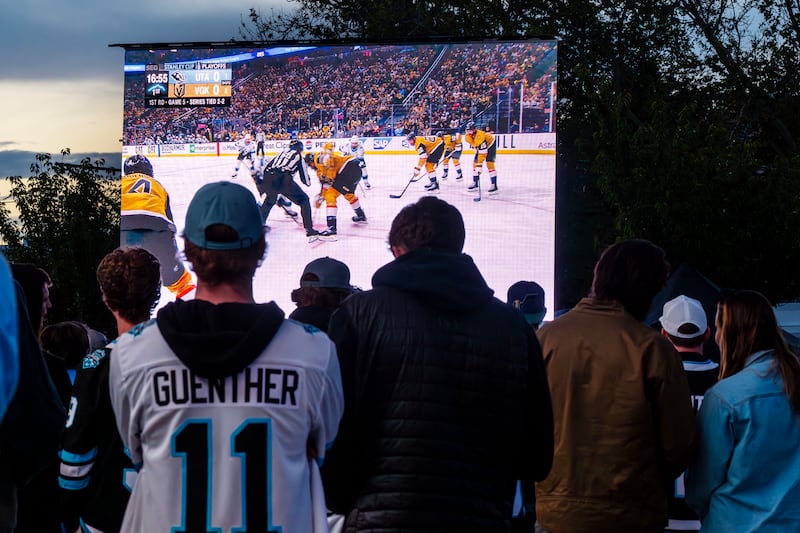
    Utah fans gather at the Delta Center to watch the Vegas Golden Knights and the Utah Mammoth in NHL playoff hockey action on Thursday, April 30, 2026. Las Vegas won 5-4 in double overtime. | Scott G Winterton, Deseret News

    It’s not all bad

    The NHL has committed hundreds of millions of dollars to growing the game of hockey over the last decade and a half. The idea is that creating new hockey fans is a wise investment, and that the money will multiply itself through the lifelong support of those new fans.

    Those new fans buy merchandise. They subscribe to NHL streaming services. They consume the advertisements plastered on every inch of free space in and around the game.

    That all turns into money that the league didn’t have before, and it doesn’t affect the existing fans one bit.

    On the other hand, they also attend games, which raises the demand without the ability to increase the supply. That’s why ticket prices are higher now than virtually ever before.

    The league has tried to combat that by adding an extra two games to each team’s schedule for the 2026–27 season and on. At an 18,000-seat arena, that allows for an extra 36,000 in-person viewers in each market, as well as all the concessions, merchandise and parking sales those fans bring.

    Ideally, that increases the NHL’s hockey related revenue — and the salary cap — without increasing the cost each fan has to pay.

    The league has also allowed teams to sell ad space on jerseys and helmets. While many fans don’t like it, it does raise the HRR without passing a monetary cost on to the fans.
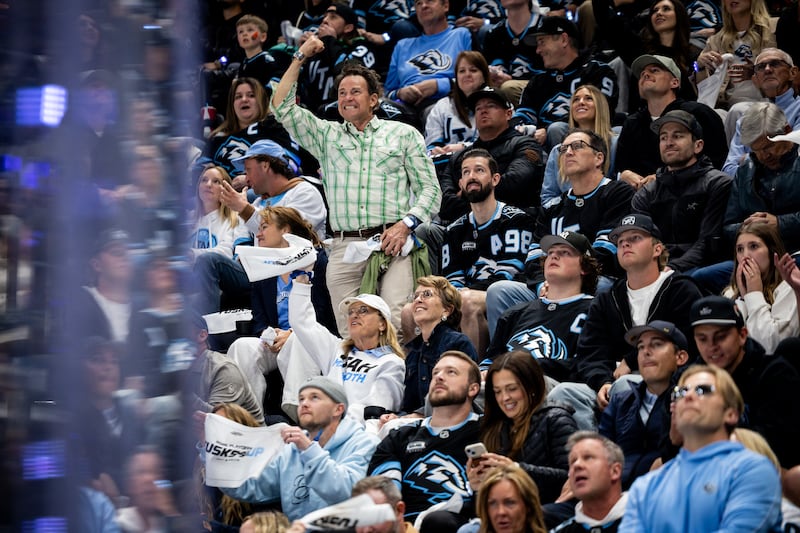
    Utah Mammoth fans cheer during Game 6 of a first-round NHL Stanley Cup playoff series at the Delta Center in Salt Lake City on Friday, May 2, 2026. | Tess Crowley, Deseret News
    Been Higher Neither Never salary
    Share. Facebook Twitter
    Previous ArticleJapanese Drama Series ‘S&X’ Unveils Main Trailer, Key Art and Stills Ahead of August 20 Premiere
    Next Article Horse Racing Legends codes July 2026
    James

    Related Posts

    Fortnite’s Exclusive Brand New Day Footage Features Spider

    July 29, 2026

    Horse Racing Legends codes July 2026

    July 29, 2026

    Taxation On Cryptocurrency: Guide To Crypto Taxes In India 2026

    July 29, 2026

    DJ Envy Says His Wife Had to Show Him How to Wash His Butt Properly in the Shower

    July 29, 2026
    Leave A Reply Cancel Reply

    Our Picks

    Foot

    July 29, 2026

    KPop Demon Hunters and Blue Lights among shows enjoyed most

    July 29, 2026

    Prince’s Purple Rain musical to make 2027 Broadway debut

    July 29, 2026

    K-pop, K-food brought into Korean

    July 29, 2026
    • Facebook
    • Twitter
    • Instagram
    • YouTube
    • TikTok
    • Telegram
    Don't Miss
    Metaverse & Virtual Worlds

    Roblox vs Minecraft vs Fortnite: 380M vs 212M [2026]

    By JamesJuly 4, 20260

    Three products dominate the conversation whenever anyone argues about the future of interactive entertainment, and by mid-2026 the debate has stopped being about games at all. Roblox vs Minecraft vs Fortnite is now a comparison of three rival platforms – each with its own creator economy, virtual currency, development engine, and hundreds of millions of…

    Hello Freedom Booth “LIVE, RE:ALITY” to Exhibit at Anime Expo 2026 from July 2–5

    July 4, 2026

    I Guess These Are The Games, And Memories, I’m Stuck With For The Rest Of My Life

    July 4, 2026

    Flatbush Zombies’ Erick the Architect misses his BlackBerry keyboard

    July 4, 2026

    Subscribe to Updates

    Get the latest creative news from SmartMag about art & design.

    About Us
    About Us

    Comic Vibe is a pop-culture destination created for fans who live and breathe comics, movies, anime, TV shows, gaming, tech, cosplay, and collectibles.

    Our mission is to deliver engaging news, reviews, features, guides, and opinions that celebrate geek culture in all its forms. From the latest comic releases and blockbuster films to anime trends, gaming updates, cutting-edge tech, and collector culture, Comic Vibe brings everything together in one vibrant hub.

    Our Picks

    Foot

    July 29, 2026

    KPop Demon Hunters and Blue Lights among shows enjoyed most

    July 29, 2026

    Prince’s Purple Rain musical to make 2027 Broadway debut

    July 29, 2026

    Subscribe to Updates

    Get the latest comics, anime, movies, TV, gaming, cosplay, and pop culture news delivered directly to your inbox. No spam—just the stories every fan should know.

    Facebook X (Twitter) Instagram YouTube TikTok
    • Home
    • Contact Us
    • Terms & Conditions
    • Advertise With Us
    • DMCA Policy
    • Privacy Policy
    • About Us
    © 2026 Comic Vibe. Designed by Comic Vibe.

    Type above and press Enter to search. Press Esc to cancel.