A small, clustered community of mostly college fraternity and sorority homes seems very safe. Everyone is near and close by, which means, unfortunately, a killer has various homes and victims to select. But in this Idaho tragedy, the perpetrator appeared to have already known his victims. In most cases, loved ones find themselves discovering the killer behind their sorrow, but in this quadruple homicide, families, a community, and internet sleuths are desperate to uncover the “whydunit.” This painful story began in the early hours of November 13th, 2022.
Lives to celebrate
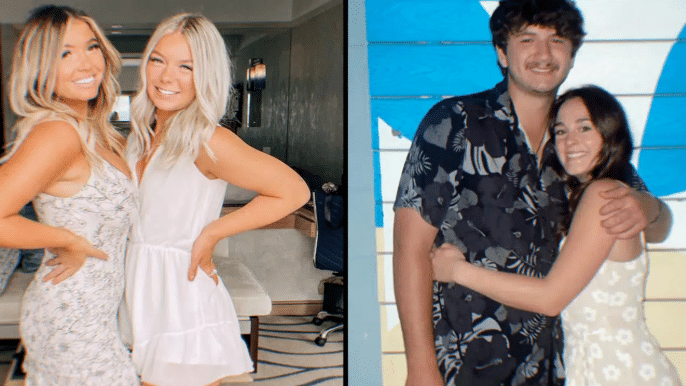
College is a place to explore freedom. Collecting memories, exploring your 20s, and seizing the day with your closest friends are what make college feel unrestricted. “In your 20s,” a friend of one of the victims remarks, “the world is really at your fingertips.” The scene glows with bright colors and reminiscent memories. Netflix wants you to know who the victims were and why they meant something to someone.
As photos and college introduction clips of the students roll in—Madison Mogen, Kaylee Gonclaves, Xana Kernodle, and Ethan Chapin—the University of Idaho water tower appears, too. The documentary doesn’t jump right into the murders just yet. We’re learning about the college they attended. What it was like for them to attend there. What they did there. The majors they pursued. The friends they shared common things with and the fun trips they took.
The line “Here are the 4 victims of the November 13, 2022, student murders in Moscow, Idaho” doesn’t overshadow who they were before they were known as that headline—at least in this documentary.
Most documentaries fail to value victims as “people” or acknowledge that they were once someone before the tragedy occurred. Most audiences, after finishing documentaries through these types of networks, walk out blind, not really understanding who the victim was. Many of these networks fail to celebrate humanity by cherishing the tragedy rather than the actual person. However, through this documentary series, audiences can build empathy, especially those who’ve walked in blind. And it still provides insights for those with prior knowledge of this case.
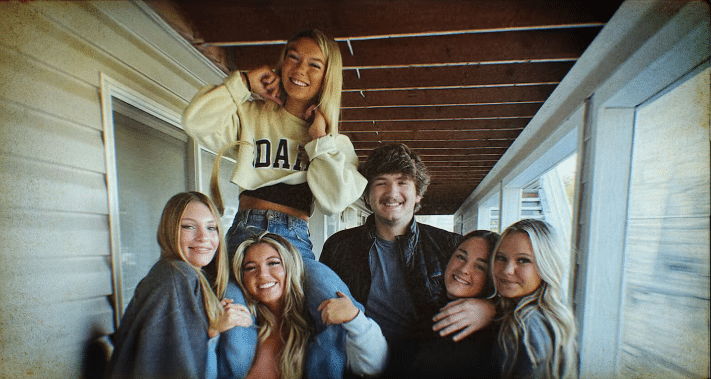
It’s not a quick walk-through either. Stories of who they were are shared entirely throughout the series. Madison Mogen, Kaylee Gonclaves, Xana Kernodle, and Ethan Chapin were someone’s daughter, son, sister, brother, student, friend, and so on.
When strange missed calls and alert text messages start coming in, the town of Idaho begins to worry about the people they love.
The “Mysterious Masked Figure”
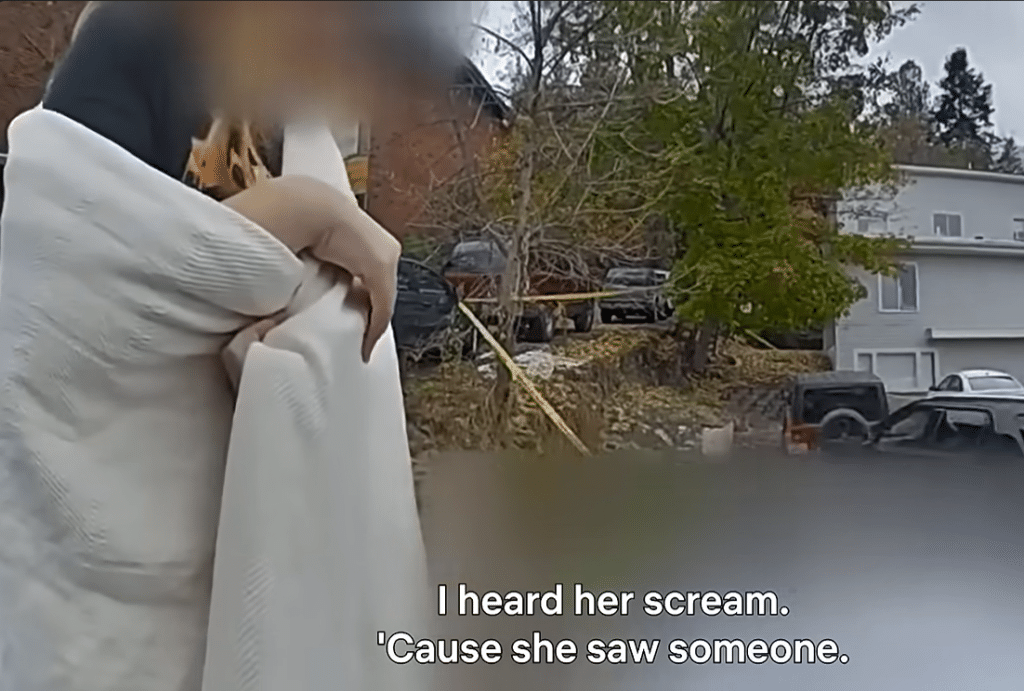
Police respond to a disturbing call from college students revealing that one of their roommates they live with is unconscious and unresponsive. Police then go up to one of the rooms on the second floor and discover that it’s also another victim. “Fuck,” a policeman shouts. “I think we have a homicide.”
And it doesn’t end there.
Another group of officers is called in to respond to the scene, and what they find is beyond just a “homicide.” Exploring the remainder of the house—the third floor—they come across two more victims. Now Idaho police are dealing with a quadruple homicide.
Chaos unravels as speculations of what might’ve happened in the house spin everyone standing outside the crime scene tapes. “Someone overdosed,” a person assumes, standing outside in the very cold air. It is also clear that the Idaho police officers didn’t quite grasp what they were walking into or dealing with. Hours went by, and some officers were assuming intentions based on what they were hearing from the crowd. Many of them didn’t take a look inside themselves.
We witness a chaotic moment of grieving friends, confused neighbors, and surviving roommates whom police officers worked to console and cautiously provide information and updates to.
Surviving roommates Dylan Mortenson and Bethany Funke told officers a masked figure in all black intruded the house the night their friends were murdered. Now, the pieces have to come together to catch the mysterious figure Dylan and Bethany encountered.
The camera then flashes on footprints in the snow, blood trailing down the exterior walls, and an important observation: the backdoor was opened before officers arrived.
For all the Idaho police know, the killer could be standing outside.
Police began to knock on nearby doors and interrogate families who were still unaware of their awful circumstances, all while internet sleuths began to target potential suspects. Footage came from the night the students were out, and interrogations bring the case forward, but who the “masked figure” is remains the question.
In the beginning, Netflix displays a chilling conversation between Dylan and Bethany. One text message stood out: “Come to my room. Run.” Dylan tells authorities that she and the perpetrator caught sight of another. Shortly after, the question turns from “who did it” to “why did they do it, and why only Kaylee, Maddie, Xana, and Ethan?”
Did the perpetrator plan this to fulfill their crime fantasies, or was it personal?
Why them?
1122 King Road is densely populated, heavily dominated by off-campus student housing. It has packed properties that look suffocating and overlapping. So many houses to choose from. And yet the killer knew exactly which house to intrude on. The 34-minute delay in entering the house was not because the perpetrator was lost. It’s because the perpetrator waited for the right moment.
Kaylee Goncalves’s ex-boyfriend, Jack DuCoeur, through interrogation recordings revealed Kaylee believed she was being watched multiple times while walking her dog outside of her home. With a shaking voice and distressed body movements in the police car, Jack questions the authorities about what occurred in the house. Then, in the interrogation room, he tells police Kaylee “likes to FaceTime because she thinks someone’s watching her.”
Another close friend confirms this possible motive.
“Kaylee said when everyone was gone and it was only Kaylee and she was taking Murphy out, and she said she swears she saw someone staring at her,” says Bethany Funke. “She could see a man’s silhouette staring at her.”
Netflix demonstrates what Kaylee might’ve seen the days in which she was followed by this mysterious “silhouette figure.” It illustrates a man in a white 2015 Hyundai Elantra, driving in the snow at dark, turning off the headlights, and sitting motionless.
Then the camera flashes on surviving roommate Dylan Mortensen, who opens up about the time there was a break-in. “About a week ago, our door was broken,” Dylan says. “But me, Maddie, and Bethany got home, and the door was wide open.”
Then she admits she doesn’t believe they locked the back door the night of November 13th.
As police sift through camera footage and a neighbor’s ring camera, they at first struggle to access information about the mysterious car circling around the neighborhood multiple times that then took off after 34 minutes.
Much after sifting through local camera footage of the driving car, police then get hold of the model of the car, which identified as a white 2015 Hyundai Elantra.
Digital forensics tracked the perpetrator’s device, analyzing the perpetrator’s routes before and during the murders, and noticed that the perpetrator turned the device off just hours before the tragedy occurred. It also revealed the perpetrator had visited the area multiple times prior. The rest is history.
There’s ongoing debate about why the perpetrator committed this crime, but if you pay close attention to the third episode of the documentary series, then you might understand why the perpetrator mostly targeted specific victims.
This quadruple homicide was a premeditated act. A commitment.
The Idaho Murders: College Nightmare is now streaming on Netflix.