

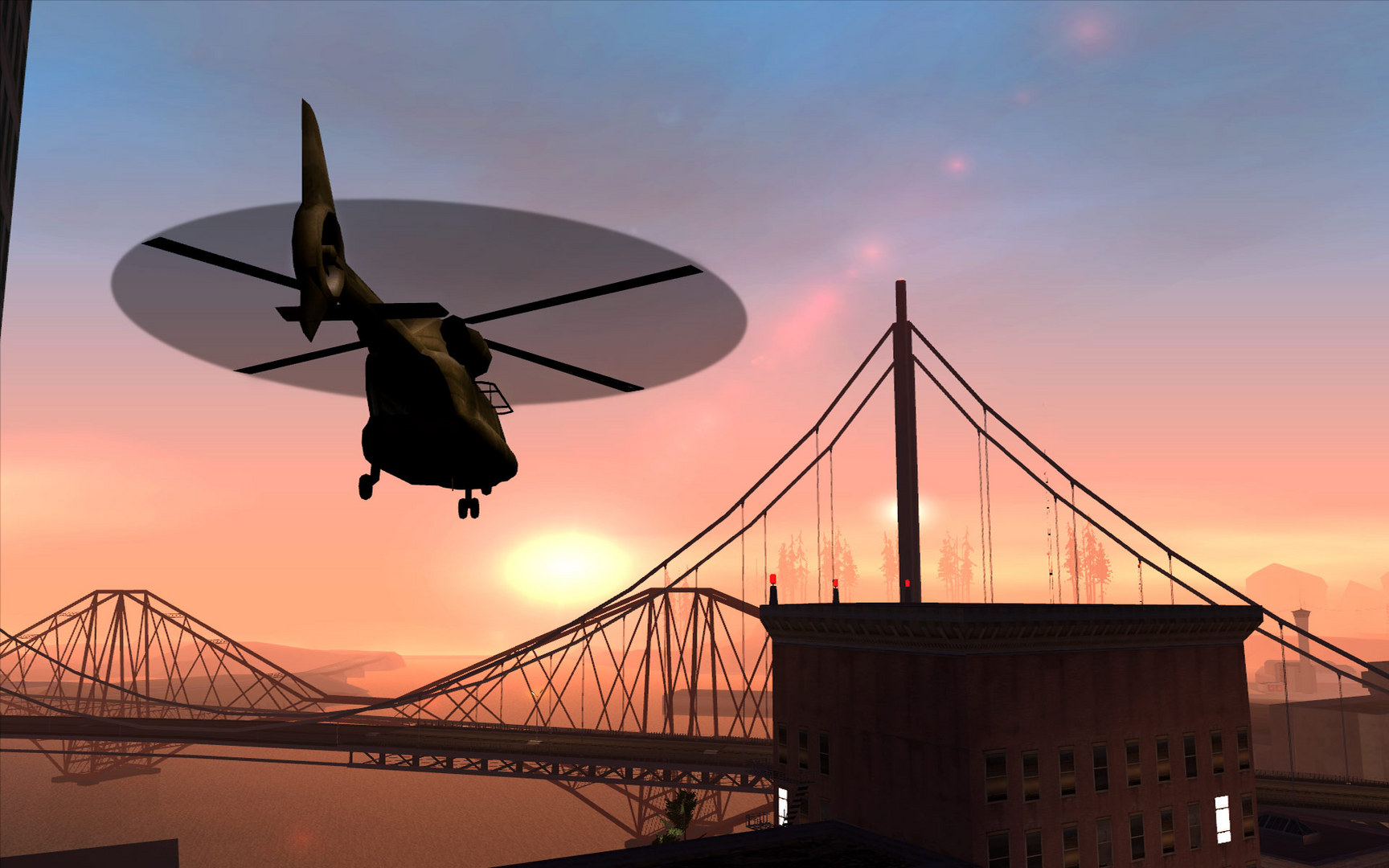
I want to be careful here, because “GTA San Andreas VR has finally come to Quest 3” is doing a lot of work as a sentence. What actually exists is version 0.1.1 alpha of a source kit on GitHub. It is not a download. It is not a store page. It is a build system that takes a copy of the game you already legally own, compiles an OpenXR layer against it on your PC, and pushes the result onto a headset you have put into developer mode. TechRadar’s Hamish Hector wrote it up this week, named the modder, and openly admitted he looked at the setup process and decided not to attempt it before filing. Fair enough.
What the install actually asks of you
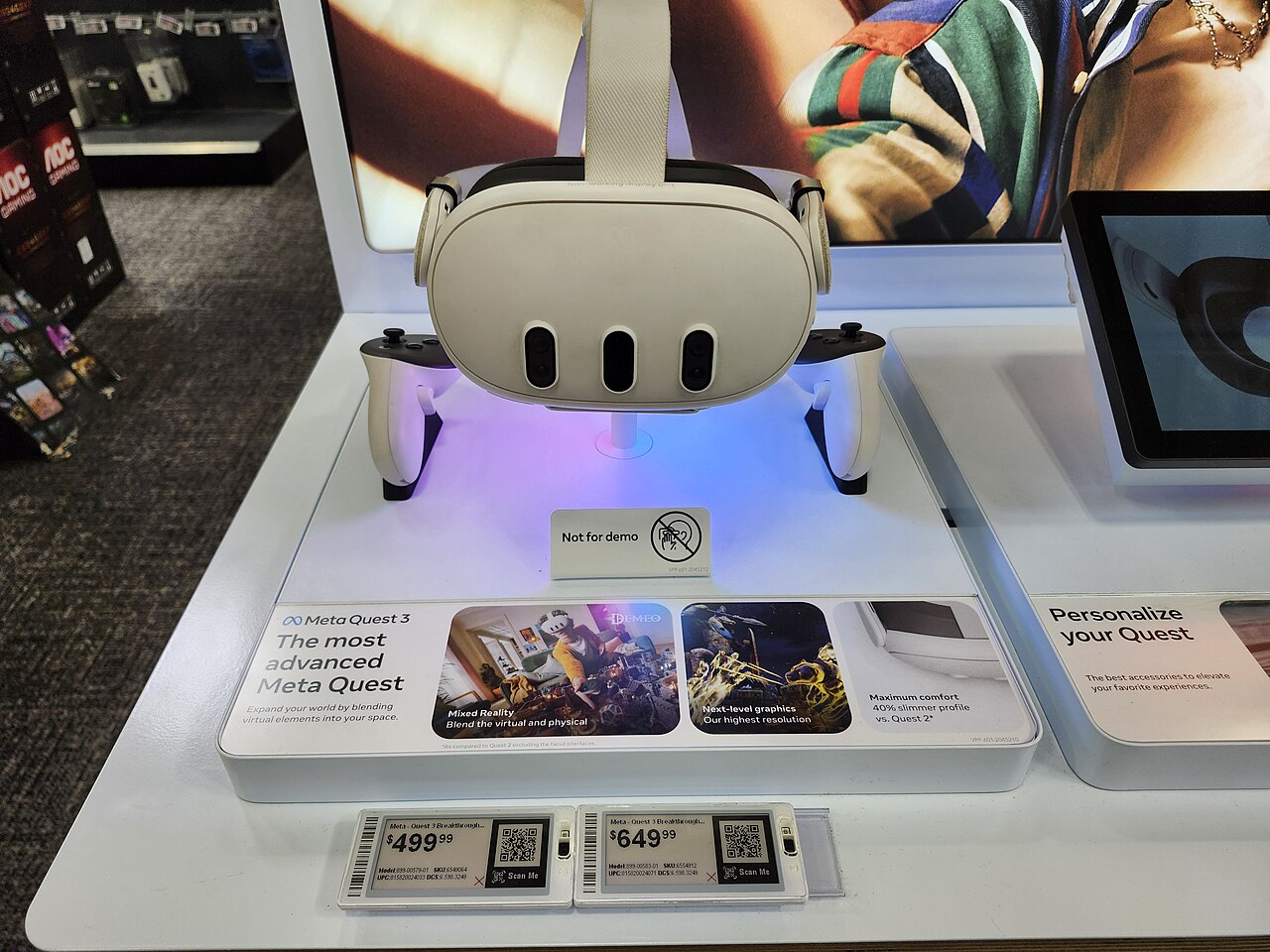
Read the requirements and you can feel the shape of the thing. You need your own installed copy of GTA San Andreas from Google Play, specifically version 2.11.311, ARM64, versionCode 4234641. Not a base.apk. The complete split set, pulled off an Android phone over adb, unmodified and unrenamed, still carrying Google’s original signing certificate, because the build wizard checks the signer hash and rejects anything that has been re-signed or merged. You need a separate archive of a specific PS2-style sound mod, because the audio the game needs is not in the Play Store APKs at all. You need Windows, Linux, or macOS. Around 15GB free on the computer and 6GB on the headset. Developer mode and authorized USB debugging on a Quest 3, which is the only headset supported.
Then the wizard makes you type the word INSTALL before it touches anything.
That last detail is the one I keep turning over. Somebody building a passion project in their spare time put in a confirmation prompt, a backup step for your saves, a printed action list, and a separate refusal to ever automate the destructive path. The repo ships no Rockstar assets, no prebuilt APK, no native binaries, no signing keys, and it says so in the second paragraph of the README. That is a cleaner legal boundary than plenty of funded software draws. It also tells you the author expected to be scrutinised.
About the AI part
The detail that got the story picked up is TechRadar’s line that GeT_RiCh used Claude to help write chunks of it. I have some complicated feelings about that phrase getting attached to everything right now, and I would rather look at what came out than argue about the method. What came out is an OpenXR layer, a loader, a validation toolchain, and MIT-licensed hand assets derived from UltimateXR, sitting in a repo with a NOTICE file and a documented project boundary. Whatever helped him write it, somebody still had to know what an API layer is, why the Play Store splits matter, and where the audio lives.
