

The transformation of K-pop from a niche subculture to a global phenomenon hasgiven its fans rare collective power in popular music: they can raise money for charity, mobilise political campaigns and turn unknown performers into global stars.
They can also turn those same networks into engines of online harassment against anyone they accuse of crossing a line. And the consequences can be deadly.
In August, a 26-year-old Japanese fan of boy group Enhyphen was found dead in her rented apartment in Seoul. She was well-known within the fandom, attending concerts and meet-and-greets and running social media accounts about the group.
She became the centre of a controversy after trying to catch a group member’s attention at a US concert. Footage of the moment quickly travelled through the fandom, and many construed it as attention-seeking behaviour and a breach of idol-fan boundaries.
The backlash quickly devolved into personal attacks and threats. The woman apologised but the attacks and attempts to dox her continued. Her family said after her death that she had been “deeply hurt” by critical comments online
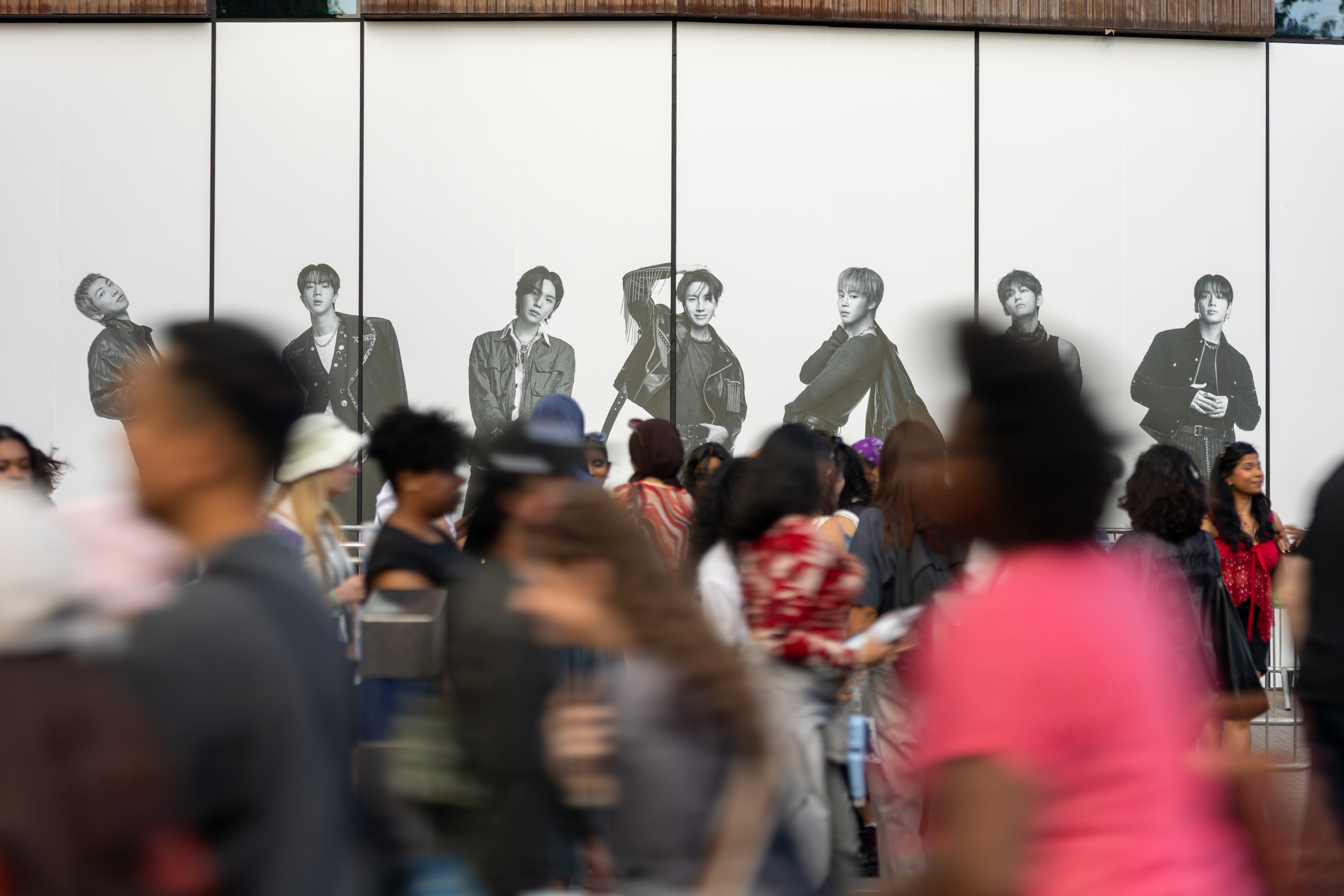
For many other fans, the hostility may have been less extreme but enough to push them out of fandom spaces.
A long-time BTS fan in her late 20s said social media had made it easier for fans to turn on each other from behind a screen.
At a college K-pop club, she found herself at odds with a member who refused to turn off a streaming bot used to inflate online views for a song. And on the internet, saying she disliked a new release was enough to get her called a “hater”.
“It was a pile-on of rude comments on Tumblr and Instagram,” she tells The Independent. “Lots of ‘Shut up, what do you know?’, sarcastic remarks about not having anything better to do with my life.”
Eventually, she closed her inbox and stopped participating in fan forums because she didn’t want to “deal with the rudeness over something tri
Black fans face an additional set of pressures. Many have spoken on social media about being called racial slurs or being doxed for calling out cultural appropriation in K-pop.
This has led to spaces like the K-pop Noir, a Reddit community for fans of colour to discuss racism and cultural insensitivity in the industry, but even they haven’t been spared. Moderators of the sub said that, as the community grew, members of other fandoms started swarming posts and trying to shut down conversations and users.
K-pop fans have also mobilised for good causes. They raised around $100,000 in Indonesia for people affected by earthquakes and floods, BTSfans raised $1m for Black Lives Matter to match the group’s own donation and Kpop4Planet used fan campaigns to successfully pressure companies over climate issues.
Fan wars, however, have been part of K-pop for decades, with rivalries between BTS’s Army and Exo’s Exo-L producing years of online brawls. Fan wars have even pulled people into conflicts they had little to do with. When Illit debuted in 2024, its alleged similarities to fellow girl group NewJeans quickly became a
The groups were managed by different labels under the same parent company, Hybe, and the legal dispute over whether Illit had copied NewJeans’s music, styling and choreography spilled over into fandoms. And as fans of NewJeansand Illit started fighting online, Le Sserafim was pulled into the dispute simply because it was another girl group under the same parent company.
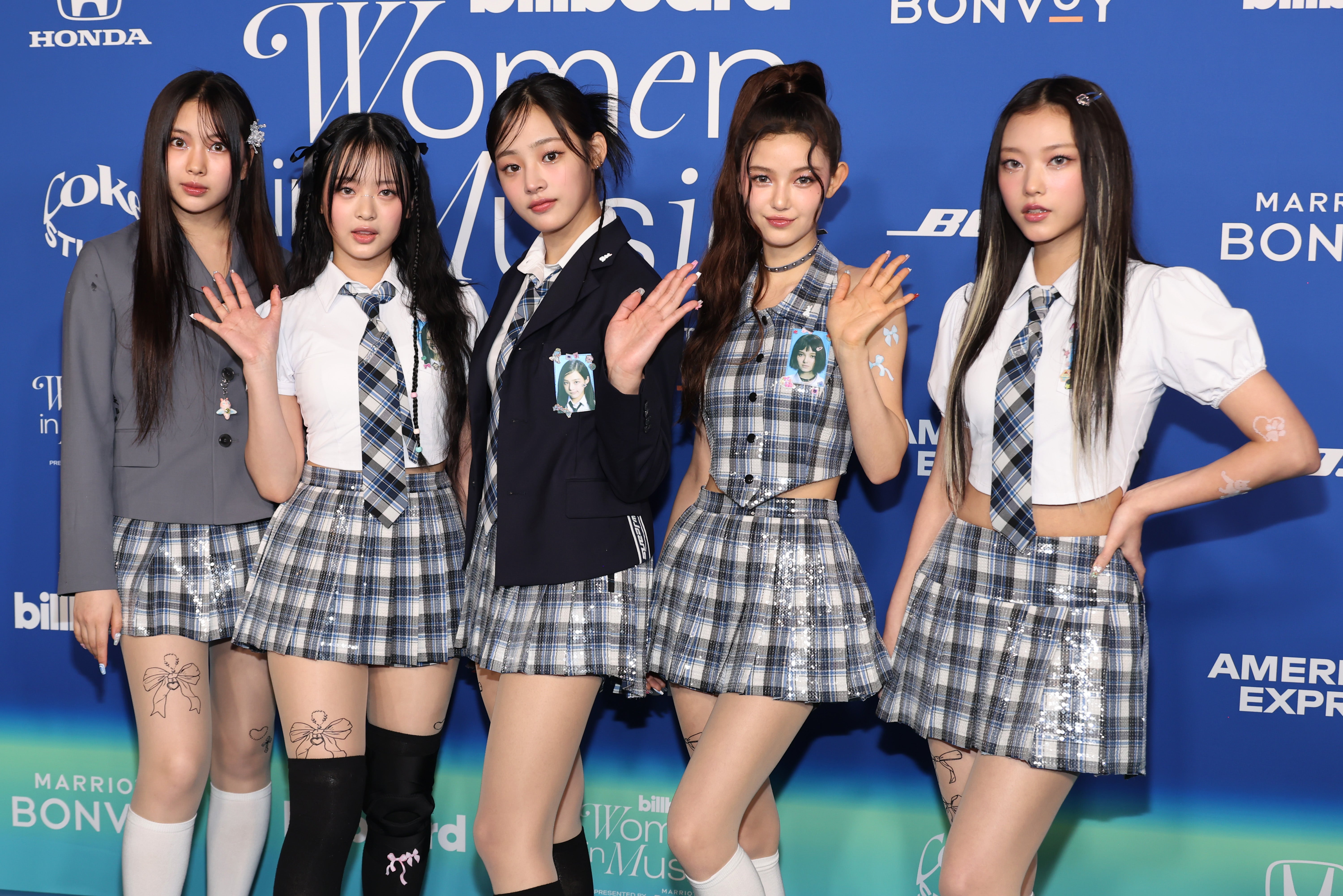
“The hate train towards Le Sserafim and Illit is probably the worst I have seen since I started listening to K-pop seven years ago,” a fan who was bulliedfor defending the groups online tells The Independent. “It started barely weeks after Illit debuted, so they didn’t even have a fanbase to defend them.”
Nearly two years later, fans are still fighting over whether Illit copied NewJeans, even though the latter group has been inactive for much of this time.
But why are K-pop fans so intense? Part of the explanation lies in what K-pop asks of fans in the first place.
For many fans, following a band means much more than just keeping up with new music. K-pop even has its own vocabulary – a new release is a “comeback”, a favourite member is a “bias”, an “anti” campaigns against an artist, a “solo” follows, usually to the chagrin of fandom, one member rather than the group.
Fans follow the schedules, livestreams and appearances of their idols, track charts and streaming figures, vote in awards, and buy multiple copies of albums, sometimes hundreds, to improve their chances of winning fan-sign places or boost their group’s numbers.
The business of fandom does not stop at music. K-pop stars sell fashion, beauty, and everything in between, through formal endorsements and by wearing or using products and services.
A limited-edition face mask endorsed by BTS sold all 2,000 boxes within three hours while beauty products that Jang Wonyoung of the group Ive was pictured using repeatedly sold out.
During a comeback, fan accounts can spend weeks coordinating streaming, voting and buying across time zones. The hours and the sense of investment add up, and the artist’s “win” becomes a collective achievement.
The intensity is built into how the K-pop industry operates. Unlike the conventional singer-songwriter model of Western pop, where an artist’s career and fandom typically remain separate, the K-pop idol is developed as a complete package of music, choreography, fashion, personality, and a carefully crafted relationship with fans.
Entertainment companies don’t just release music, they manage the artist and increasingly provide the platforms through which fans communicate with them, buy products, and access exclusive content.
That relationship is becoming increasingly intimate. Livestreams and subscription services like Bubble and Weverse give fans access to the daily lives and messages of their idols, sometimes in formats that resemble private conversations. Recent research describes this as the commercialisation of intimacy, where the feeling of closeness itself becomes part of what fans are buying.
Yena Lee, assistant professor in the Department of Media Culture at CUNY’s College of Staten Island, points out that K-pop fans tend to think of themselves less as “fans” and more as “managers”.
“This is a role the industry has cultivated and profited from for a long time,” she tells The Independent, explaining how chart shows, like Music Bank and Inkigayo, have made fan votes and album purchases part of the competition for a coveted No 1 trophy.
“Fans have spent decades learning and mastering the art of coordinating mass bulk buying, streaming, and voting to deliver that win to their idols. And with social media, it gave them a wider, more global reach. There are anonymous accounts run by fans that tell global fans how much they need to stream.”
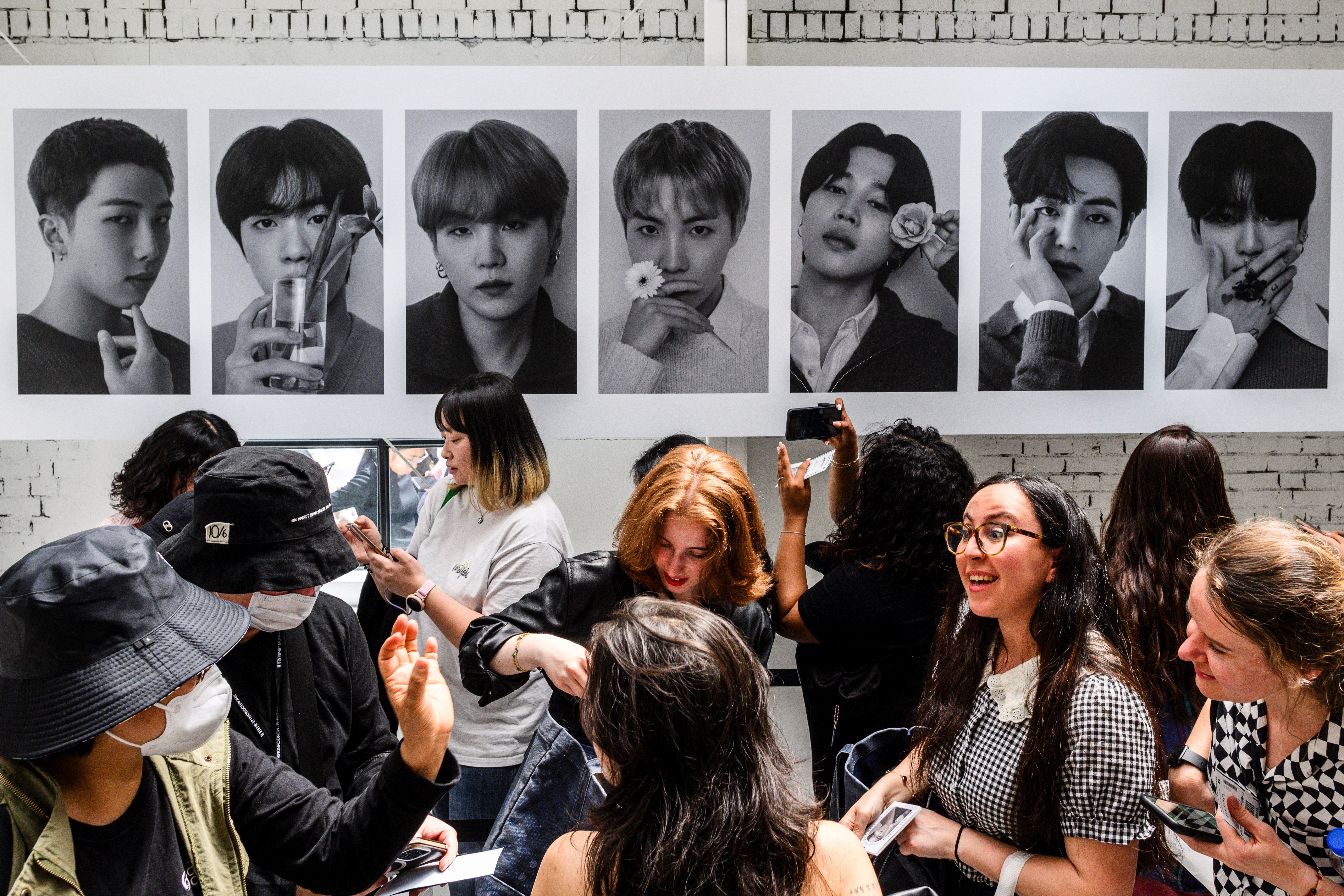
That effort matters when the window for a group to establish itself can be remarkably short. A 2026 study of 1,182 groups that debuted between 1996 and 2025 found that an average of 39 new groups entered the market every year while nearly 45 per cent disbanded within three years. The average group lasted just over four years.
Lee describes this as a “shielding mindset”, where fans come to see protecting idols as part of their role. The job of the protector comes with its own rules. “You have to support only one group, you have to be fans of all the members, not just one, and you have to stream religiously,” Lee says.
Breaking the rules can mean you are “no longer a fan”, Lee says, but the same logic applies to the idol. If fans believe a member “betrayed the group” or damaged its image, they demand the member leave.
Seunghan was pushed out of Riize after pictures of him with a woman and a video of him smoking as a minor led to backlash. Aespa’s Karina was forced to apologise after her relationship with actor Lee Jae Wook became public.
Former f(x) member Sulli was subjected to years of online abuse over her relationships, feminist views, and online posts. She repeatedly called out degrading language and “malicious comments” accusing her of doing drugs before dying of suicide in October 2019, aged 25.
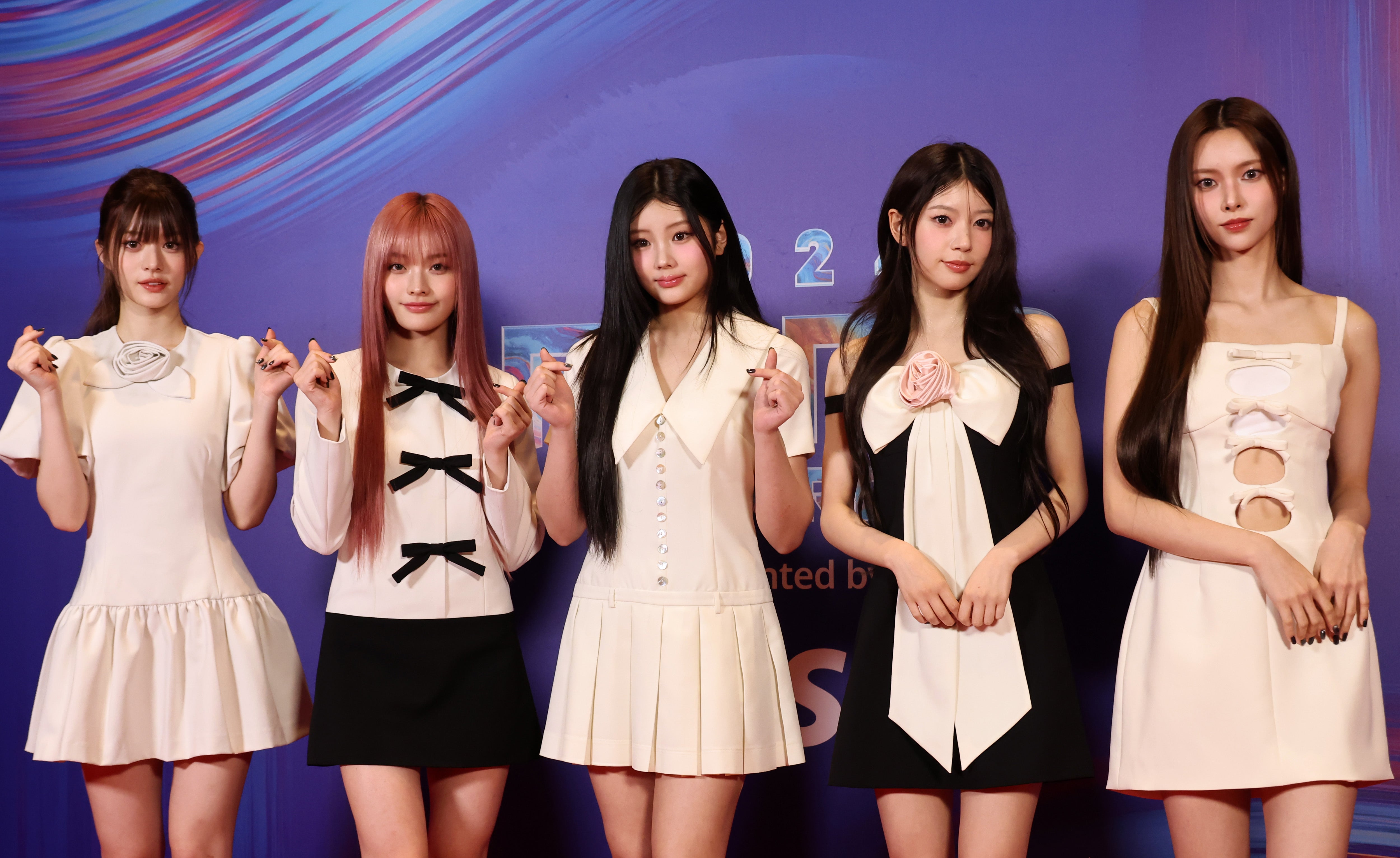
Since her death, entertainment companies actively monitor online communities to protect idols from abuse, even asking fans to mail in evidence of defamation, insults, and sexual harassment.
“It’s also about the way the idol system is set up. Every year, the debuting groups are getting younger, and what companies are selling is not just the intimacy, but also the promise of a success story. It also benefits them when fans are prepared to go to the extreme for the idols,” Lee says.
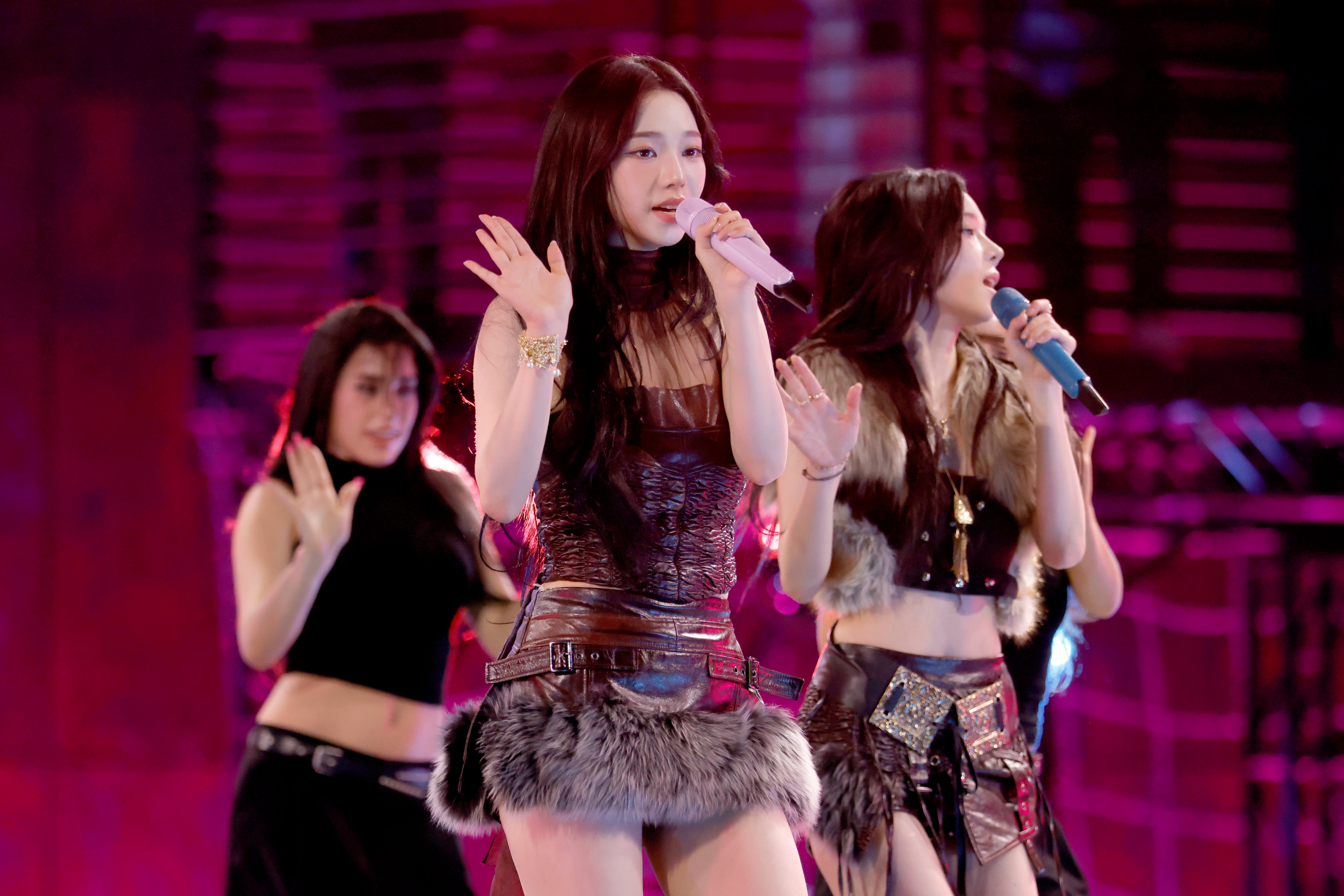
The near-fanaticism has made it harder to have critical conversations about the idols. In 2016, BTS was criticised over sexist lyrics and frontman RM later said that he had taken some of his lyrics to a women’s studies professor, who helped him understand “what it really means to be a feminist”.
Eight years later, the conversation is very different. When RM and J-Hope attended Chris Brown’s concert in Toronto in August, fans questioned the decision because of Brown’s history of violence against women and their continued silence about it.
A BTS fan described being “hounded” by fellow fans for trying to start a constructive conversation about the issue.
Said she had also seen creators and translators being run out of the fandom for allegedly showing “favouritism”.
“The fandom has changed dramatically, people are constantly walking on eggshells,” the fan tells The Independent. “I get upset when I see these fans harass others in the fandom. I want others to feel like it’s safe to have a voice and be a fan.”
The Illit fan described how the hate directed at her and the group made her consider abandoning K-pop spaces altogether.
But she is afraid of what would happen if she left. “What if another hate train starts and I’m not there to help defend from it?”
