

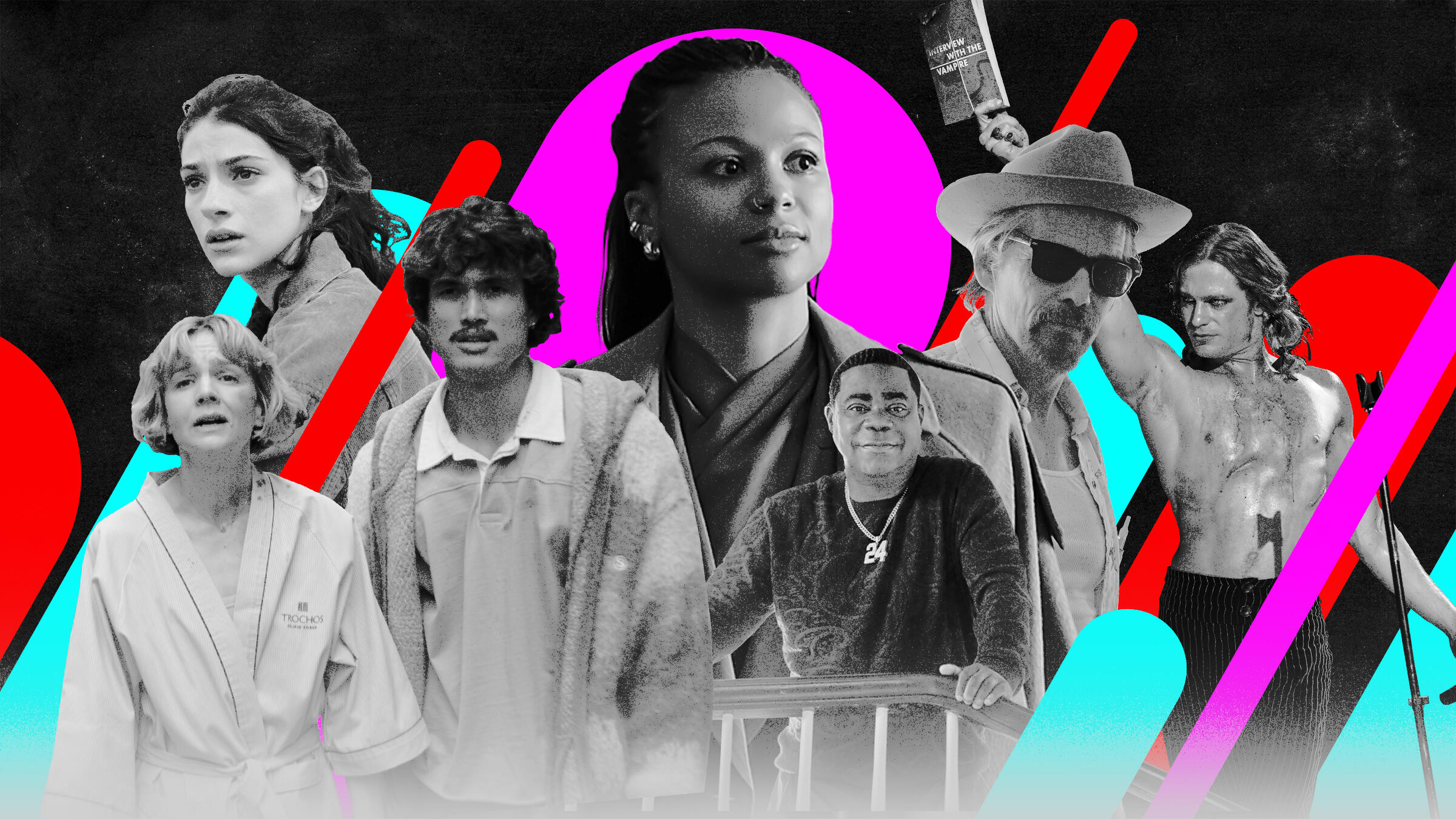
It’s hard to find a lot of common denominators among this year’s best shows. TV Guide’s 2026 favorites include a breezy teen drama, a gutsy superhero series, a mockumentary sitcom, and a glam-rock gothic horror show. We’ve got new shows, returning shows, limited series, and anthologies; a network comedy, a cable comedy, and a streaming horror comedy; gritty dramas and rambling mysteries; under-the-radar gems and Emmy winners. Give it up for a year with range.
But these shows do share this: They were all made by people. As artists fight for the future of the entertainment industry, it’s worth celebrating that the TV shows we love are creative collaborations between storytellers. The differences between these shows are a testament to their humanity. They have original ideas, distinctive voices, and unique perspectives. This list, handpicked by TV Guide’s writers and editors, offers our perspective on the series that stood out this year — and what made them great.
These are TV Guide’s picks for the 10 best TV shows of 2026.
Honorable mentions:Cupertino, DTF St. Louis, Furious, Margo’s Got Money Troubles, The Pitt
10. Adults (FX)
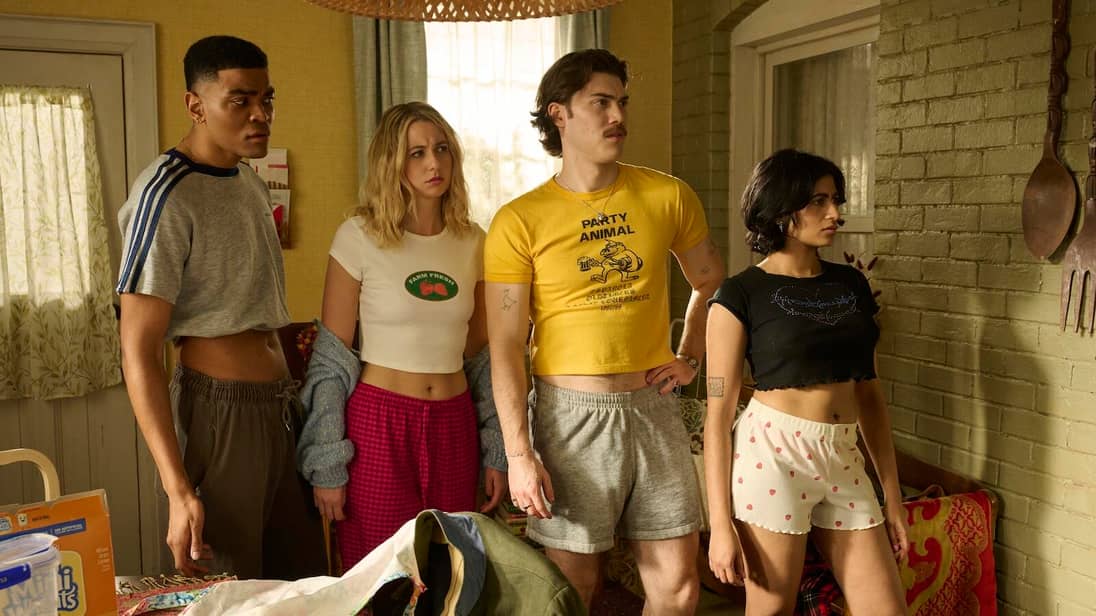
The first season of Adults was perfectly enjoyable, a nostalgic hangout comedy about a fivesome of friends living together in a house in Queens. But in its more absurd and much sharper second season, Ben Kronengold and Rebecca Shaw’s comedy molded itself into one of the funniest shows on TV. Embracing hokey sitcom tropes rather than shying away from them — down to the canned applause track that plays when Anton’s (Owen Thiele) sister is revealed to be played by none other than Raven-Symoné — proved to be the best possible move, as the show put its own spin on a drug trip episode when it sent the group chasing after a raccoon trapped in the house, and a room-swap plot escalated to Samir (Malik Elassal) and Paul Baker (Jack Innanen) making a scene at a sperm bank. The jokes came faster and the actors dug deeper into their characters’ idiosyncrasies, settling into each adult’s individual strangeness, to great comedic effect. This season really was one for all the weird little guys out there. -Allison Picurro
9. Spider-Noir (Prime Video)
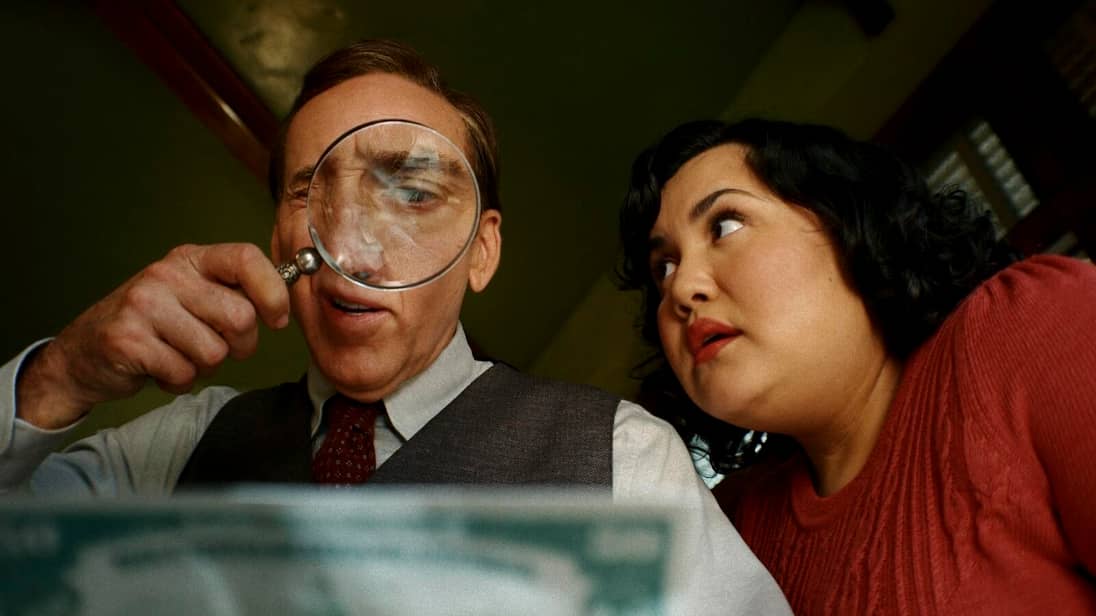
I have but one question for everyone who had a hand in canceling Spider-Noir after its first (and, apparently, only) season: Why? We get approximately 500 superhero shows per year, but none of them has ever come out of the gate as bizarrely gutsy as this Nicolas Cage -led series about the aging, down on his luck private investigator Ben Reilly, who moonlights as a masked vigilante known only as The Spider. Spider-Noir was a product of Sony’s Spider-Man Universe, existing outside the continuity-obsessed parameters of Disney’s Marvel Cinematic Universe, which granted Oren Uziel’s series the space to do whatever the hell it wanted. It indulged in body horror, it delighted in playing around with clichés typical of the superhero and noir genres, it gave Cage ample space to do Nicolas Cage. Presented in both “authentic black-and-white” and “true-hue” technicolor, the series offered viewers two vastly different experiences: one moody, like a classic film, and one surreal, like a comic strip. Boasting excellent supporting turns from Lamorne Morris and Li Jun Li, Spider-Noir was one of the most genuinely unique shows to grace our screens in 2026. As frustrating as it is to see it meet this fate, it’s sort of fitting that a show about a guy who could never truly fit in was so misunderstood. -Allison Picurro
8. Half Man (HBO)
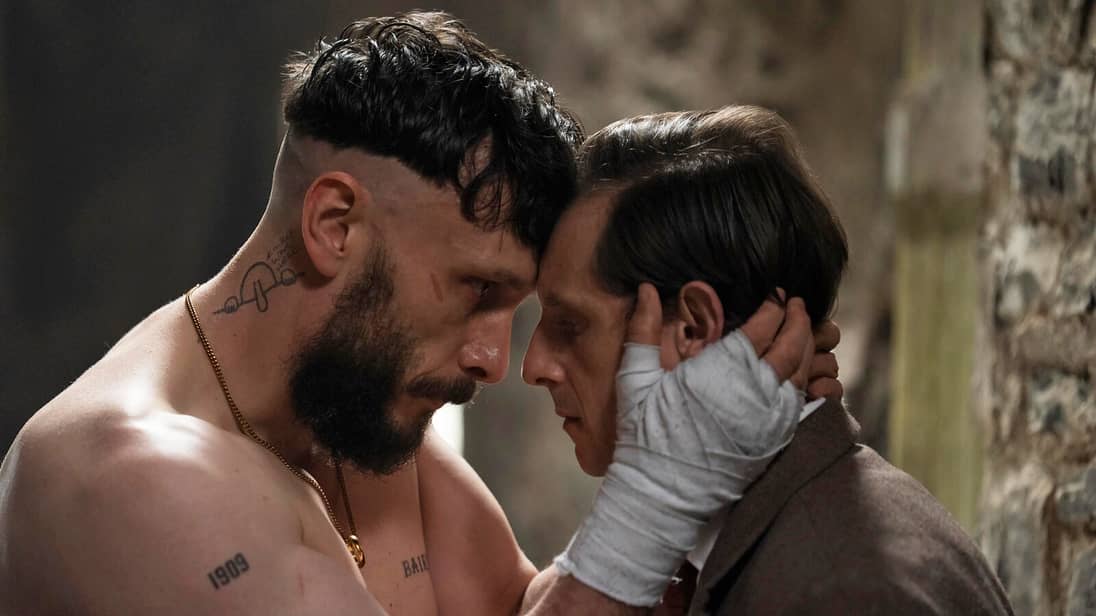
There’s no way around it: Half Man is not an easy watch. But Baby Reindeer creator Richard Gadd’s HBO drama shouldn’t be, especially when it’s committed to peeling back the layers of masculinity. The series follows Ruben Pallister (played as an adult by Gadd and as a teen by Stuart Campbell) and Niall Kennedy (played as an adult by Jamie Bell and as a teen by Mitchell Robertson), two brothers who love each other but never find the right words — or the courage — to express it. The show is anchored by superb performances from its four leads. Robertson’s doe-eyed, closeted Niall contrasts with Campbell’s raw and animalistic Ruben, giving the pair a magnetism that’s immediately convincing. Meanwhile, Gadd entirely transforms from his breakout role in Baby Reindeer, and Bell delivers a singular performance as a man imprisoned by internalized homophobia and external noise. Ruben describe Niall best: “You’ve wasted your whole life dancing to other people’s tunes instead of marching to the beat of your own drum.” Unflinching in its exploration of sexual violence against men, Half Man establishes Gadd as one of the most daring writers of our time. It boldly questions what makes a man a man and to what extent that definition is distorted by pain, trauma, and societal norms. -Kat Moon
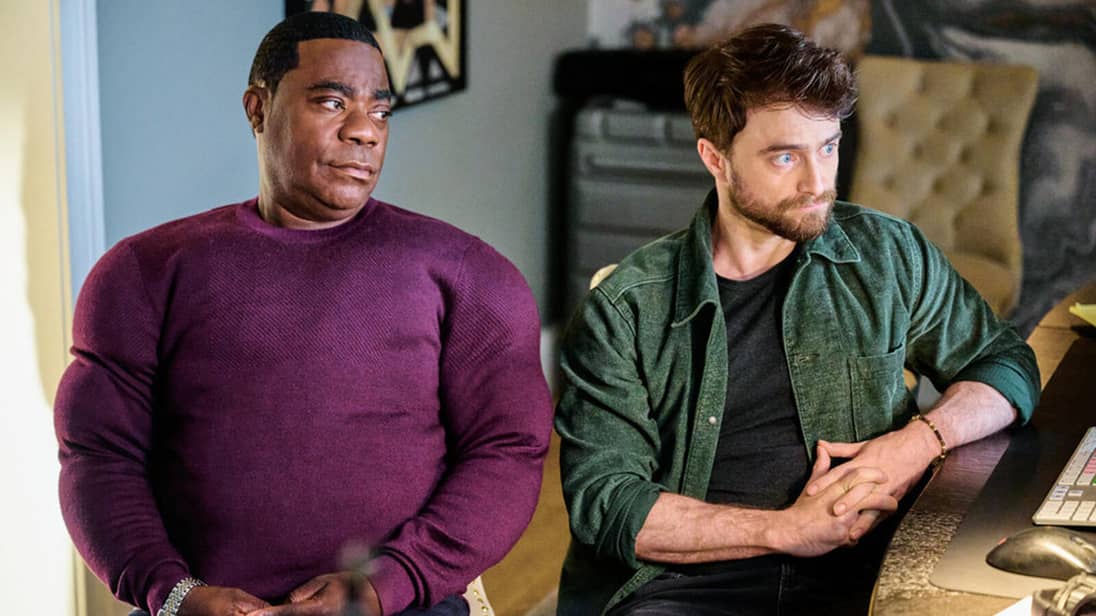
7. The Fall and Rise of Reggie Dinkins (NBC)
There are entire TV shows that will never be as funny as the mere idea of a network sitcom starring Tracy Morgan and Daniel Radcliffe is. But The Fall and Rise of Reggie Dinkins, created by 30 Rock alums Robert Carlock and Sam Means, isn’t content to coast on its diabolically good cast; it’s also a real joke machine. Morgan and Radcliffe — playing disgraced former NFL player Reggie Dinkins and disgraced director Arthur Tobin, respectively, who team up on a documentary they hope will rebuild both of their careers — are an inspired sitcom odd couple, giving the show enough range to poke equal amounts of fun at Jets fans and the state of showbiz. And they aren’t even Reggie Dinkins‘ only odd couple. So far, the ensemble seems capable of producing endless combinations of unlikely but lovable duos, including Precious Way and Erika Alexander as the two most important women in Reggie’s life, not to mention the instant-hit pairing of Radcliffe and guest star Megan Thee Stallion. Does FDNY: Chicago have that? -Kelly Connolly
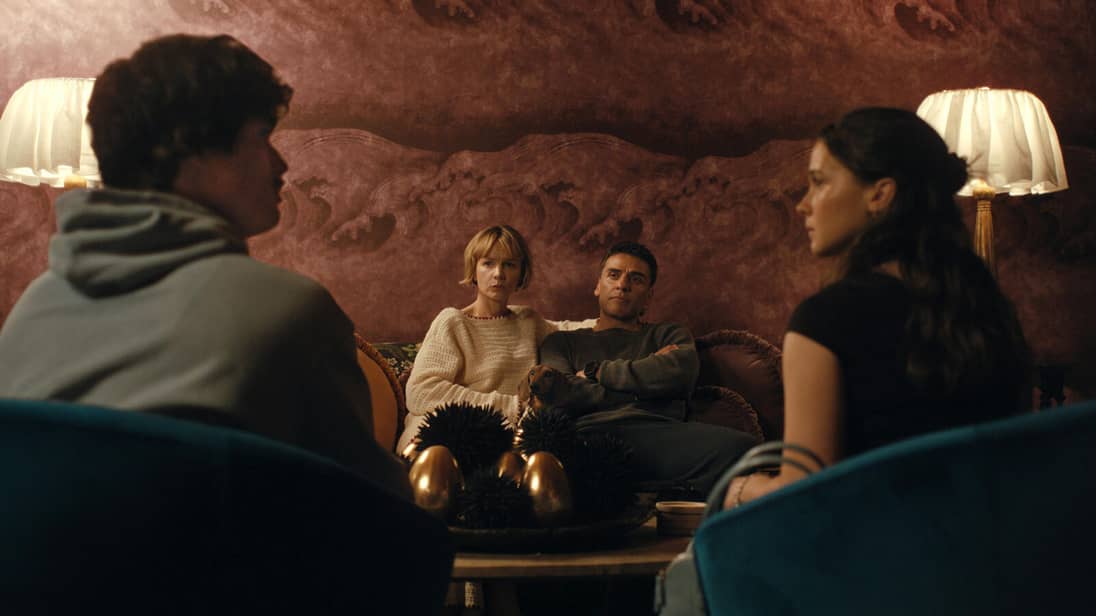
6. Beef (Netflix)
At first glance, the “beef” in Beef Season 2 is the conflict between millennial spouses Josh (Oscar Isaac) and Lindsay (Carey Mulligan) and the Gen Z couple blackmailing them. Josh is the general manager of the exclusive Monte Vista Point Country Club, and his authority is threatened when Ashley (Cailee Spaeny) and Austin (Charles Melton), two low-level staffers, secretly record a heated argument between him and his wife. But as fractured as that boss-employee dynamic becomes, it’s the strife within each of these couples that the show really sinks its teeth into. The second installment of Lee Sung Jin’s anthology series leans deliciously into satire as it depicts the unraveling of the two relationships — one a jaded, long-term marriage and the other a rose-tinted, year-and-a-half-long romance. As the couples grow apart, it’s clear that Beef doesn’t believe that wealth, power, and love can coexist. And while this season is marked by meaty performances from all four leads, it’s elevated by the inclusion of Song Kang-Ho and Youn Yuh-Jung, juggernauts in the Korean film industry who inject depth and humor into every scene — and raise the stakes. -Kat Moon
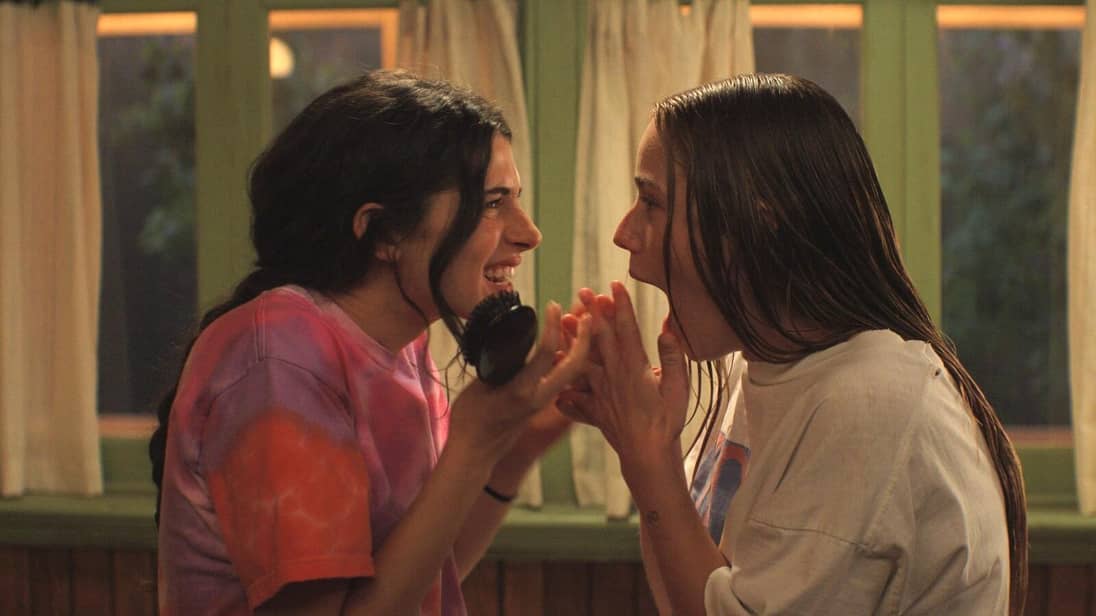
5.Sterling Point(Prime Video)
A show’s brilliance isn’t always noticeable in a vacuum. Case in point: Prime Video’s sublime Sterling Point looks like any other YA drama on the surface and could easily be mistaken for another show about a young woman who packs her bags and heads north to a coastal town to find all the things youngsters yearn for — first loves, freedom, herself. But after seeing how Prime Video’s The Summer I Turned Pretty and Netflix’s Crew Girl treat their characters, and, more importantly, their viewers, like old children bungling the simplest of tasks, it’s eye opening to see Megan Park’s Sterling Point treat them like who they actually are: young adults stumbling through new boundaries of identity and responsibility. Yes, over the course of the first season, 17-year-old New Yorker Annie Jacobson (Ella Rubin, an instant star) has sex for the first time, drinks irresponsibly, and gets caught between two suitors on a Canadian getaway island, all hallmarks of generic YA fare. But it’s her search for information on her deceased adoptive mother and the truths she uncovers — namely that she has a half-sister (Amélie Hoeferle) whom her family was keeping secret from her — that help her discover literally who she is, not just how she reacts to newfound freedom. Her new friends are going through it, too, and the show’s wistful portrayal of these freshly forged connections, set against the backdrop of vacation, cuts deep and rings true for everyone who has longed for that summer to remember. Illuminating, emotional, and funny, Sterling Point — which accomplishes the rare feat of speaking to both adults and teens — is YA all grown up. -Tim Surette
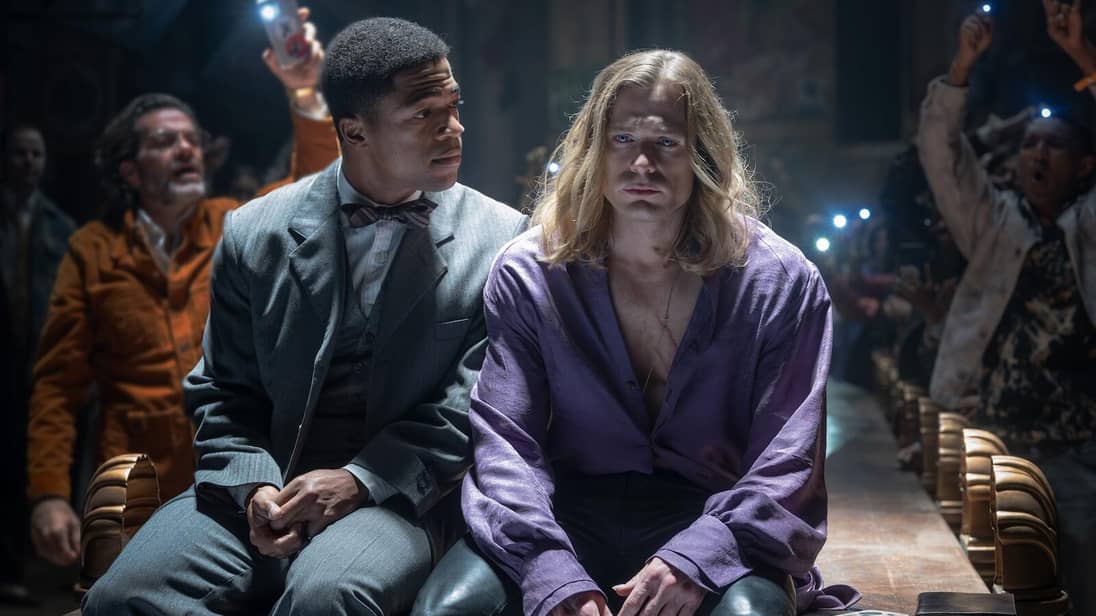
4. The Vampire Lestat (AMC)
It was a bold, polarizing decision to take the carefully constructed, lyrically written gothic world of Interview with the Vampire and blow it all up, leaving the unabashedly strange and sprawling Vampire Lestat in its wake. But if there were ever a character likely to demand such a dramatic rebrand, it would be Sam Reid’s Lestat de Lioncourt, who shifted from a supporting character in Louis’ (Jacob Anderson) story to the unwieldy narrator of his own tale. TVL brings Lestat into the modern era — some of the biggest laughs of the season come via unexpected references to everyone from Drake to Joey Chestnut — as he embarks on a poorly selling tour with his band, which allows an absolutely on-fire Reid and composer Daniel Hart to deliver some genuine bangers, taking us the deepest we’ve ever gone into Lestat’s labyrinthian psyche. His complicated and, yes, incestuous relationship with his mother Gabriella (Jennifer Ehle) is explored, as is his lingering regret over Claudia’s (Delainey Hayles) death. He aches for Louis, but Lestat’s resentment over the portrait Louis painted of him in Daniel’s (Eric Bogosian) book takes precedence. And so he addresses his feelings in the only way he knows how: by screaming them out via song, showboating under stage lights and pretending not to care very much at all, like the rock star he yearns to be. As the season spun forward, it became increasingly clear that although TVL was a very different show, it had all the same interests as IWTV: Can we trust our own memories? What happens to a traumatized, grief-addled brain when it has no choice but to exist forever? Is an immortal being destined to be anything but debilitatingly lonely? The Vampire Lestat refuses to give any easy answers, and it’s all the better for it. -Allison Picurro
3. The Lowdown (FX)
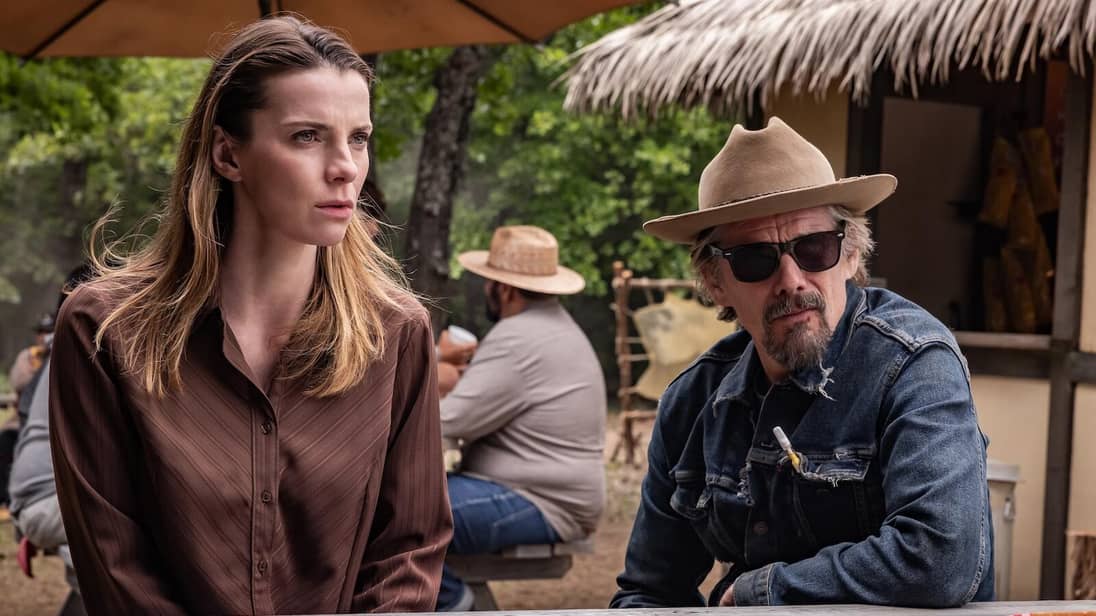
Watching The Lowdown Season 2 is enough to make you believe in miracles. It certainly feels like one that a show so zany and shaggy not only got to exist within the modern TV landscape in the first place but also got to come back for more. Much like the first season of Sterlin Harjo’s Tulsa-set noir, there’s a mystery at the center of The Lowdown‘s second season — a man named Mekko (Eddie Spears) has inexplicably gone missing in prison — though solving the whodunit isn’t what this show is about. Yet again, the series’ indefatigable self-appointed detective Lee Raybon (Ethan Hawke, tremendous in this role) is in dogged pursuit of the truth, but the show around him forces him to slow down, relying on patient storytelling rather than easy answers. Season 2 sends Lee on side quests that involve a guy named Chili Franks (Paul Schneider), and an unfortunate encounter with raw milk, and a road trip with his estranged father (played by a sensational Tommy Lee Jones, who they’ve got delivering lines like, “It takes an evolved man to orgy”). The Lowdown weaves its supporting cast of characters in and out of the story in a way that echoes everyday life in a real community, and opens pocket doors to other mini universes within its very colorful world. The instant sparks that fly between Lee and Ginger, a local defense attorney played by a never-better Betty Gilpin, inject new life into an already incredibly lively show as Lee finally meets his match. The Lowdown wants Lee to get to the bottom of what happened to Mekko, but it also knows that making sense of what happened to one disenfranchised person is guaranteed to crack open a larger story about societal rot. This is what plagues Lee every day of his life. Nothing is more important to Lee Raybon than the truth, but the show around him is more interested in the journey than the destination. And the journey is good. -Allison Picurro
2. Widow’s Bay (Apple TV)
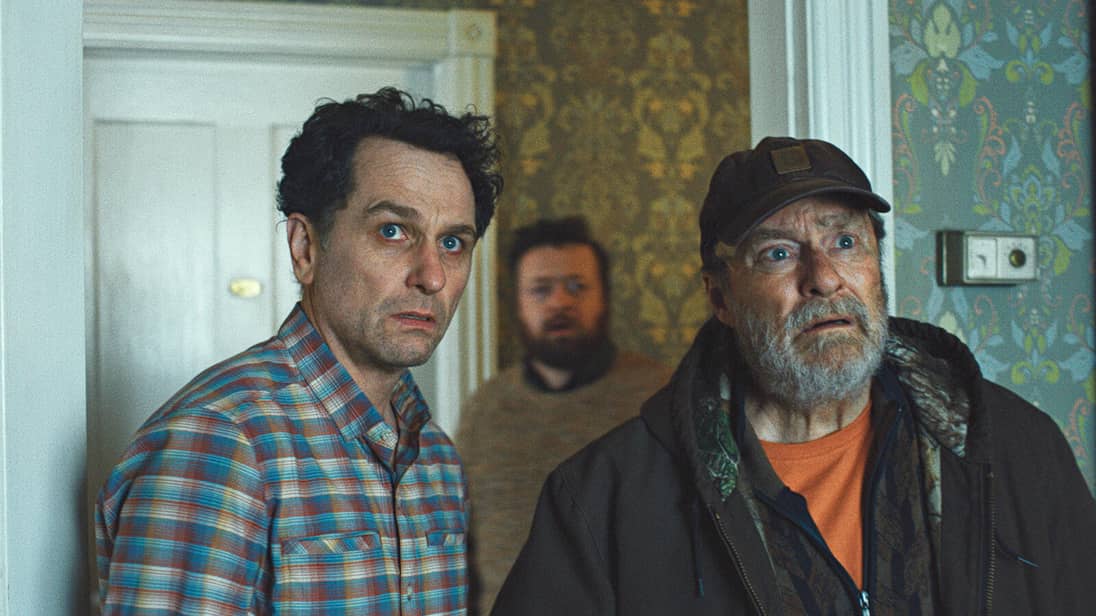
They had me at “Except for the teeth.” Before the buzz, before the Emmys, before TV devotees everywhere agreed that Widow’s Bay is this year’s best new series, Katie Dippold’s horror comedy was something even more thrilling: a surprise. It’s the rare show that manages to be both absurdly funny and unsettlingly scary, usually at the same time. But while its singular tone keeps it fresh, there’s also a throwback charm to it, and not just because people call each other on landlines. Widow’s Bay, the story of an island plagued by a centuries-old curse that manifests in strange ways, is a monster-of-the-week show, a show with a mysterious mythology to unravel, a show about a weird small town. It’s got everything that makes TV fun. Director Hiro Murai builds Widow’s Bay into an eccentric community that feels like it has its own history. Star Matthew Rhys, as the island’s stubborn mayor, segues from Buster Keaton-style pratfalls to anguish as his character first denies the curse and then grows desperate to lift it. Beloved character actors confront nightmares, or cause them. In an era of second screens, here, finally, is a show that’s meant to be watched. Keep your eyes peeled in every scene for a bizarre board game, a sinister poster on the wall, a calendar with a photo that’s just not right. Widow’s Bay expects you to give it your full attention, and perhaps prepare a sacrifice in its name. You’ll be rewarded. -Kelly Connolly
1. Industry(HBO)
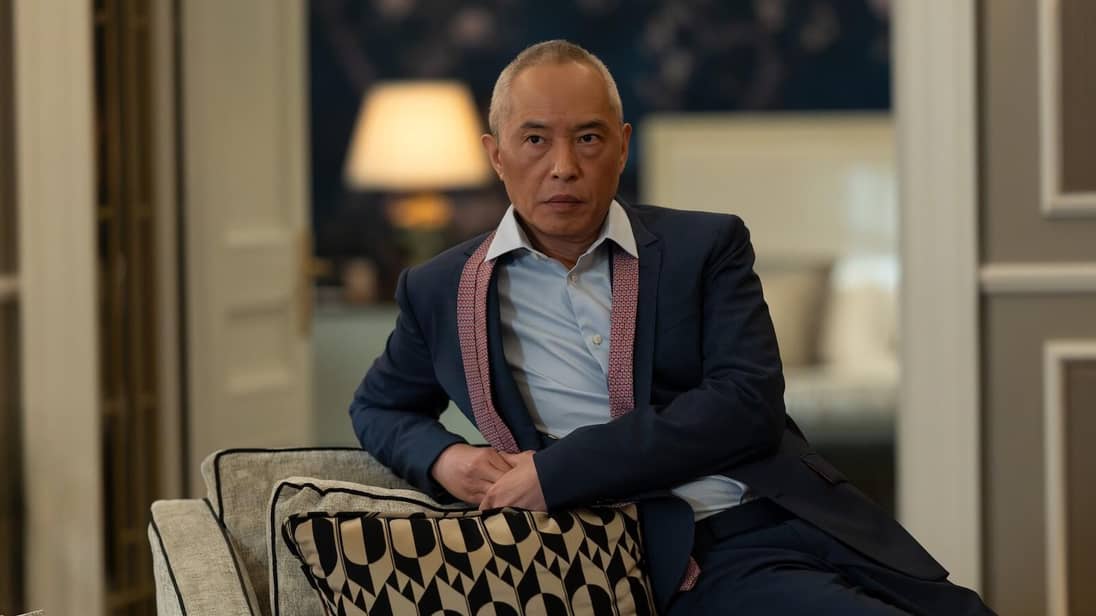
Few shows are better at reinventing themselves than Industry. Mickey Down and Konrad Kay’s finance drama has made a habit of changing everything for its characters in each season finale, only to be born anew by the time it returns. Its spellbinding fourth season — Industry‘s best so far — is no exception: With Pierpoint & Co., the London investment bank around which the series was formed, sold and stripped for parts, the ensemble starts the season scattered, with Harper (Myha’la) itching for more than her new job permits; Yasmin (Marisa Abela) already growing resentful of her new husband, Kit Harington’s Sir Henry Muck; and a retired Eric (Ken Leung) languishing on the golf course. The introduction of Max Minghella’s Whitney Halberstram (Industry is also incredibly good at character names), the scam artist cofounder of a shady tech company, is what gets the ball rolling, pushing the characters back into each other’s lives. While the first three seasons saw them all clawing their way forward in pursuit of money and power, Season 4 is curious about what happens after you get all that you allegedly want and still aren’t satisfied. It asks its biggest question via a very Mad Men -esque needle drop: Is that all there is?
To that, Industry‘s characters say no. The characters’ newfound success sharpens the show’s focus, turning the fourth season’s eight episodes into a thrilling excavation of class and identity, pitting old money against new money. A sense of dread hangs over every interaction, even before actual danger begins to manifest late in the season. There is something distinctly not right about the situations the characters find themselves in, as the show trades the familiar evils of Pierpoint for much darker realities. And still, Industry is keenly aware of exactly what makes it so special, using Harper’s loneliness as a springboard to get the band back together, so to speak. She’s never been able to successfully extricate herself from Eric and Yasmin’s lives, nor does she particularly want to, and her relationships with them form the two ventricles of the show’s beating heart. The formation of SternTao, Harper and Eric’s new firm, allows Harper to work with her mentor, Eric, and find her way back into her frenemy Yasmin’s orbit. By the end of the season, each of those people has once again shattered her, as they are wont to do, leaving her standing in the wreckage as the show heads into its fifth and final season. Pierpoint may be dead, but Industry has never felt so alive. -Allison Picurro
