

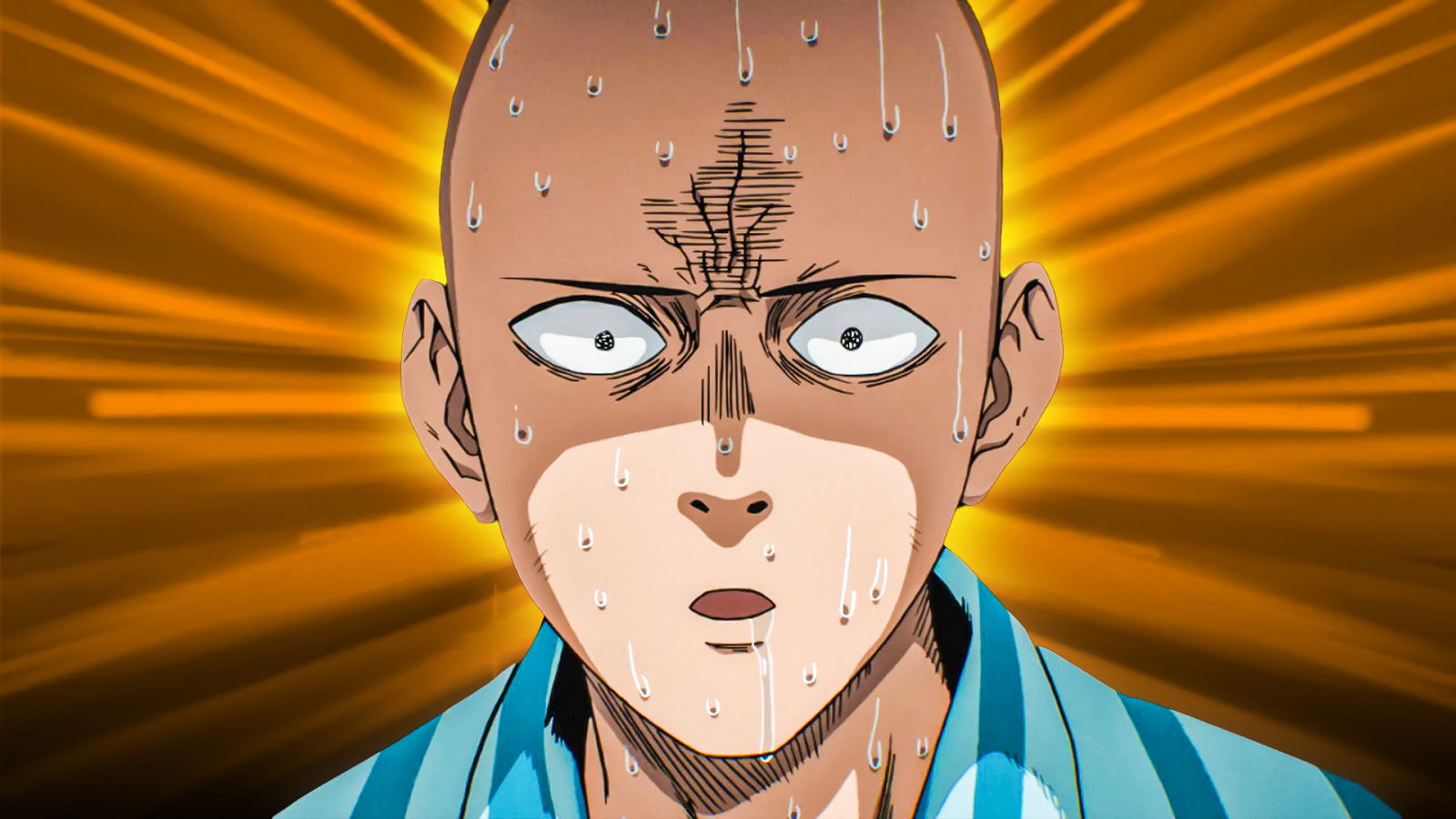
Sony Pictures may have an unexpected marketing problem with its live-action One-Punch Man movie. A post circulating on X has drawn attention to manga artist Yusuke Murata’s apparent endorsement of artificial intelligence, creating an uncomfortable association for a franchise celebrated for its hand-drawn artwork:
‘One Punch Man’ Artist Yusuke Murata comments on AI:
“When it comes to generative AI, it seems like most people—whether they’re actually using it or just observing from the sidelines—think of it as “something to make life easier” or “something to cheat (or steal) with,” and I get the feeling that not many people see it as “the best teacher.” Or maybe I’m just not seeing those perspectives on my timeline.”
— Anime Tokki (@AnimeTokki) October 31, 2026
The issue is bigger than one artist’s personal preference: generative AI has become a divisive subject across Western creative industries, while the data centers powering it face growing scrutiny. Sony must now consider whether Yusuke Murata’s public position could complicate the way it presents the adaptation to audiences overseas.
Sony’s One-Punch Man Movie Faces a Western Marketing Problem
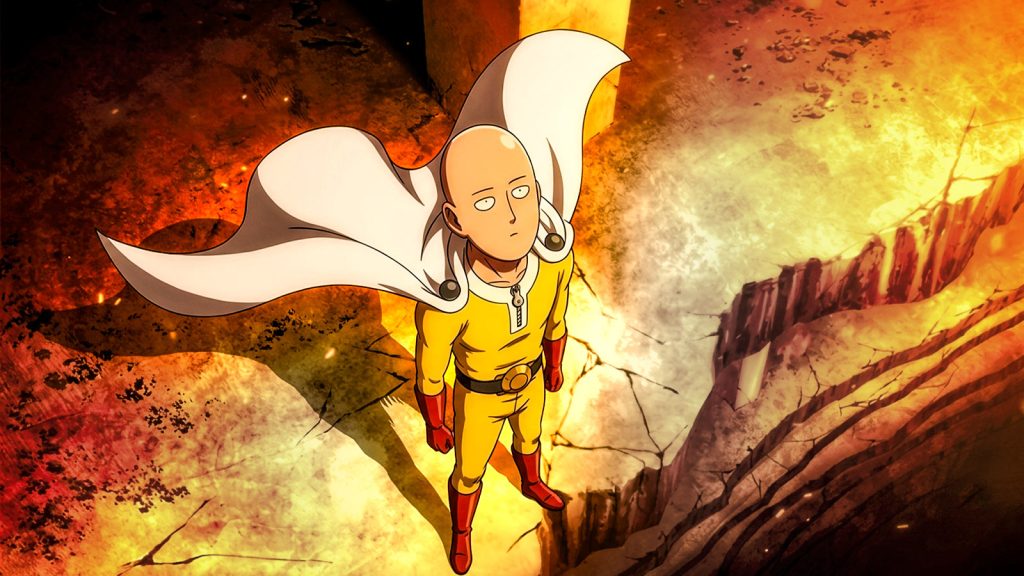
Sony announced its live-action One-Punch Man adaptation in 2020, with Scott Rosenberg and Jeff Pinkner attached to write and Avi and Ari Arad producing. Justin Lin was subsequently reported to be attached as director, while later reports discussed further screenplay work. These are development updates, not confirmation of the film’s current production status, and Sony has not announced an official release date.
The studio’s challenge is to sell audiences on a Hollywood take that captures what makes Saitama’s story work. One-Punch Man combines absurd comedy, spectacular battles, and a hero whose overwhelming strength is also thed with Murata’s highly detailed illustrations, making the AI conversation especially awkward for a live-action adaptation carrying the franchise’s name
If the controversy grows, Sony could find its promotional campaign pulled toward questions unrelated to the finished movie. Instead of discussing casting, action sequences, or the filmmakers’ approach, the studio may have to address the wider debate over AI and creative work. That challenge is particularly relevant in the West, where opposition to generative AI overlaps with concerns about copyright, creative jobs, electricity consumption, water use, and the expansion of data centers.
Sony would be better served by explaining the film’s actual production process and highlighting the human craft behind it. If AI tools are involved, vague statements about innovation may not satisfy people who want to know how those tools are being used. The studio cannot control Murata’s public position, but it can be clear about its own decisions.
Yusuke Murata’s Apparent AI Support Draws Widespread Backlash
Credits: Shueisha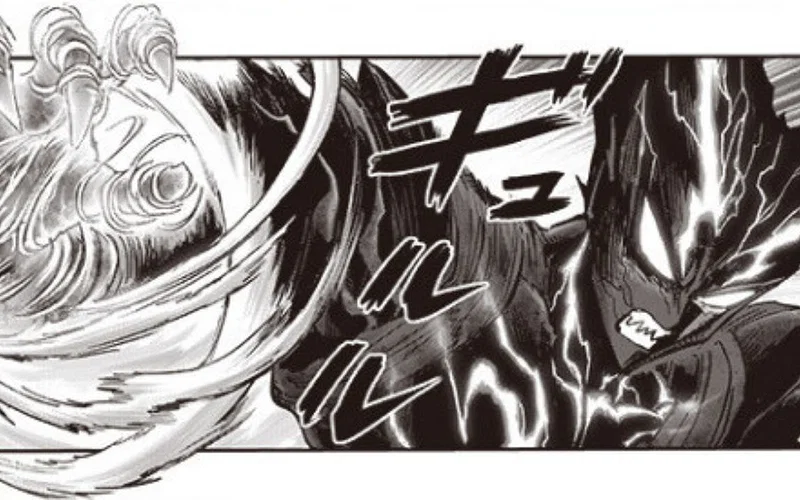
Credits: Shueisha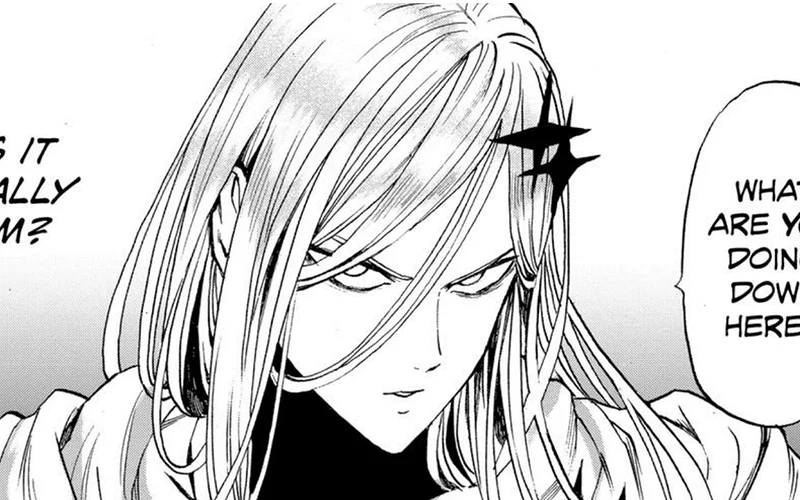
Credits: Shueisha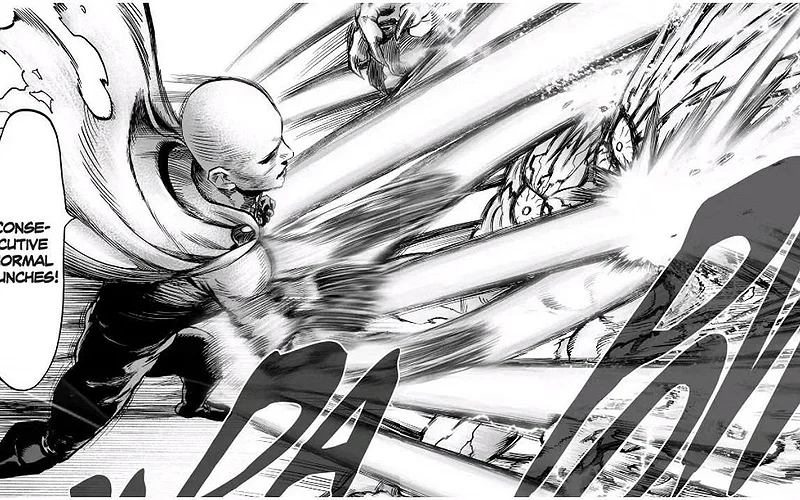
Credits: Shueisha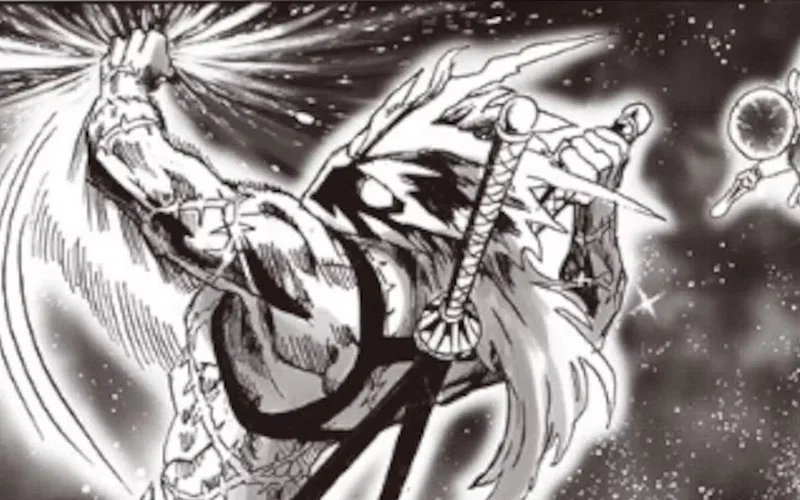
Credits: Shueisha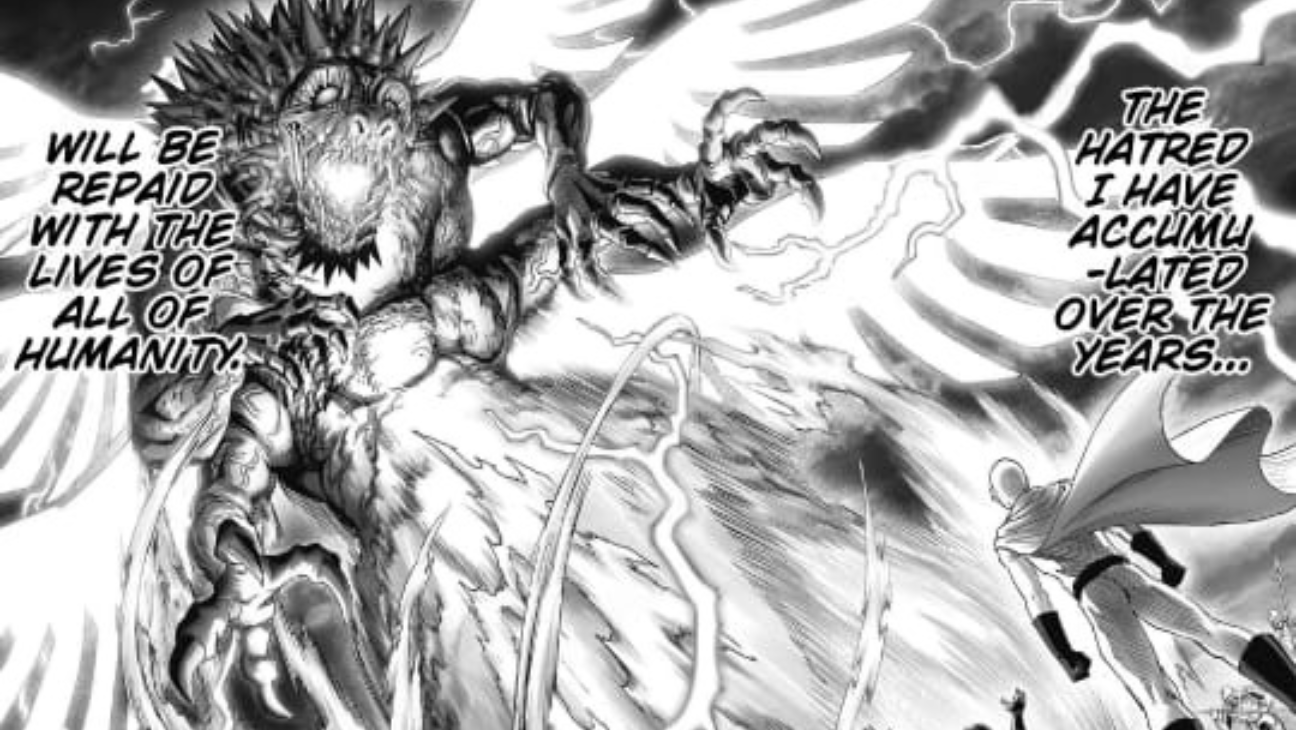
Credits: Shueisha
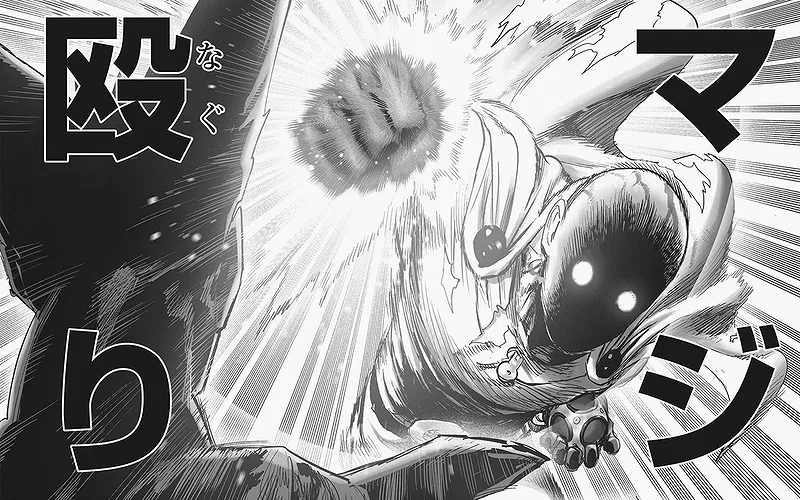
The discussion centres on Murata, whose illustrations helped define the manga’s visual identity. The original One-Punch Man webcomic was created by ONE, while Murata illustrated the manga adaptation. VIZ’s official series page credits both creators, distinguishing ONE as the original creator and Murata as the illustrator.
When it comes to generative AI, it seems like most people–whether they’re actually using it or just observing from the sidelines–think of it as ‘something to make life easier’ or ‘something to cheat (or steal) with,’ and I get the feeling that not many people see it as ‘the best teacher.’ Or maybe I’m just not seeing those perspectives on my timeline.
– Yusuke Murata
That is the detail likely to make the situation uncomfortable for audiences who see generative AI as a threat to artists and the value of original creative work. Murata’s association with a visually distinctive manga makes the apparent endorsement particularly striking: the series is celebrated in large part because of the craft and detail of its artwork. The backlash also sits within a broader argument about how AI systems are developed and deployed. Artists have objected to models trained on creative work without permission, while others worry that companies could use the technology to reduce their reliance on paid creative professionals.
The data-center question widens that divide: it is becoming harder for entertainment companies to keep the subject at arm’s length. Large facilities require substantial electricity and, in some locations, significant water resources. Their construction has prompted local concerns about infrastructure, environmental pressures, and who benefits from the expansion. For people already opposed to the rapid growth of AI like Miyazaki, an endorsement from a prominent manga artist can become another reason to question the industry.
What are your thoughts on the whole AI-related controversial backlash created by Murata’s comments? We’d love to know your opinions in the comments below.
FW Standards: Trust Principles
As an Amazon Associate, FandomWire earns from qualifying purchases.
Shop our editorial picks on Amazon →
What connects today’s five clues?
Guess the connection early and prove you got the Gist.
Free to playNo sign-upNew challenge daily
Play Gist
Edited by:Souhardya Choudhury
