

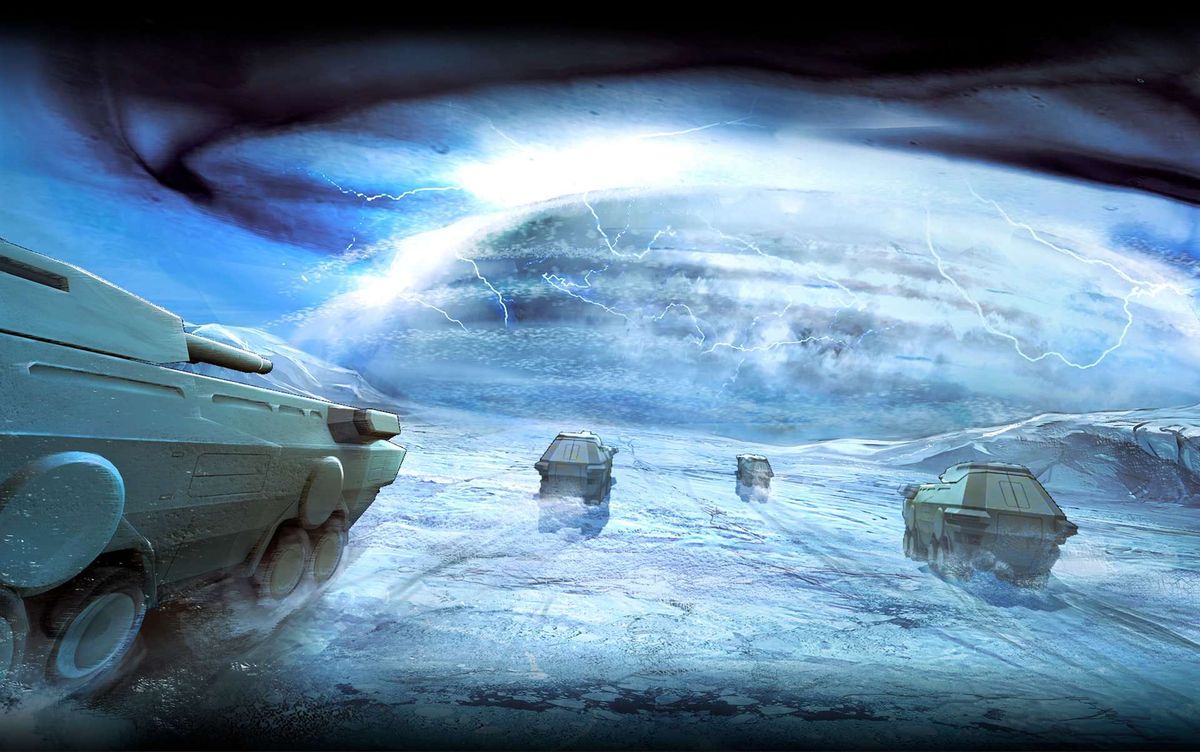
Video games seem the unlikeliest place to find intellectual commentary about humanity‘s strain on both the environment and itself.But no matter what it seems, nuanced video game stories and experiences that ask moral and philosophical questions to harden their audience’s values are released to wider reception every year. Any piece of art that wants broad success while challenging its audience’s thoughts will ask the hard questions but never give a “true” solution.
The thought experiment is for you to ponder for months and years until you decide what you truly believe, and suddenly a moral quandary in a video game has permanently forced you to gain a personal value. Real growth from art designed to make you uncomfortable might be one of the most rewarding artistic achievements, even more so from the intimately interactive medium of video games.
No JRPG I’ve ever played has said as much in as few words as Shin Megami Tensei Strange Journey. A strange phenomenon called the Schwarzwelt has begun to encapsulate the southern pole, growing north. As a team of soldiers and scientists from around the world, you enter the strange area, confronted by twisted reflections of humanity seeking to wipe humans off the face of the Earth. You learn quickly that the Schwarzwelt is a natural phenomenon: Earth attacking humans with demons, just as a body sends white blood cells to attack a virus. The sins of man have resulted in our trial, and you as the player are to be the judge.
The Game
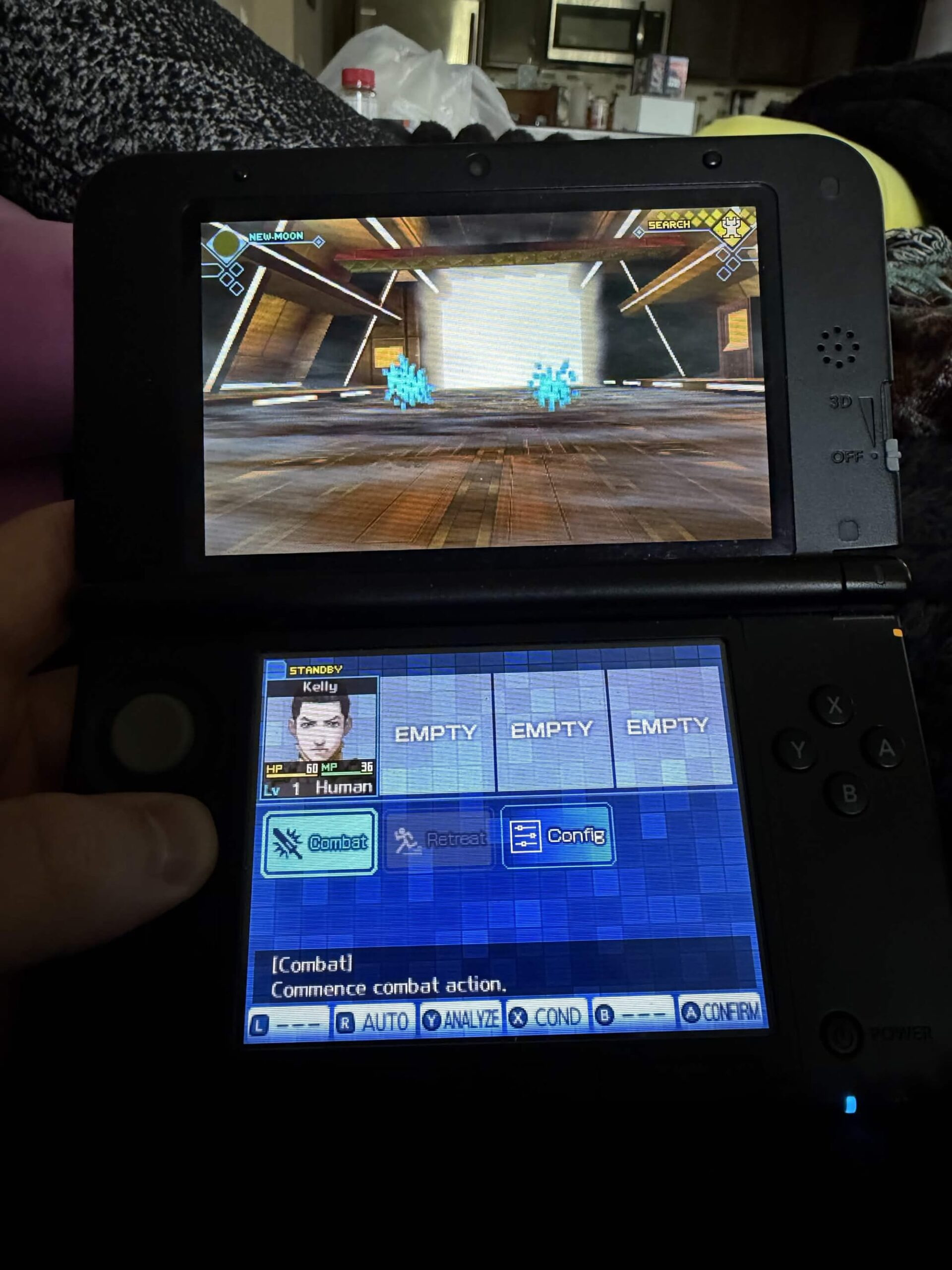
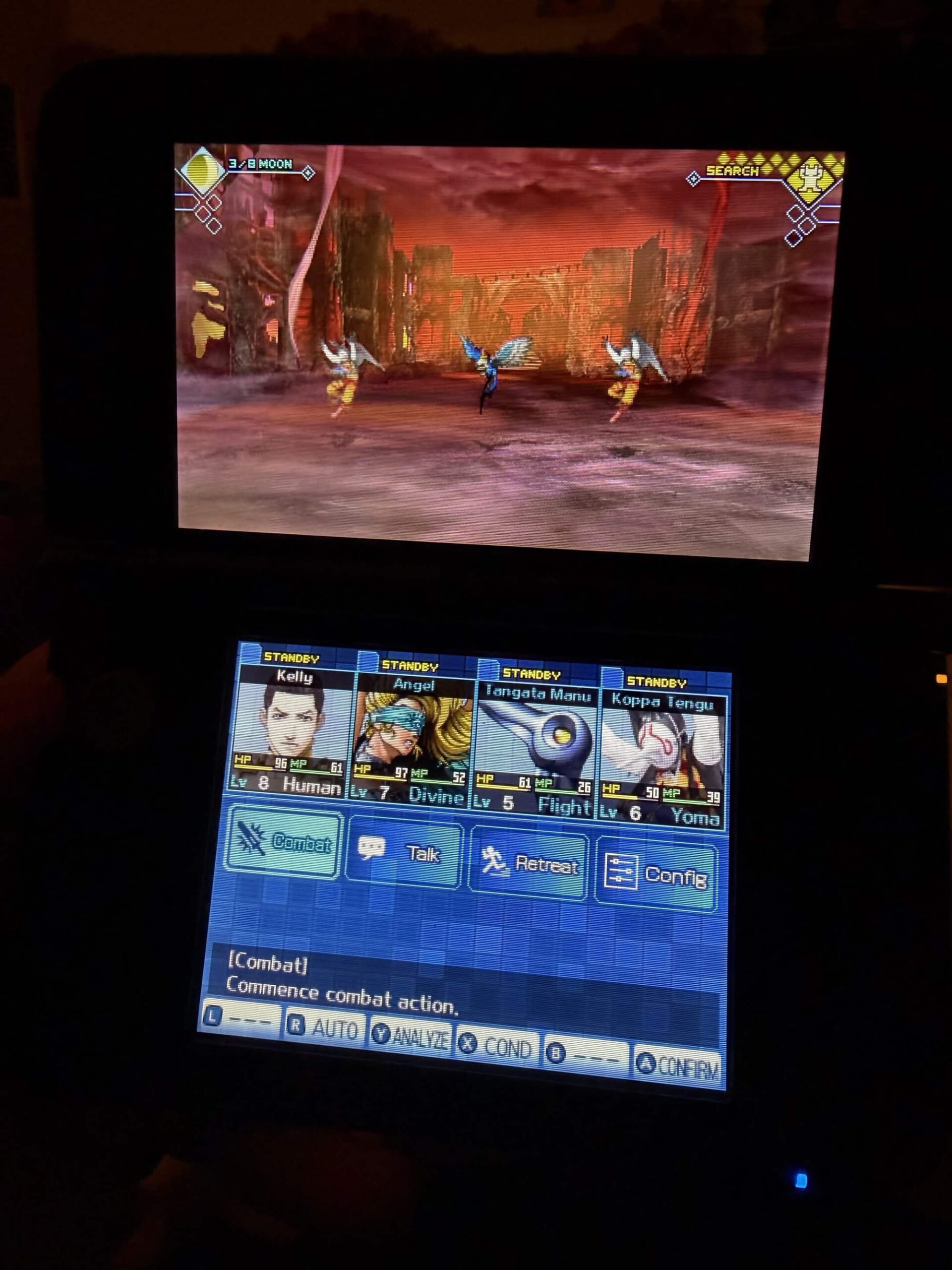
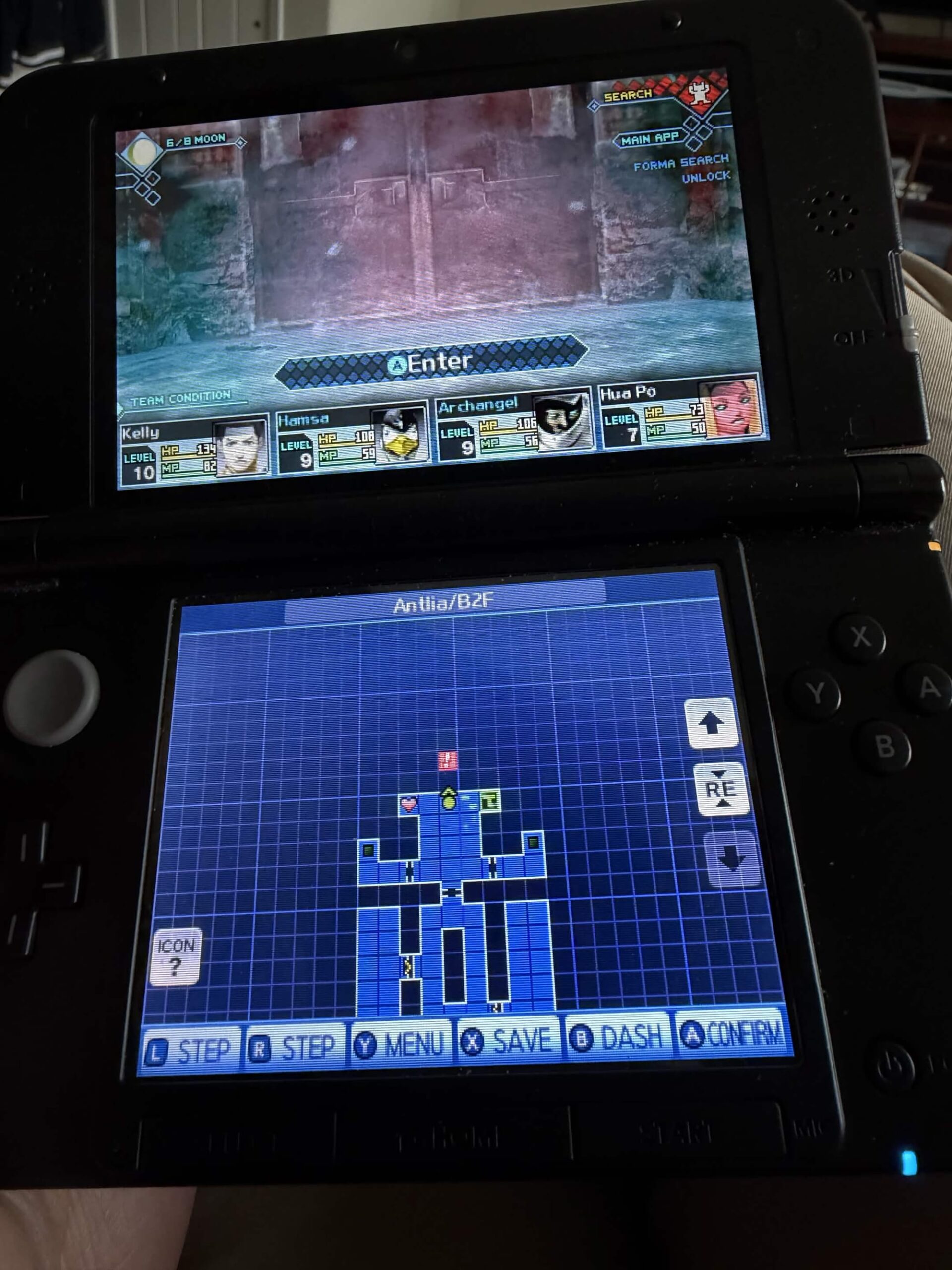
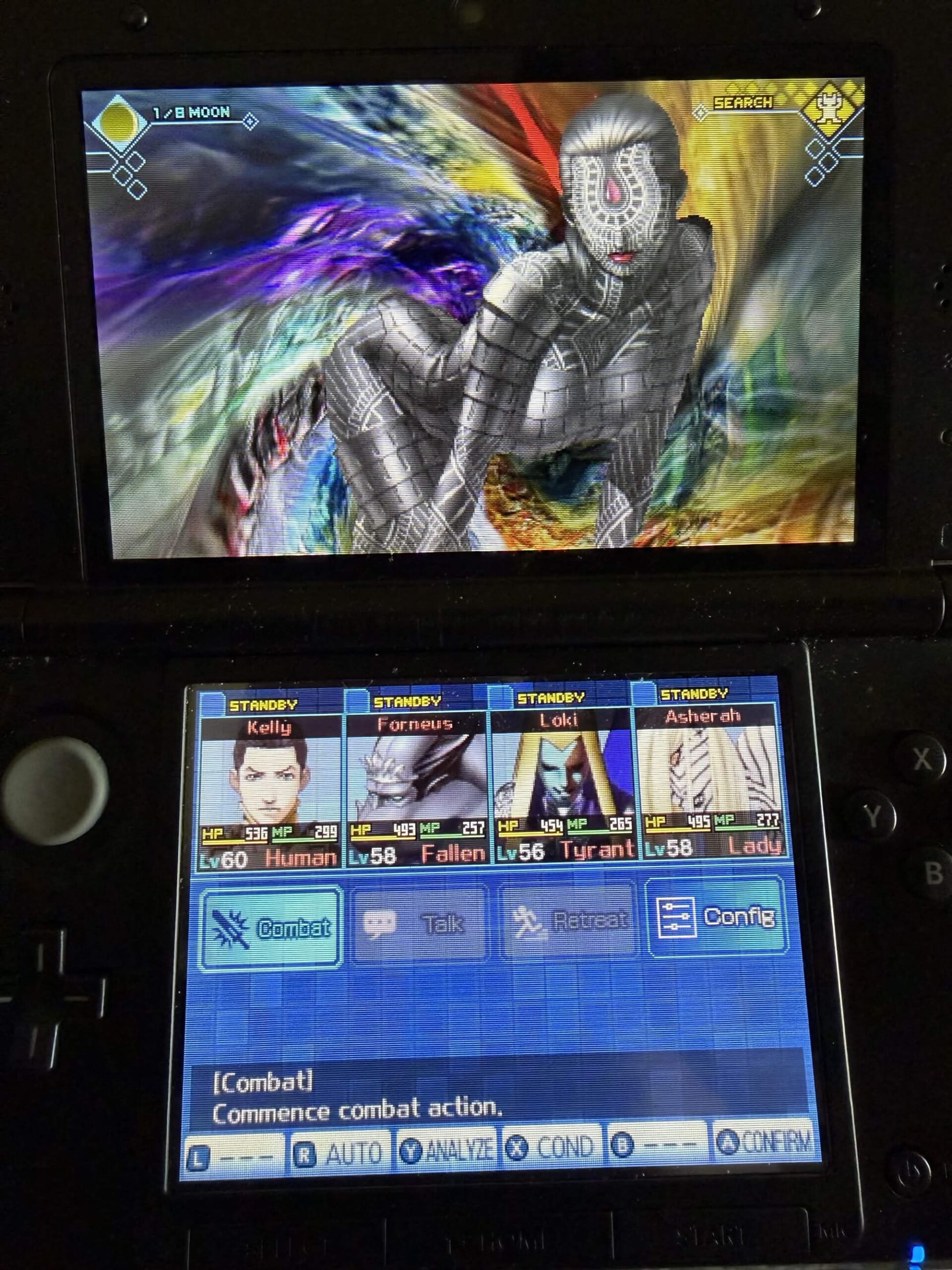
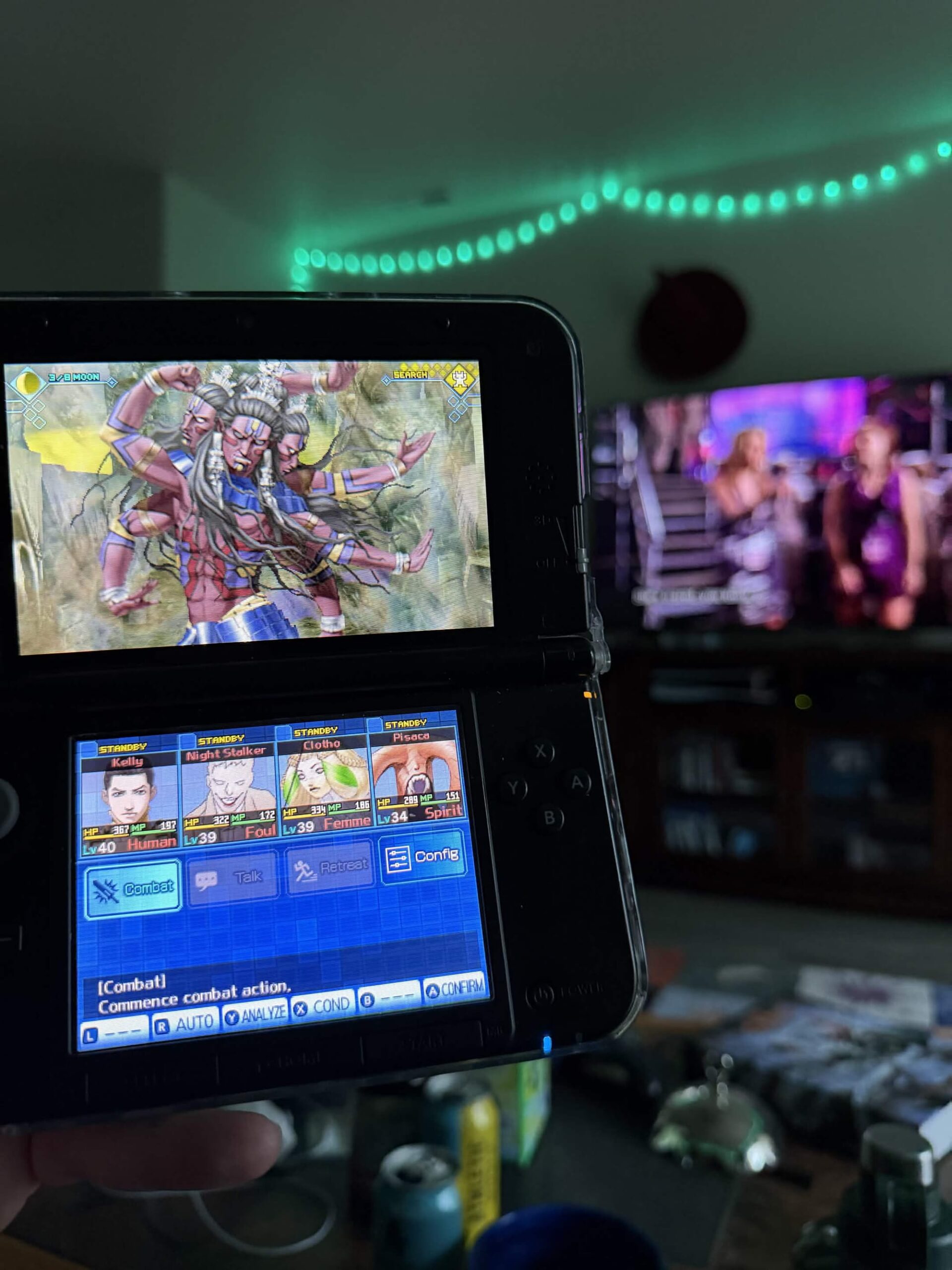
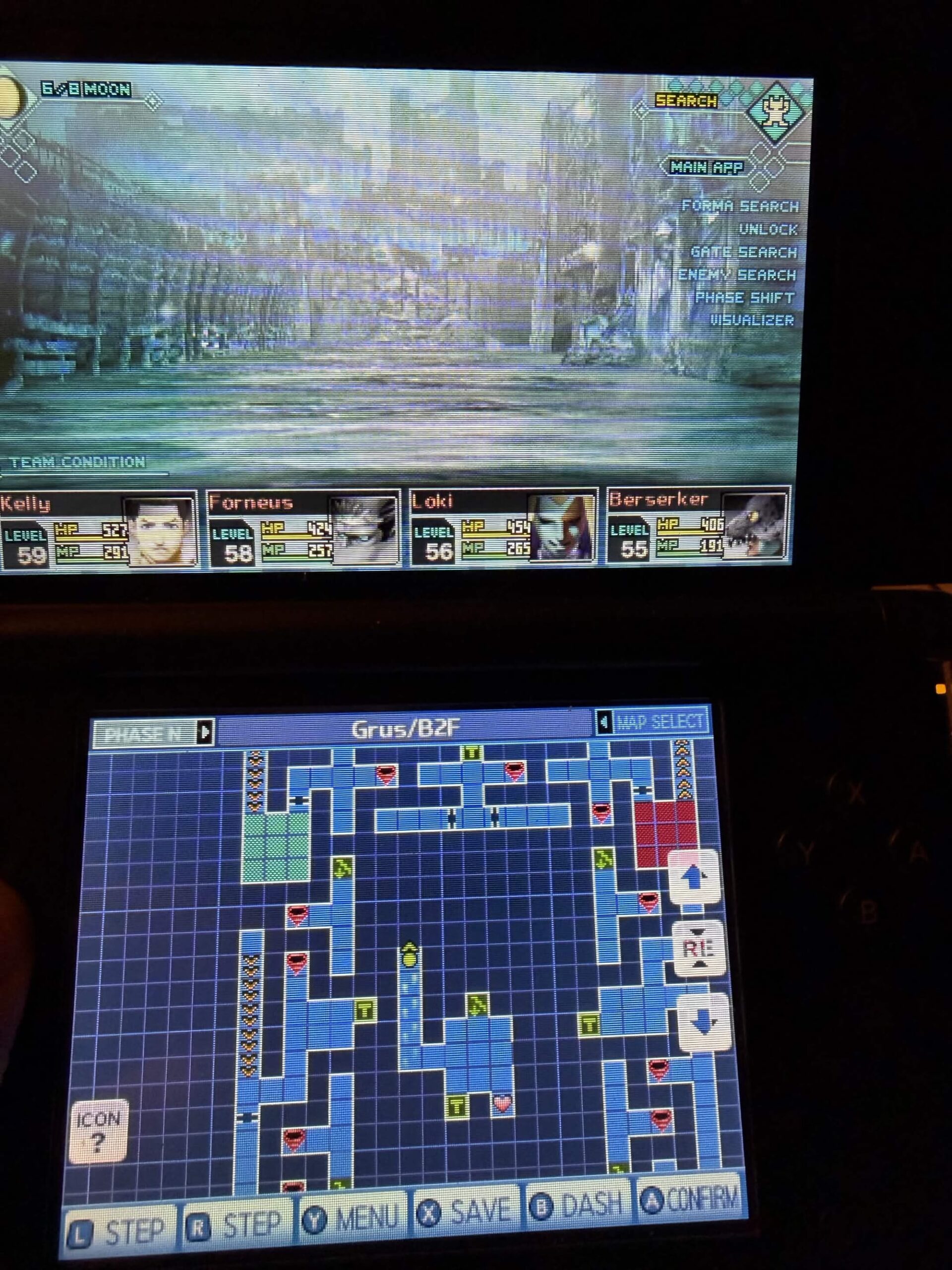
With an intriguing setup like that, we are off to explore the Schwarzwelt and either fight or befriend its denizens. About 90% of your time in this game will be dungeon crawling, and I have to admit that the actual game here won’t be for everybody. Even if the story sounds like something that you would love to sink your teeth into, I wouldn’t recommend diving into Strange Journey unless you have a predisposition for methodical hobbies with long-term goal-setting and steady progress. Much of my time felt akin to solving a large jigsaw puzzle: When you first reach a floor, there is no map, and you have no idea what challenging enemies lie in wait. But after many hours of exploration and demon fusion, you will feel like the master of the labyrinth.
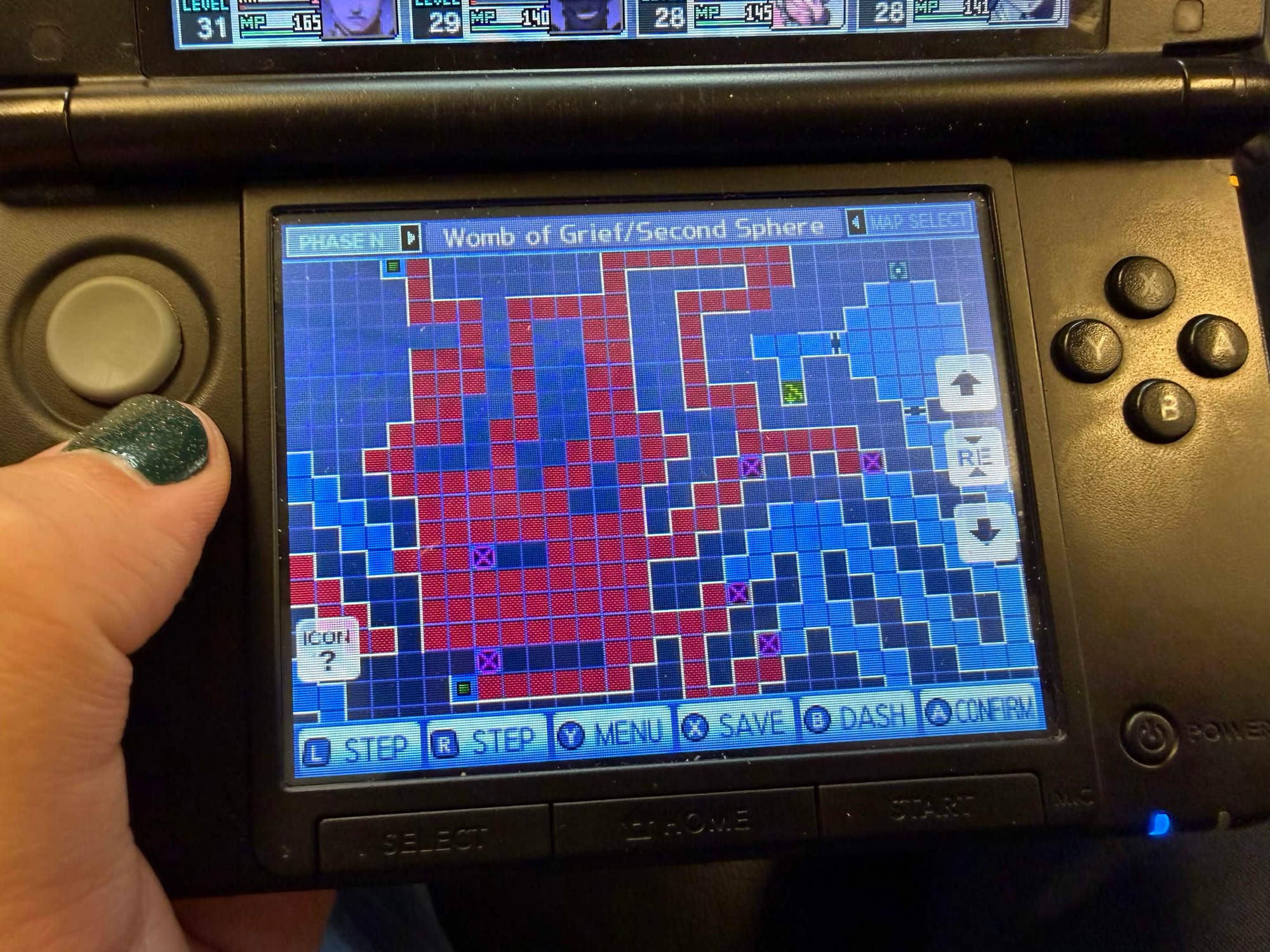
There are two versions of the game: one on the Nintendo DS and another re-release on the Nintendo 3DS called Redux. I played the Redux version, and the differences between the versions heavily affected my experience with the dungeon. On one hand, I despise the Womb of Grief dungeon added in the Redux version. Tackling it will take you just as long as playing the entire normal game; it is needlessly long and lacks the combat progression you feel when traveling through the main areas. On the other hand, the Redux version has tools that allowed me to play through the entire game without using a guide or taking notes, which is almost mandatory with the original. I would recommend playing the newest Redux version while ignoring the Womb of Grief entirely, though the completionist in me cringes at the thought.
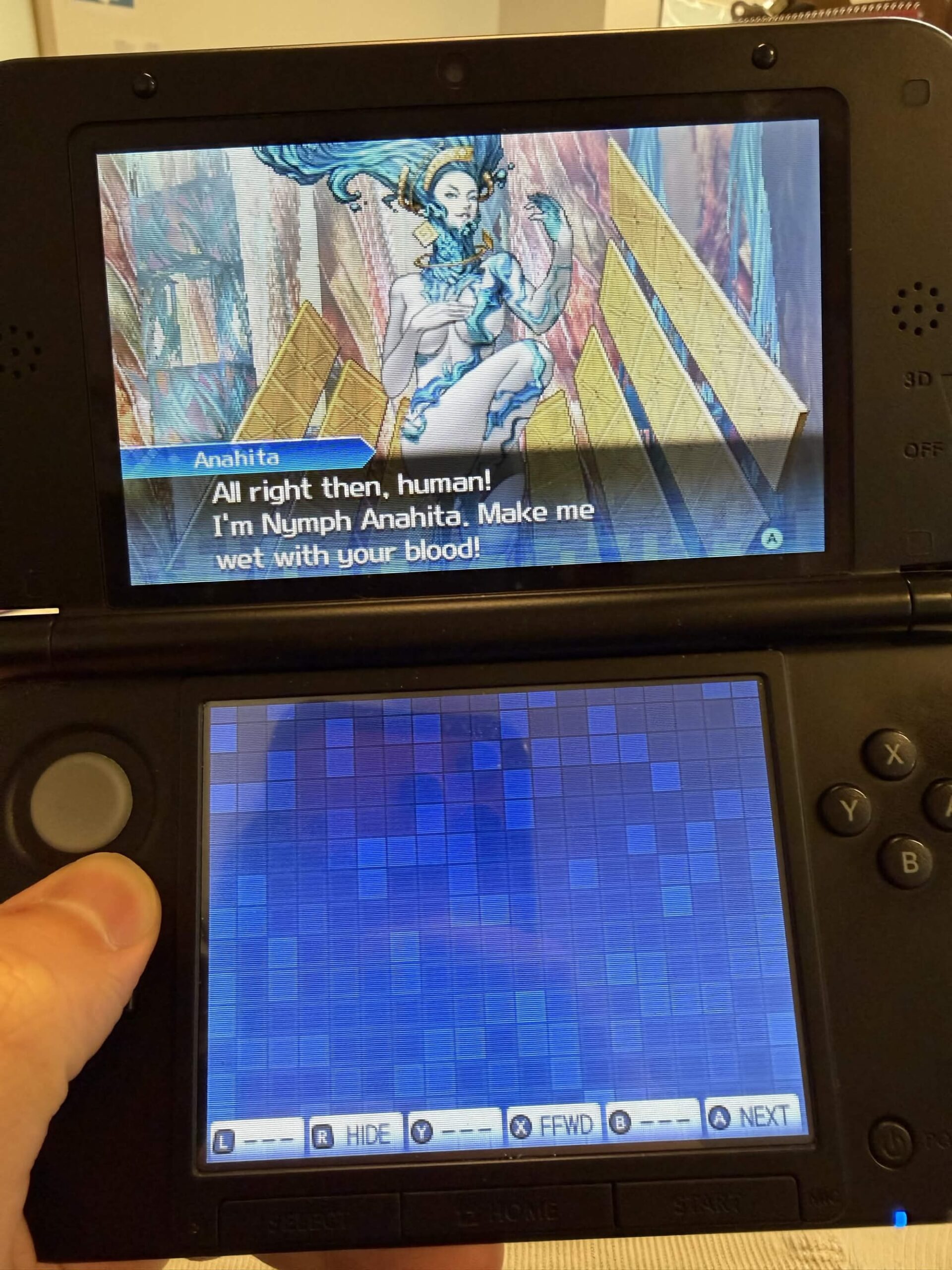
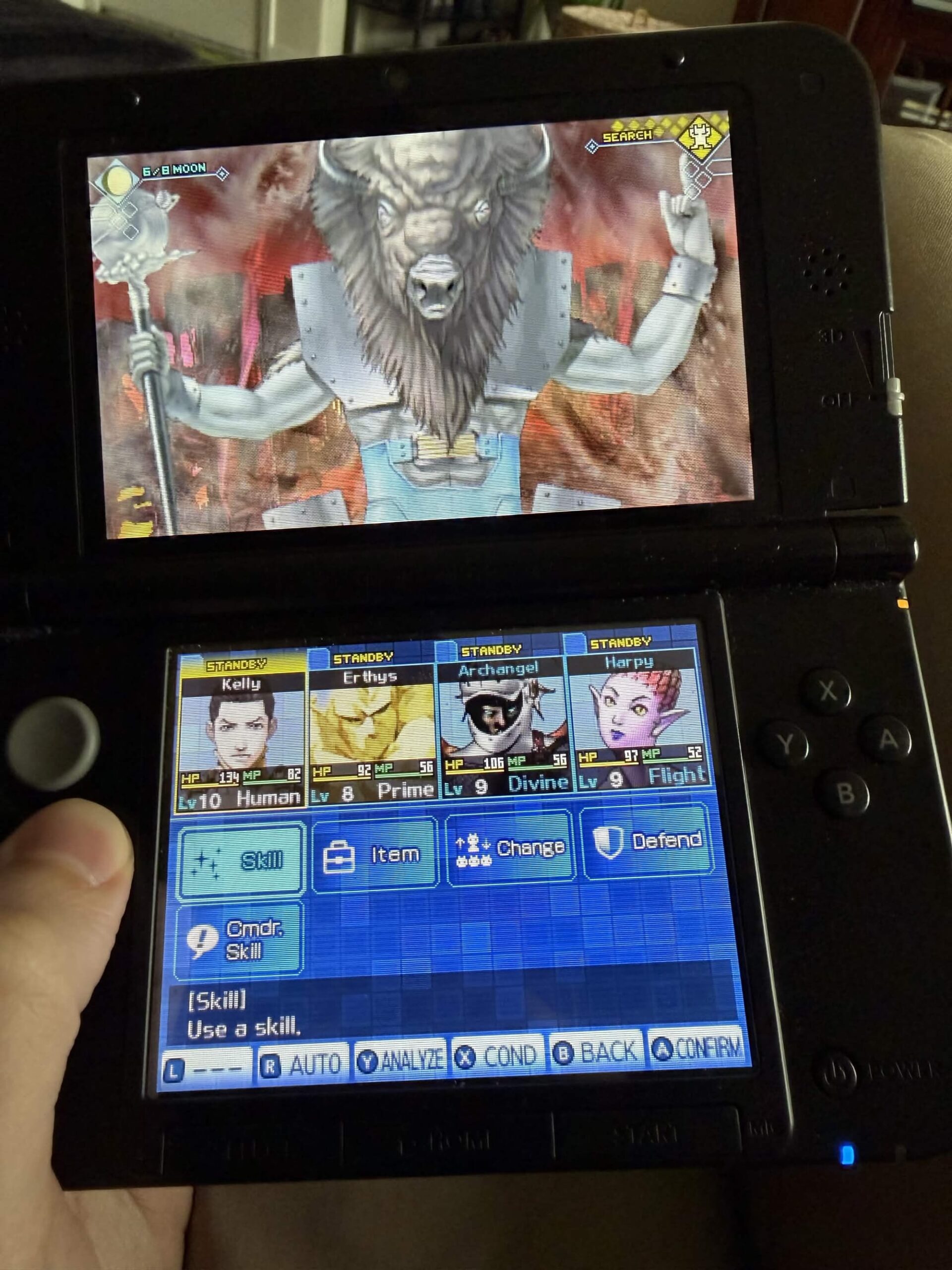
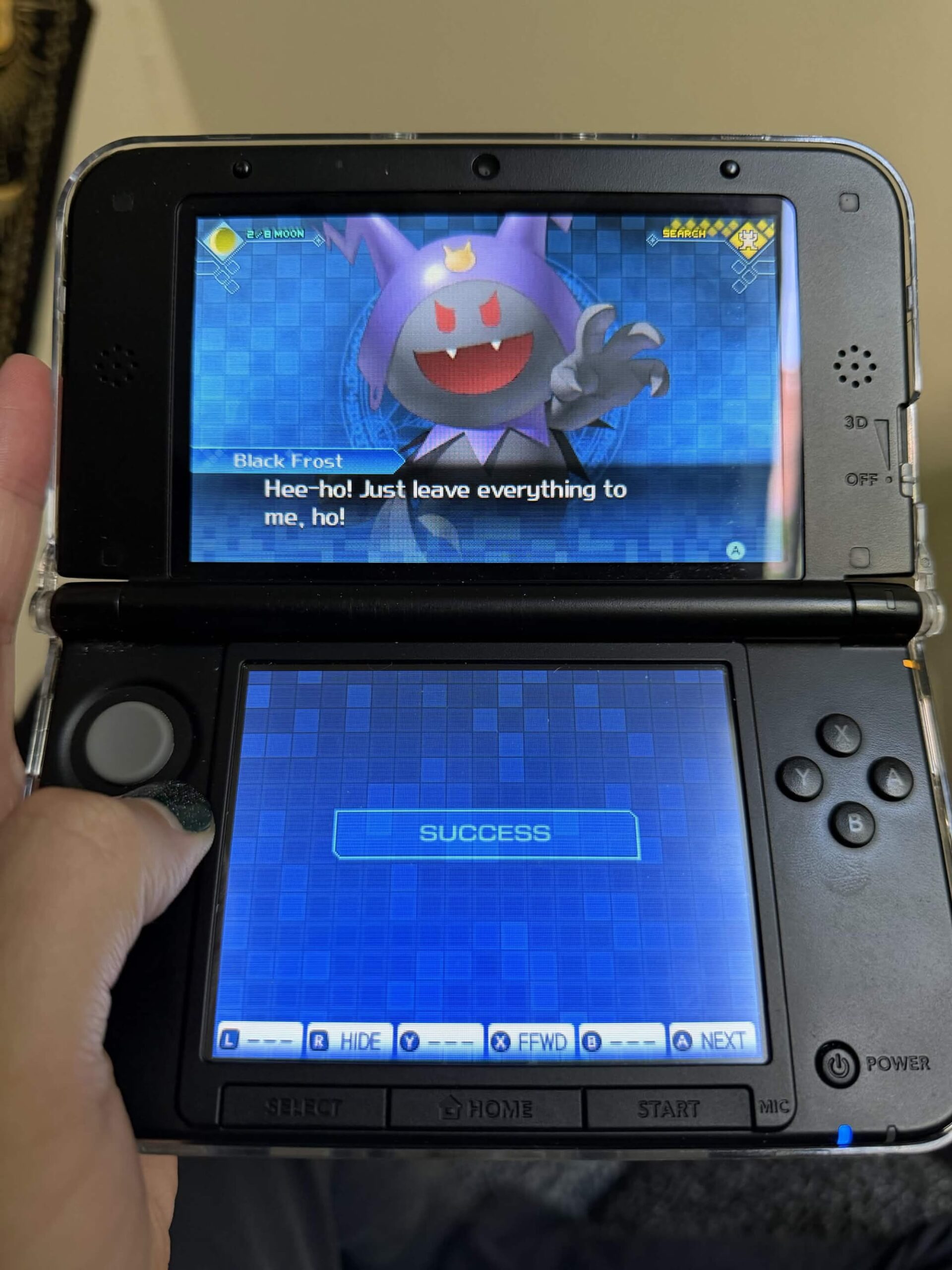
Maze and combat progression kept me playing the game for more than 75 hours, and the mix of long- and short-term planning had me excited to fuse demons at every level-up. Grinding felt rewarding, pacing back and forth in a hallway thinking that after a few more fights I could get the next mythological god to aid in my next battle. These bosses are no pushovers either; you will likely need to fuse at least one new demon at the boss doors of every area to exploit weaknesses or bolster defenses. The greatest motivator is opening your demon fusion program to see exactly what’s in store for you over the next 10 levels. This was before reverse compendium fusion, though, so be prepared to write down your most anticipated demon goals so that you don’t accidentally fuse away the one demon you need for the next level.
I dislike the alignment system in this game; it’s less restrictive than the first Shin Megami Tensei game, but to fully exploit the co-op attacks you will have to specialize as much as you can. When I chose the chaos route, I felt like I had chosen one of two versions of a Pokémon game, except all the Pokémon were exclusive to one version or the other. Many people online say to use whichever demons work for the moment without caring so much about the co-op attack bonus. But I found that the extra damage really helped in taking out some of the more difficult bosses, so I ignored that advice; perhaps this was my mistake.
The Story
Dungeon crawling is 90% of the game, but the other 10% delivers a story that’s one of the game’s strongest assets. Through the story, you will eventually choose to align with one of three characters to enact their visions of the new world. If you want to keep with the original mission from the beginning of the game, you have to be neutral when finally confronted by the Ubergestalt. The other two choices are more radical changes to the world brought on by either the angel Mastema or the mother of all demons, Mem Aleph. To choose either of these two extreme options would be to damn humanity to higher powers, so clearly the neutral path to preserve humanity would clearly be the good ending. Except they wouldn’t make it so easy for you.
Strange Journey opens on a world on the brink of collapse even without the threat of the Schwarzwelt. Humans do despicable things to both each other and the environmental destruction headlines every news clipping. The world is burning, and you are sent to save the husk of humanity from across the globe. In the Schwarzwelt, the demons only mimic the worst parts of the human race. Torturing each other, stockpiling resources in excess, dumping waste recklessly, and bringing war to each other’s homes. Anybody empathetic to the plights of the earth that plays this game would have to put on large blinders to avoid the real villain in this world. So you have three choices; what will you do?
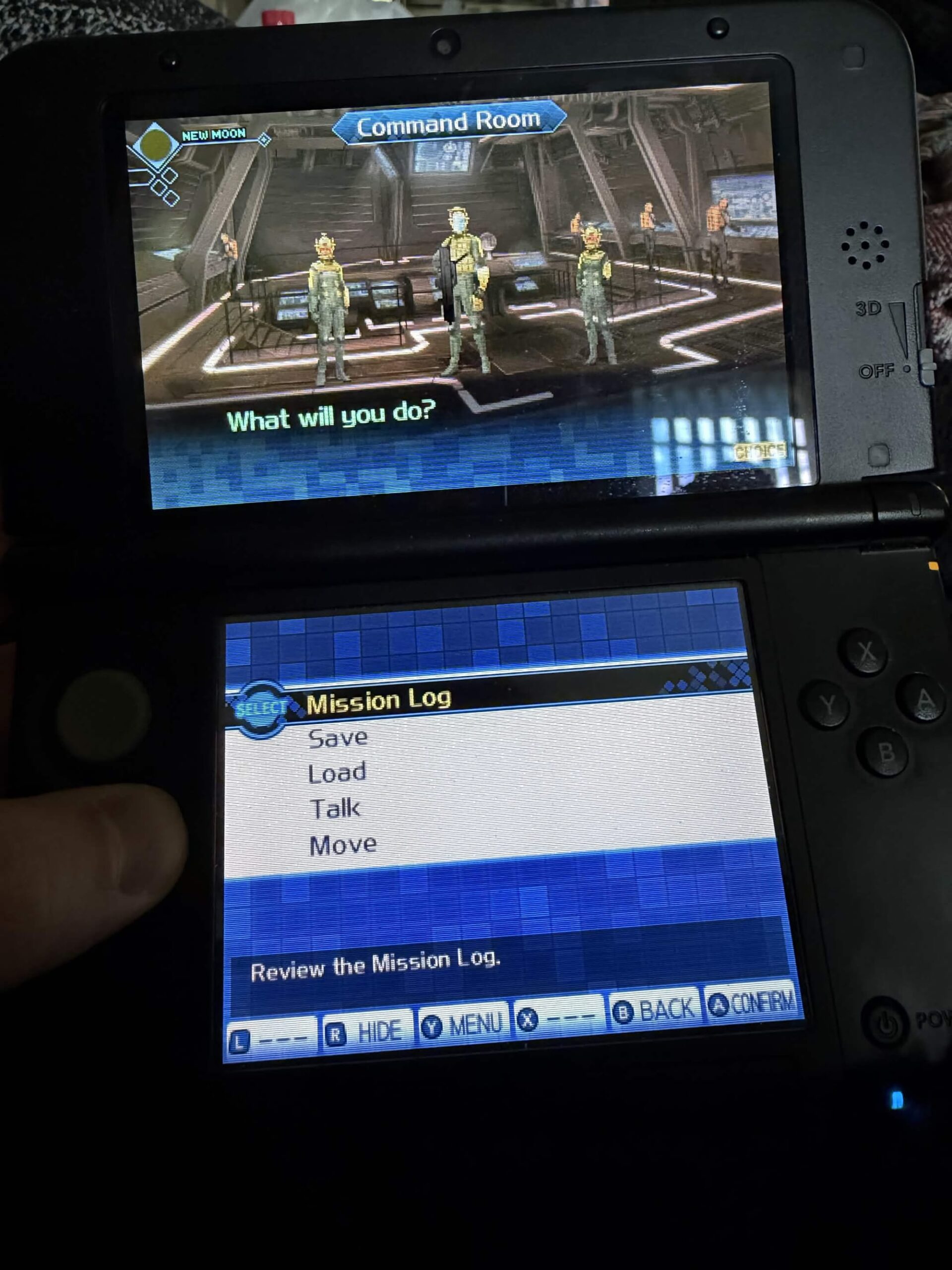
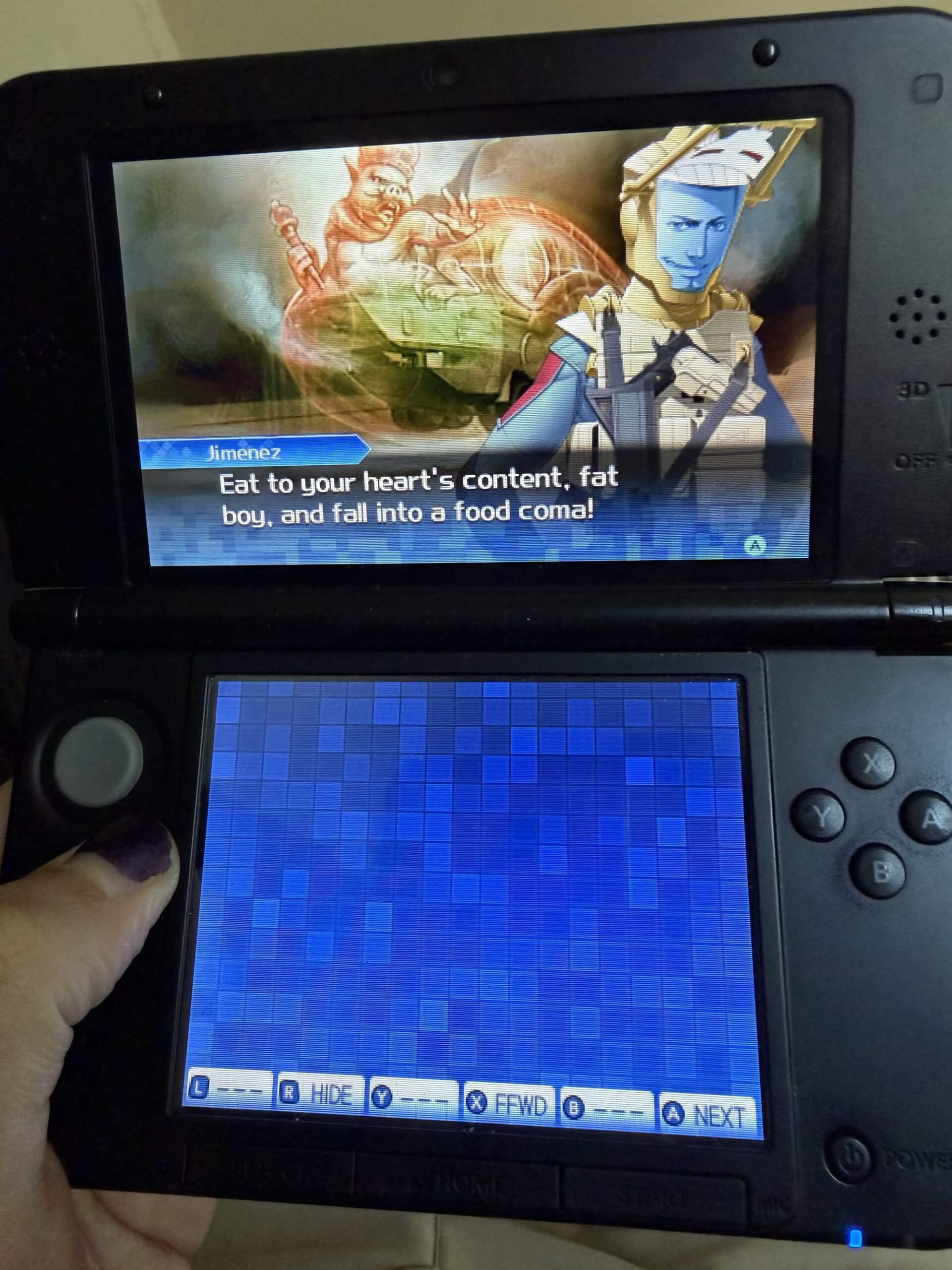
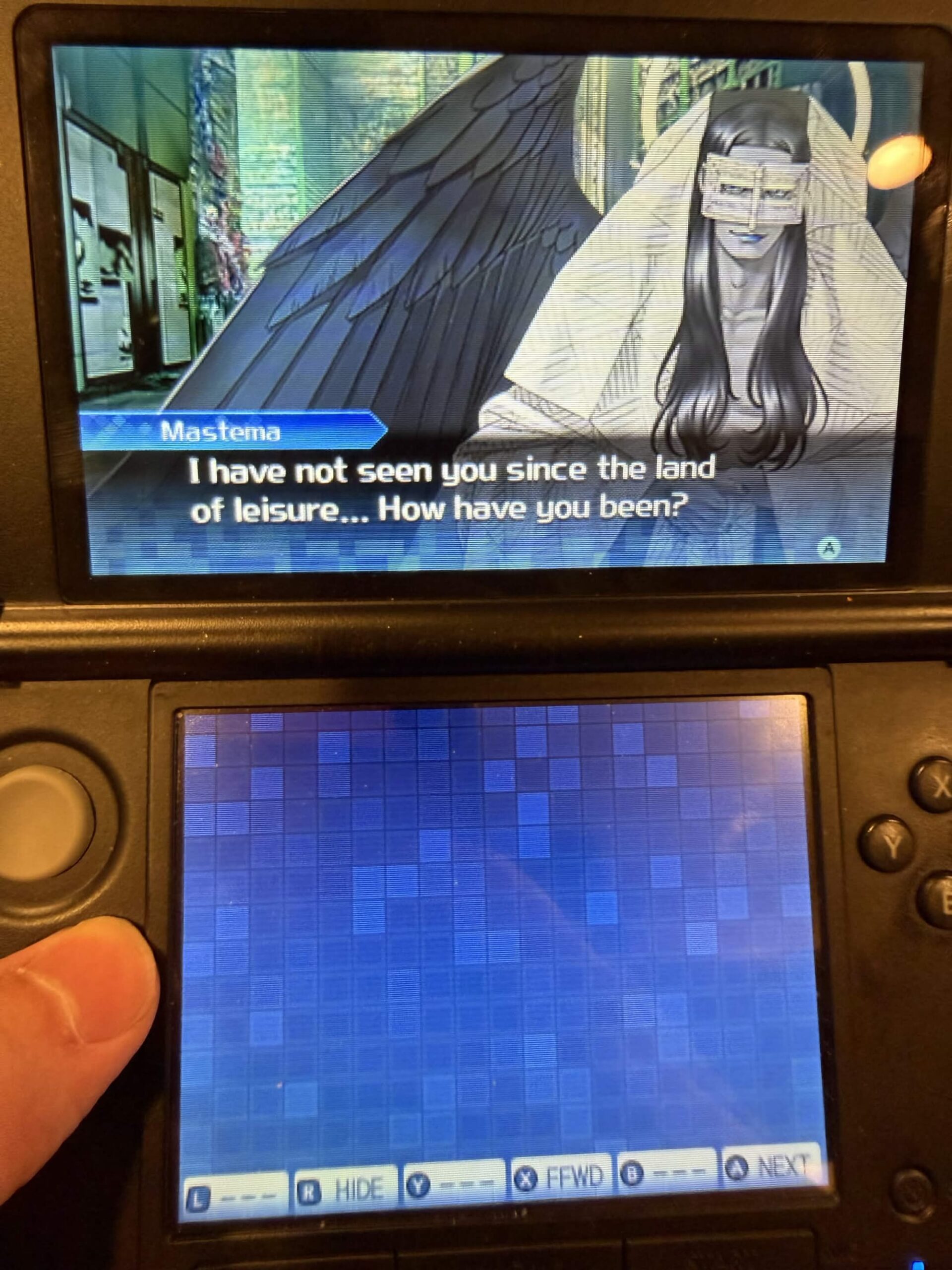
First, to address the Redux additions. The 3DS re-release adds what are generally happier endings to the game’s narrative. I think they are great additions for anybody disappointed with the original endings, but they sorely miss Strange Journey’s tone. I don’t think they have real bearing on the philosophical conversation of the game’s themes and characters, so for the sake of this essay we are going to omit them, though I wanted to acknowledge their existence.
Mastema offers the player assistance at various junctions of the game. Claiming to be an ally to the humans, he teaches your crewmate Zelenin to use God’s song to pacify her enemies rather than having to slay them. It is the duty of the strong to protect and guide the weak; this is the way of absolute order. Only with humanity’s complete subjugation to God’s will can they repent for the damage that they’ve done. We lose our free will, but we get to live for a better world built under a divine design. He offers a new world under God where everyone has a place and can find happiness in serving a higher cause.
Your other crewmate Jimenez quickly takes to using the demon-summoning program and forms bonds with his demon partners. If you follow him down this path, you can help Mem Aleph spread demons across the earth and send humanity back into a tribal era where the strong are free to take what they want; this is chaos. If you help her plans come to fruition, every person will have the opportunity to be whoever they want as long as they work hard enough to attain their goals. It’s a world of slaughter and bloodshed, but also one of absolute freedom.
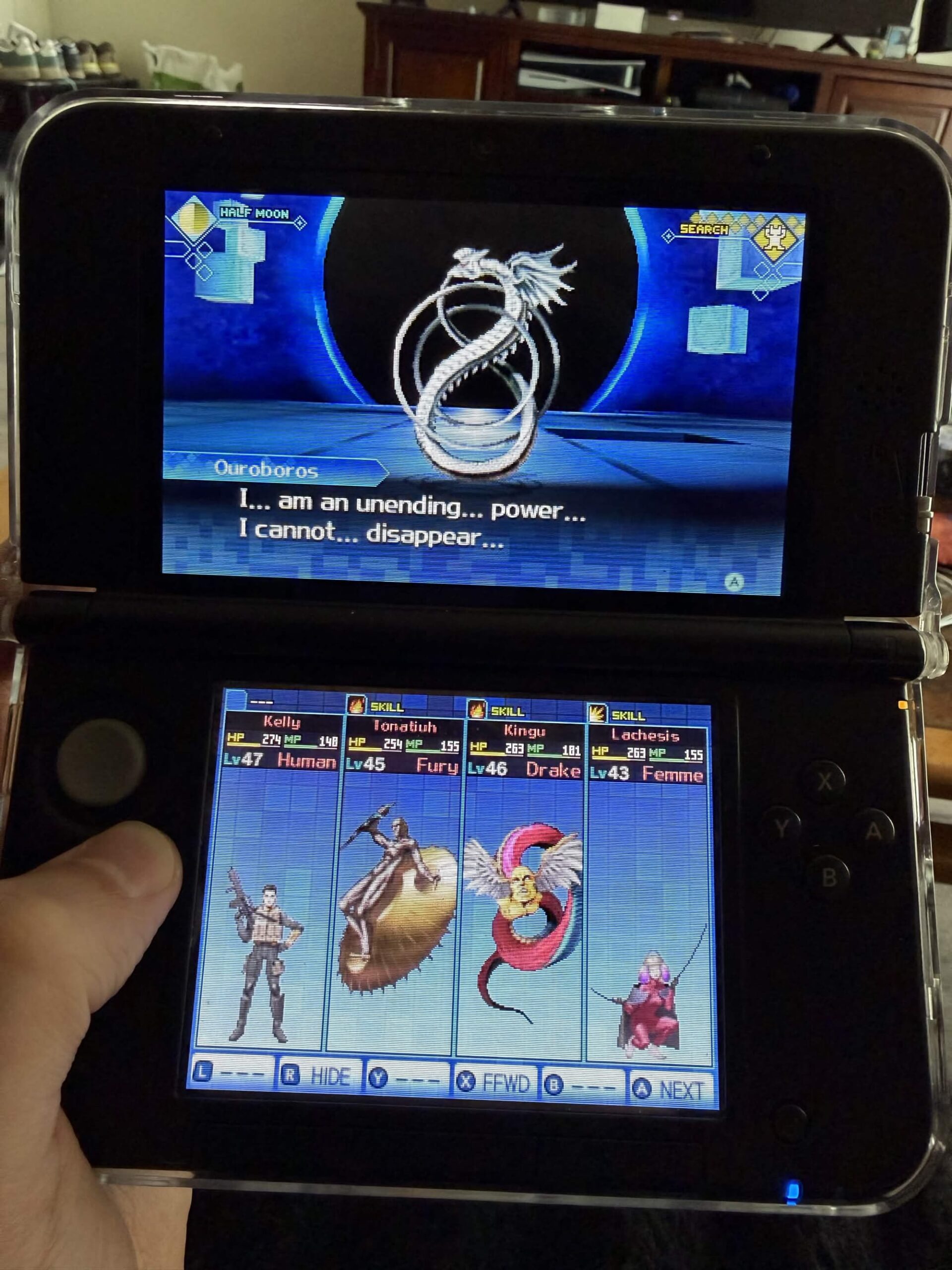
The original version of Strange Journey has no happy endings, and just like Cyberpunk 2077, there is something poetic in the cyclical misery of the people in this world. It cements the theme that humans have created problems so vast and made mistakes with consequences so vile that every course correction shatters the world that we currently live in. This is a classic choice in the broader Shin Megami Tensei series, with Persona being the series that most famously takes a positive outlook on humanity’s future. Being forced into these dire futures allows the player to look within and choose the lesser evil. If there were a happy ending choice, we would be robbed of that hard decision and unable to look within ourselves and ask what we truly believe is right and wrong.
This is the real magic of Shin Megami Tensei Strange Journey: putting its players in an impossible situation and giving them 80 hours to really think if humanity deserves a second chance. This game was my comfort food all summer; I solved its mazes as I would a thick book of crossword puzzles while my girlfriend watched TV next to me. As tedious and drawn out as the game can be, it is also thoughtful in theme and exercises the mind with its great maze design. Not everyone will give this game a shot, but those who do will find something horrifying and calming, methodical and exciting. I appreciated my time with Strange Journey; it has made me crave more first-person dungeon crawlers and broadened the range of RPGs I’m willing to try. They’ve made something really special here, and I hope that Atlus funds more dungeon crawling in the modern age.
