

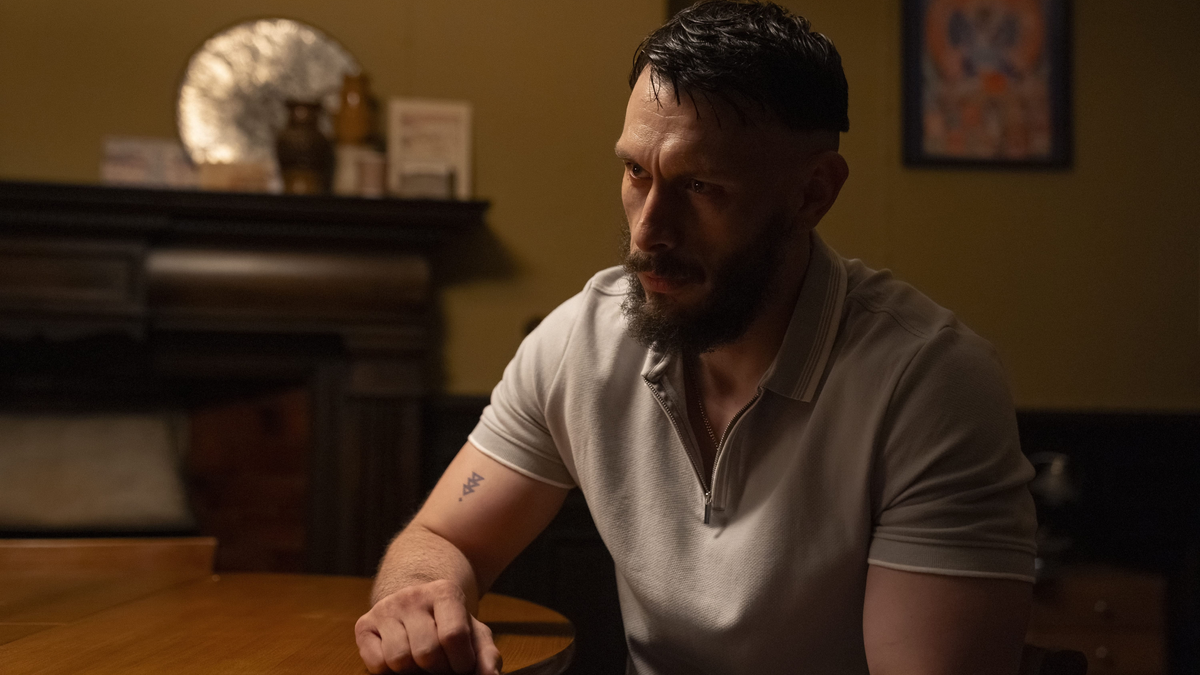
Following the global success of Baby Reindeer, Richard Gadd could have easily returned to familiar territory. Instead, he did the opposite. His latest series, Half Man, is an entirely fictional six-part drama, now streaming on Lionsgate Play in India. Starring Gadd alongside Jamie Bell, the series follows the decades-long, emotionally volatile relationship between step-brothers Ruben and Niall. Through their intertwined lives, Half Man examines masculinity, shame, trauma and the complicated emotional bonds that can both sustain and destroy us.
Speaking to ELLE India, Gadd opens up about stepping away from autobiographical storytelling, transforming into Ruben and why pushing himself creatively was the only way forward
“The challenge wasn’t masculinity—it was the shape of the story”
Although Half Man grapples with difficult questions around masculinity and emotional repression, Gadd says the biggest challenge wasn’t the subject matter itself. “It wasn’t necessarily masculinity that was challenging to write,” he tells ELLE India. “It was almost the whole shape of it.”
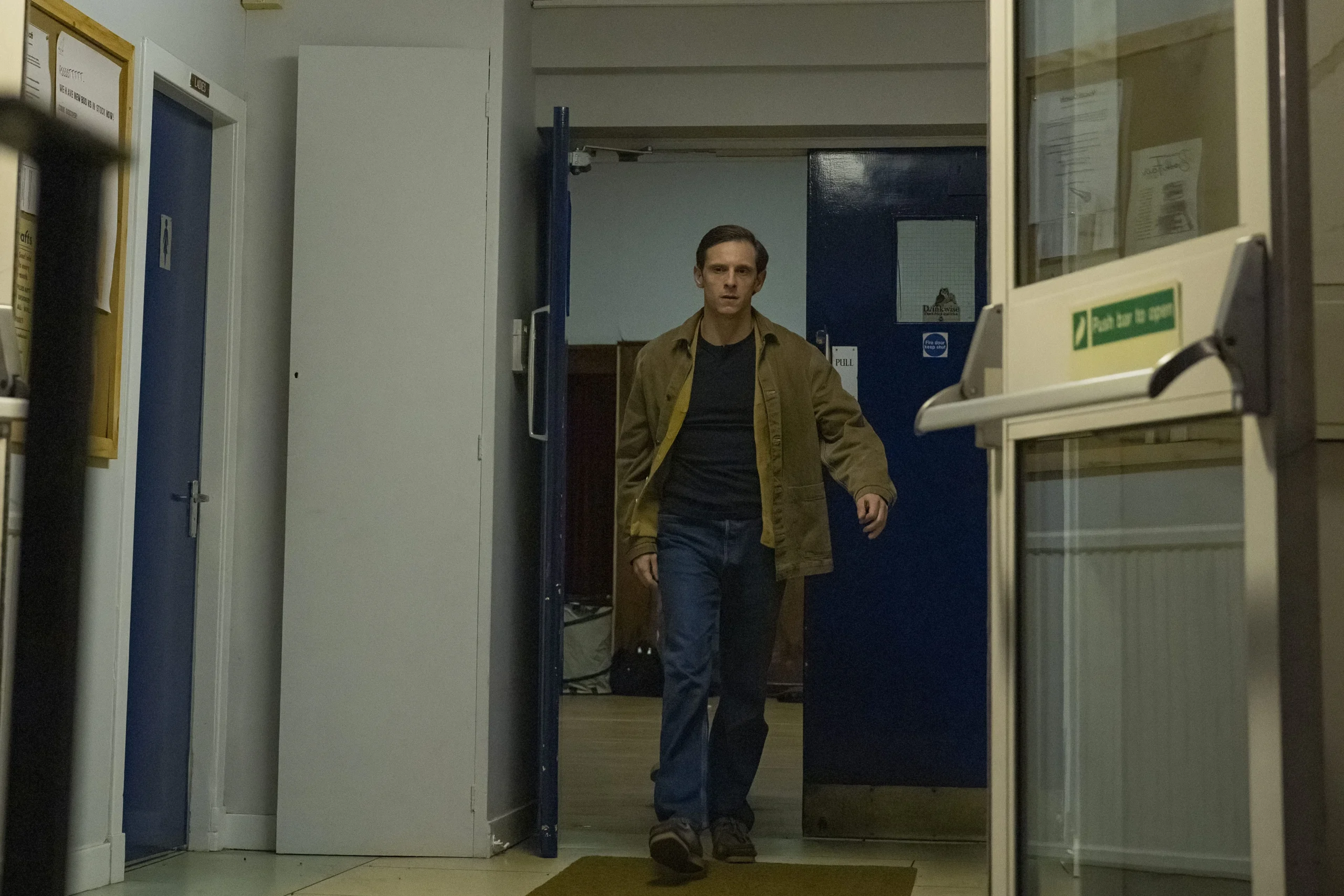
He wanted the relationship between Ruben and Niall to feel instinctive rather than easily explainable—a connection that exists beyond logic. “We had these two people who seemed bonded almost transcendentally, in ways that almost defied explanation,” he says. “Finding that atypical shape within the time pressures we had was the real challenge.”
Instead of following a conventional dramatic structure, Gadd focused on balancing darkness with moments of tenderness, creating a relationship that constantly shifts between love, dependence and destruction
Why Ruben Needed To Feel ‘Like A Devolved Animal’
If writing Ruben was one challenge, becoming him was another entirely. After audiences met Gadd as the vulnerable Donny Dunn in Baby Reindeer, he knew Ruben had to feel like someone completely different
“I needed to change everything about myself,” he says. That transformation began with Ruben’s voice. Gadd underwent extensive vocal training to lower his register and create a physical presence that felt instinctive and unsettling. “I wanted him to almost feel like a devolved animal—a grunting, devolved kind of beast,” he explains. “I worked so hard on getting the voice deeper, bassier and broken.”
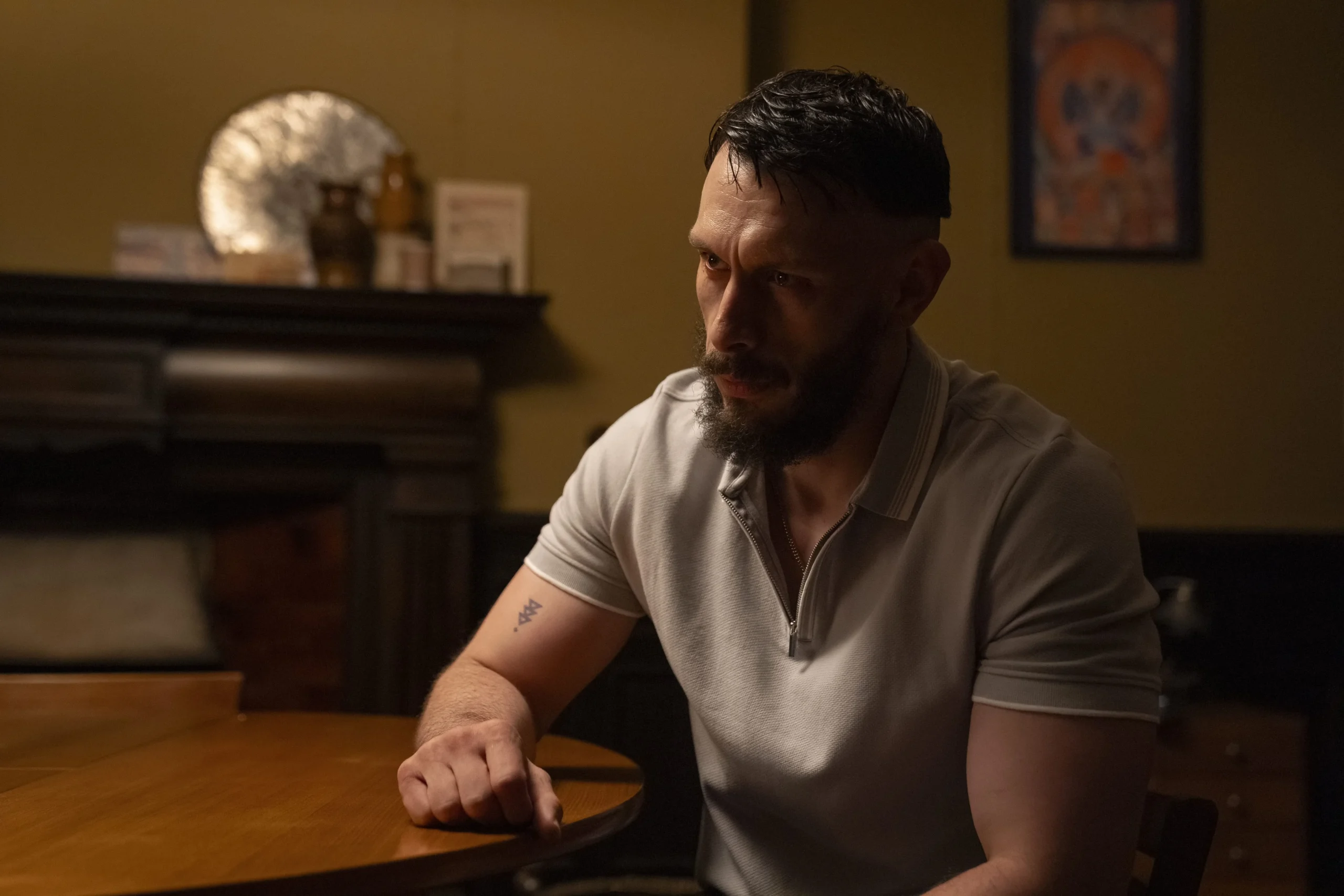
For Gadd, the physical transformation wasn’t simply about sounding different. “Eventually the voice becomes twinned with the body,” he says. “That’s really when you begin getting into character.” The process was so immersive that he laughs he can barely recreate Ruben’s voice today
“We’re Codependent Beasts”
At the heart of Half Man is the deeply complicated relationship between Ruben and Niall. Rather than writing a simple story about abuse or brotherhood, Gadd wanted to explore the contradictions that define human relationships. “I think, for the most part, we are codependent beasts,” he says
Looking back at life’s defining relationships, he believes the people who shape us most are often those who leave us carrying the greatest emotional complexity. “If we look back on the defining relationships in our lives, the ones that shape us the most—for good or bad—they also tend to be the most complicated.”
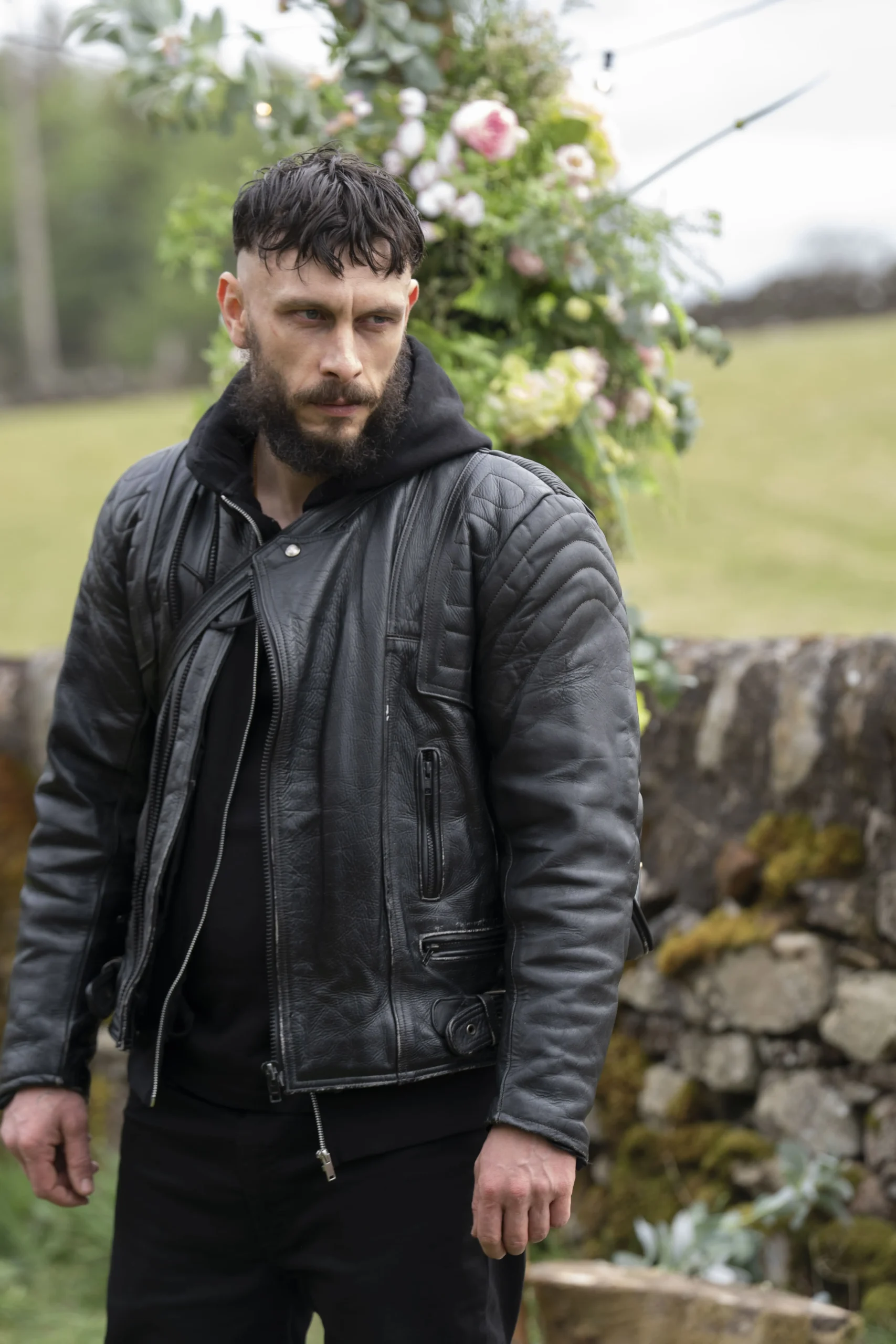
That complexity became the emotional foundation of Half Man. “I always try to lean into the complication of humanity because I think that’s a fair and accurate representation of humanity.”
For Gadd, brotherhood itself carries a unique emotional intensity. “Growing up, you bond with your male brethren in ways that are almost unexplained and transcendental,” he says
Those early emotional connections, he believes, are often the hardest to let go of, even when they become destructive. “Sometimes the relationships that bind together the brightest break the hardest,” he says. “We’re driven by emotions, by dopamine, by fractured psychologies. I really wanted to lean into that need we all have for someone else.”
Why Half Man Had To Be Completely Different From Baby Reindeer
Unlike Baby Reindeer, which drew heavily from Gadd’s own life, Half Man offered him the opportunity to build an entirely fictional world—and that’s exactly what excited him. “I was very excited because it was a new challenge,” he says. “I’ve never wanted to live life in one lane.”
He admits there was an easier version of Half Man he could have made by borrowing the style audiences had come to associate with Baby Reindeer. But repeating himself never interested him. “There was a version of Half Man that could have been made in the Baby Reindeer style,” he says. “But I wanted to do something completely different.”
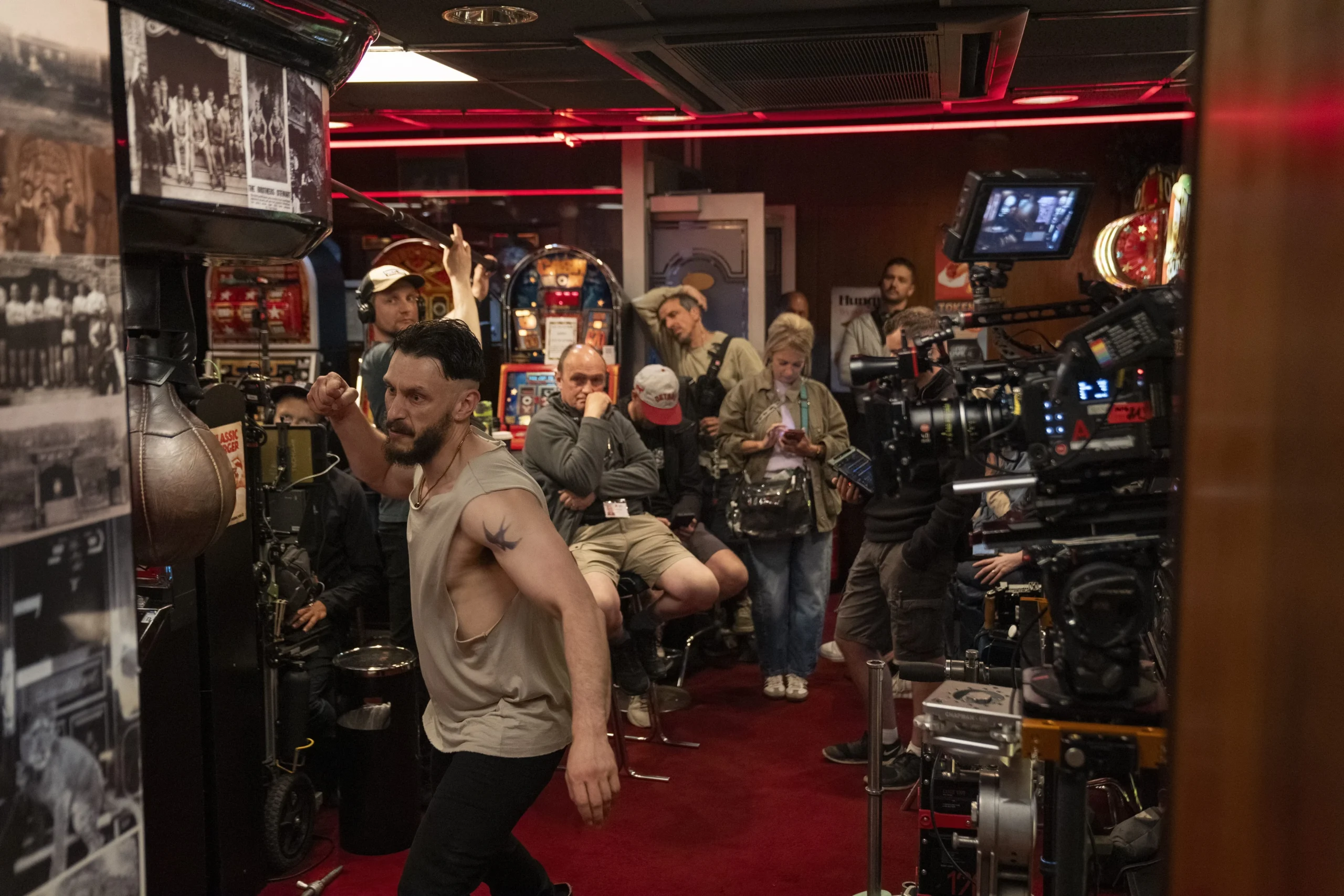
Instead, he leaned into a more socially realist approach, writing characters from a completely different background and mindset. “I wanted to explore a different class, a different mentality,” he says
For Gadd, creative growth only comes from embracing discomfort. “I don’t believe in living life in a comfort zone because I don’t think you improve or learn things,” he says. “I’m all for taking risks.”
Releasing Half Man so soon after Baby Reindeer was one such risk, particularly because Ruben couldn’t be further removed from Donny Dunn. “Ruben was so different from Donny. You’ve got to do these things because they keep you developing, and that’s what makes life interesting.”
As for what’s next, Gadd isn’t revealing much. But one thing is certain: he’s not interested in repeating himself. “I hope whatever I do next is challenging in a different way again,” he says. “I want to keep evolving and keep challenging myself to do new things.”
