

Okla. — For many students, YouTube, TikTok, Twitch and video games are already part of their everyday life
Now, one Oklahoma school is using those same platforms and ideas to help students connect with school and learning.
At Oklahoma Virtual Charter Academy, Middle School Principal Erin Goodridge calls the approach “edutainment.”
Goodridge explained, “It’s essentially using [a] gaming <a href="https://comicvibe.com/tero-entertainment-launches-3×3-quest-india-2026-aims-to-build-pathway-for-young-players/” title=”Tero Entertainment launches 3×3 Quest India 2026, aims to build pathway for young players”>entertainment style approach, bringing kids in and getting engaged in school and learning in a new way.”
Goodridge said the idea became especially important in a virtual school environment where educators have to be intentional about getting students to log in and participate.
“You can get a kid through a door in brick and mortar, but you can’t force a kid to turn their laptop on.”
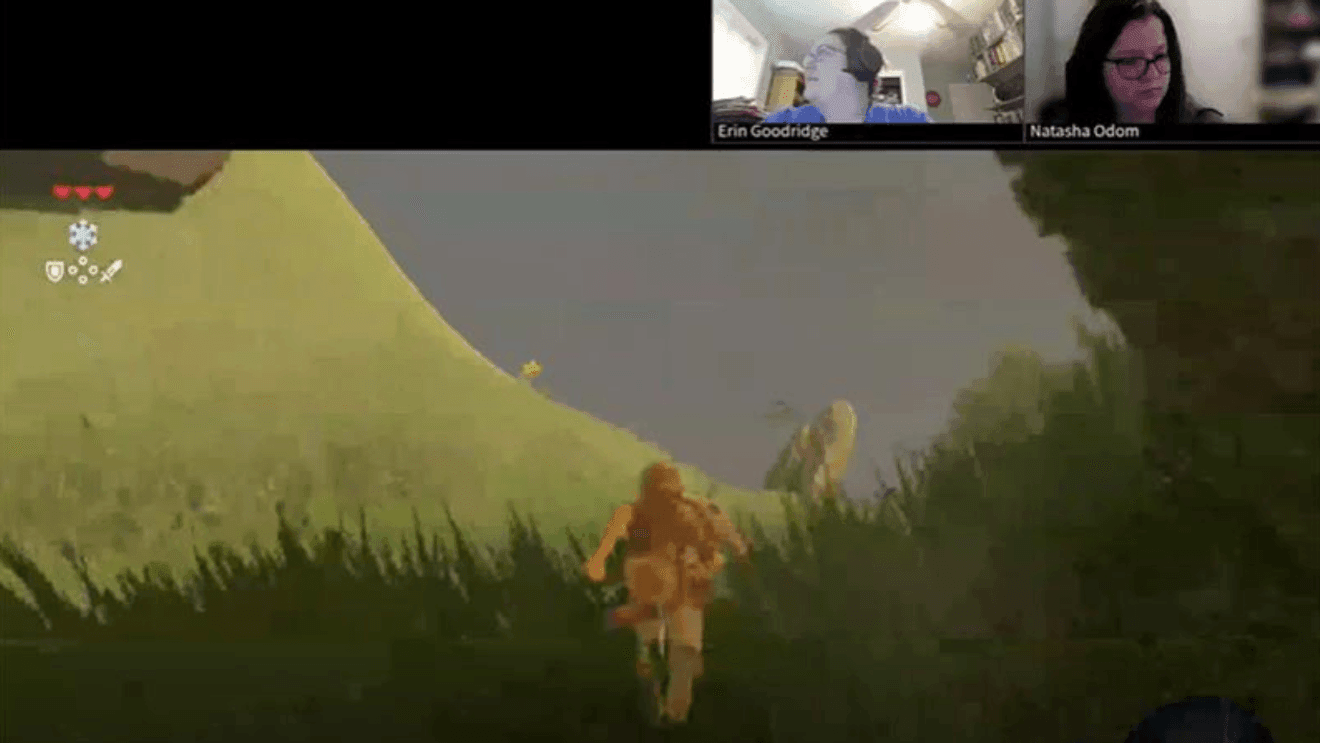
One example of the school’s edutainment options is a weekly Legend of Zelda livestream.
Goodridge, who describes herself as a gamer and an anime fan, uses a school-safe streaming platform to play the game while students watch and interact through the chat, microphones and cameras.
Students help Goodridge solve puzzles while teachers monitor the conversation.
The game itself becomes a tool for practicing reading, problem-solving and critical thinking.
Students also read text from the game and, in some cases, take on characters and read portions of quests.
Goodridge said the livestream also gives students an opportunity to see how an adult handles challenges and failures.
“If I get stuck, they can watch ‘Well, how does Mrs. Goodridge handle it when she fails over and over and over again?'”
The lessons extend beyond the game itself.
Teachers also use the livestream to teach students how to communicate appropriately online and recognize what safe digital interactions look like.
For Goodridge, the goal isn’t just to simply make school more entertaining. It’s about giving students a reason to feel connected.
After surveying students about the Zelda livestream, Goodridge said nearly 80% reported feeling more connected to school and their friends.
“The gaming is the hook, but the learning is the purpose.”
Goodridge said the school has seen increased engagement in live classes and other school activities, along with students making new connections with their peers.
For students who may have had negative experiences in traditional school settings, she said creating a place where they feel successful and connected can be an important first step toward academic engagement.
The school is also giving students opportunities to create their own digital content.
Last year, the OVCA offered a game design course where students created their own games as a final project.
The school then opened the games up for classmates and teachers to beta test and provide feedback.
Goodridge said the projects allow students to create content based on what they’re learning while developing skills through collaboration and peer review.
Teachers are also using familiar social media formats to teach academic content.
One teacher hosts a monthly “unboxing” modeled after videos students might see on Instagram or TikTok.
The teacher opens an object while explaining its history, then students participate in discussions about what they’re seeing.
The approach comes as schools across the country debate how much technology students should use in the classroom.
Goodridge said the focus should be less on simply adding more technology and more on how technology is being used.
She acknowledges one of the biggest criticisms of edutainment is the idea that students are simply being given an excuse to play video games.
However, Goodridge said the difference is intentionality.
“We’re not just sitting there and playing just for fun. I have specific goals I have for them.”
These goals include literacy, problem-solving, internet safety and responsible online communication.
Ultimately, Goodridge hopes students see school as something that can connect to their interests and their future.
“School isn’t just sitting down at a desk and opening a book and writing out things. It can be, ‘I can be active my community. I can apply the things that I’ve learned in school directly into the real world.'”
For OVCA, the goal is to use the digital world students already understand as a doorway into learning, while making sure the academics remain the purpose behind the entertainment.
