

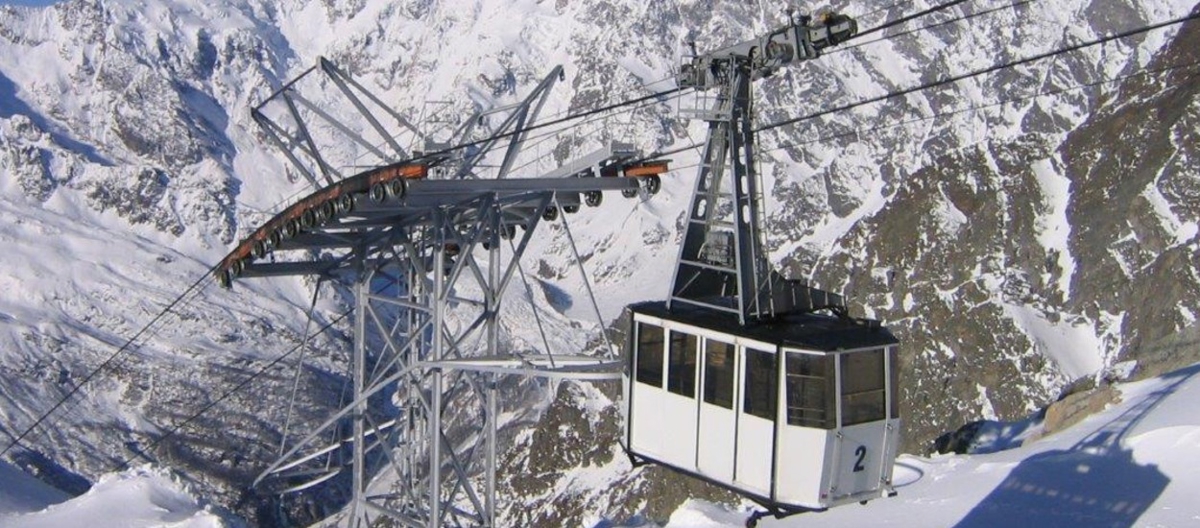
Alpine tourism in the Anzasca Valley received a welcome boost as operators officially resumed service on the first stretch of the iconic Monte Moro cable car system connecting the village of Staffa to Alpe Bill. Alongside the return of cable transport to the intermediate station, resort managers introduced a brand-new indoor games room at Alpe Bill to enhance visitor offerings at 1,711 meters above sea level.
The reopening of the lower section (Staffa – Alpe Bill) restores direct, high-altitude access to the middle tier of the eastern face of Monte Rosa. While maintenance work continues on the higher-elevation second section extending upward to Passo Moro (2,810 m), the return of the first cable car span gives hikers, families, and mountain enthusiasts immediate transport from the valley floor without undertaking the steep initial foot climb.
Upgraded Guest Experience at Alpe Bill
To complement the operational restart, resort management transformed part of the Alpe Bill station facilities into an family-friendly games room. Designed as an interactive recreational space for both summer visitors and winter sports enthusiasts, the new hub offers shelter and entertainment options for families, young travelers, and groups taking a break mid-mountain.
The added amenity aims to make Alpe Bill a destination in its own right rather than just a transit junction. Visitors stopping at the station can now access nearby alpine walking routes, scenic viewpoints facing Monte Rosa, and indoor recreational gear under one roof.
The partial lift reopening forms part of broader regional efforts to maintain vital mountain transport infrastructure and diversify year-round tourism in the Piedmont region. The Staffa–Alpe Bill line routinely carries foot passengers, mountain bikers, and sightseers, offering panoramic views across the valley floor and connecting to high-altitude pastures.
Local operators confirmed that the cable car will maintain daily scheduled runs between Staffa and Alpe Bill throughout the peak operating season, serving as a crucial link for tourism while engineering teams continue technical overhauls on the upper mountain network.
