

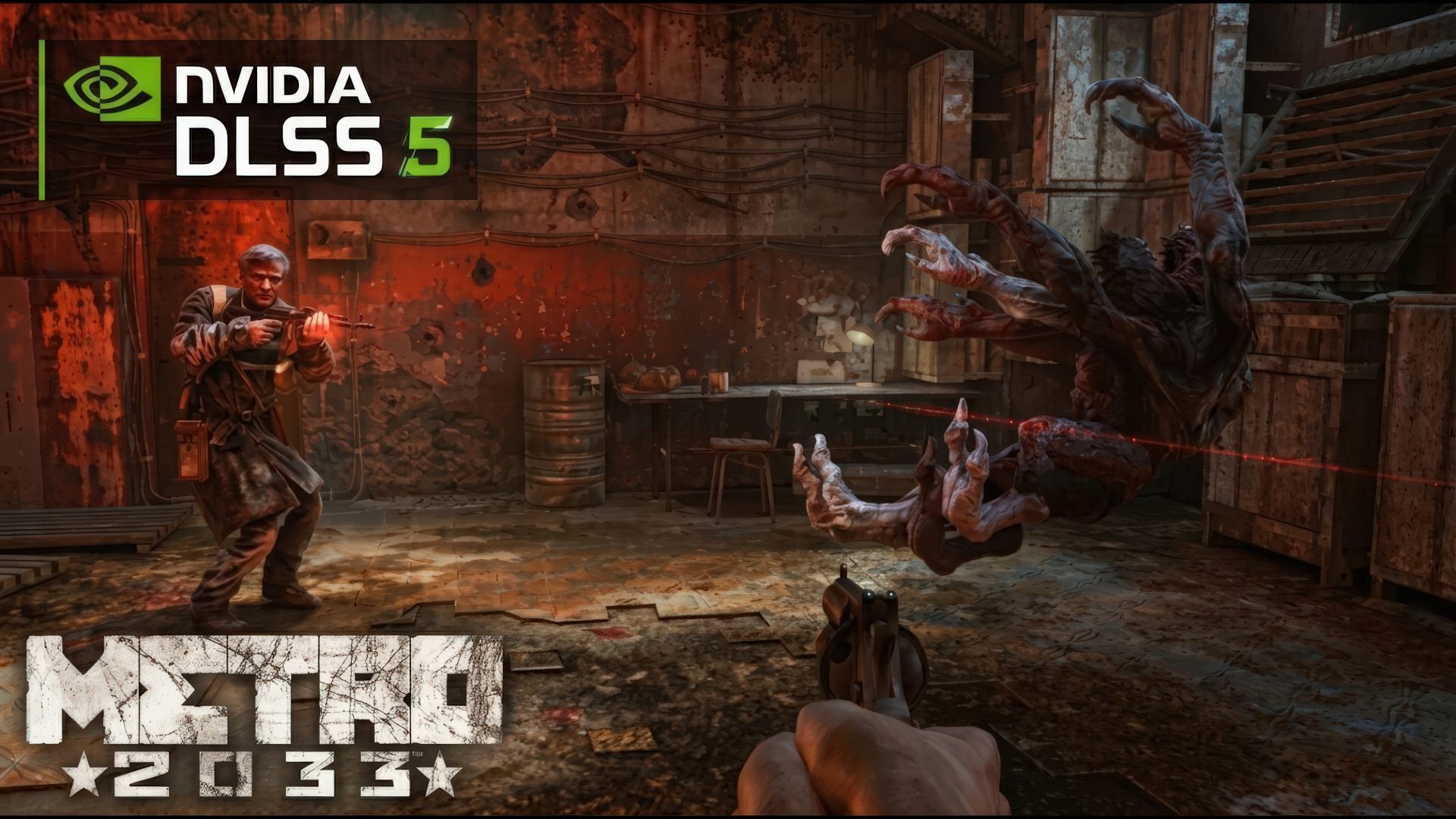
Yesterday, Ukrainian developer 4A Games released the METRO Redux Next-Gen Update for both Metro 2033 and Last Light, the first two entries in the acclaimed post-apocalyptic first-person shooter franchise.
The patch includes a host of technical improvements, including uncapped frame rate, various upscaling options (4A TSR, NVIDIA DLSS, AMD FSR), Screen Space Global Illumination, increased geometry details, increased texture details, 4K textures, improved PBR materials, improved animation and sound quality, spatial audio support, and support for Adaptive Triggers for DualSense and Impulse Triggers for Xbox controllers.
However, the most interesting addition wasn’t even listed in the official patch notes. METRO 2033 and Last Light Redux are the second and third games to officially support NVIDIA DLSS 5’s Neural Rendering, beating Hogwarts Legacy (which is adding support on November 5) to the punch by nearly two weeks.
Because of the lack of any fanfare, there are very few impressions of the DLSS 5 implementation. However, we found two. DSO Gaming posted a few comparison screenshots, showing that character faces look much better with DLSS 5 enabled.
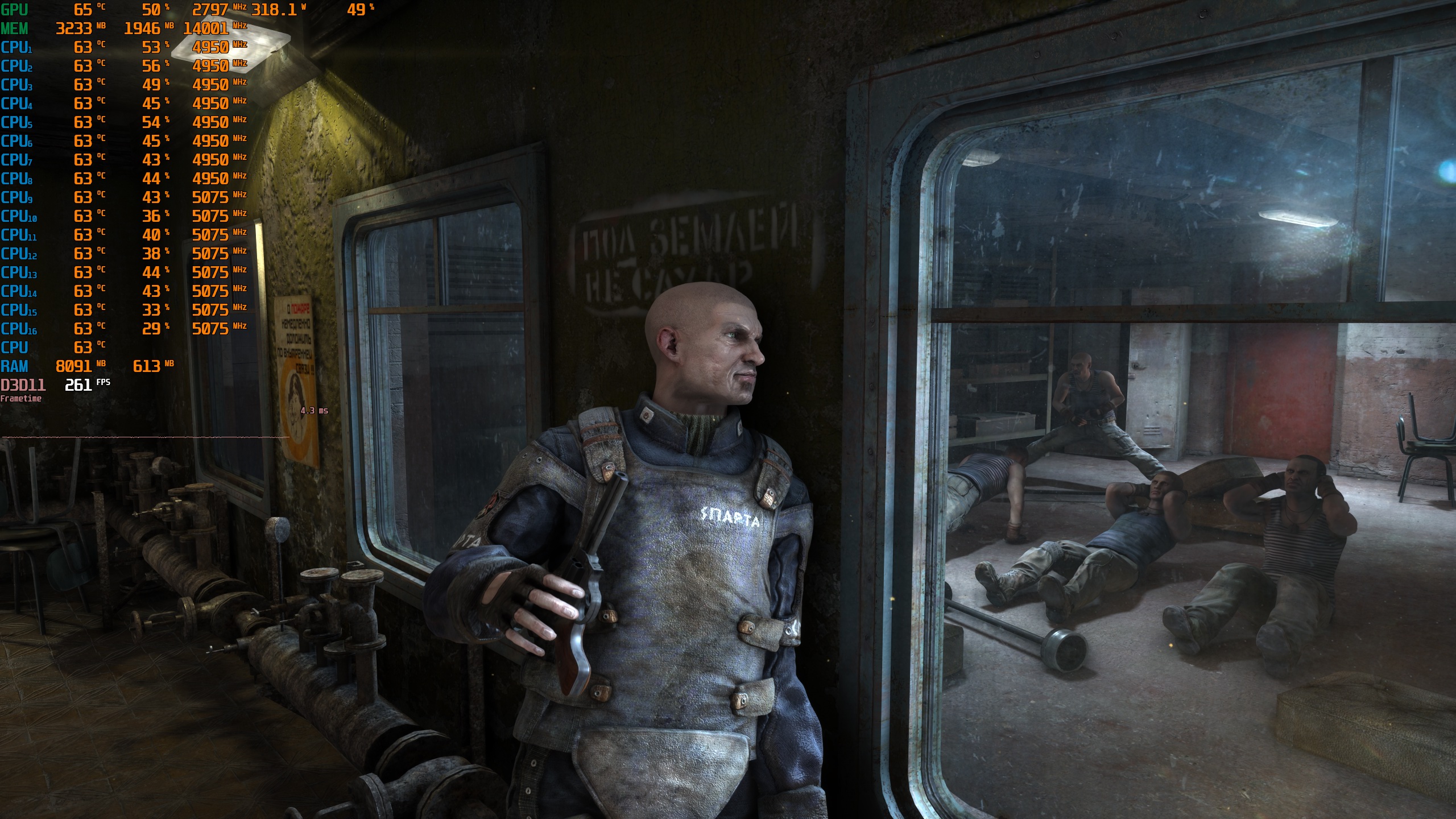
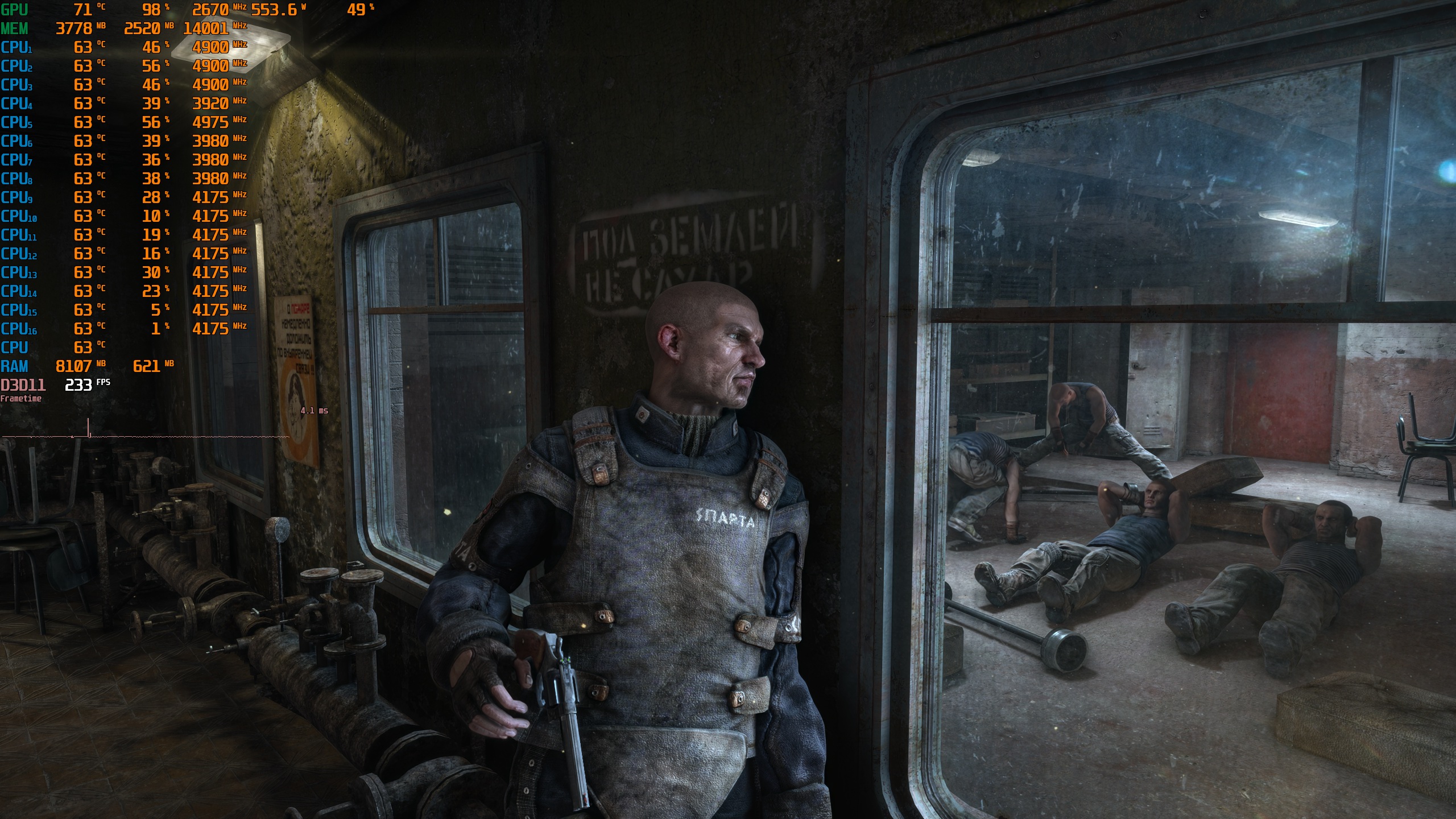
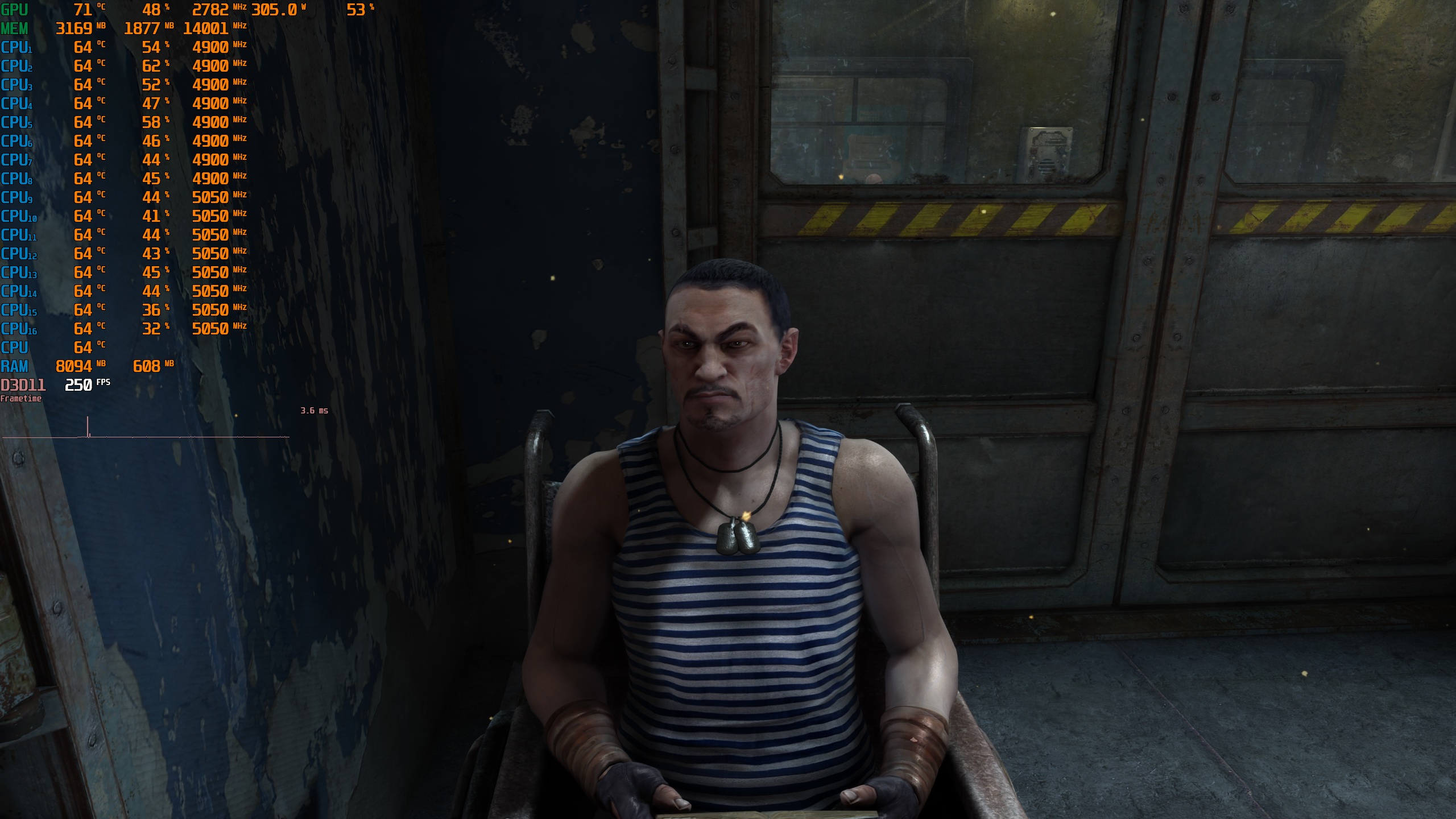
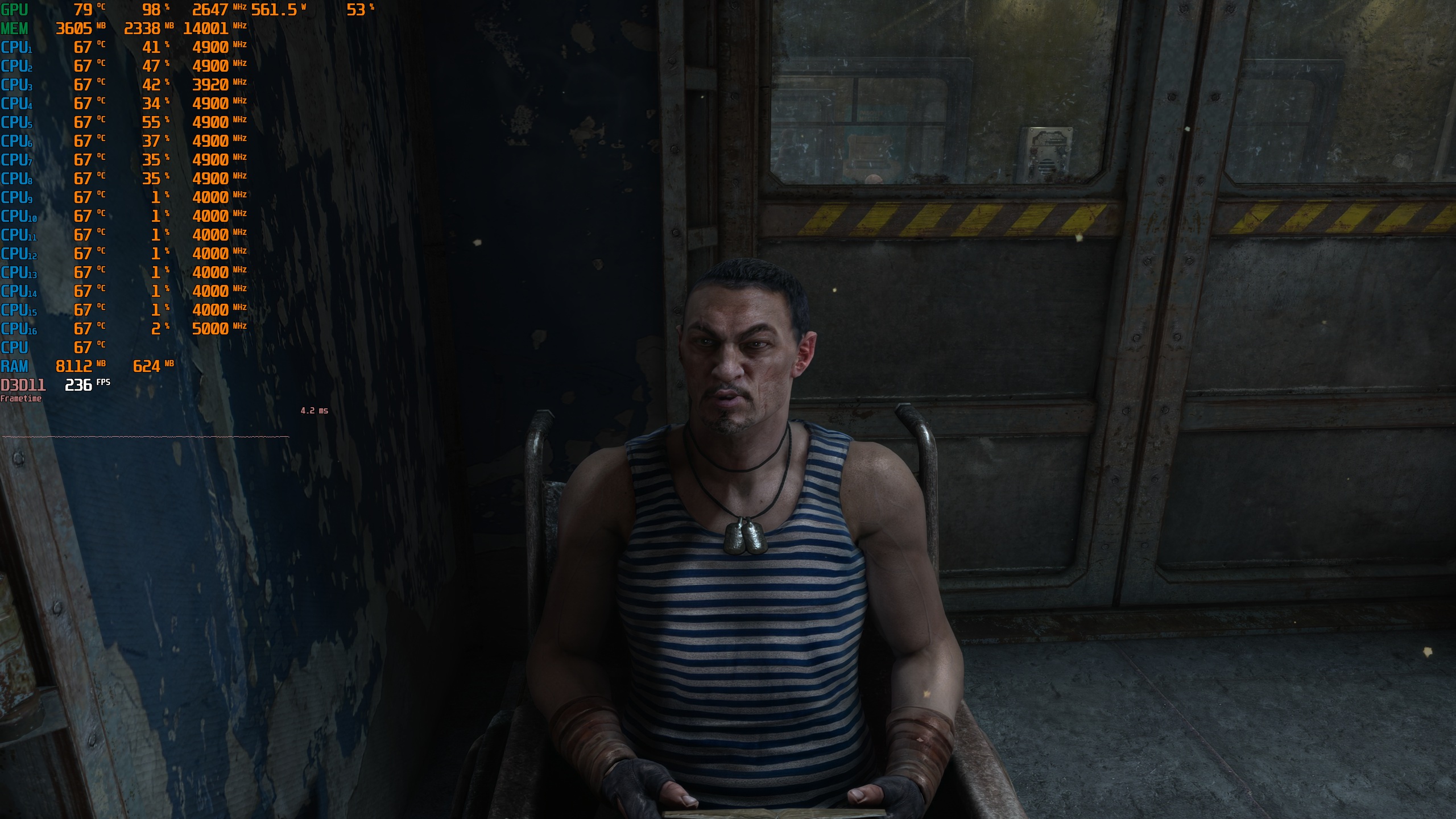
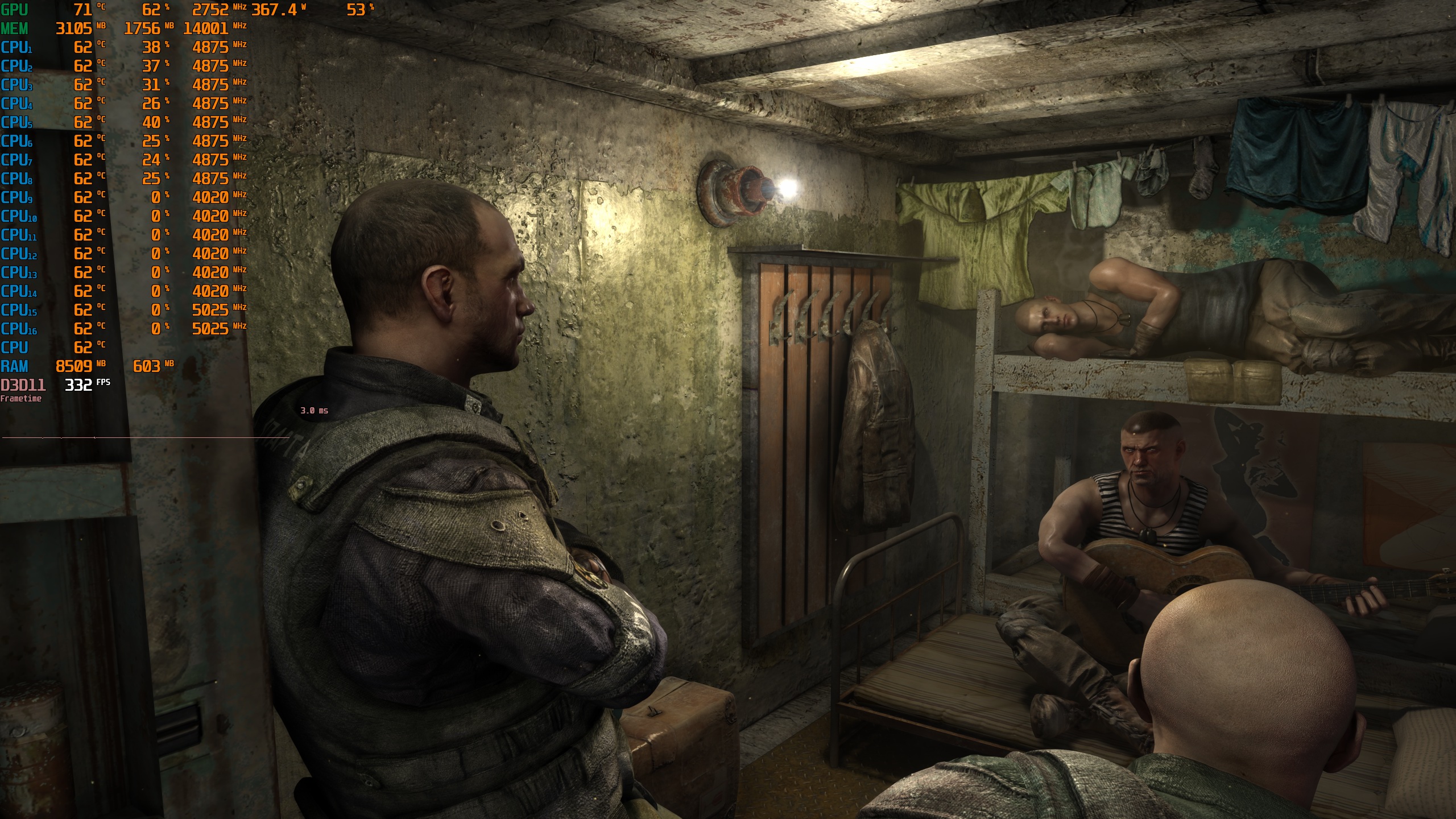
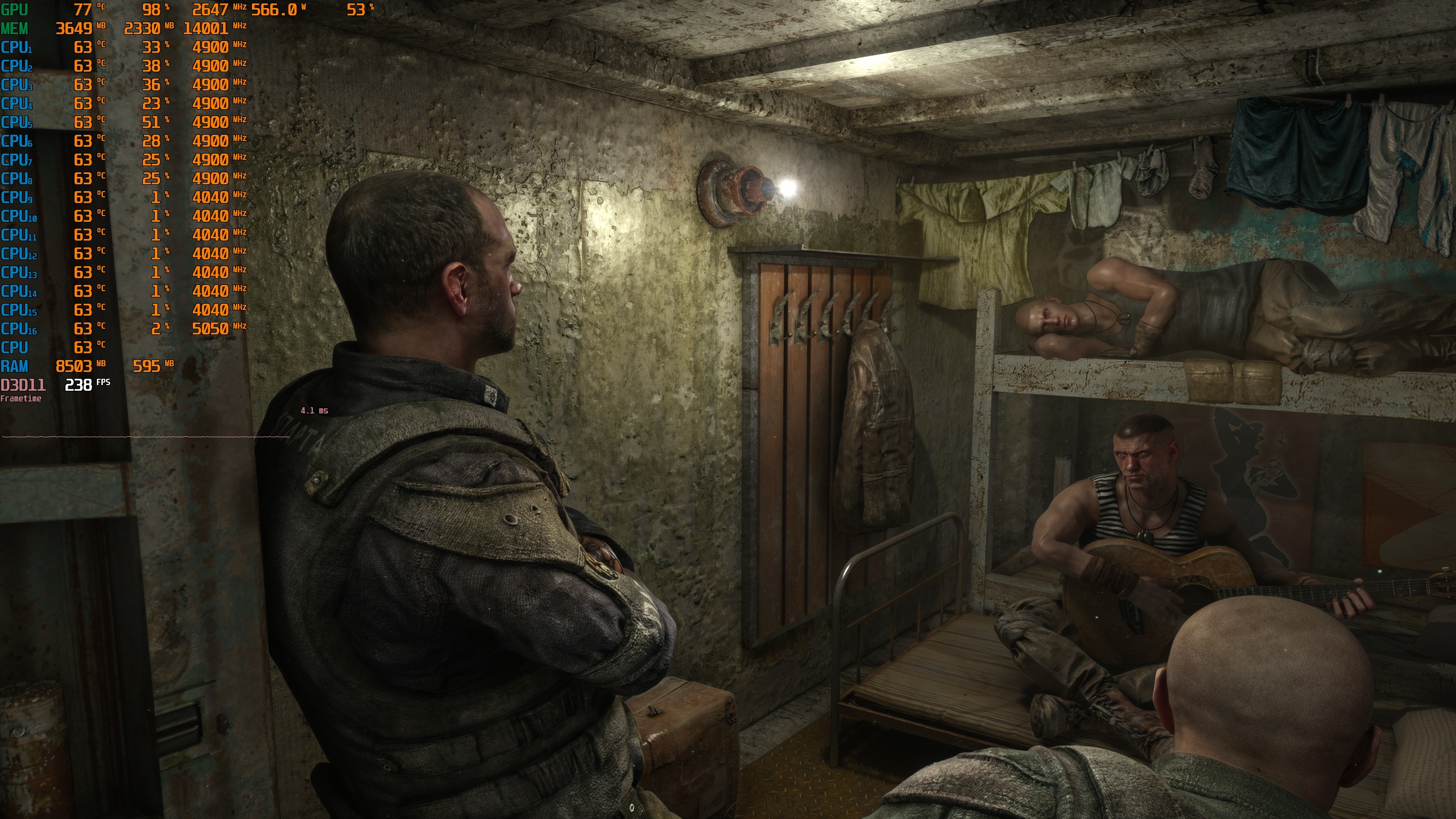
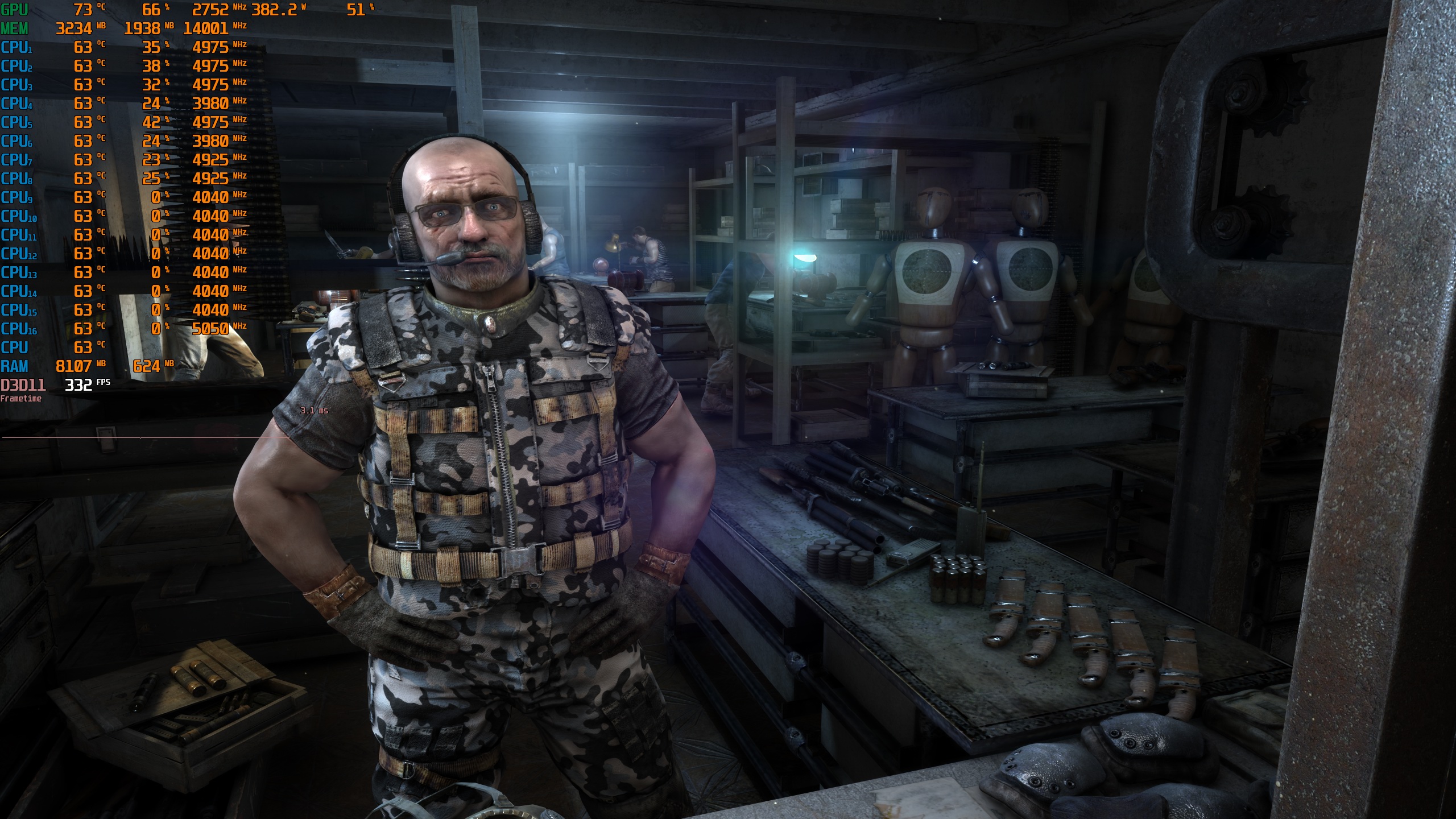
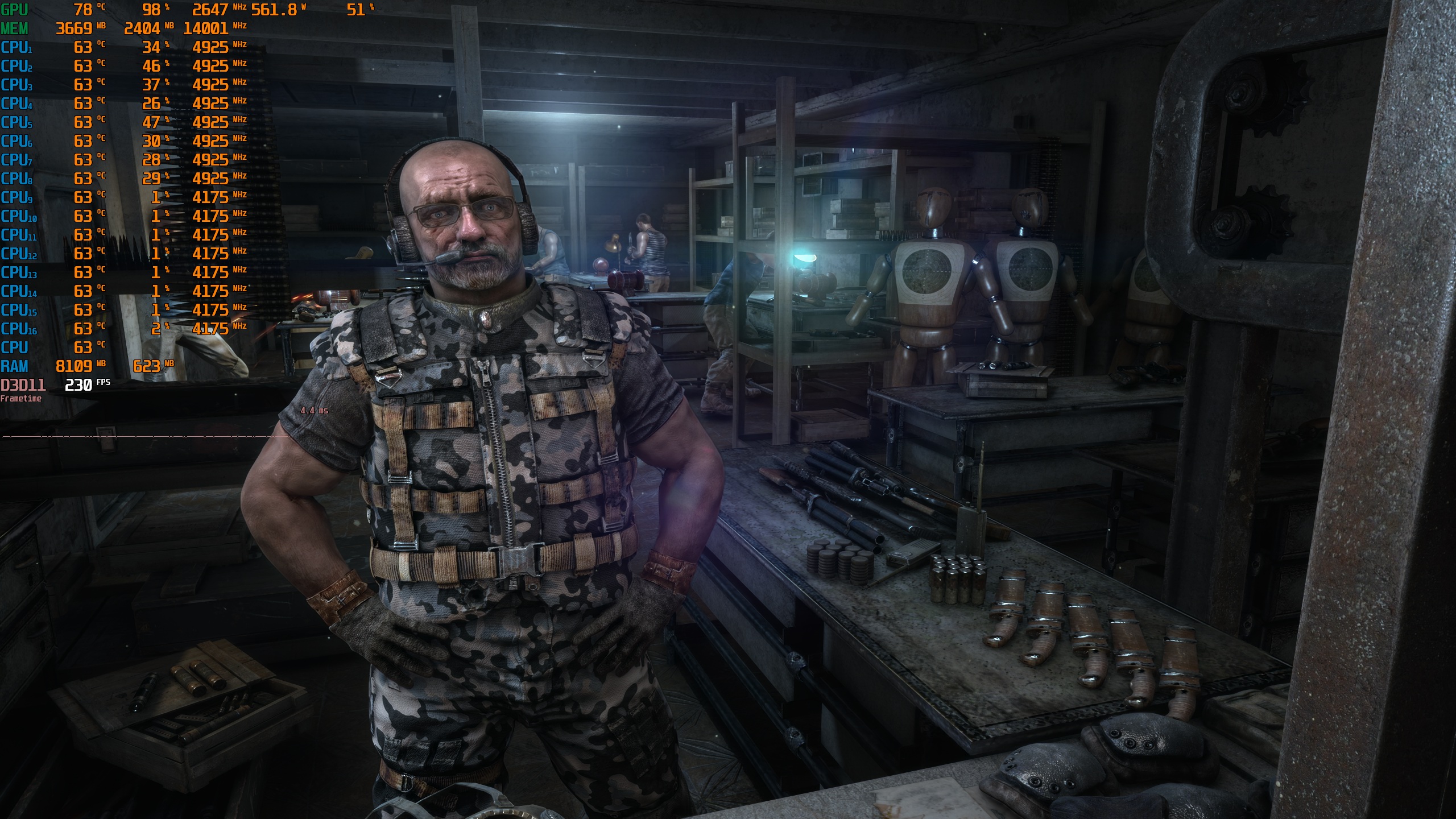
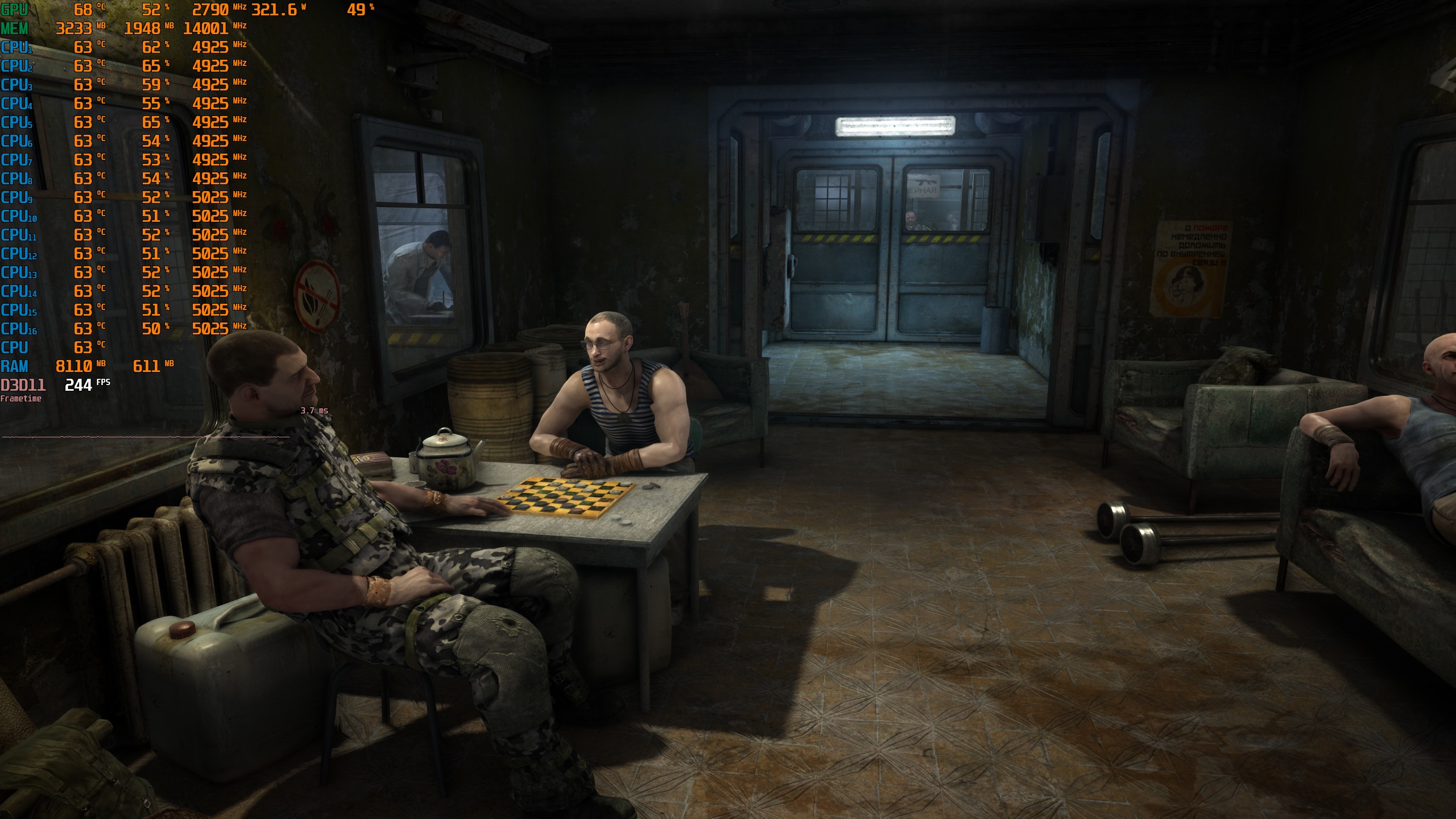
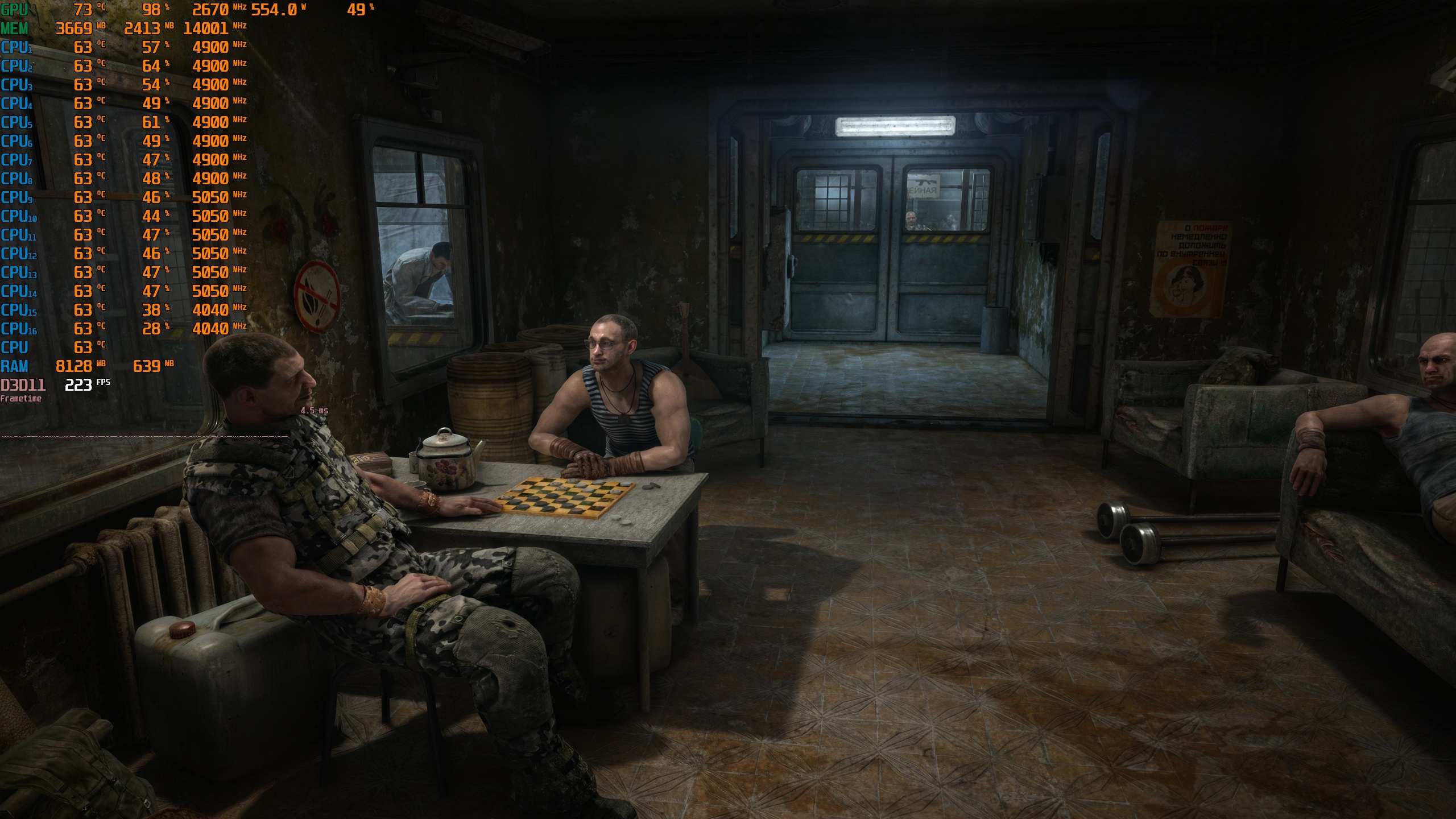
On the other hand, author John Papadopoulos noted that DLSS 5’s improvements to the environments were barely noticeable. This could be a deliberate choice on the developer’s side; we know that the SDK allows creators to selectively apply the Neural Rendering to various objects in a given scene. Perhaps they felt that the faces were the weak spot of these old games, while the rest still held up well enough.
The performance is hit is noticeable, suggesting this might be using the model that debuted with NBA 2K27 rather than the newer, faster one. Still, even after the Next-Gen update, these old games run at very high frame rates, so that’s not a big issue.

If you’d rather look at moving pictures, Brazilian YouTuber EZ captured around 10 minutes of gameplay of METRO 2033 Redux with the Next-Gen Update and DLSS 5 enabled. EZ agrees with Papadopoulos that NVIDIA’s Neural Rendering substantially improves character faces, while changes to the environments are subtle enough to require a still comparison to notice.
Regardless, it’s interesting to see more developers quietly adding this option. Whether that means 4A Games will support DLSS 5 with the upcoming METRO 2039 is unclear; it certainly wasn’t available in the preview build I played a couple of months ago, but that doesn’t mean it won’t be there when the game launches on February 4, 2027.
About the author: With over two decades of experience in gaming journalism, Alessio Palumbo has led the gaming vertical at Wccftech since August 2015. He started working at a young age for Italian websites like Everyeye.it, Gamestar.it, Nextgame.it, and Multiplayer.it before kickstarting the indie English-language publication Worlds Factory as its founder and Editor in Chief.
In the last decade, he has coordinated the overall output of Wccftech’s gaming section, managed PR relations, assigned reviews, produced daily news coverage, edited gaming content as needed, and delivered game reviews.
Arguably, his trademark content is the long series of exclusive developer interviews that have been cited by Wikipedia and by the biggest news media and gaming publications.
His passion for technology also makes him knowledgeable when it comes to gaming hardware and tech. His favorite genres include RPGs, MMORPGs, and action/adventure games.
Follow Wccftech on Google to get more of our news coverage in your feeds.
