

Posted in: Disney+, TV, TV | Tagged: Marvel Studios, Marvel Television, mcu
Marvel Studios Made TV/Streaming Shows Scapegoats for Its MCU Woes
Sadly, Marvel Studios has been slow-deathing the live-action series side of the MCU since “The Great Streaming Wars” ended in 2023.
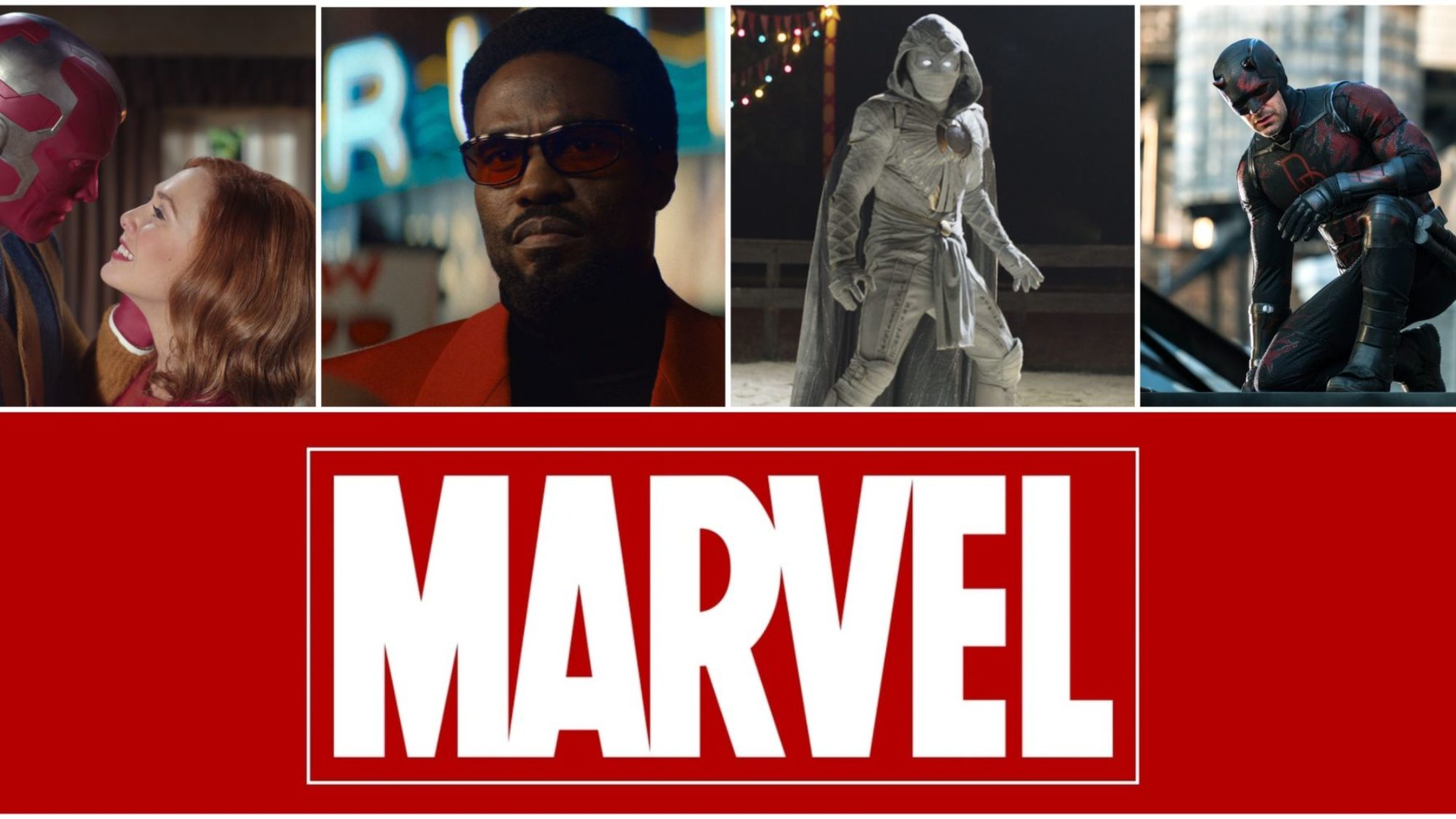
Unfortunately, we weren’t surprised when the news broke that Yahya Abdul-Mateen II and Ben Kingsley-starring Wonder Man was canceled – despite having been given a Season 2 green light back in March. We were more surprised that it got picked up by Marvel Studios in the first place – and that has nothing to do with the highly-praised series. In fact, let’s take a look at the upcoming Paul Bettany-starring VisionQuest, the third and final act, following WandaVision and Agatha All Along – two of Marvel Studios’ greatest creative successes over the course of its run.
Set to hit screens this October, the series was treated pretty much as an afterthought at San Diego Comic-Con (SDCC). What did we get: a few words about it from Marvel Studios head Kevin Feige, and that was pretty much it. Good luck finding references to it in the SDCC marketing materials that Marvel Studios sent out after its Hall H spectacle. And those examples are from just the past few weeks – don’t get me started on the lackluster marketing for Ironheart and Eyes of Wakanda. Marvel Studios is walking away from any serious commitment to live-action MCU series – and the sad part is, we’ve been talking about this for the past three years. Let’s jump into Bleeding Cool’s TARDIS for an impromptu history lesson!
During a July 2023 interview with CNBC, then-Walt Disney Company CEO Bob Iger made it clear that changes were on the way to the number of films and shows Marvel Studios would be producing moving forward. “You pull back not just to focus, but also as part of our cost containment initiative. Spending less on what we make, and making less,” Iger shared, offering Marvel’s move into original streaming content as an example. A year later, Iger would have a number to share during the company’s quarterly earnings call: “We’re slowly going to decrease volume and go to probably about two TV series a year instead of what had become four and reduce our film output from maybe four a year to two, or a maximum of three.”
Speaking with David Faber for CNBC’s Squawk Box during Idaho’s Sun Valley Conference, Iger didn’t mince words when he offered who he thought was to blame for Marvel Studios’ woes. “There have been some disappointments. We would have liked some of our more recent releases to perform better. It’s reflective not as a problem from a personnel perspective, but I think in our zeal to basically grow our content significantly to serve mostly our streaming offerings, we ended up taxing our people way beyond — in terms of their time and their focus — way beyond where they had been,” Iger said. “Marvel’s a great example of that. They had not been in the TV business at any significant level. Not only did they increase their movie output, but they ended up making a number of television series, and frankly, it diluted focus and attention. That is, I think, more of the cause than anything.”
But in October 2023, Brad Winderbaum, Marvel’s head of streaming, television & animation, who was bumped up to Head of Marvel Television, Animation, Comics & Franchise earlier this year after more major across-the-board changes and cuts at Disney, offered us some hope. “We’re trying to marry the Marvel culture with the traditional television culture,” he shared. “It comes down to, ‘How can we tell stories in television that honor what’s so great about the source material?'” That would include embracing the idea of showrunners, having television executives overseeing shows (not film executives), a return to having a “pilot season,” and a commitment to shows having multi-season runs.
Since that time… have things gotten better? Yes, Marvel Animation is killing it with animated projects like X-Men ’97 and Your Friendly Neighborhood Spider-Man. But on the live-action side, what’s really left? We’ve got a third season of Daredevil: Born Again, but we will never think of that as a Marvel Studios series. It was a Netflix series that kicked so much ass that Marvel Studios had no choice but to bring it back – especially after early efforts to “MCU-ize” the magic that Charlie Cox and Vincent D’Onofrio helped create resulted in a good chunk of the first season being scrapped or retooled. And guess who was brought in to help right the ship? Yup, the folks behind the Netflix series.
Just so we’re clear, I’m not saying that streaming series didn’t play a role in the bigger-picture issues that Marvel Studios has suffered from – but it’s also not a smoking gun. A run of lackluster and creatively questionable films didn’t exactly help matters. Let’s not forget “The Great Streaming Wars,” when every studio believed that the grass was greener on Netflix’s side, so they took their shot at the king – and made some questionable calls along the way. In the end, Netflix would still keep the crown, leaving everyone else to lick their wounds and roll out a number of brutal cost-cutting measures. And then there are those who believe Marvel Studios’ MCU suffered from not rebooting after Avengers: Endgame, requiring viewers to do more MCU homework to understand what’s going on before checking out a new film or show.
Enjoyed this? Please share on social media!

Stay up-to-date and support the site by following Bleeding Cool on Google News today!
