

A young woman comes ashore on a strange and distant land.
Bewitched by the locals’ customs, she falls into a messy love triangle in a world in which clothing and social class are governed by hidden rules.
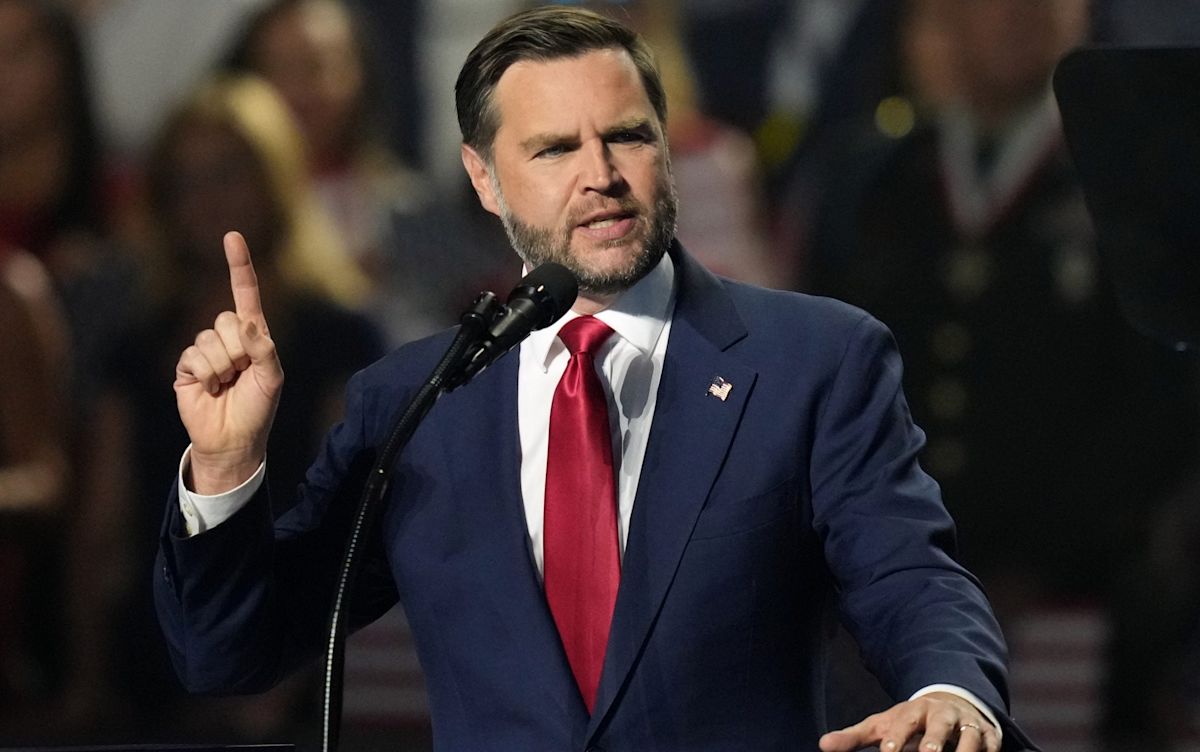
This is not the plot of Twelfth Night, but rather the glossy Netflix series Emily in Paris, which has been hailed by none other than JD Vance, the US vice-president, as the “Shakespeare of our time”.
Mr Vance proclaimed the streaming hit, which has been dismissed by critics as “a whirlwind of nonsense” and “contemptibly moronic”, as “the masterwork of American television”.
In what he called a “meta-analysis”, he said the series, a mix of fabulous fashion, dishy suitors and no end of Gallic eye-rolling, was nothing less than “genius”.
Panned mercilessly by critics but adored by millions of viewers, the series follows the adventures of Emily, played by Lily Collins, a junior marketing executive in the world of fashion.
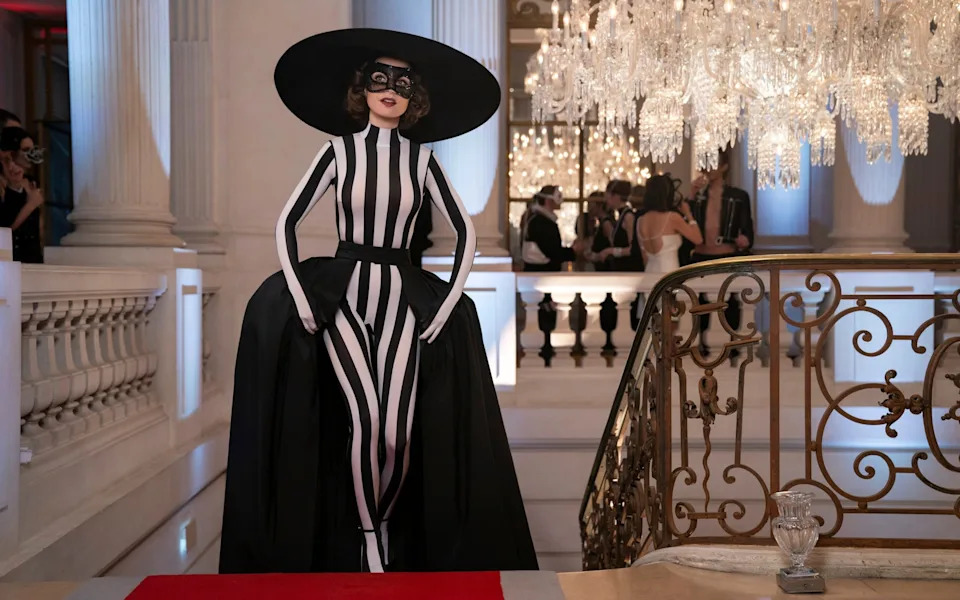
Debuting in 2020, the show documents her complicated love life, perky demeanour, myriad outfit changes and inability to learn a word of French.
“Emily in Paris is about this sort of bubbly girl who goes to Paris and has a cool job and has great experiences and drinks fine wine and does all the things you would do in Paris,” Mr Vance said.
“But what it actually is, is a massive cultural criticism of millennial decision-making. She goes to Paris, and it’s obvious to everybody watching the show that she should end up with the French chef [the character Gabriel, played by Lucas Bravo]. She should marry this guy. They should start a family. Whether in Paris or America, they should build a life together. That’s what they should be doing.”
Mr Vance may have been referring to studies that suggest that millennials – people born between 1981 and 1996 – sometimes struggle with making life decisions because of an abundance of choice, information overload, the legacy of the Covid pandemic and financial stress.
Gabriel, the handsome chef, should “obviously end up with (Lily), not the various craziest people that bump in and out of his life”, Mr Vance said.
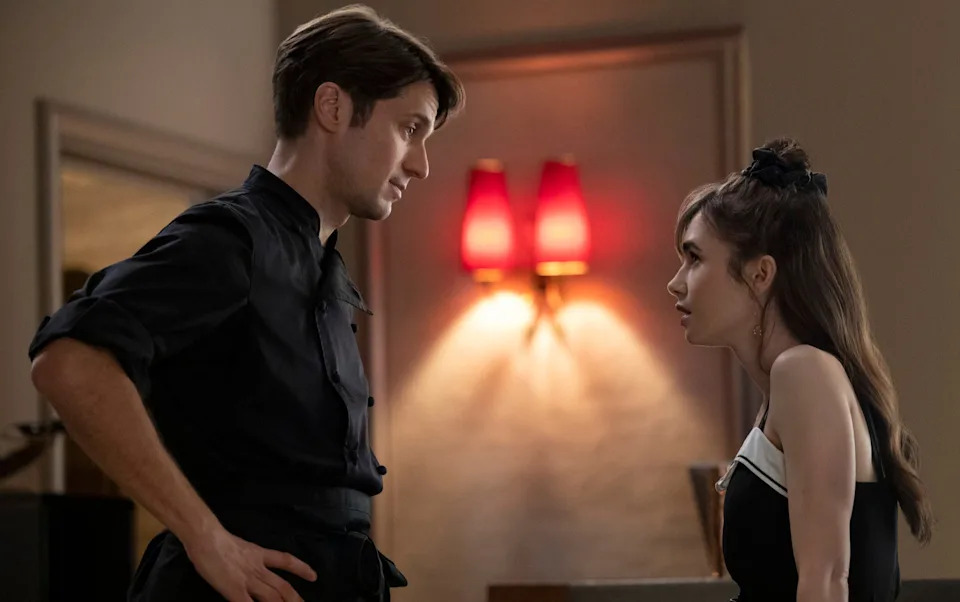
He said: “What both of them do is they make a series of absurd, sometimes hilarious, sometimes not particularly believable, mistakes where she ends up with a bunch of random people or focuses on her job.
“The fact that they keep on making atrocious decisions is kind of like the best bit of cultural commentary, I would say cultural criticism of my generation, the millennials. It is, at the risk of overstating it, the Shakespeare of our time.”
The unusual critique of Emily in Paris could perhaps be an attempt by Mr Vance to connect with younger, female voters before the US election in 2028, in which he is expected to run for the Republican nomination.
A huge hit for Netflix, Emily in Paris will wrap up later this year with its sixth season. The series has seen Emily live not just in Paris but also in Rome, where she predictably fell for a tall and dark local Lothario.
In both capitals, locals complained that their cities were portrayed in an unrealistic, saccharine manner, with the streets free of graffiti, dog poo and rubbish.

Darren Star, the creator of the series, has said that he never intended to portray places with gritty realism. The show was intended as “a love letter to Paris”, he said.
Critics, however, have been brutal. “No cliché is spared,” said one reviewer, remarking that Paris was depicted as a city of “Coco Chanel, Moulin Rouge and baguettes”.
A British critic described Emily in Paris as “a silly, soapy whirlwind of nonsense” and “a work scheme for people who can’t act”.
Bazaar magazine called the series “unrealistic, ludicrous and completely ridiculous”.
But Shakespeare too was dismissed as an “upstart crow” by his contemporaries, Mr Vance may well have added.
Try full access to The Telegraph free today. Unlock their award-winning website and essential news app, plus useful tools and expert guides for your money, health and holidays.
