

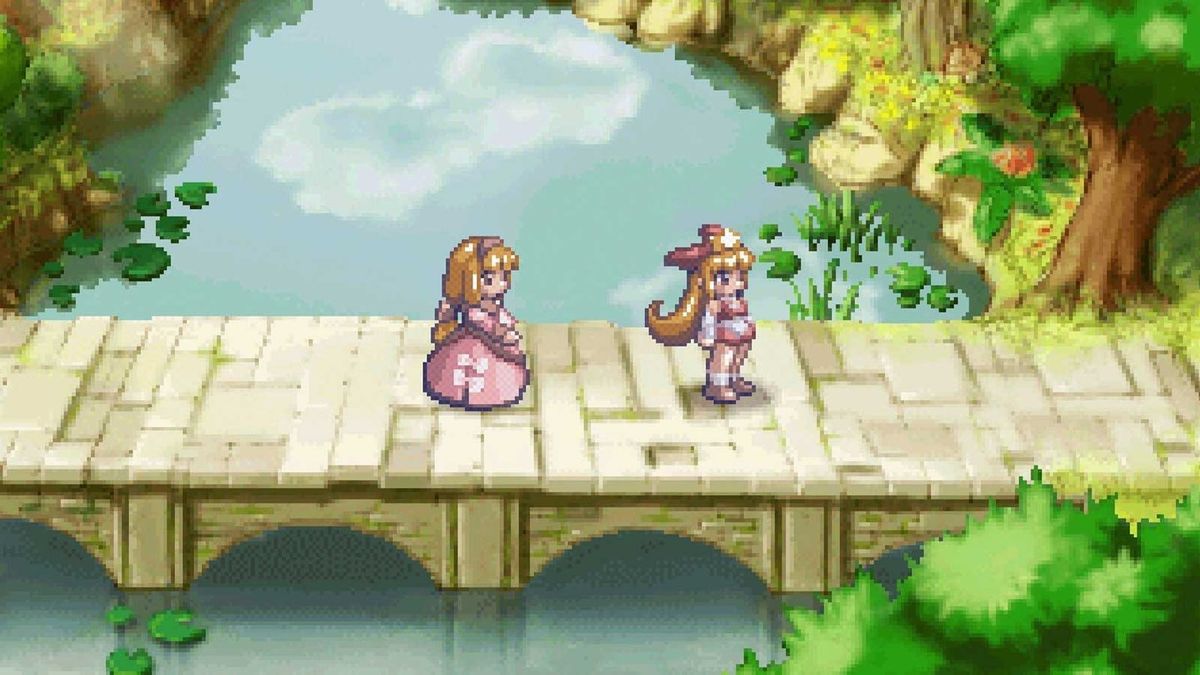
The PlayStation 1 era is one that oozes nostalgia, so there are going to be plenty of gamers thrilled to see a 1999 RPG make its return.
The hype may not, however, be quite as widespread as expected, as the game in question features a particular quirk.
As spotted by ComicBook, the 27-year-old Rhapsody II: Ballad of the Little Princess from Nippon Ichi Software has officially made its return.
This PS1 title has made its way to Nintendo Switch with a $20 port now available.
The port is available worldwide and forms part of the Console Archives series which revives hits of yesteryear.
It’s not the first time Rhapsody II: Ballad of the Little Princess has made a comeback after a PC version of the title landed in 2023.
As for why this port may suffer, the Nintendo Switch port – much like the PC one that came before it – is only available with Japanese audio, even though an English version does exist.
Rhapsody: Marl Kingdom Chronicleslaunched on Nintendo Switch in 2023, encompassing both Rhapsody II: Ballad of the Little Princess and Rhapsody III: Memories of Marl Kingdom in, you guessed it, English.
That duo of games retails for £44.99 / $49.99, so is anyone going to spend $20 on the Japanese-only version of Rhapsody II: Ballad of the Little Princess that’s just launched?
We’re sure a few people will, especially those who want to experience the OG version of this RPG classic, but its appeal is quite niche when theRhapsody: Marl Kingdom Chroniclesrelease already exists.
We should stress that the individual port does feature English subtitles. Developers just decided, for whatever reason, not to include the full audio.
The port has gone down well already with players on PC: “an amazing sequel”
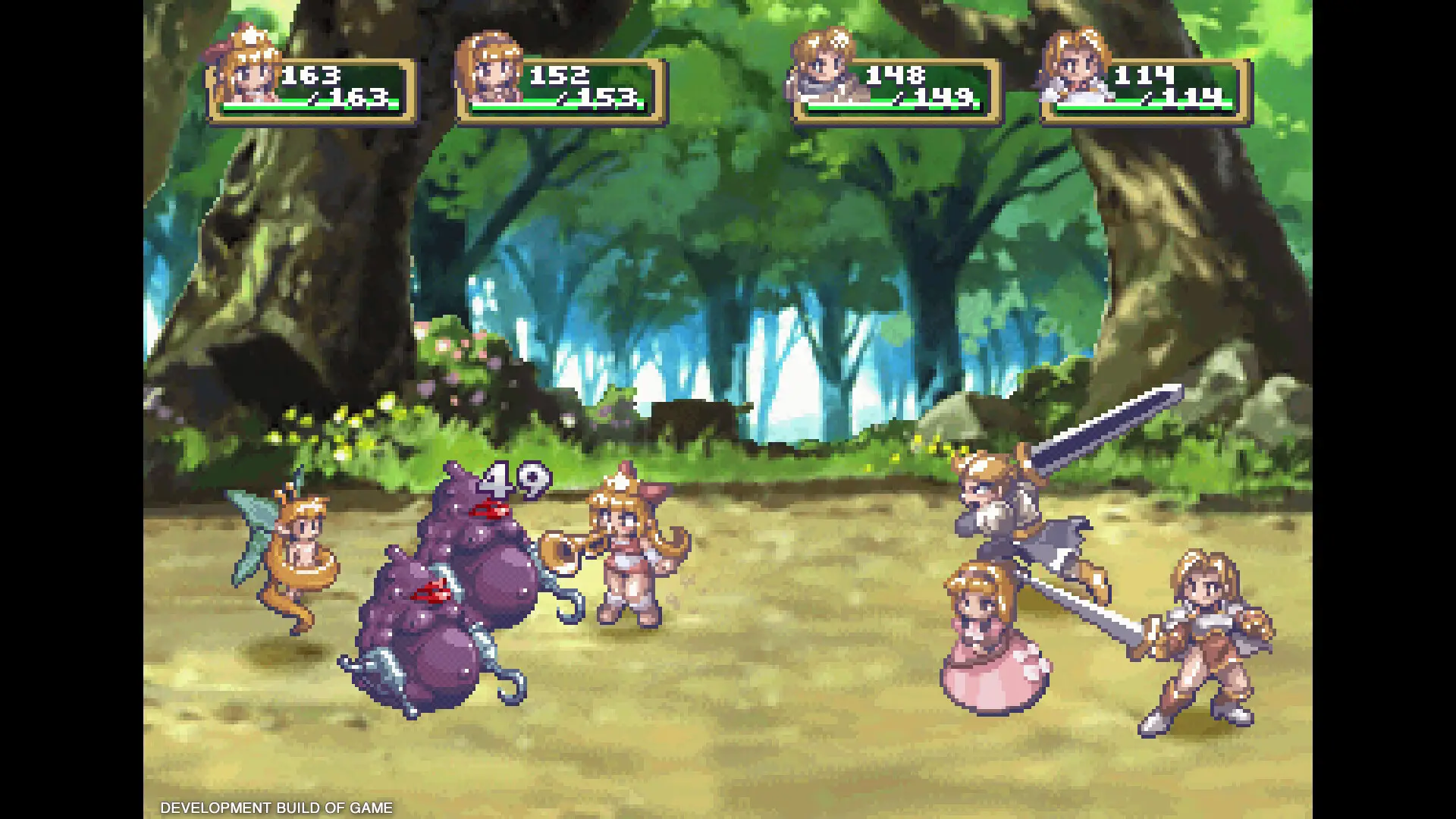
If you’re unfamiliar with Rhapsody II: Ballad of the Little Princess, allow us to set the scene.
NIS America, Inc.
It surrounds Kururu, who has set out on a journey to find herself a prince, following in the footsteps of her mother Cornet.
“Now 12 years old, she decides to embark on her own journey to find her true love. But Kururu will soon find that the path to happily ever after is not as enchanting as the stories make it seem, and is teeming with dangerous beasts, dark plots, and other unseen obstacles,” the synopsis reads.
“Can she find the strength of heart to see her journey to its end and learn what true love really means? Complete with more songs, a new turn-based battle system, and a story both new yet familiar, Rhapsody II is ready to make its magical debut in the West and make your heart sing!”
The port, which you can now find on Nintendo Switch, boasts a respectable rating of 87% on Steam.
“An amazing sequel to one of my favourite RPG games of all time,” said one happy player, while another added, “Better than the first one in every way. Really fun.”
We’re always happy to see games from our childhoods return, especially in today’s industry where ownership and game preservation prompt such major concerns.
Featured Image Credit: NIS America, Inc.

1 Comment
Pingback: Ahsoka Season 2 Release Date Confirmed: Here Is Everything You Need to Know - Comic Vibe