

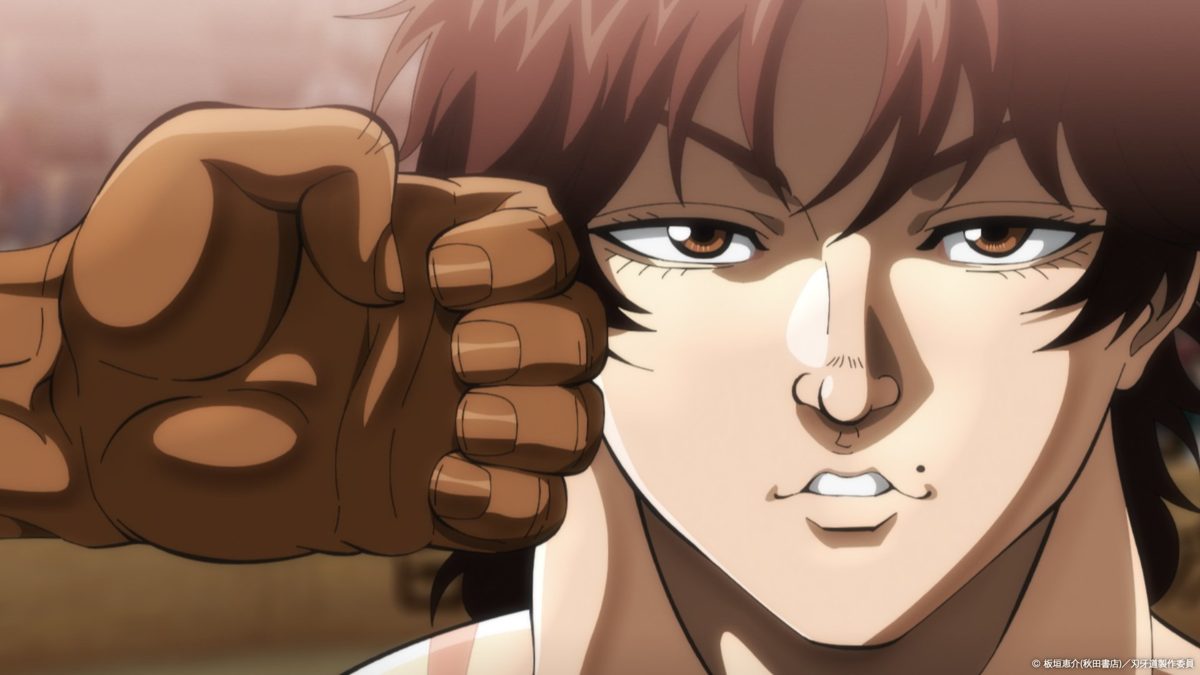
Related reads:BAKI-DOU: The Invincible Samurai Images
IGN Otaku Update is IGN India’s original column series exclusively dedicated to covering the animanga fandom and market.
Baki began serialisation in Japan’s Weekly Shonen Champion in 1991, and creator Keisuke Itagaki has never stopped drawing it. The story follows Baki Hanma, a teenage fighter obsessed with defeating his own father, Yujiro Hanma, a man so physically dominant he’s treated as a walking natural disaster by every government on Earth. Over six manga series and more than 155 collected volumes, Itagaki has sent Baki through underground tournaments against death-row convicts, ancient Chinese martial artists, and historical fighters resurrected through cloning, all while obsessing over the exact mechanics of muscle, bone, and blood loss with the precision of a medical textbook. The current chapter of that story is called Baki Rahen, running since 2023, and the Netflix anime adapting the franchise’s more recent material is titled BAKI-DOU.
In this edition of IGN Otaku Update!, I exclusively interviewed two people responsible for keeping that machine running. Yuki Yokoi served as the Baki manga’s editor at Akita Shoten, the series’ Japanese publisher, from 2007 to 2016, the longest tenure of any editor on the title, and now works as General Manager of Advertising and Publicity while continuing to supervise the anime. Takayoshi Aso is an animation producer at TMS Entertainment’s Studio 5 and a key figure behind the Netflix Baki series, including BAKI-DOU.
Together they discussed how far the anime can run ahead of an unfinished manga, why Netflix agreed to distribute a show built around graphic violence and near-fetishistic anatomical detail, and what’s kept a 35-year-old fighting story generating internet memes decades after its first chapter.
Six Manga Series, One Entry Point
Most long-running manga franchises accumulate so much backstory that new readers need a guide just to know where to start. Baki has the opposite problem: six separate series (Baki the Grappler, New Grappler Baki, Baki Hanma: Son of Ogre, two different series both titled Baki-Dou, and now Baki Rahen) that largely follow one continuous cast, yet Itagaki writes each fight and each chapter as something a reader could plausibly pick up cold. Yokoi said that openness is deliberate, and it’s part of why the anime hasn’t needed retooling for viewers outside Japan.
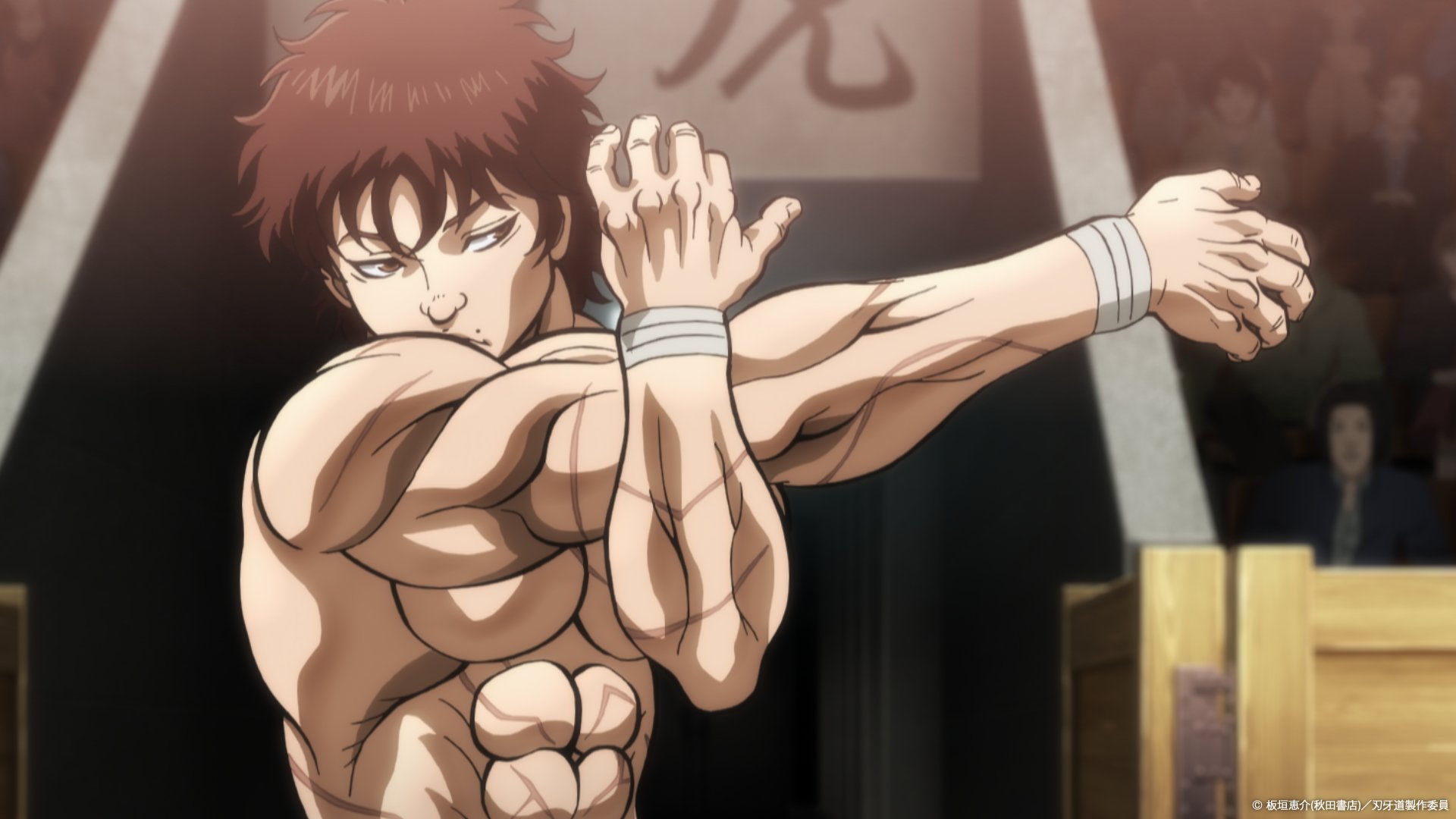
“The world of ‘BAKI’ that Itagaki-sensei creates is always built so that readers can jump in and start reading from anywhere,” Yokoi said, adding that BAKI-DOU itself represents a narrative fresh start within the larger timeline.
Aso made a similar point from the production side. Rather than softening pacing or adding context for international audiences unfamiliar with the earlier series, the studio built the anime around the same qualities that have carried the manga for three and a half decades: relentless fight choreography and characters defined almost entirely by how hard they hit and how much they can take.
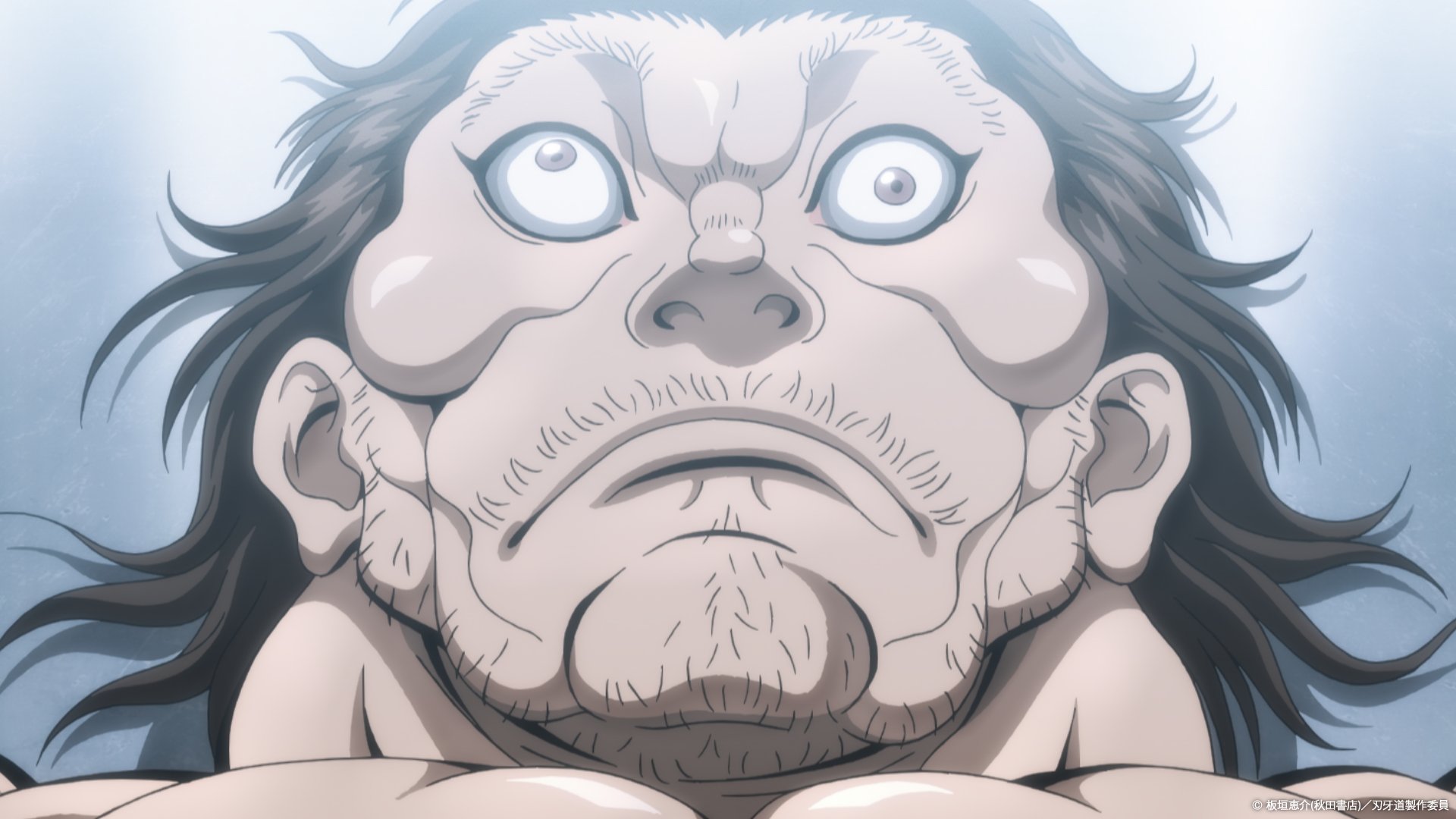
“The original ‘BAKI-DOU’ is such a compelling work that it draws in even first-time viewers,” Aso said, “so rather than adding adjustments aimed at overseas audiences, we made it a point to put the raw intensity, breathtaking pace, and powerful individuality of the
Adapting a Story Itagaki Hasn’t Finished Writing Yet
Baki Rahen, the sixth and current manga series, is still being serialised in Japan, which puts BAKI-DOU in the position every long-running shonen adaptation eventually faces – how much can the anime cover before it catches up to a story that doesn’t yet have an ending on the page? Both Yokoi and Aso stopped short of confirming what’s next, but neither suggested the anime is anywhere close to running out of road.
“Fortunately, the series still has a long way to go, and there are even installments that haven’t been made into anime yet, so at this point we have no thought of animating scenes that haven’t been drawn,” Yokoi said, pointing out that entire earlier arcs of the manga remain unadapted, giving the anime years of existing material to work through before it would ever need to catch up to Itagaki’s current chapters.
Aso wouldn’t comment on specific future seasons but was direct about the studio’s intentions. “The ‘BAKI’ series has many other fascinating stories to offer, so we feel strongly about continuing to bring them to the screen,” he said, adding that improving the animation’s overall quality remains a priority going forward.
A Netflix Show Built Around Bone Breaks and Blood Loss
Baki is not a typical Netflix anime acquisition. Fights routinely end in compound fractures, ruptured organs, and combatants who keep fighting after injuries that would kill most people, all rendered by Itagaki in obsessive anatomical detail. It’s a tone and level of graphic content that sets Baki apart even within TMS Entertainment’s own slate, and Aso confirmed that gap is real, not exaggerated for effect.
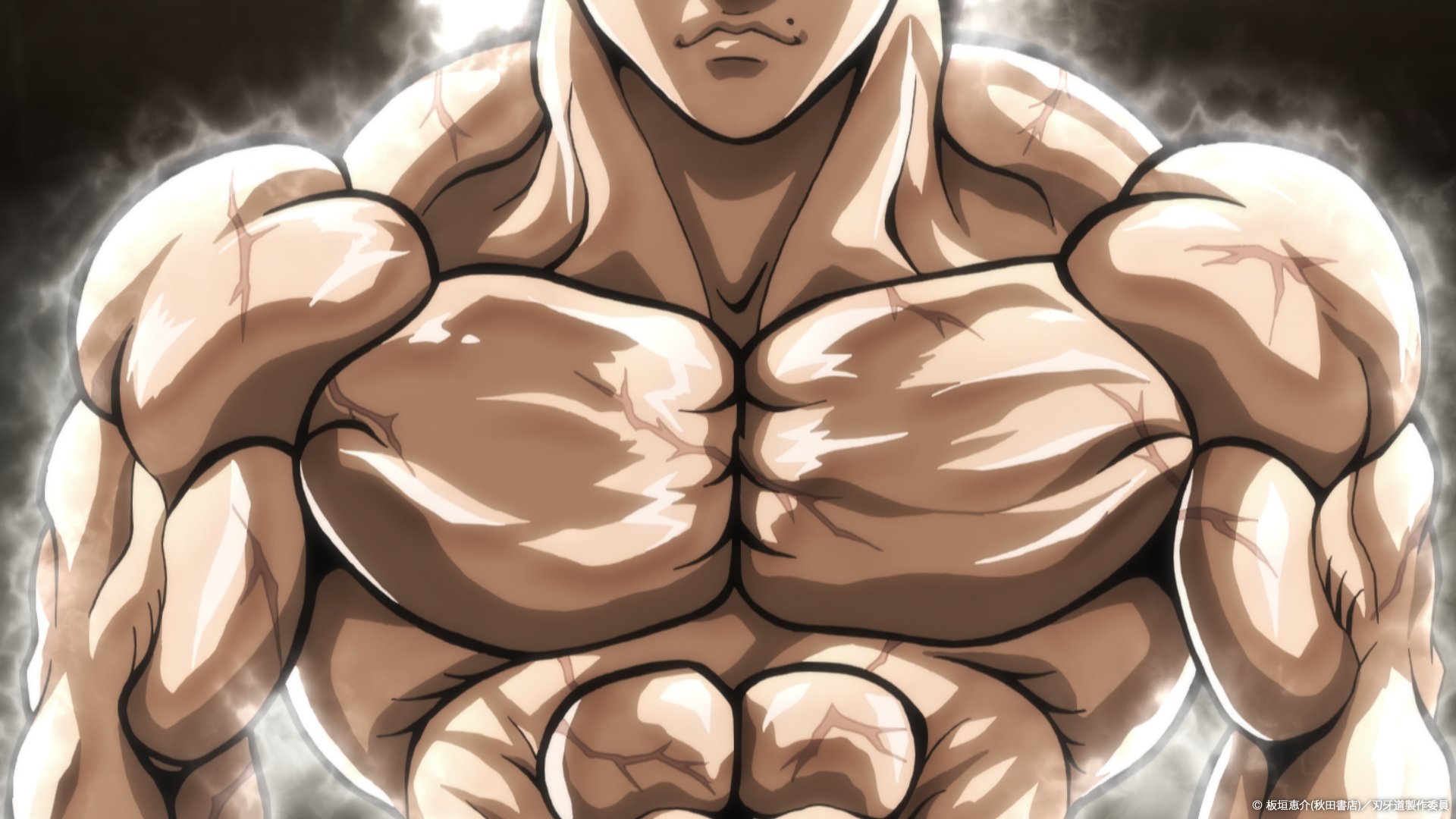
“It’s true that, compared with other TMS titles, BAKI contains a great deal of extreme content,” Aso said. Rather than treating that as a problem to manage around, the production team and Netflix arrived at a shared philosophy early, which is to adapt it straight, without trimming the violence down for a broader audience. “We produce it in the belief that portraying the original as faithfully as possible is the best way to convey the work’s appeal to viewers. This is an understanding we share with Netflix, and we produce it together so that we can deliver it to everyone without undermining the world of the series.”
How a 1991 Fighting Manga Keeps Getting Viral on Twitter
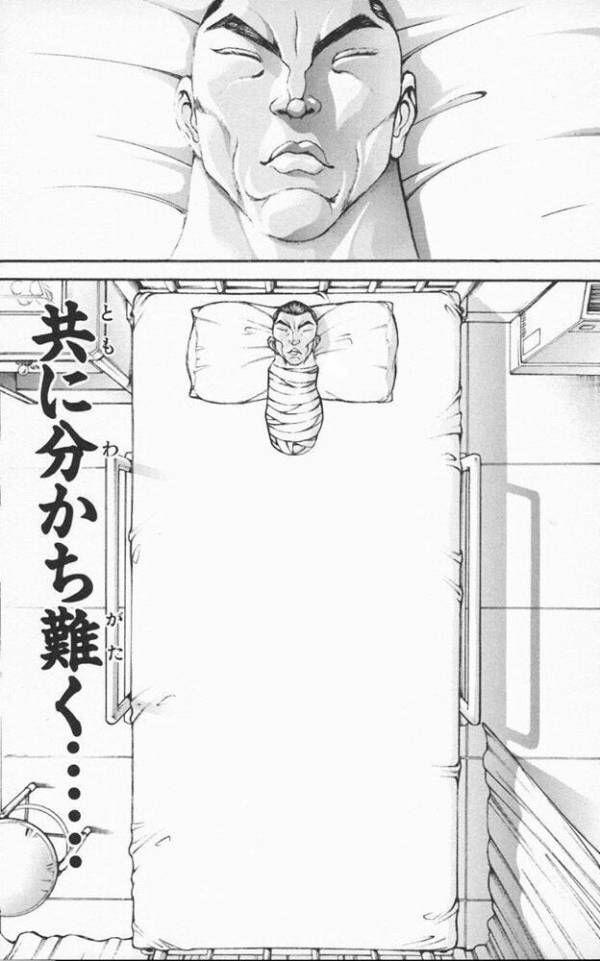
The Baki series has sold more than 100 million copies in print since it began, and its influence shows up in places well outside manga readership, from bodybuilding forums to meme accounts that circulate panels of Baki’s absurdly exaggerated musculature or Yujiro Hanma’s over-the-top dialogue completely detached from their original context. Asked what’s actually kept the franchise culturally alive across 35 years and six separate manga series, Aso pointed to the series’ philosophy rather than any single storyline.
“I think the biggest reason the BAKI series has been loved for so long lies in its one-of-a-kind world and its distinctive philosophy,” Aso said. “Many people are captivated by the way its characters live in pure pursuit of strength, and by the extreme realism born of its meticulous depictions of the body. Its memorable lines and scenes turn into memes across generations, and its power to keep generating conversation on social media and elsewhere is, I think, wonderful.”
What Overseas Fans Actually Change
Baki’s fanbase outside Japan has grown considerably since Netflix began distributing the anime internationally, and that audience is vocal, particularly in reaction to new manga chapters as they’re translated and discussed online. Yokoi confirmed that feedback does reach Itagaki directly, though not in a way that hands readers control over where the story goes.
“The editor in charge relays the reactions of all fans, including those in Japan and overseas, to Itagaki-sensei every day,” Yokoi said. What Itagaki does with that information is closer to calculated defiance than accommodation. “It seems to me that the sensei creates his work with a strategy designed to meet everyone’s expectations while also defying and surpassing what they anticipate.”
Rayan Sayyed is the deputy editor for IGN India who writes and speaks on pop culture, spanning from games, anime, manga to films and everything in between. You can reach out to him at rayan_sayyed@ign.com, or find him on Twitter/X @rayanaver and Instagram @rayansayyed
Got any news tips, or want to discuss a possible story? Email us at ign_india@ign.com (to reach out with confidential tips, click here). For the latest on gaming, entertainment, pop culture, anime/manga, follow IGN India on Instagram, X, Facebook, and WhatsApp. For the latest videos, subscribe to us on YouTube.
Related reads:BAKI-DOU: The Invincible Samurai Part 2 – Official Trailer
