

Dear Mick LaSalle: If you had the opportunity to be the head of a major movie studio, and able to influence the kinds of films produced over the next decade or two, would you do it? And if so, what kind of films would you produce?
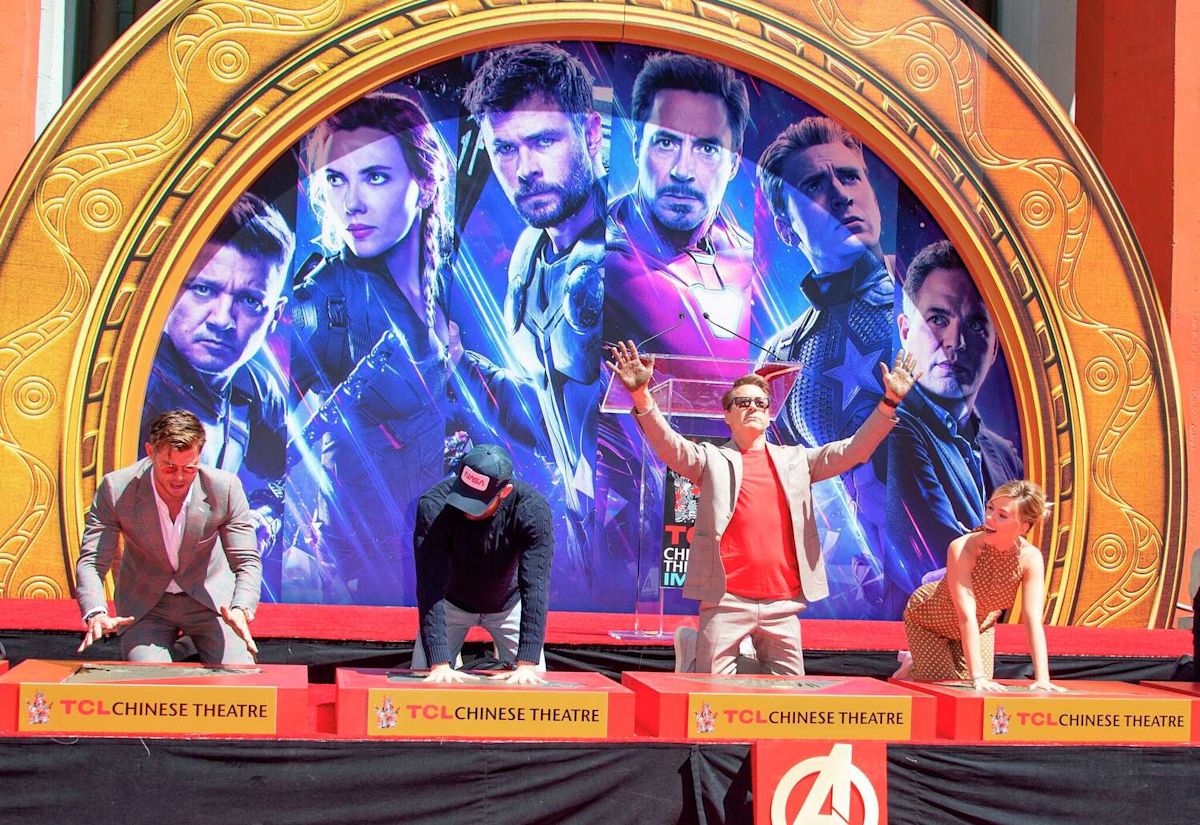
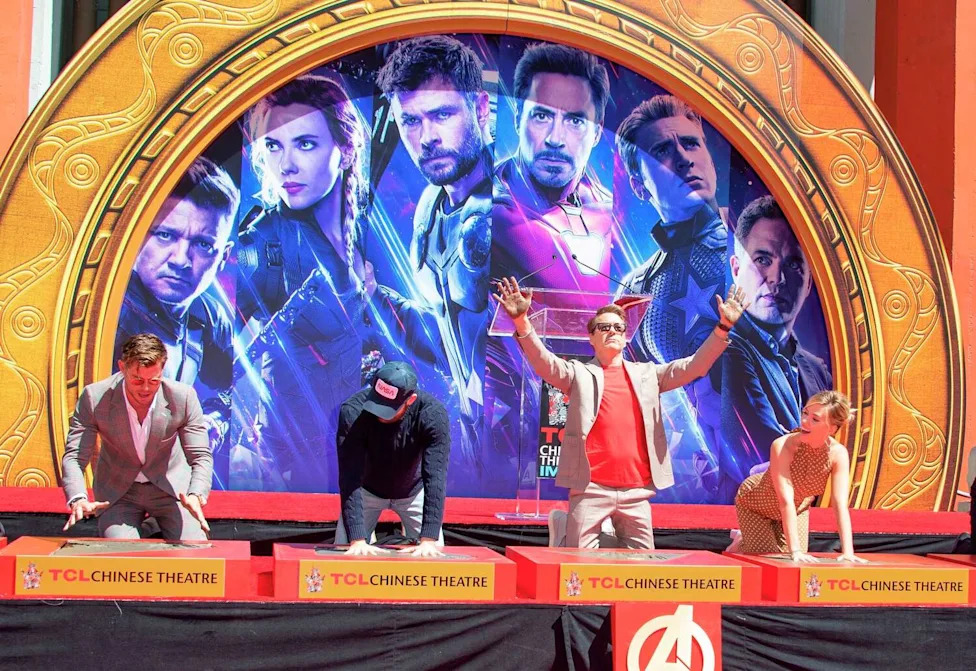
Dear Paul Sheinfeld: First thing, I would cancel production of any movie whose origin is in a comic book or amusement park ride.
I’d get rid of any movie that features monsters terrorizing cities and destroying landmarks, and I’d get rid of any movie presenting cyborgs and AI more favorably than human beings.
Instead, I’d back a lot of romantic comedies, romantic dramas, historical dramas and, of course, movies about growing up on Staten Island because that is, as everyone knows, the most interesting topic in the world.
I’d also make it my mission to discover talent and groom it. It’s the thing I like most about the old studio system. They used to build movies around big personalities, like Cary Grant, James Stewart, Katharine Hepburn and Bette Davis. The French continue to do that, but Hollywood hasn’t done that since the studio days.
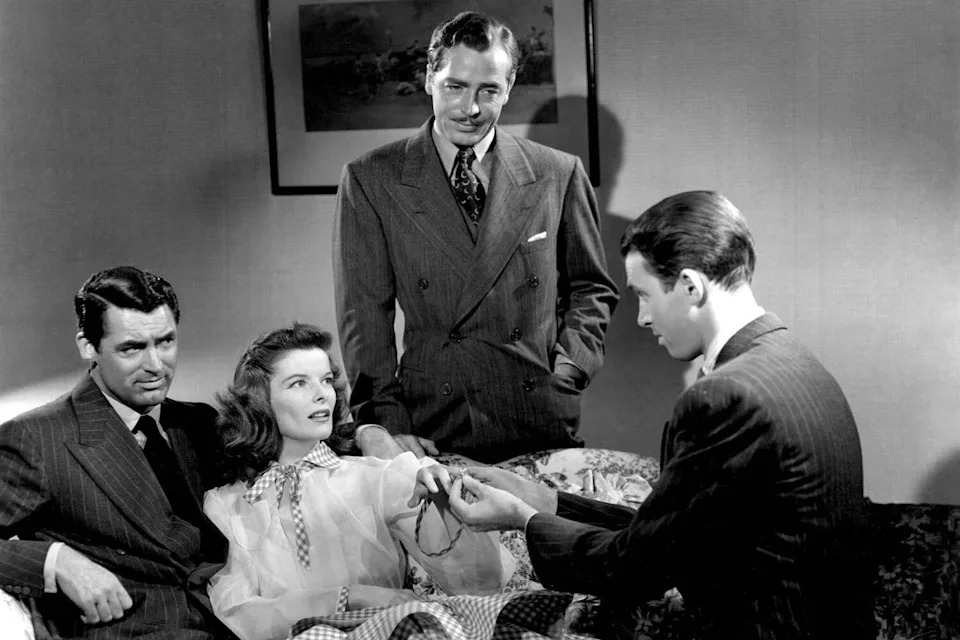
To reverse that trend, I’d have people on payroll whose job is to watch independent films and to see plays, both in the regions and on Broadway. I’d have them find new people, give those people screen tests and sign the best of them to exclusive contracts.
Personality is the single most glorious aspect of all the arts. I’d put the discovery and cultivation of talented personalities at the center of my studio. We’d go bankrupt in about six months, but it would be a good six months.
Hi, Mick: When you show old movies to a young audience, do they have trouble figuring out what’s going on?
For example, Lee Tracy’s “Blessed Event” shows that in 1932 a woman’s life could be ruined if it became public knowledge that she had become pregnant out of wedlock. Do young viewers even “get” that character?
Hi, Bob: Sure. First of all, an unwanted pregnancy is a big deal no matter what the era, so young audiences understand that. They also have no trouble registering a character’s distress and inferring from her panic that this was an even bigger deal in 1932.
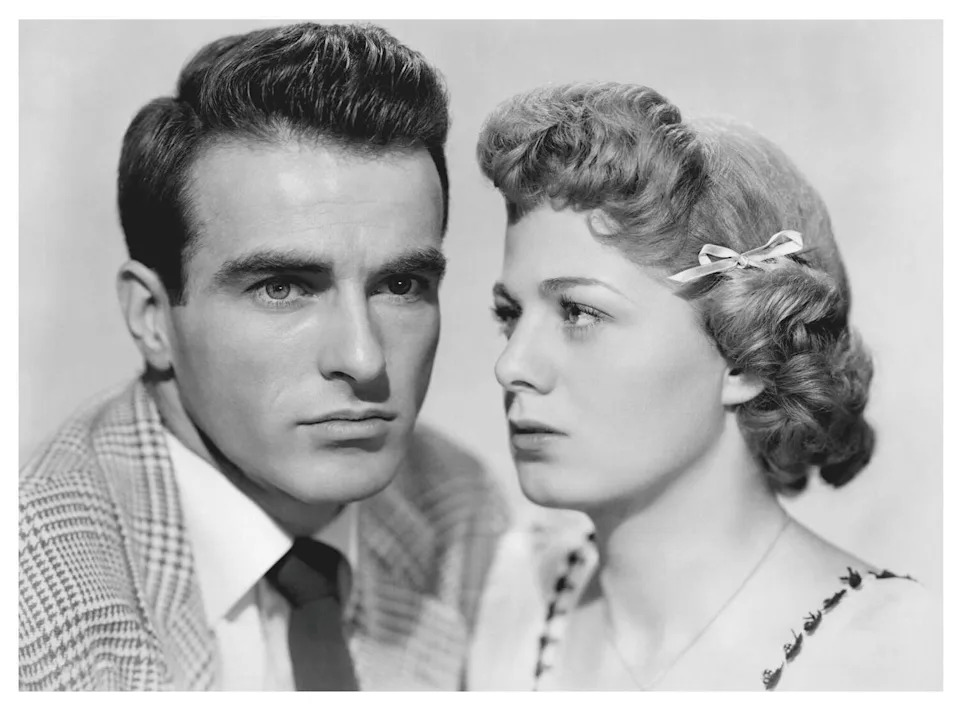
When I was 18, abortion was legal, but I could still watch a movie like “A Place in the Sun” (1951) and understand that when Montgomery Clift gets Shelley Winters pregnant, it’s pretty much a disaster for both of them.
To state the obvious, being human is the ultimate point of connection between human beings. In the grand scheme, it doesn’t matter all that much when or where we got on the bus. When it really comes down to it, we understand each other.
Hi, Mick: I’ve been researching my great-great-uncle John Monk Saunders, and I came across an article where you mentioned having done some research on him and even interviewed Fay Wray. I was curious what specifically interested you in him.
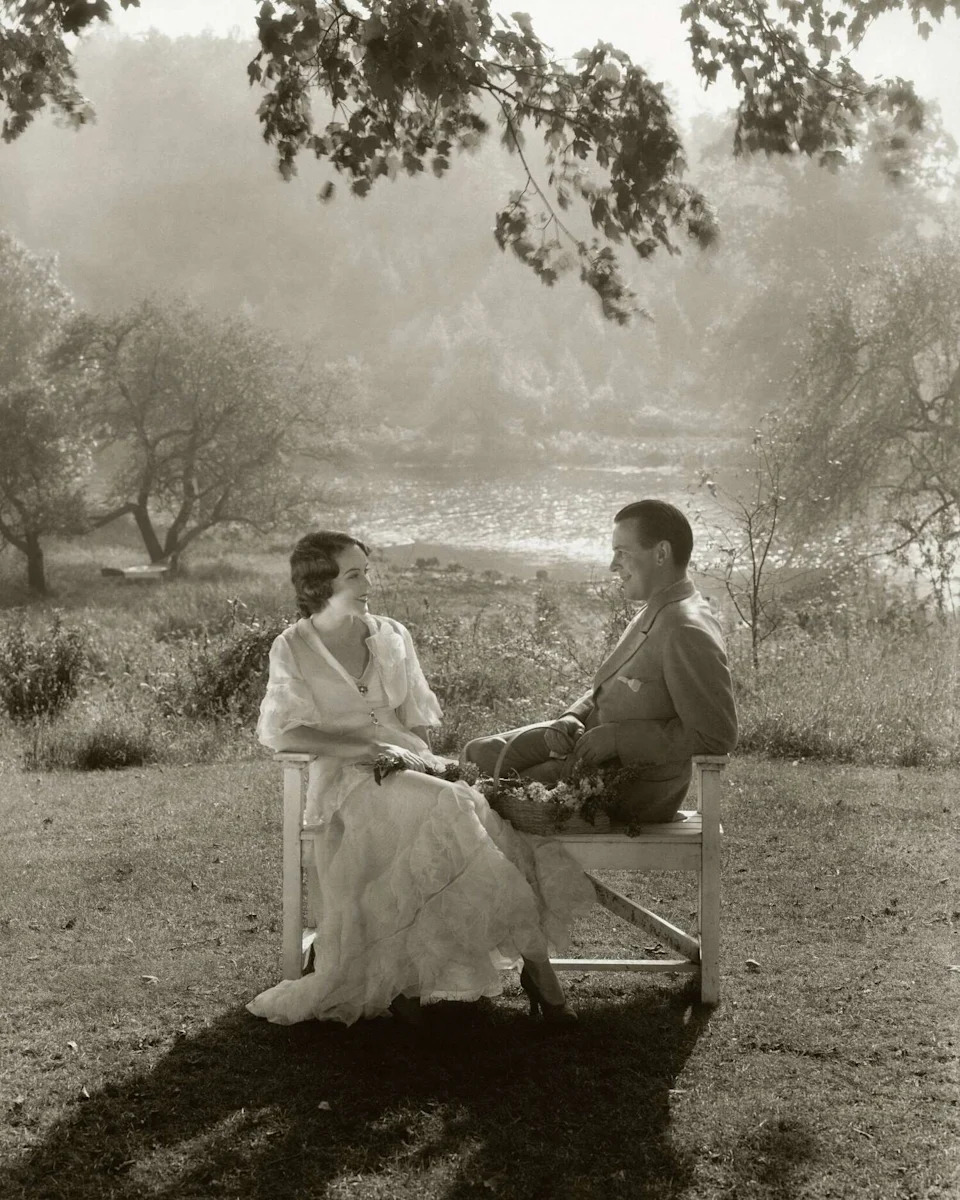
Hi, Henry Lamb: I became interested in the screenwriter John Monk Saunders (1897-1940) because I noticed that the best anti-war World War I movies were written by him, among them “The Eagle and the Hawk” (1933). They all seemed to have a lefty political agenda, so I wanted to know from his ex-wife, Fay Wray (1907-2004), if they ever talked about politics. But she had no recollection of any political motive or point of view.
Then again, it was a bizarre interview. Though Wray was all there mentally, she was very deaf. I was screaming into the phone, and she still barely heard me. I should have followed up with some written questions.
Have a question? Ask Mick LaSalle at askmicklasalle@gmail.com. Include your name and city for publication, and a phone number for verification. Letters may be edited for clarity and length.
There’s more to San Francisco with the Chronicle. Subscribe today for just 25¢.
This article originally published at If I ran Hollywood, comic book movies would be out. Here’s what I’d make instead.
