

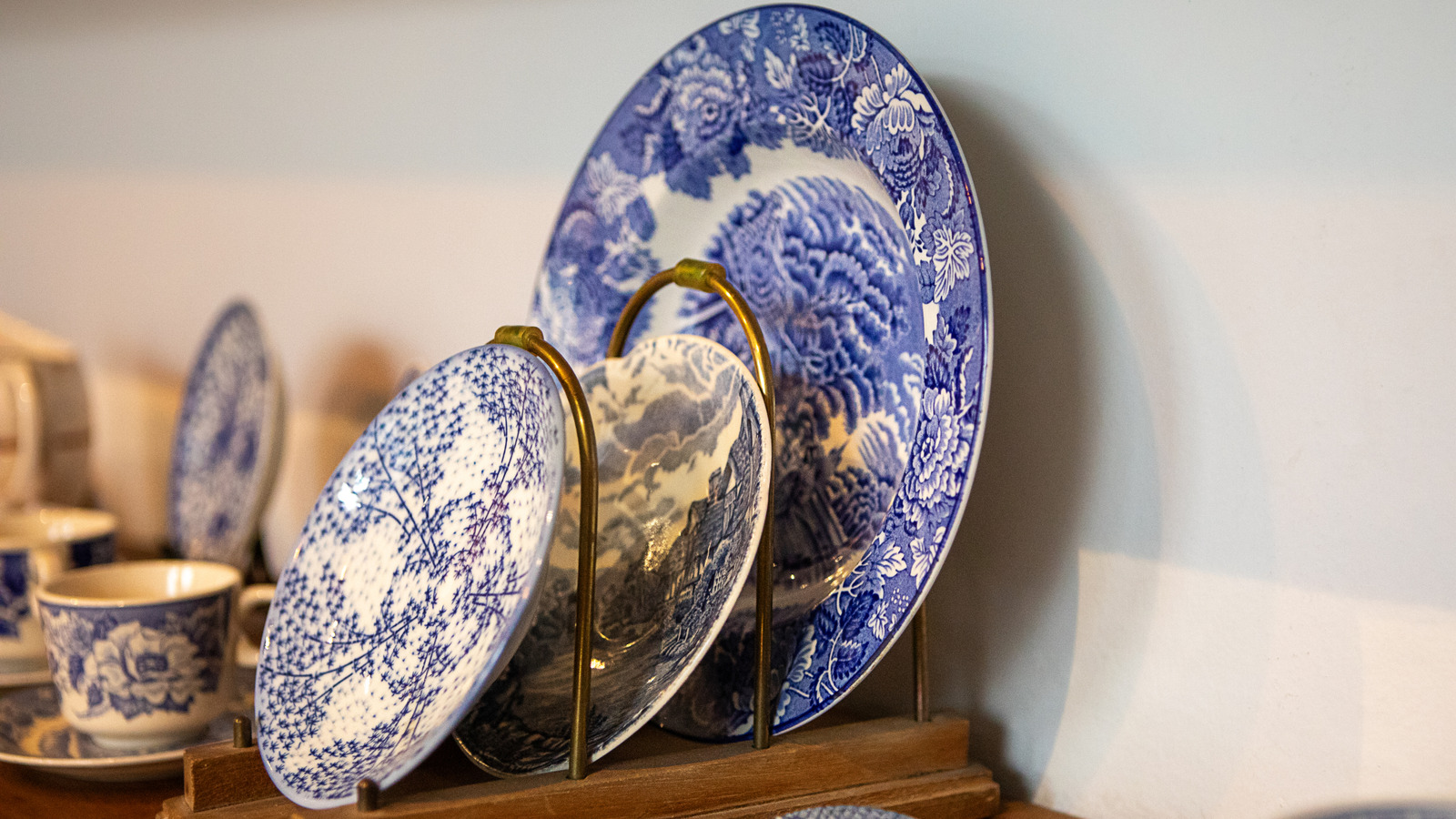
As personalized, eclectic design trends rise in popularity, folks are mixing modern and vintage items in the kitchen. Many of us find kitchen decor at flea markets or secondhand stores, while others inherit antiques passed down through generations. However you come across them, you may be in possession of the most commonly thrifted (and gifted) vintage kitchen pieces: collectable plates. But how can you tell if they’re run-of-the-mill ceramics or vintage plates worth a fortune? We asked Dr. Lori Verderame, a celebrity Ph.D. appraiser, who told us to watch out for manufacturers’ marks and examine the plate’s condition.
Plates made by certain factories are worth more than others, but they’d have to be in decent condition regardless. “Look for names like Haviland, Limoges from France, Copeland Spode from England, and Royal Copenhagen from Denmark, to name a few,” Verderame says. “Look for the all-important Noritake mark from Japan, England’s Royal Doulton and Wedgwood, and American brands like Lenox.” You’ll find brand markings (called backstamps) on the back of plates.
“They may be different colors,” Verderame adds, “and if the backstamp has a crown mark, that is typically a sign of quality.” As far as condition, the expert warns against “broken plates with chips or cracks,” as well as “crazed plates — that is, plates where the over-glaze shows a crackle pattern overall.” Other red flags include a damaged gilt edge or blurred design.
Study brands, patterns, and condition are key
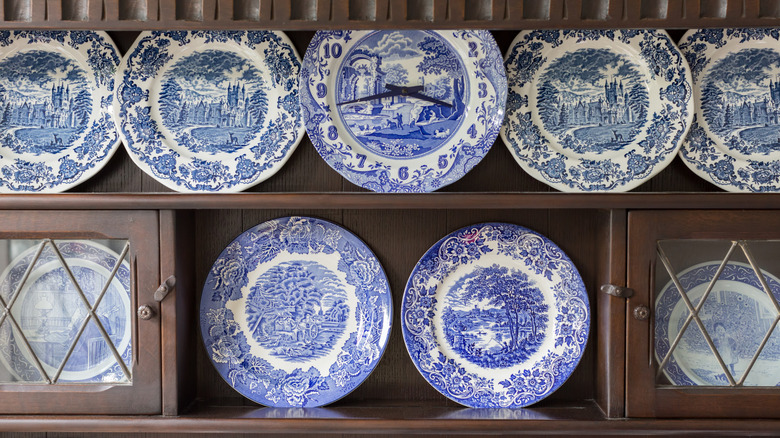
Maker, age, rarity, and condition are determining factors in whether a vintage kitchen item is in fact worth a fortune. The brands that Verderame cites — including Haviland, Royal Copenhagen, Noritake, and Wedgwood — are all at least a century old (some older) and have long produced plates sought after for their craftsmanship, durability, and gorgeous designs. The older a plate — which often means it’s rarer, as even durable antique dishes can break — the more it’s worth. Researching maker’s marks helps you age plates, as they often evolve over time.
Research patterns, too. For example, Haviland’s gilded Imperator pattern is known to be valuable; one small plate can fetch $450. Just remember that every chip, crack, or scratch downgrades the dish’s value. As Verderame says, “If the condition is bad, pass on it.” Of course, you can always keep a flawed but beautiful plate and show it off as decor — you simply won’t make much if you try to sell it. Additionally, note that crazing (the crackled pattern on a dish’s glaze) can hold bacteria in its tiny cracks, so it’s best to only use a crazed plate for show and not for serving.
If you end up with a plate that’s in good condition and seems valuable, but you just can’t tell for sure, get it professionally appraised. Verderame can assess itemsiques Appraisal Comedy Show,” which she bills as both “fun and informative.” Alternatively, you can always take your plates to local antique dealers for an in-person appraisal

1 Comment
Pingback: Roblox Forces Its Biggest Game To Axe Doomscrolling Mechanic - Comic Vibe