

When people talk about a high-end gaming PC, the definition of that can be surprisingly vague. Is a high-end PC one that costs over $4,000 to build, or is it more simply one capable of running every game at high or ultra settings at native 4K? In 2026, the price alone isn’t going to be enough to define a high-end gaming PC.
Hardware has become so powerful that 1440p gaming isn’t an especially demanding target for a well-equipped system. That is because GPUs like the Radeon RX 6700 XT, priced at $329 at launch five years ago, were quite capable of 1440p gaming. The RX 6700 XT was even advertised as the sweet spot for 1440p gaming at one point. While 1080p remains the most common gaming resolution, 1440p is gradually becoming mainstream.
So, the true high-end gaming PC should be capable of delivering a native 4K gaming experience at ultra settings. A high-end gaming PC can use technologies such as DLSS or FSR, but shouldn’t use aggressive upscaling just to make 4K playable. Building one can oftentimes cost around $3,500 to $4,500, depending on the components you choose and availability, though sales can bring the price further down. And, alternatively, components shortages can push those prices way higher.
How much does building a high-end gaming PC cost?
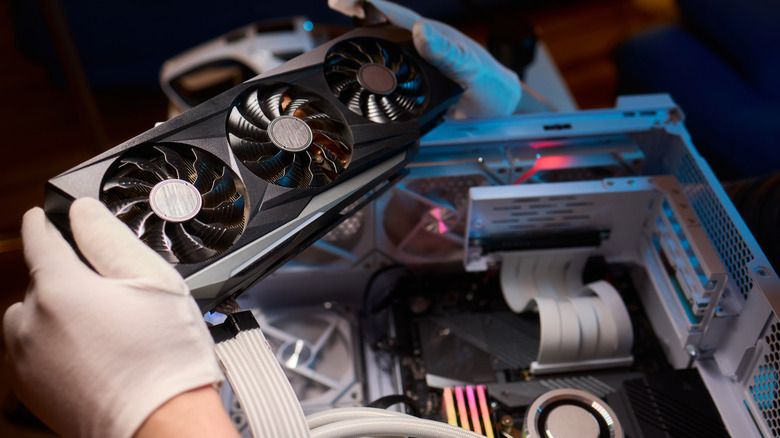
A high-end PC doesn’t necessarily mean using the most expensive components in every category. That would be something a serious enthusiast would target. The goal when building a high-end PC is to build a balanced system where you get a native 4K experience with a respectable amount of frames per second.
In 2026, a high-end gaming PC would include: an Nvidia GeForce RTX 5080 16GB graphics card ($1,800, though a rumored discontinuation could spike this even higher), an AMD Ryzen 7 9800X3D ($480), a good X870 motherboard ($330), 32GB DDR5 RAM ($475), 2TB NVMe ($320), a high-end air or liquid cooler ($110), a 1000W, 80+ Gold/ Platinum ATX 3.1 power supply ($195), and a high-airflow ATX case ($100 – $160). Right now, a high-end PC would cost anywhere from $3,700 and up, depending on the variants you get. Prices of each component can still vary because, in 2026, GPU and memory pricing has been unusually volatile. In the current market, an RTX 5080 is being sold for significantly more than its original MSRP of $999.
That said, some pre-built systems do come along and offer discounts on high-end hardware. Nvidia also has one more graphics card in the 50-series lineup, the RTX 5090, which is equipped with 32GB of VRAM. The RTX 5090 belongs in the enthusiast category, as it allows 4K gaming at extremely high refresh rates with all settings cranked up to the maximum. This graphics card delivers performance considerably beyond what is necessary for a conventional 4K gaming experience, and is considerably more expensive at that.
Is $1000 enough to build a gaming PC?
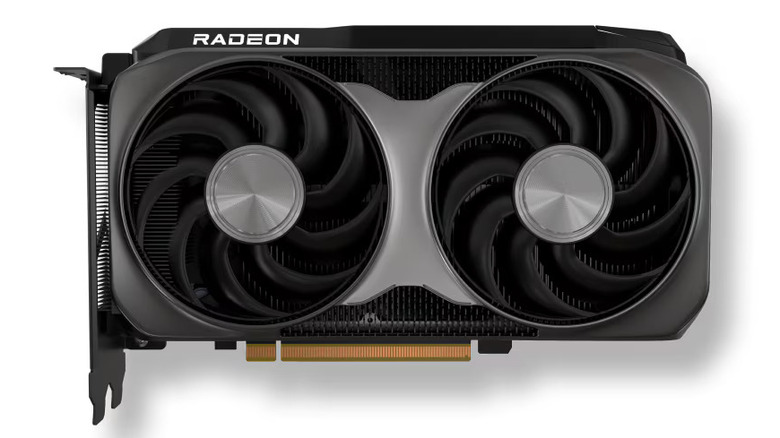
While you can’t build a high-end gaming PC with $1,000, it is possible to build a respectable gaming PC on this budget. You can easily make a PC that can outperform the Xbox Series X and PlayStation 5 at that overall price. Most of your budget in this system would go to the RX 9060 XT 16GB, as it would cost around $500-$600. This GPU can match the performance of the PlayStation 5 Pro, and even outperforms it in some games.
You can pair up the RX 9060 XT 16GB with an AM4 motherboard, a Ryzen 5 5600X CPU, and 16GB of DDR4 memory (used, if possible). The cooler can also be a simple, but reliable air cooler, rather than a more expensive AIO liquid cooler. However, the component that you wouldn’t want to cut any corners on is the PSU. Even though AMD specifications mention a minimum 450W PSU for the RX 9060 XT, it is better to go with a new 650W or 750W power supply.
As for the case, that is largely down to your personal preference and how much you have left in the budget. If you want to go for all new parts, then the cost would be closer to $1,300. However, in that case, you can downgrade the GPU and go with the 8GB variant of the RX 9060 XT to save on the budget. Depending on the types of games you play, it may be a worthwhile compromise.
