

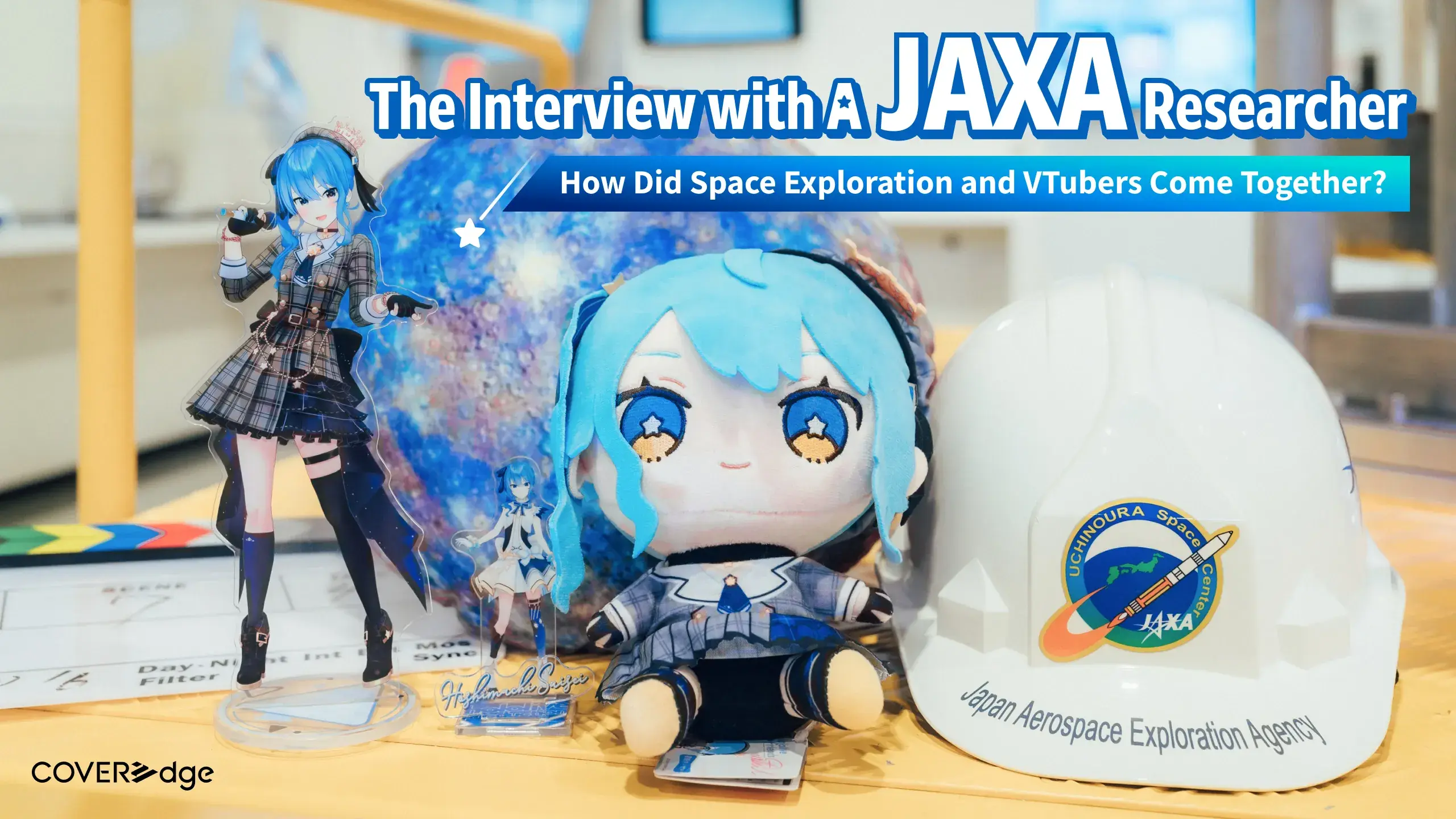
Collaborations between VTubers and public institutions have become increasingly common in recent years. Among them, one particularly unique initiative is the ongoing collaboration between JAXA Sagamihara Campus and hololive production. Since the 2024 “Get to Know Hoshimachi Suisei” collaboration campaign, the two sides have continued to build a loose but meaningful relationship. But what exactly makes space development and hololive such a natural fit? COVERedge spoke with Dr. Go Murakami of JAXA’s Institute of Space and Astronautical Science. We asked him about how the collaboration came about, the story behind the project, and the potential that VTubers may bring to space science outreach.
In recent years, collaborations between VTubers and public institutions such as local governments and research organizations have continued to expand. From officially appointed local government VTubers promoting regional attractions to collaborative projects with research institutions, VTubers are gaining attention as a way to reach audiences that had previously been difficult to engage.
hololive production has also collaborated with a range of local governments and public institutions.
Among these partners, one particularly unique example is JAXA, the Japan Aerospace Exploration Agency. As its name suggests, JAXA is an organization that carries out everything from fundamental research to development and utilization in the aerospace field. While JAXA may seem like an institution focused solely on research and development, outreach activities that communicate the achievements of space science and human space activities to the general public and future generations in an accessible way are also an extremely important part of its mission.
The history of collaborations between JAXA and hololive began with the “Get to Know Hoshimachi Suisei” campaign in October 2024.
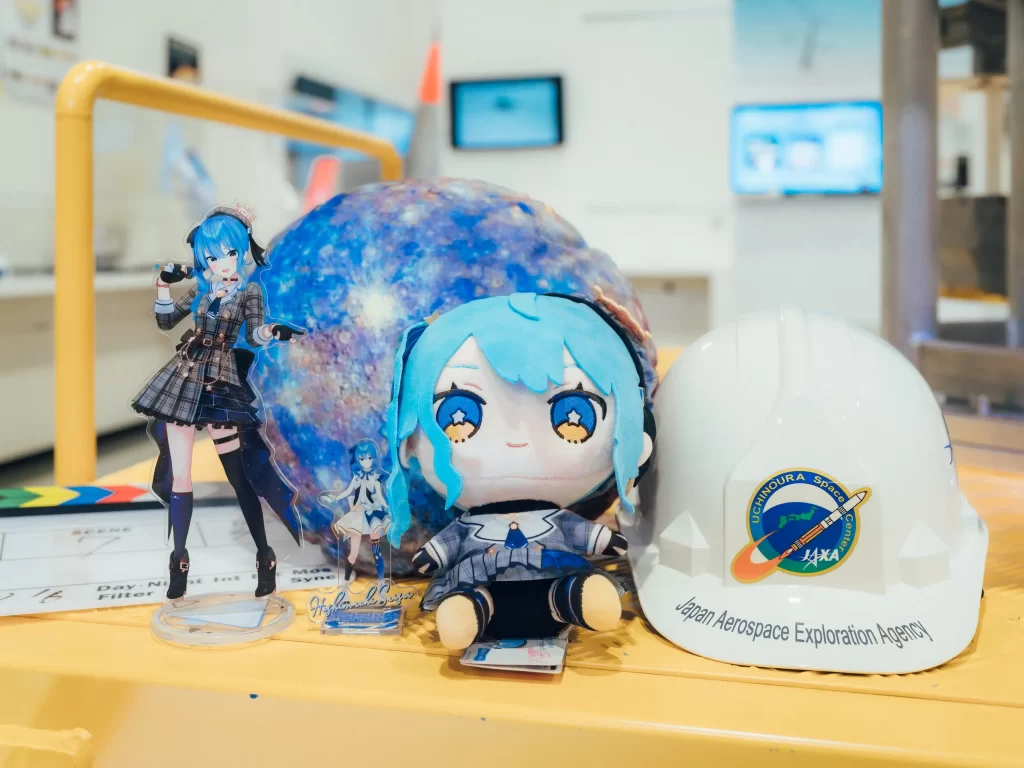
The campaign came about because the name of hololive talent Hoshimachi Suisei overlapped with JAXA’s work in Mercury exploration, as the word “Suisei” can mean Mercury when written differently in Japanese. This led to a three-way collaboration between JAXA Sagamihara Campus, which plays a central role in Mercury exploration, Sagamihara City, where the campus is located, and Hoshimachi Suisei. The campaign included a collaborative livestream and giveaway, as well as a short dance cover video of Bibbidiba performed by the JAXA team together with the mayor and vice mayor of Sagamihara City, which received a substantial response.
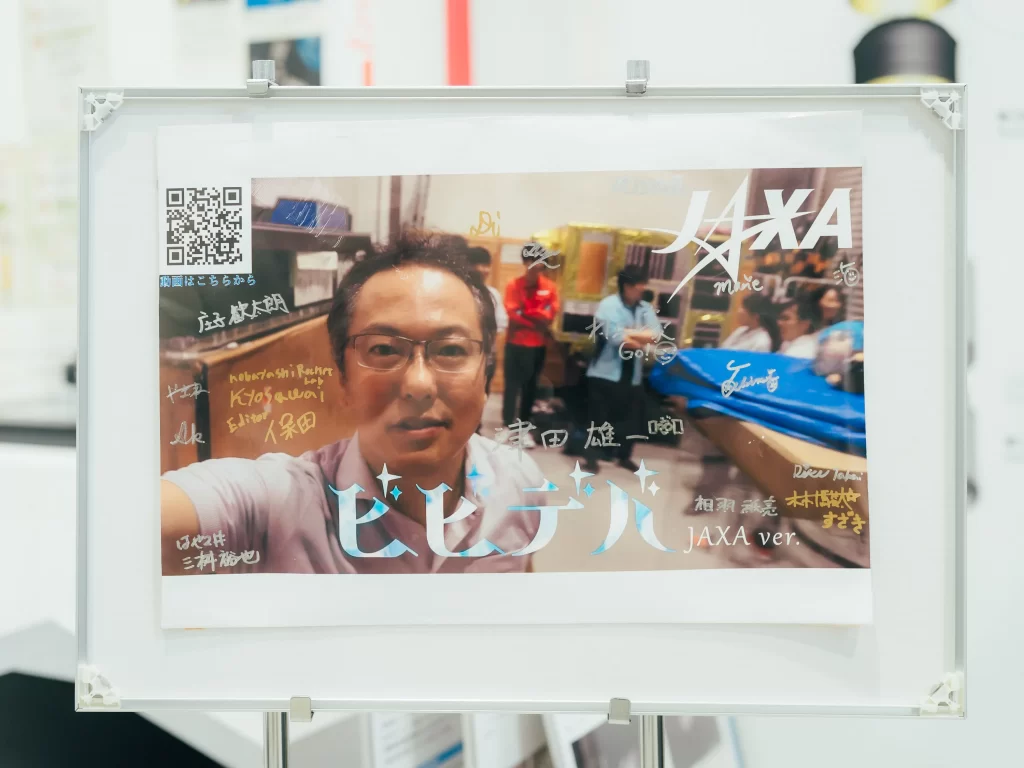
Around one year later, in October 2025, researchers from JAXA Sagamihara Campus planned and produced a full parody music video of Bibbidiba. The video drew significant attention on social media and surpassed 500,000 views.
Even after the collaboration with Hoshimachi Suisei, JAXA Sagamihara Campus has continued to interact with COVER and hololive production, with footage of a location shoot at Sagamihara Campus released just last month on hololive talent Tsunomaki Watame’s YouTube channel, for instance.
【動画URLを紹介】https://youtu.be/LbwgmGzzLJU?si=wa1Zjjg8x9JtwRaY
COVERedge interviewed Dr. Go Murakami of JAXA’s Institute of Space and Astronautical Science, who has been at the center of this collaboration. We asked him about how the collaboration with hololive came about, the behind-the-scenes story of the Bibbidiba parody music video, and the new possibilities that may emerge when space science and VTuber culture intersect.
Reaching New Audiences With Warmth: How JAXA Sagamihara and the People Behind the Research Approach Messaging
—What role does Sagamihara Campus play within JAXA? Could you also tell us about the projects you are currently involved in?
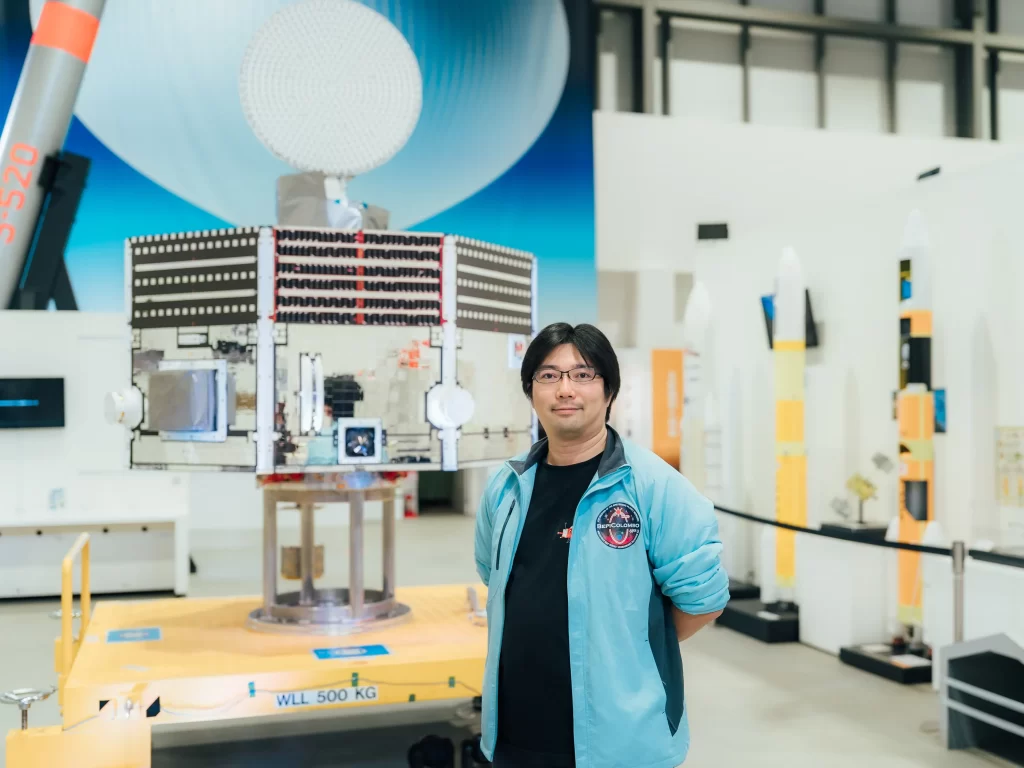
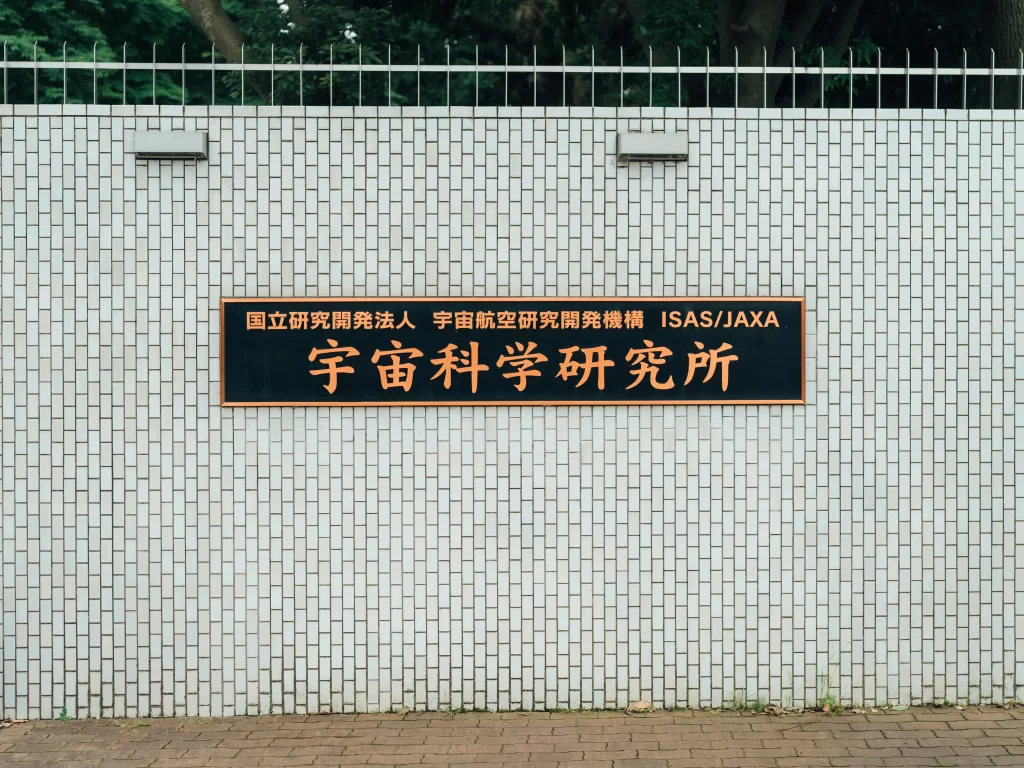
JAXA has several major bases, including Tsukuba in Ibaraki, Tanegashima in Kagoshima, and Chofu near Tokyo. Sagamihara Campus is home to the Institute of Space and Astronautical Science, or ISAS. In addition to conducting space science research, the campus is mainly responsible for developing planetary explorers and space telescopes, as well as carrying out space science missions using them.
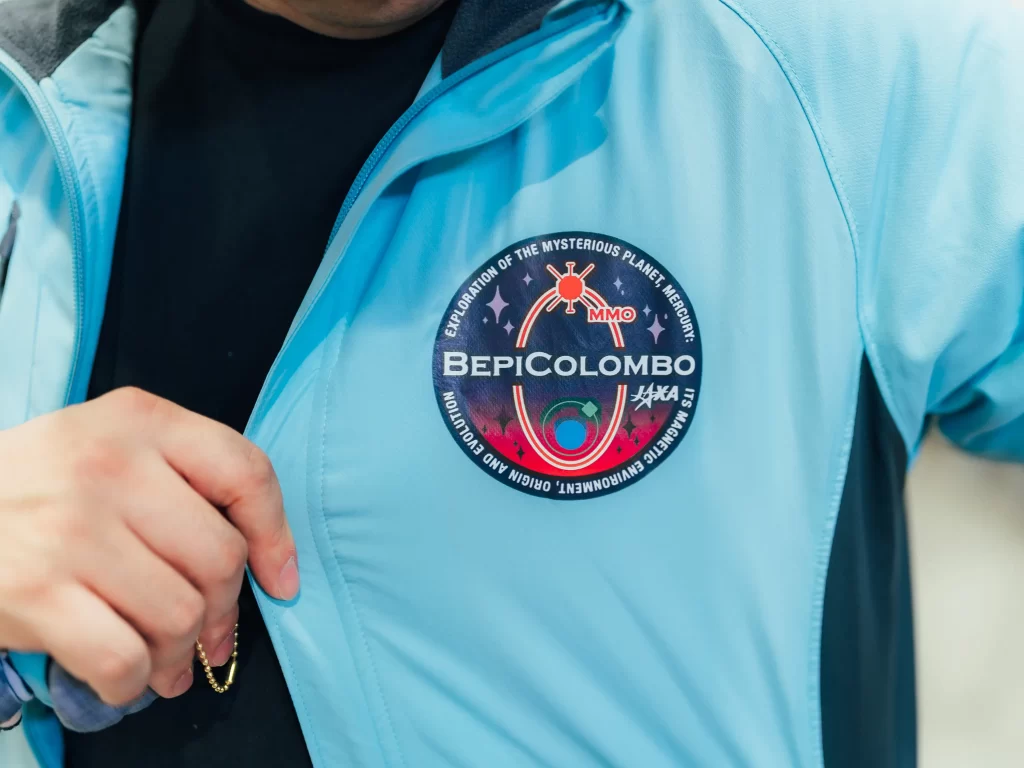
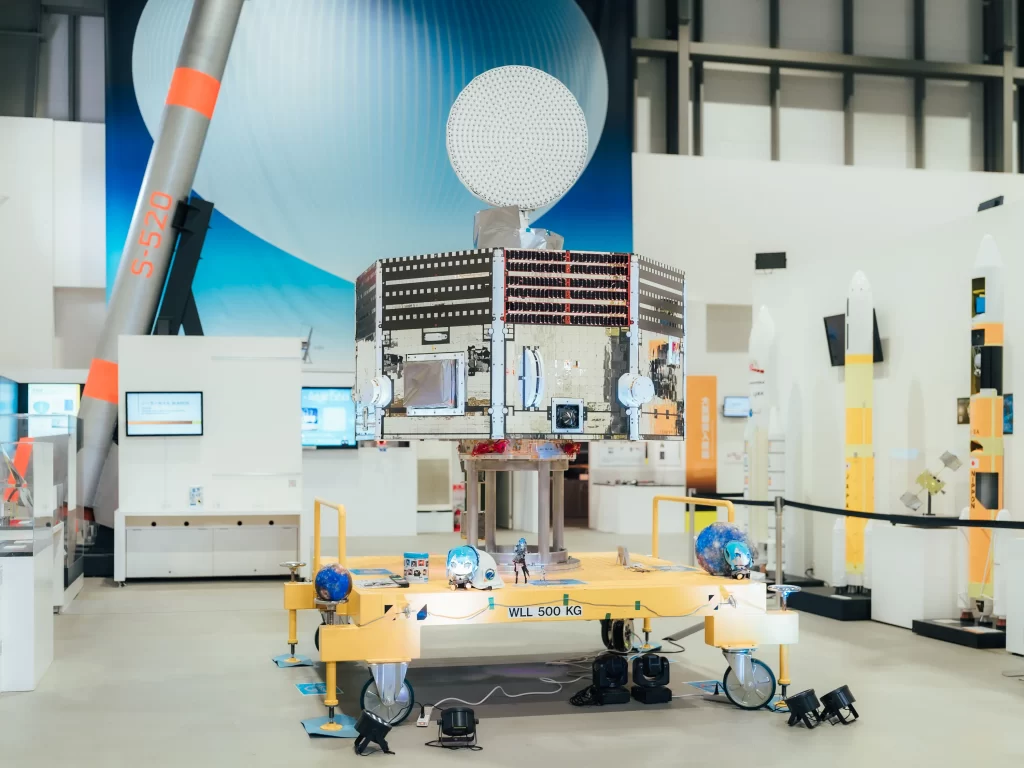
The main project I am currently involved in is the international Mercury exploration project BepiColombo, a joint project between JAXA and the European Space Agency, or ESA. BepiColombo was launched eight years ago in 2018 and is carrying JAXA’s Mercury Magnetospheric Orbiter, “Mio”, to Mercury. This November, Mio is finally scheduled to enter orbit around Mercury.
—JAXA Sagamihara Campus also carries out online livestreams for its special open campus events and produces videos through volunteer initiatives.What kind of structure are these activities supported by?
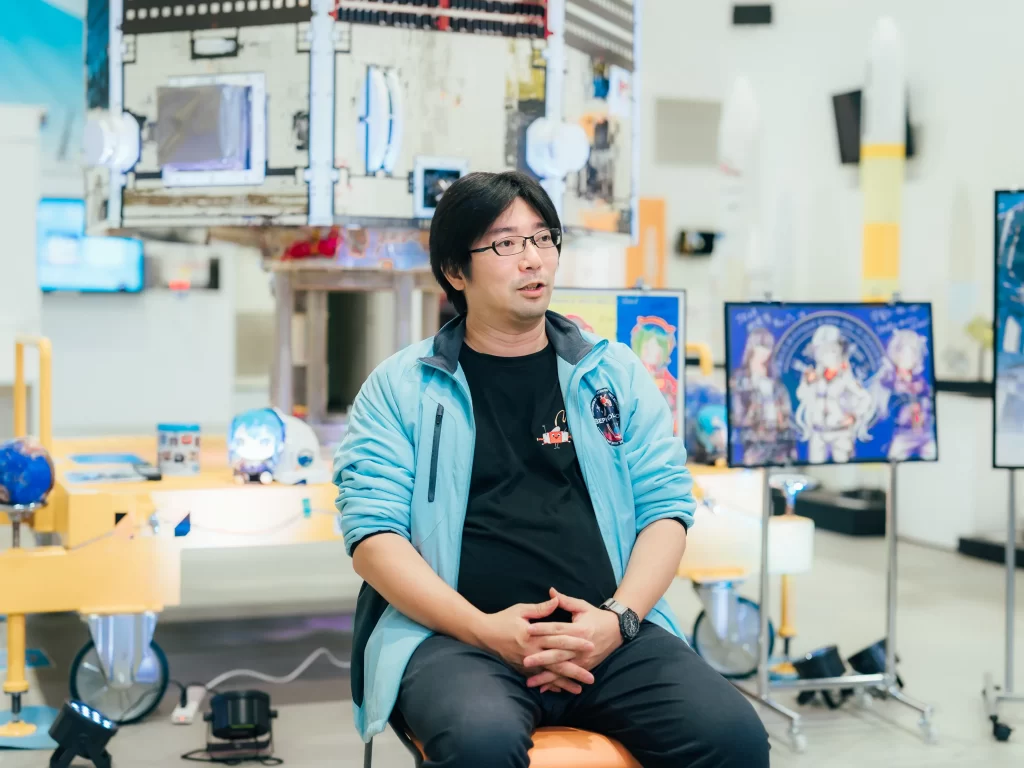
Currently, we have a volunteer team called the Sagamihara Campus Creative Outreach Team, or SCCOT for short, pronounced “Scott”. Working together with the public relations staff and others, the team mainly handles online special open campus events and video projects. There are around 20 to 30 core members. Since everyone also has their own department duties, we divide up the work within a manageable scope while leaving scheduling largely up to each member’s discretion.
The team’s central activity is the JAXA Sagamihara Special Open Campus event, which is usually held every autumn. In the past, it was held on-site over two days, but once during the COVID-19 pandemic, we held it online. That experience showed us how powerful it was to reach people who wanted to visit but couldn’t come in person. Even after the on-site event returned, we decided to preserve the online format because it was a great strength; now, the event is held in a hybrid format, with the first day on-site and the second day online. SCCOT members serving on the organizing committee handle the planning and operation of the online livestream.
—How did this team first come together?
During the COVID-19 pandemic, new students and staff had few opportunities to meet others, which made it difficult to build connections across departments. By forming this volunteer team, we created opportunities for people to get to know one another beyond departmental boundaries, and it gradually developed into something like a community. One of our greatest strengths now is that we can work beyond the boundaries of our regular job responsibilities.
Sagamihara is a slightly unusual JAXA base in that it brings together research-oriented faculty, graduate students, and administrative staff. Because of that, there is a strong culture of “let’s just make it ourselves and give it a go”. I personally enjoy that kind of DIY challenge as well, so I started posting while working in conjunction with those around me, which has been going on for six years now.
Although the quality may not be perfect in the way a professional production would be, I feel that this handmade quality actually helps people see not only the finished content, but also the faces of the people creating it. In the field of space, attention tends to focus on the missions themselves, but behind those missions are people who are passionately working to make them a reality, and I want them to be noticed too. That sense of warmth is something we value, and it is why we continue with this style of event.
—Within that context, JAXA Sagamihara Campus collaborated with Hoshimachi Suisei in 2024. What first sparked the idea?
Many of Hoshimachi Suisei’s songs have space-related themes, and her name “Suisei” also overlaps with the Mercury exploration work we are doing. I knew, of course, that her name comes from “comet”, but because it is written in hiragana, I thought maybe we could work it into a collaboration with “Mercury” too. (laughs) I had been imagining on my own that it would be a wonderful thing.
After that, Hoshimachi Suisei became even more popular, and there was a period when I thought she had become someone far beyond our reach. Then Sagamihara City approached us and said, “We are thinking about a collaboration with Hoshimachi Suisei. Would JAXA be interested in joining?” I immediately jumped at the opportunity. Actually, shortly before that, I had casually mentioned in conversation that a collaboration with Hoshimachi Suisei would be nice, and it seems they remembered that. Sagamihara City has promoted the concept of being a city where people can feel close to space. The city even has an area called Hoshigaoka, meaning “Star Hill.” With all of those elements coming together, the collaboration between Sagamihara City, JAXA, and Hoshimachi Suisei became a reality in October 2024.
—What kind of response did the collaboration with Hoshimachi Suisei receive?
The response was truly huge. One of the biggest effects was that we were able to reach fan communities that we usually have difficulty connecting with. We received many comments from people saying they didn’t even know JAXA was in Sagamihara, or that we did things like this. I was happy to see that the collaboration made JAXA relatable, at least to some extent. I feel that VTubers are an excellent match for this kind of outreach. They are among the top creators on YouTube and social media, so we can borrow their tremendous star power to reach those audiences. We can also learn a lot from them.
Editing Between Conferences and Teamwork Behind 500,000 Views: The Making of the Bibbidiba Parody Music Video
—The parody video of Hoshimachi Suisei’s song Bibbidiba, released in October 2025 as Bibbidiba JAXA ver., attracted a great deal of attention. How did the video come about?
It began in 2024 as part of the collaboration with Sagamihara City, when we made a short dance cover video of Bibbidiba featuring members of the Mio team, as well as the mayor and the vice mayor of Sagamihara City. The response was huge, and at the time we joked that we should make a full version next, because we didn’t really think we could. However, some of the younger SCCOT members insisted that we do so, so we ended up making a full version.
Because we created it with parody lyrics, we needed to get permission from Hoshimachi Suisei herself and COVER, which we were fortunately able to obtain.
—Bibbidiba JAXA ver. has now been viewed more than 500,000 times and generated significant buzz on social media. Before its release, what kind of response were you expecting?
To be honest, I never imagined the response would be this big (laughs). We have had music videos in the past receive around 10,000 to 20,000 views, so I thought 50,000 views would be a very good result. The fact that it garnered several hundred thousand views was amazing.
The comments were also extremely positive, and I remember there being very few negative reactions. Our deputy director also appears in the video, and we received many comments like, “This seems such a nice workplace,” and “I didn’t realize JAXA was this kind of organization.” Those were exactly the kinds of reactions we had hoped for, so I was honestly very happy. It was fascinating to see how the response spread.
—How long did production take? What were some of the things you focused on in the lyrics and direction?
It took about two weeks to gather the cast members, around three days to film, and two or three days to edit. We also finalized the parody lyrics very close to the shoot. At the time, I was away on a business trip for a conference, so there were moments when I had to connect remotely from Yamaguchi Prefecture to handle things (laughs).
In terms of direction, the video was made as an homage to the original music video, so I think the directing team was especially particular about matching the shot composition and timing to the original. They also put a lot of effort into recreating the thumbnail, adjusting people’s positions between shots and paying close attention to the details during filming.
“People’s Support Motivates Us to Keep Going”: New Possibilities Opened by Space Development and VTuber Fan Culture
—What kinds of future possibilities do you see with the combination of space and VTubers?
I think space and the virtual world are an excellent match. Space is something that everyone looks up to, but at the same time, it is difficult for most people to realistically imagine going there themselves. In that sense, the virtual world can instantly bridge that distance. I feel there is tremendous potential in conveying the distant world of space to many people through the familiar presence of virtual talents.
Recently, Tsunomaki Watame introduced JAXA Sagamihara Campus on her official YouTube program, Tsunomaki Watame’s Have a Nice Day
We showed Tsunomaki Watame, Aki Rosenthal, and Juufuutei Raden around the areas normally open to the public. We also gave them special access to the “Space Exploration Field” in the adjacent building, a large sandbox-like field modeled after the lunar surface, where they were able to experience a simulated moon surface firsthand.
One thing I have wanted to try for some time is using VR technology to create a representation of outer space and have VTubers appear within it. We are currently experimenting with production methods such as projection mapping. I learn a lot from watching the staging used in live entertainment, and I hope to incorporate those kinds of presentation techniques to communicate the appeal of space to even more people.
—Through these exchanges, do you feel there is something in common between the fan culture of supporting someone and JAXA’s missions?
Yes, I do. When people hear “space development,” they may think of machines and technology, but actually working on these projects are human beings. That is exactly why support from such a large number of people gives us so much strength. I feel that the idea of supporting VTubers (“oshikatsu”) and the reason we need support are actually very similar.
Fans who support VTubers may also go on to support our missions. I think that is one form that such collaboration can take. Even a little support is truly motivating for us, and I believe it can also have a real impact on what we do.
For anyone who wants to support us, I would first encourage them to watch the videos and visit the webpages we have published. If that sparks further interest, I hope they will come visit us and participate in our special open campus events, where they can speak directly with researchers. Since last year, we have also had an initiative called “Researcher Cards.” During the special open campus event, visitors can receive trading cards of researchers by speaking to them. Supporting us through face-to-face interaction offers a different kind of enjoyment than online engagement.
【ISAS研究者カード、作っちゃった😎】
その名も『ISAS JAXA EXPLORERS CARD』です🚀
今年は挨拶がわりに、研究者50名分作ってみました。
第1弾が手元に届きましたので、まずは産総研へ出向いて、戦いの火蓋を切るとしましょうか!
(訳:産総研を参考に作りましたので、出来栄えを見ていただきたい!) pic.twitter.com/AkEJaykDdp— JAXA相模原キャンパス特別公開 (@ISASopen) September 19, 2025
—What topics in space development are likely to attract attention in 2026?
This year will be a major milestone for our field. First, in the extended mission of Hayabusa 2, after delivering the capsule containing samples back to Earth, the spacecraft itself has continued flying, and on July 5, it successfully conducted a flyby observation of the asteroid Torifune. In addition, the launch of MMX, a new mission aiming to return samples from the Martian moons, is scheduled from Tanegashima. Then in November, Mio is finally expected to arrive at Mercury. Furthermore, the European mission Hera, which carries Japanese observation instruments and will examine the aftermath of an impact experiment conducted by a NASA spacecraft, is also expected to reach its destination in November.
It is extremely rare for so many major missions to be concentrated in the same year. Mio itself was originally scheduled to arrive last year, but its arrival was postponed by one year due to an engine issue. The launch of MMX was also delayed once and shifted to this year. A number of coincidences came together, resulting in this concentration of events in 2026. I hope that many people will take this opportunity to become interested in space development. Since Mio is finally arriving at Mercury, we also hope to continue doing something together with Hoshimachi Suisei.
—As Mio approaches Mercury, what message would you like to give everyone?
Mio is still not necessarily a very well-known mission in Japan, so I would like more people to learn about it. Discussions around this mission began in 1997, when I was still in my first year of junior high school. Twenty-one years later, in 2018, it finally launched. Now, after another eight years of travel, it is finally arriving at Mercury. It is an extremely long and grand project. It is also a very difficult mission, and even after arrival, challenging operations will continue.
The journey will not end when Mio reaches Mercury. The challenge will continue long after that. I hope people will find this challenge interesting and support us along the way, as we continue sharing the fascination of space with everyone.
—Thank you very much for this fascinating conversation about the people behind the grand challenge of space development and how their passion overlaps with the culture of fan support. We look forward to seeing what new possibilities will emerge from the support that JAXA Sagamihara Campus and Hoshimachi Suisei have woven together!
- #HoshimachiSuisei
- #JAXA
- #Interview
