

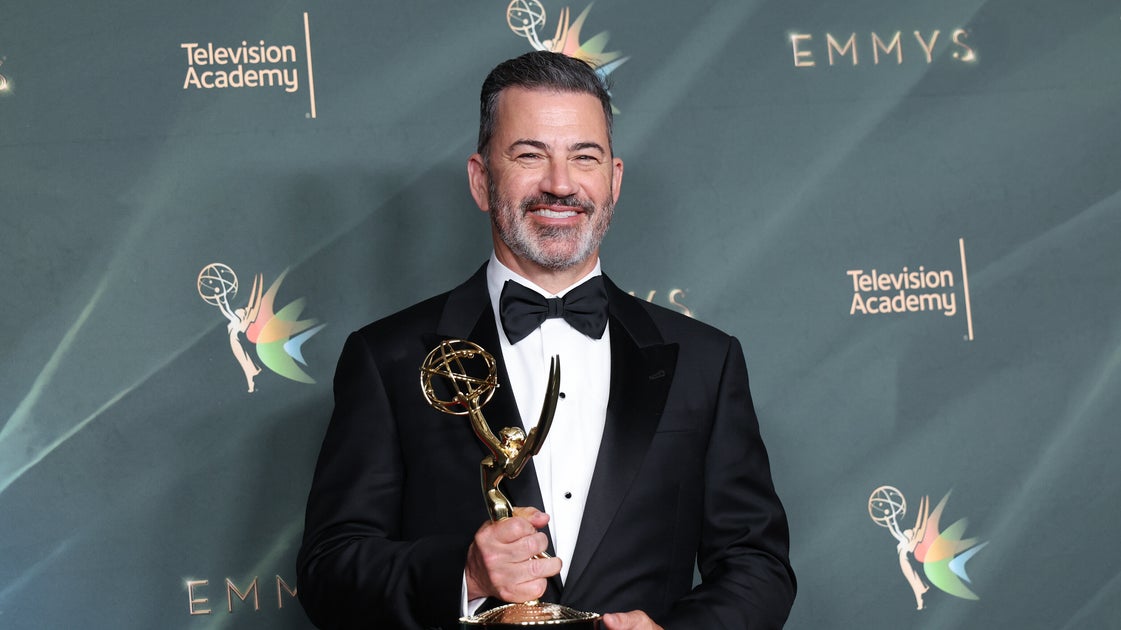
Late-night host Jimmy Kimmel’s long-running ABC show may be coming to an end after a new report alleged the network will not renew the comedian’s contract at the end of the current season.
The New York Post’s Page Six reported on Tuesday, citing aLive!” will be its last
“His contract is not getting extended,” the
Kimmel is currently slated to kick off the show’s 24th season on Tuesday night, and a rep for the late-night host did not immediately respond to a request for comment on the matter.
However, a spokesperson for ABC Entertainment denied to Page Six that any final decision about the show’s future had been made.
“[This] information is inaccurate — any reports about the future of the show at this point are purely speculative,” the spokesperson said.
Kimmel has been embroiled in an ongoing feud with President Donald Trump, which has led him to call for the host’s firing numerous times.
Kimmel was briefly suspended by the network last year after comments he made about the murder of conservative podcaster Charlie Kirk.
“We hit some new lows over the weekend with the MAGA gang desperately trying to characterize this kid who murdered Charlie Kirk as anything other than one of them and doing everything they can to score political points from it,” Kimmel said on his show following Kirk’s death.
The comments drew attacks from FCC Chairman Brendan Carr on a right-wing podcast hosted by political commentator Benny Johnson.
Carr claimed that Kimmel was part of a “concerted effort to lie to the American people.”
“These companies can find ways to change conduct and take action, frankly, on Kimmel, or there’s going to be additional work for the FCC ahead,” Carr said.
Kimmel also drew Trump’s ire in April after the host called first lady Melania Trump an “expectant widow,” just two days before the shooting at the White House Correspondents’ Association dinner.
Trump subsequently demanded that Kimmel be fired.
Disney, ABC’s parent company, is currently suing the Trump administration and the FCC on First Amendment grounds, claiming the agencies’ early review of its broadcast licenses posed an “existential threat.”
