

The 1990s turned the toy aisle into a stampede. Shelves emptied overnight, parents lined up before dawn, and ordinary playthings became scarce enough to make the evening news.
Decades later, a few of those fads have settled into a resale market with surprisingly strict rules. Some of the crazes now sell for a few dollars, while a handful bring real money.
The difference usually comes down to rarity, completeness, and whether anyone kept the box.
The Original 1998 Furby
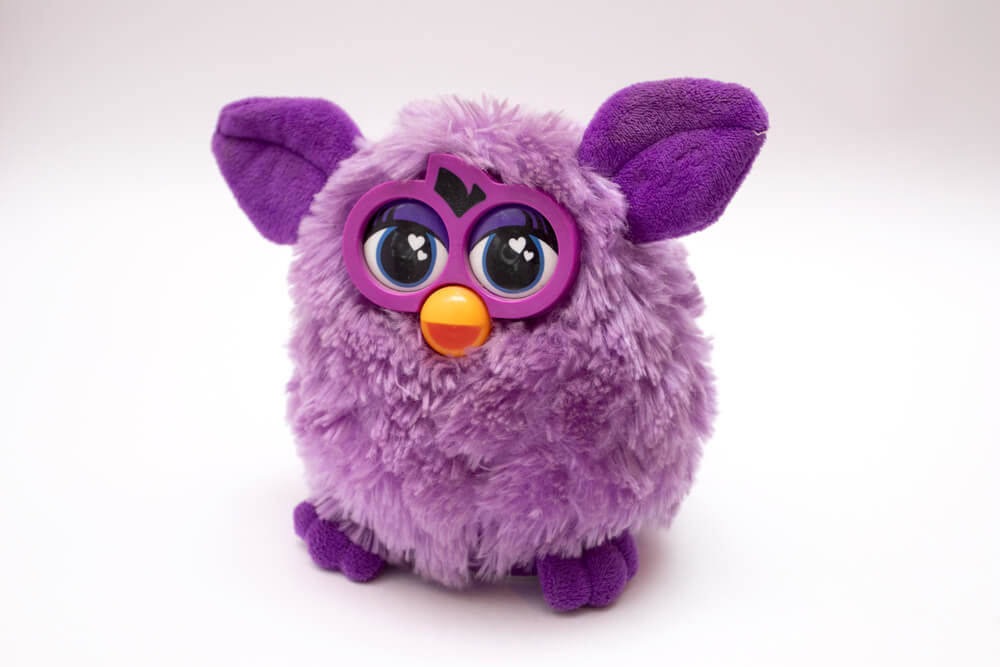
Tiger Electronics released the Furby in the fall of 1998, and the owl-like creature with a mind of its own became the must-find gift of that season. Dave Hampton and Caleb Chung created it, and it spoke a made-up language called Furbish that slowly gave way to English as the toy supposedly learned.
Original models in clean fur with working electronics typically sell for about 30 to 80 dollars, and sellers price rarer colorways higher. Sun fading, matted fur, and dead gears in the motor mechanism can cut that figure sharply.
Furby Babies
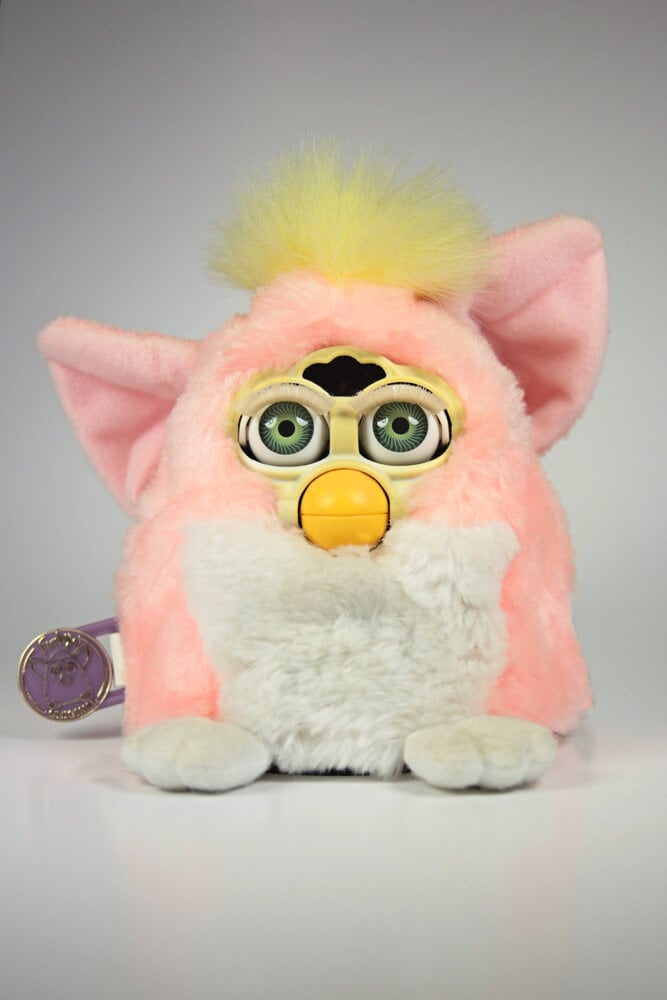
Furby Babies arrived in 1999 as smaller, softer companions to the original, with higher voices and a more childlike, babbling vocabulary. They came in a wide range of colorways, which gave collectors a reason to keep hunting through store shelves and online listings.
Loose, working examples with clean fur often change hands for roughly 20 to 50 dollars, while ones still sealed in the packaging draw more. Yellowed boxes, missing tags, and battery corrosion inside the compartment are the usual reasons a price falls short.
Tamagotchi From 1996
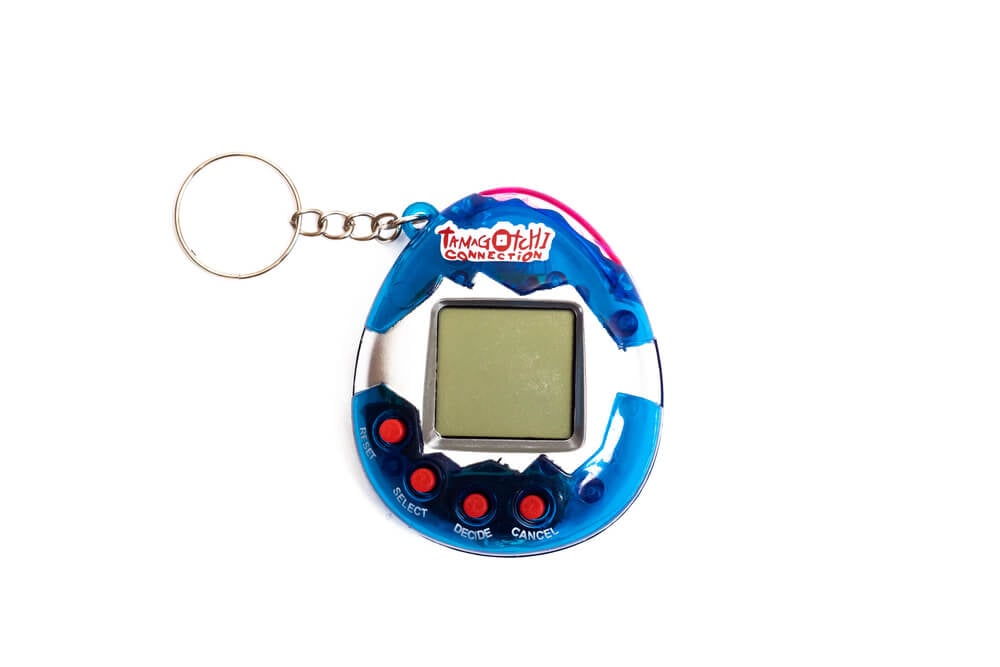
Bandai released the Tamagotchi in Japan in November 1996, and the egg-shaped keychain pet reached the United States the following spring. Akihiro Yokoi and Aki Maita are credited with the idea, which asked children to feed, clean, and discipline a pixelated creature that could die from neglect.
First-generation units with intact shells and unscratched screens often sell for about 30 to 100 dollars, and sealed carded versions go higher. Cracked casings, corroded battery contacts, and faded graphics weigh down the lower end of that range considerably.
Giga Pets
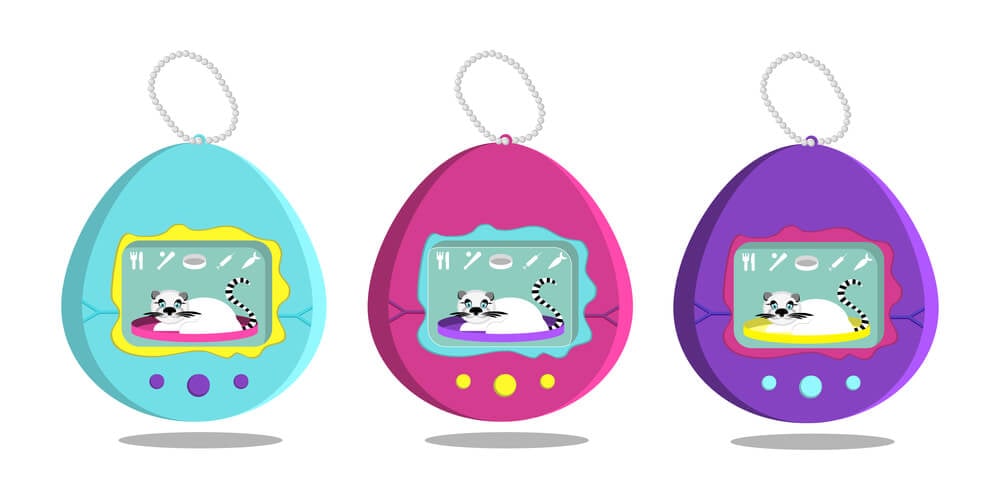
Tiger Electronics pushed the virtual pet idea further in 1997 with Giga Pets, which put a digital animal, dinosaur, or alien behind a rectangular screen with a few simple buttons. The line leaned on cheap price tags and licensing, and it filled drugstore pegs across the country.
Many of the creatures needed constant attention just like a Tamagotchi, and neglected ones simply vanished from the display. Loose units with working screens sell cheaply, while carded examples can reach several times that.
Sun-bleached cards and cracked windows matter to buyers.
Digimon Virtual Pets
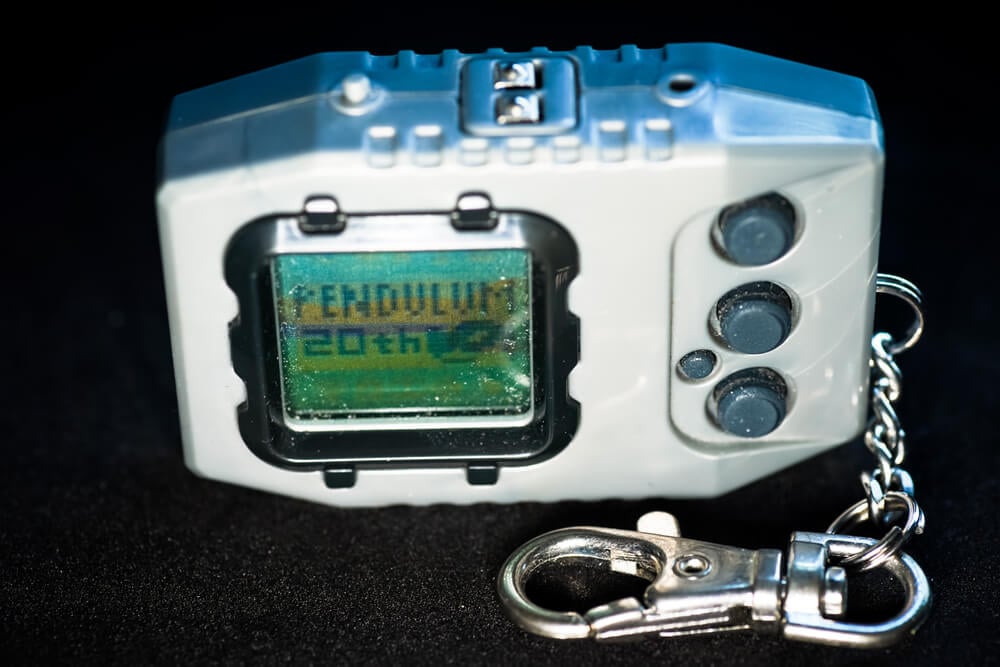
Bandai released the original Digital Monster handheld in Japan in 1997, adding a feature that let owners link devices and battle each other. That small change helped spark an entire franchise of anime, trading cards, and video games.
The first monochrome devices in colored shells draw steady interest from collectors, with prices often falling between 40 and 150 dollars depending on color and screen condition. Faded plastic, sticky buttons, and missing keychain loops are common flaws that depress the value of a loose unit, and sellers who clean the battery area carefully tend to do better.
Nano Pets
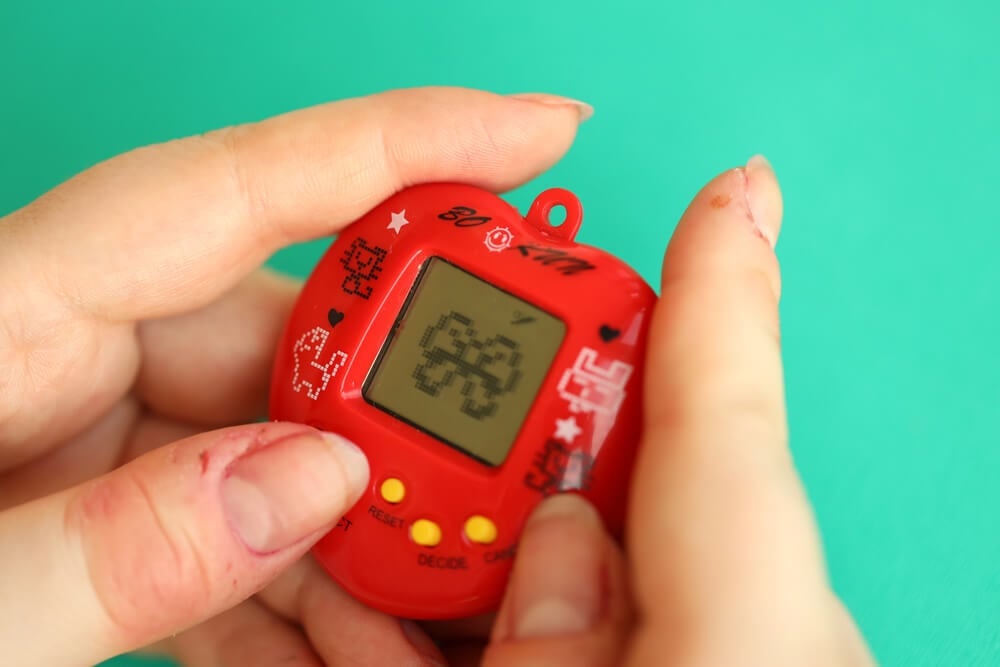
Playmates built the Nano Pets line in the late 1990s as a smaller, cheaper answer to the virtual pet boom. Each tiny handheld held a creature that grew, needed meals, and reacted to buttons, and the line spread across a range of creatures and colors.
The models are rarely expensive, so a single unit often sells for under 20 dollars, though complete carded examples can pull more. Dried-out seals, scratched lenses, and discolored backing cards make the difference between a pocket-change find and a respectable listing.
Tickle Me Elmo
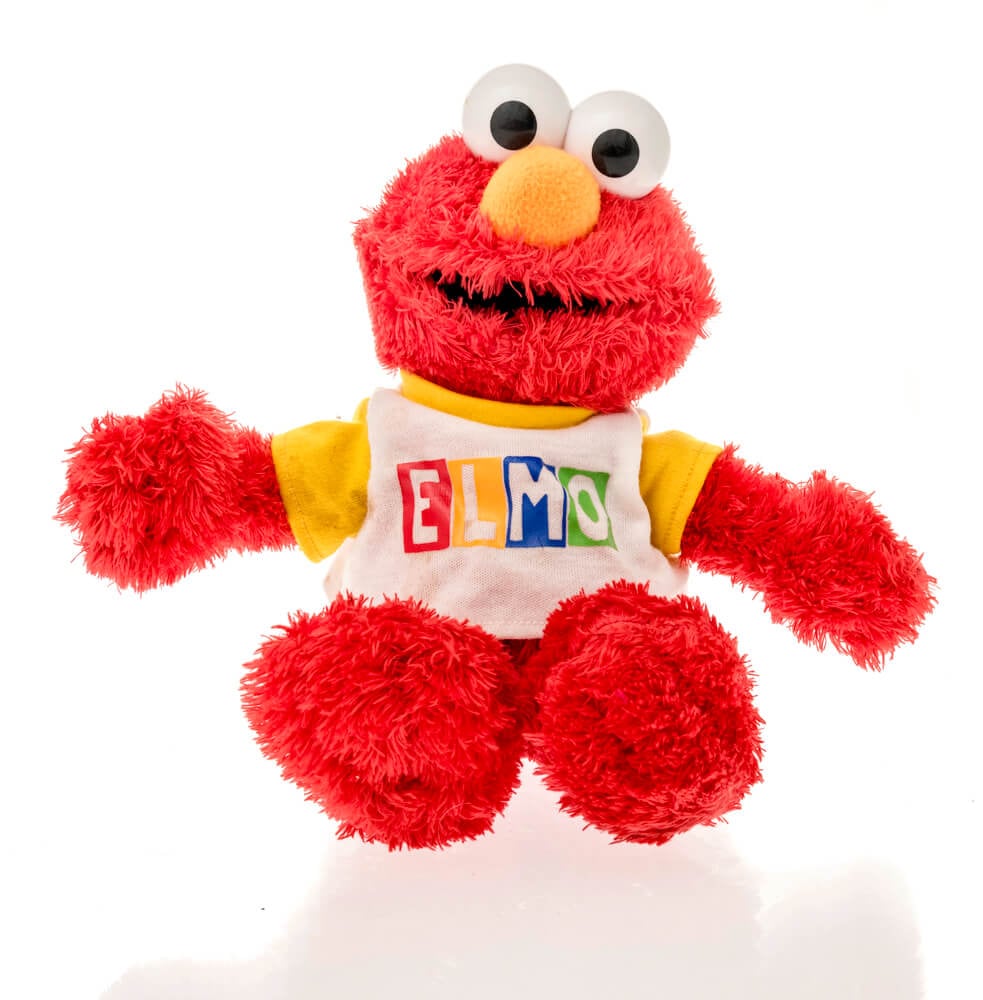
Tyco released Tickle Me Elmo for the 1996 holiday season, and a talk show appearance by Rosie O’Donnell helped turn a plush toy into a national scramble. The red doll giggled, shook, and rocked when squeezed, and stores sold out within hours in several cities.
Resale offers at the time ran far above retail, and frantic shoppers made headlines. Today, original Tyco examples with working motors and no stains typically bring about 20 to 60 dollars, while boxed ones are scarcer.
Worn fur and failed vibration units limit the return.
The Original Nine Beanie Babies
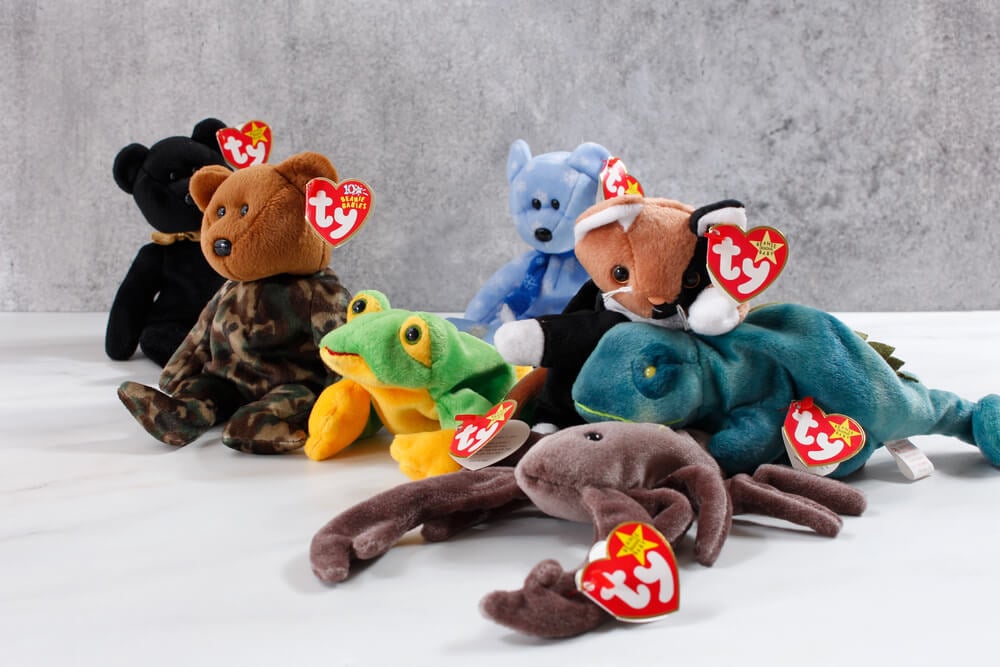
Ty Warner introduced the first Beanie Babies in 1994, a set of nine small, bean-filled animals that included Legs the frog, Squealer the pig, and Chocolate the moose. Their lower stuffing and loose, floppy look set them apart from firmer plush.
Early versions carried a first-generation tag and a distinct style, and those details matter more to buyers than the animal itself. Strong examples with crisp tags can bring around 50 to several hundred dollars, while crushed tags, stains, and later reproduction tags leave a pretty bear worth very little.
Princess the Bear
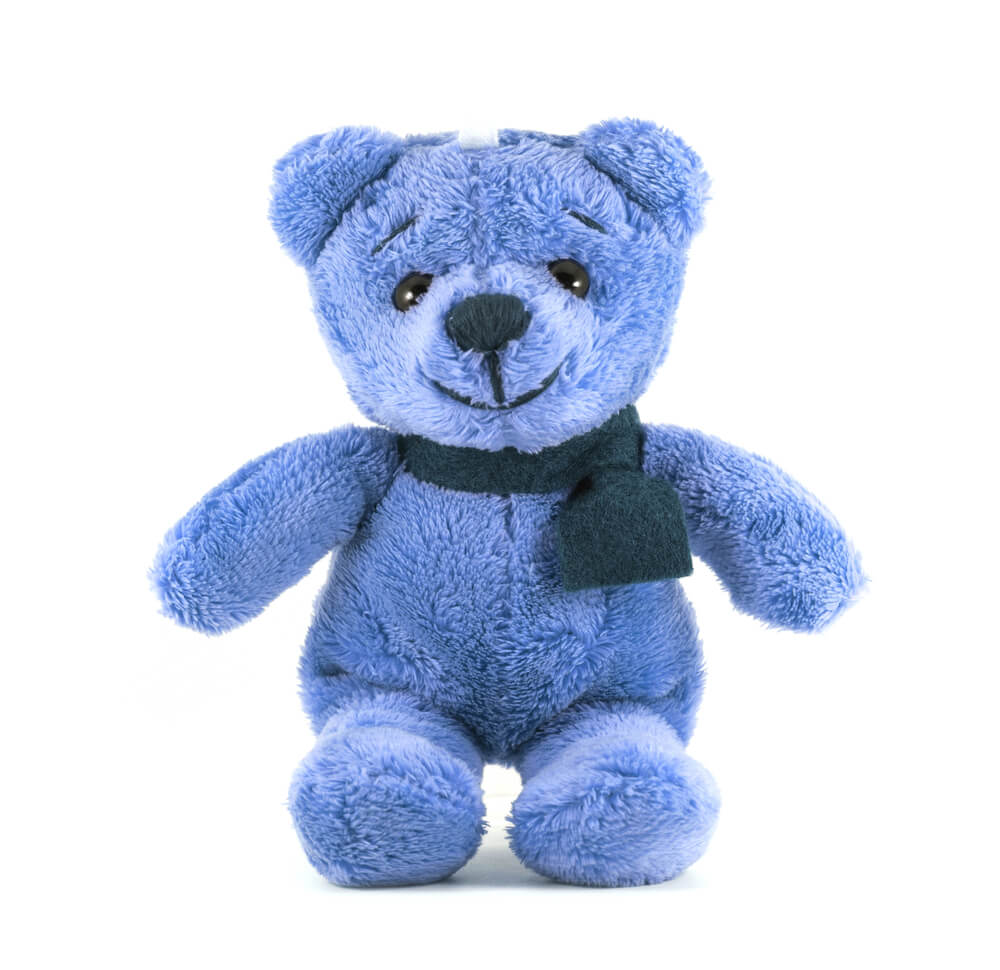
Ty released Princess, a purple bear with a white rose embroidered on its chest, in 1997 as a tribute to Diana, Princess of Wales, with proceeds supporting her memorial fund. Collectors were quickly sure that it was worth a fortune, and stories of five-figure prices circulated widely.
The market has been far less generous, since Ty made enormous quantities of the bear. Mint examples with clean tags typically sell for a few dollars up to a modest sum, and only rare tag errors raise the figure noticeably.
Peanut the Royal Blue Elephant
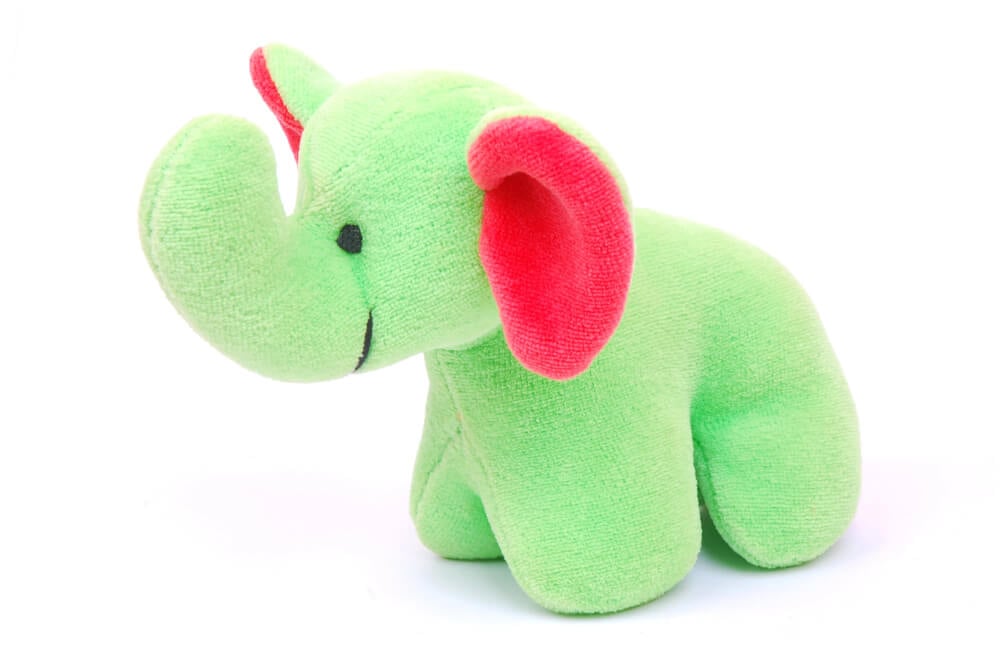
Peanut the elephant is the clearest case of a manufacturing slip becoming a prize. Ty first produced the elephant in a deeper royal blue shade, then switched to a light blue color that became the standard.
The darker version was far scarcer, and it earned a reputation as one of the most valuable of the early Beanie Babies. Genuine royal blue examples with correct tags can sell for several hundred dollars or more, but fakes and sun-faded light blue ones circulate.
Authentication and tag condition drive the entire price.
Teenie Beanies
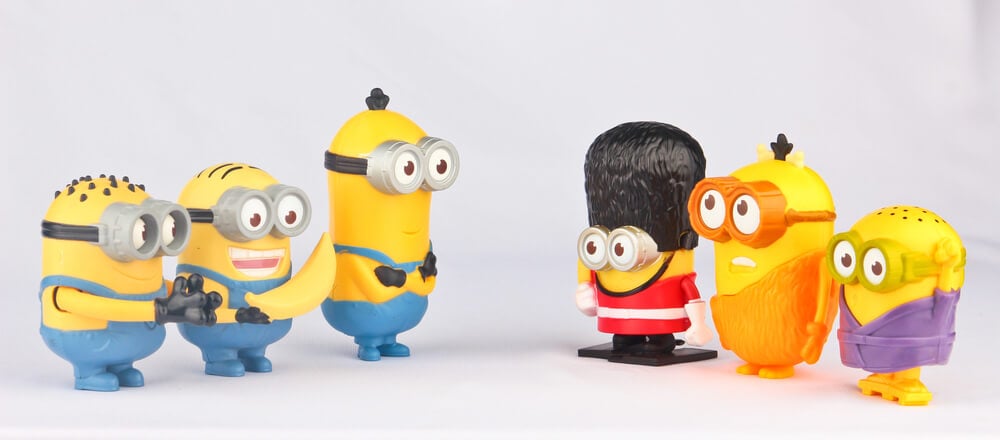
McDonald’s gave away miniature Teenie Beanies in Happy Meals in 1997, and the promotion sold through so fast that restaurants ran short of the toys. Customers bought meals in bulk, and many families returned week after week to finish the set.
Each toy came sealed in its plastic pouch, and a complete set of the original run is easy to find. Individual pieces typically sell for a dollar or two, though sealed sets and rare combinations draw somewhat more.
Torn or opened bags erase most of the premium.
First Edition Pokemon Base Set Cards
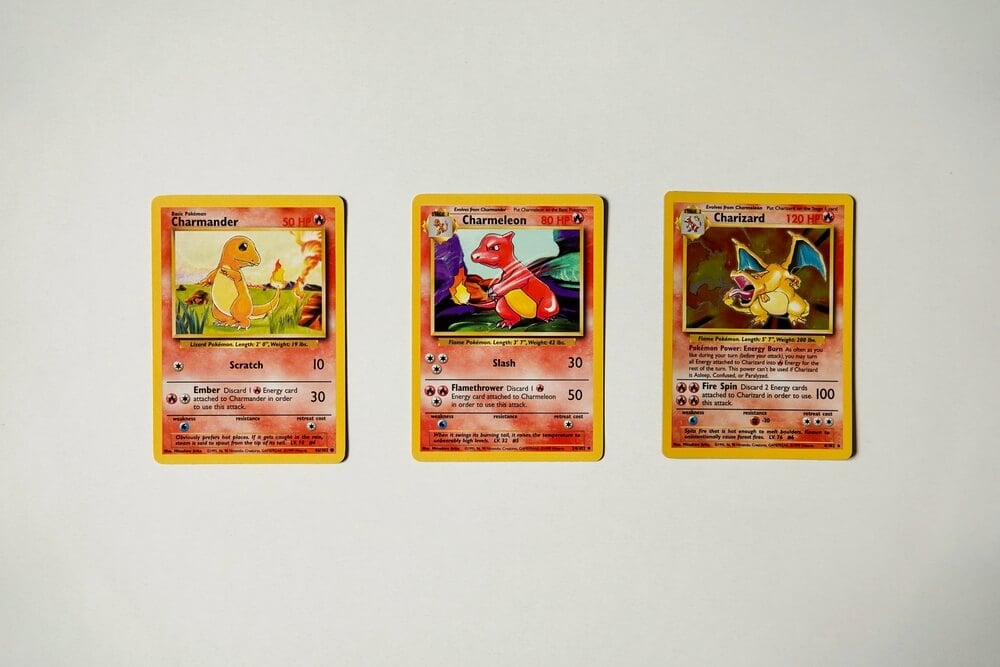
Wizards of the Coast released the English Pokemon trading card game in 1999, and the first printing carried a small first edition stamp that now matters enormously. The even rarer shadowless cards lack the drop shadow around the picture box.
A first edition Charizard in top graded condition has sold at auction for hundreds of thousands of dollars, and ordinary cards from the set range from a few dollars to a few hundred. Whitened edges, surface scratches, and a soft grade from a grading service reduce value quickly.
Pogs and Slammers
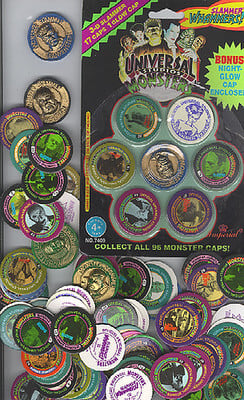
Pogs began as a Hawaiian pastime built around milk bottle caps, and the name itself came from a juice blend of passion fruit, orange, and guava. The craze reached schoolyards across the mainland in the early 1990s, where children stacked the cardboard discs and flipped them with a heavier slammer.
Common discs sell by the bag for a few dollars, while rare metal slammers and sealed promotional sets draw more. Creased edges, curled faces, and dull printing make most loose collections modest in value, whatever their sentimental appeal to former players.
Tazos
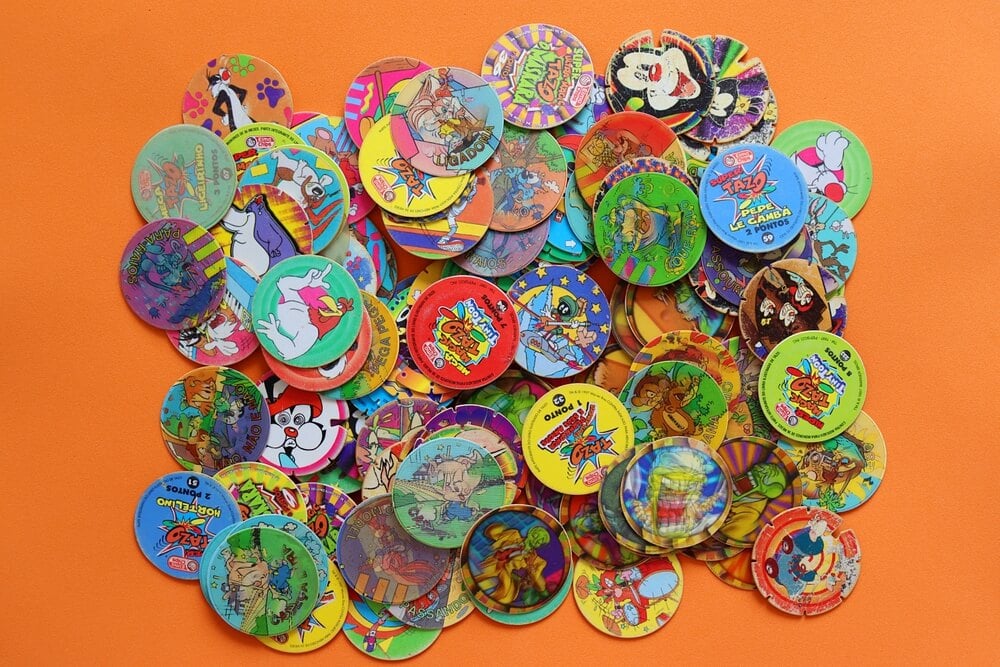
Frito-Lay tucked small plastic discs called Tazos into snack bags in the mid-1990s, and the Looney Tunes designs became schoolyard currency. The discs worked like Pogs, with a flat piece and a heavier flicking disc that kids used to knock stacks over.
The promotions ran through several themes over the years, and completists chase the full sets. Loose discs usually bring pennies, but a complete lot with its original sheets can sell for a few dozen dollars.
Scratched surfaces and missing pieces undercut the price.
Polly Pocket
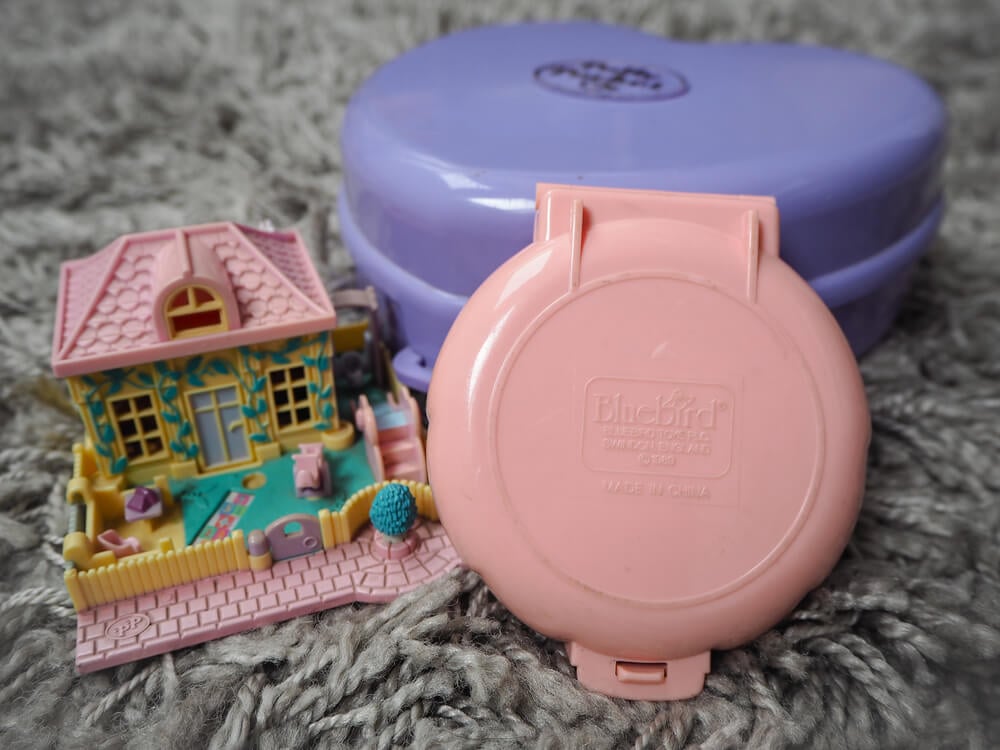
Chris Wiggs created the original Polly Pocket in 1989 for his young daughter Kate, shaping a tiny compact that opened to reveal a miniature world and a doll small enough to lose in a sofa cushion. Bluebird Toys sold it through the early 1990s, and Mattel bought the company in 1998.
Original Bluebird compacts with every tiny accessory present typically sell for about 20 to 80 dollars. Cracked hinges, missing dolls, and yellowed plastic are the usual deductions, and a compact that no longer snaps shut loses much of its appeal.
The Super Soaker
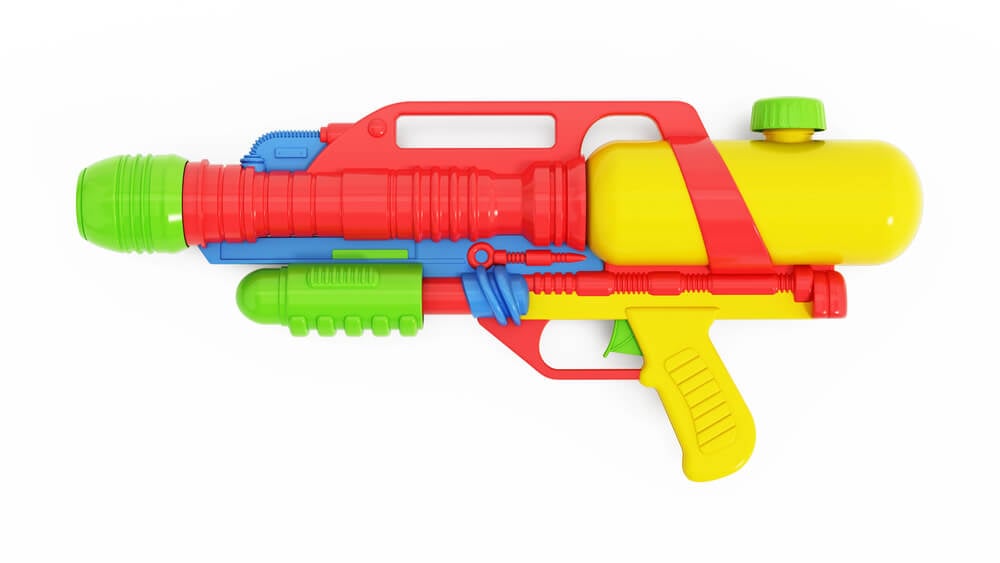
Lonnie Johnson, an engineer who worked at NASA’s Jet Propulsion Laboratory, invented the water gun while experimenting with a cooling system, and Larami put the Super Soaker on shelves in 1990. Pressurized tanks gave the toy a stream that made earlier squirt guns look like medicine droppers.
Early CPS models in good condition often sell for about 30 to 120 dollars, and sealed boxed examples bring more. Cracked tanks, perished seals, and sun-yellowed plastic make many surviving examples display pieces only, and they are often sold as parts for repair projects.
Sky Dancers
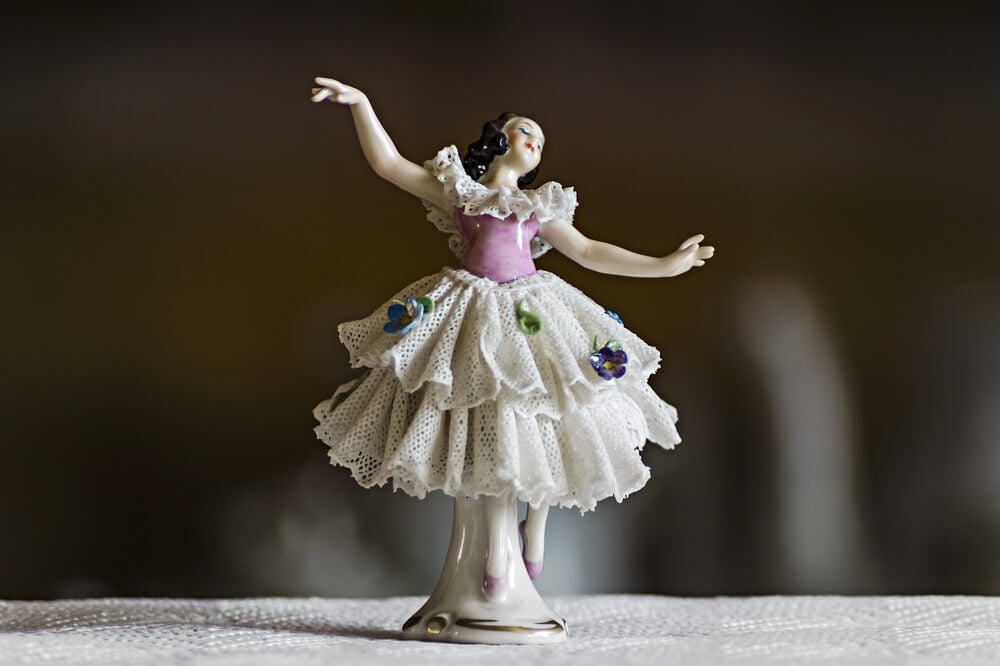
Galoob released Sky Dancers in 1994, a set of fairy dolls with propeller wings that shot into the air when a ripcord was pulled from a base. The toy was impossible to aim, which made the living room an obstacle course and the ceiling a regular landing spot.
Complete sets with the launcher and intact wings typically sell for about 20 to 60 dollars, and sealed packs run higher. Brittle plastic, bent wings, and missing launchers keep many loose lots cheap, since the delicate parts rarely survive years of storage in attics.
Bop It

Hasbro introduced Bop It in 1996, a handheld gadget that shouted commands and rewarded quick reflexes with a faster pace. Its voice, which barked instructions at players, made it instantly memorable, and several later versions followed.
Original units from the first production run are generally inexpensive, usually selling for about 10 to 30 dollars, while sealed boxes and special editions cost more. Dead batteries are no obstacle to a sale, but corroded compartments, dull sounds, and broken knobs can leave a unit worth only parts.
Yak Bak
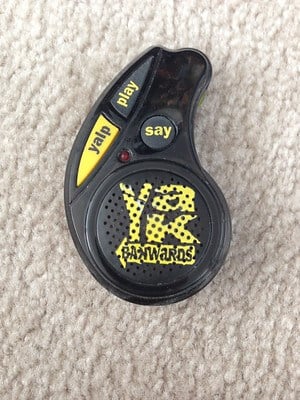
The Yak Bak was a pocket-sized recorder that captured a few seconds of speech and played it back in a high, chipmunk-like tone. Davidson sold it in 1995, and it became a favorite for classroom pranks and long car rides.
The toy used a simple chip with no screen and almost no controls, so most failures come from battery corrosion. Working units typically sell for around 15 to 40 dollars, and boxed examples bring a premium.
Cracked casings, scuffed buttons, and mismatched colors lower the price, and sellers who test the playback usually earn more.
Spice Girls Dolls
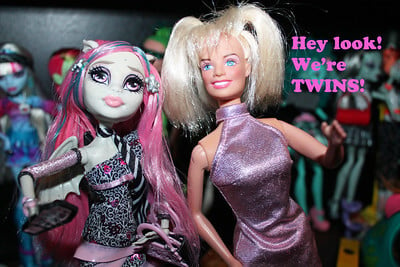
Galoob released the Spice Girls dolls in 1997, one for each member of the British pop group, with outfits modeled on their stage looks. The line arrived at the height of the group’s popularity, and sets sold quickly during the holidays.
Loose dolls sell cheaply, but mint boxed sets with all five dolls often draw about 80 to 200 dollars. Creased boxes, missing shoes, and untied hair are the details that separate a collector grade doll from a loose find, and a sealed window box carries the strongest premium.
Teletubbies Toys
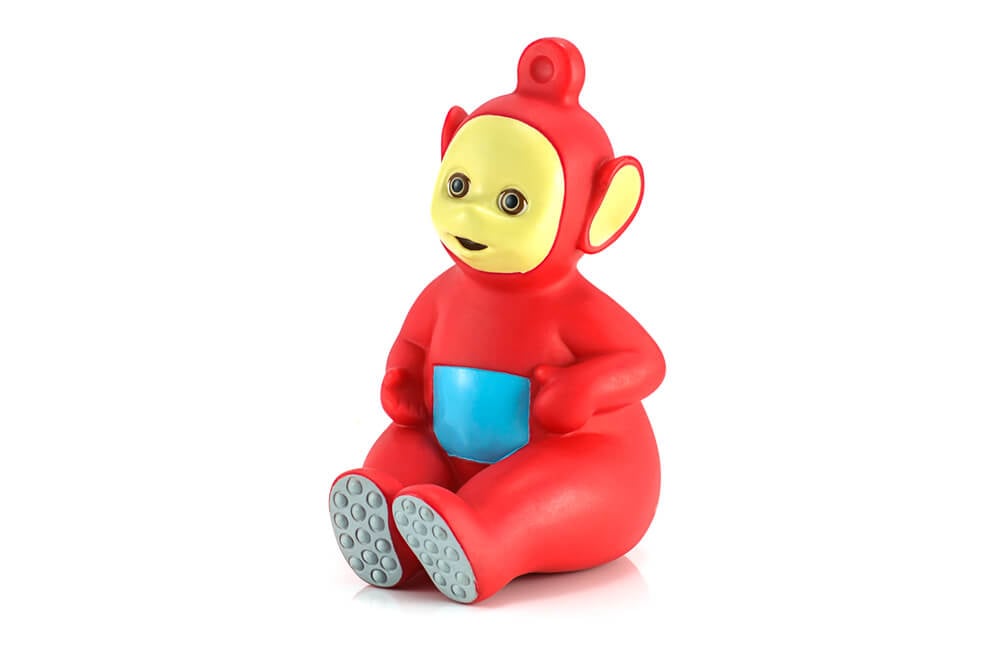
The Teletubbies arrived from the BBC in 1997, and in the United States the plush versions became a shortage item during the 1998 holiday season. Hasbro sold the four characters, Tinky Winky, Dipsy, Laa-Laa, and Po, and the talking plush versions repeated phrases from the show.
Dolls in good condition typically sell for about 10 to 30 dollars, while sealed boxed versions can reach somewhat more. Stained fur, silent voice boxes, and missing antennas are the main reasons for lower offers, and a clean plush with a working voice box is the version buyers chase.
Mighty Morphin Power Rangers Figures
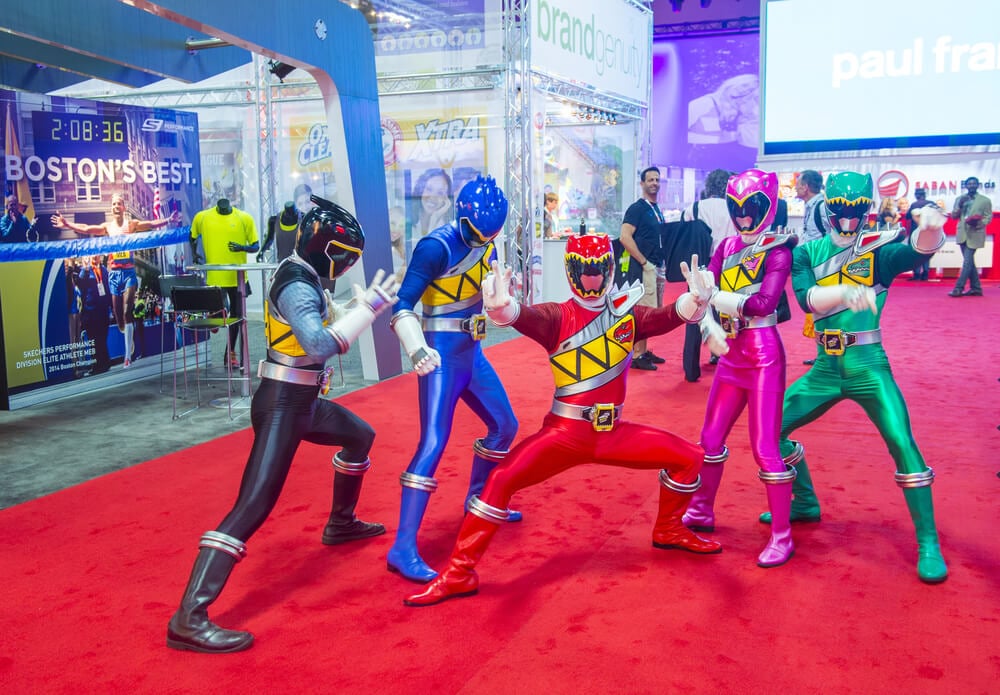
Bandai America launched the Mighty Morphin Power Rangers toy line in 1993, adapting costumed characters from a Japanese series into action figures and vehicles for a new audience. Stores could not keep the five-inch figures on shelves for months, and parents drove between towns to find them.
The original red, blue, yellow, black, and pink Rangers with their weapons now sell for about 15 to 50 dollars each when complete. Still-carded examples bring several times more, while worn paint, loose joints, and lost accessories cut the price.
Koosh

Scott Stillinger invented the Koosh, a soft toy built from hundreds of rubber filaments radiating from a small core, and OddzOn marketed it widely as a fidget item long before the term existed. The 1990s craze brought out larger sizes, giant versions, and themed editions.
Hasbro later acquired the company that sold it, folding the line into a much larger toy business. Original Koosh toys usually sell for a few dollars, while sealed vintage sets and unusual editions go for more.
Dried, brittle filaments and dirty packaging reduce nearly any listing.
Home Alone 2 Talkboy
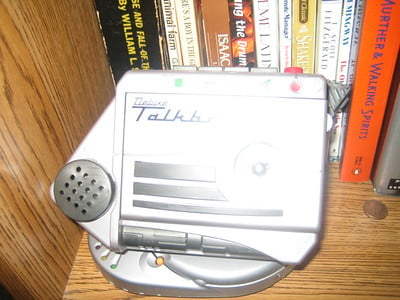
Tiger Electronics released the Talkboy as a real version of the tape recorder shown in the 1992 film Home Alone 2. The gadget recorded voices and played them back at different speeds, and kids loved the chance to prank relatives.
Demand ran high during the holiday season following the movie, and many families hunted for one. Working Talkboys with their original power cords can sell for about 40 to 120 dollars, while boxed examples draw more.
Cracked cases, sticky buttons, and missing microphones hold prices down, and a tape deck that still turns is the main selling point.
Batteries Low, Nostalgia High
The most valuable 1990s fads share a few traits. They were scarce at the right moment, they came in packaging that survived, and the people who loved them as children now have adult budgets.
A toy that ran on a pair of AA cells and talked in a squeaky voice has a hard time qualifying as an investment, yet the demand for its memory is real. The lesson from the resale market is simple.
Sealed boxes, working electronics, and clear tags matter more than the character on the front. Millions of these toys were made, and the examples worth real money tend to be the few that someone quietly kept in a closet.

Like Go2Tutors’s content? Follow us on MSN.
The Best Related Posts:
17 Human Reflexes That Exist for Mysterious Reasons17 Opening Lines That Launched Popular TV Series16 innovations that changed digital payments26 Elements on the Periodic Table With Backstories Stranger Than Fiction

2 Comments
Pingback: Star Entertainment hit with £137 million anti-money laundering fine - Comic Vibe
Pingback: Manoj Bajpayee Takes Jibe At Bollywood's Insider Culture: Industry Is Bullsh*t, No Fraternity Here - Comic Vibe