

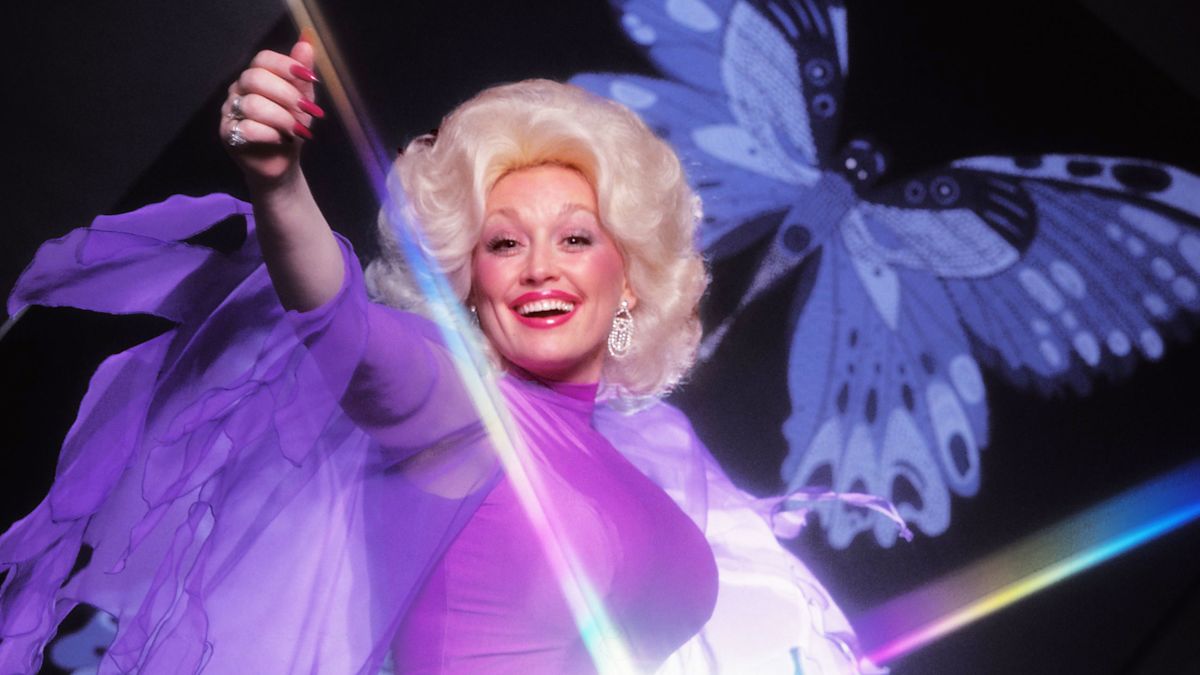
Dolly Parton’s death at 80 years old this week has sparked numerous tributes and sweet reflections on the Queen of Country Music’s legacy. It’s also shining a light on a symbol that played a significant role in Parton’s life: the butterfly.
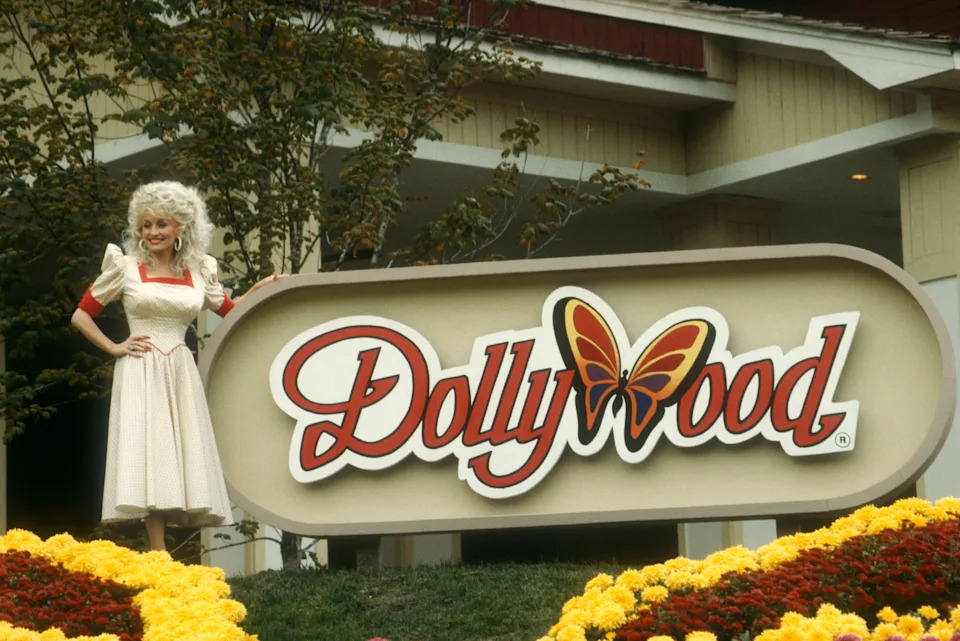
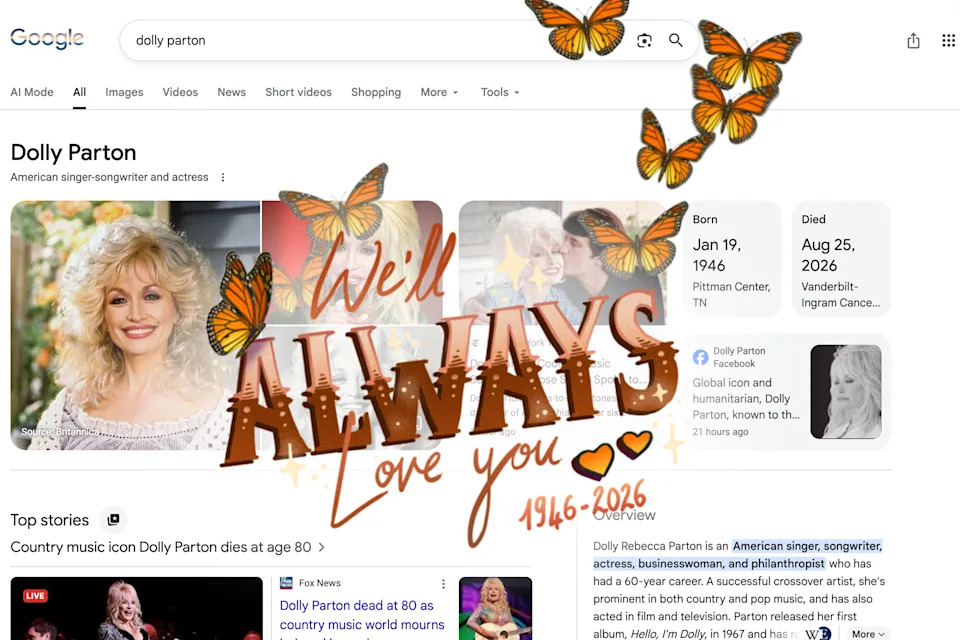
If you Google Parton’s name on Wednesday, you’ll see a flurry of butterflies across the screen, along with the words “We’ll Always Love You.” The 9 to 5 actor, who died after a “brief battle with cancer,” has long incorporated butterflies into her work, making them a central theme of her 1974 track “Love is Like a Butterfly” as well as using them in her clothing, stage shows and even in the logo for her Pigeon Forge, Tenn., amusement park, Dollywood, where the W is a pair of butterfly wings. She’s also previously shared that she has pastel butterfly tattoos, which, like her other hidden tattoos, she got to cover scars.
In an interview with W Magazine in 2021, Parton explained why butterflies, which she “loved” all her life, were her favorite symbol.
“They didn’t sting. They didn’t bite, and they were so beautiful,” she said. Parton explained that while growing up in Tennessee’s Great Smoky Mountains, she would get “lost in the woods,” and “wander off” chasing after the insects from “one bush to another.”
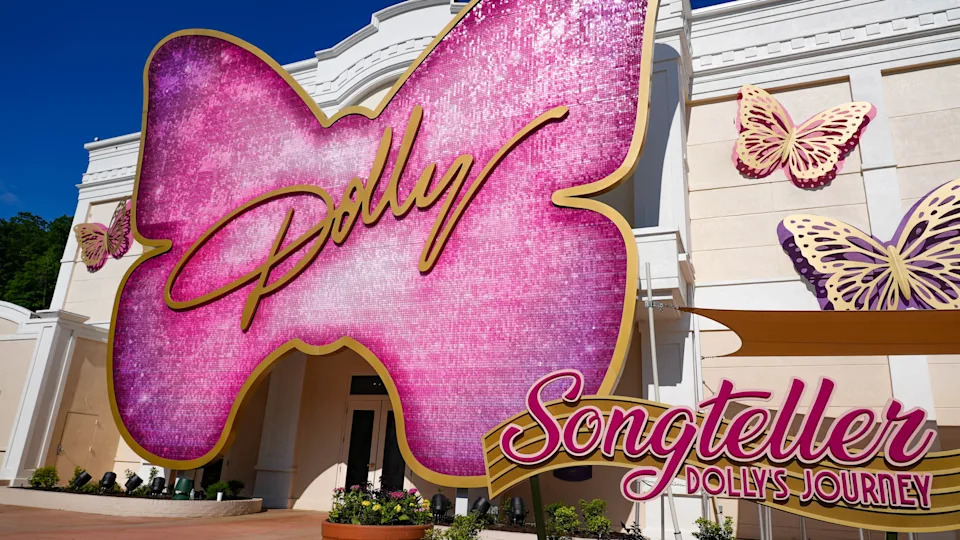
“I just loved them because they were colorful and gentle, and I just kind of related to them with my own personality. I don’t want to hurt anybody. Didn’t want to bite. Didn’t want to sting, and I still don’t. I just kind of claimed them as my little symbol.”
In 2025, Parton appeared on the Zac Brown Band song “Butterfly,” in part due to her connection to the insects. “I’ve always been chasing butterflies one place or another,” she told Zac Brown in their Interview conversation that year.
Parton appeared with butterfly wings earlier this month in a video celebrating the launch of Dollywood’s latest ride, the high-tech roller-coaster hybrid NightFlight. The singer, who wore computer-generated butterfly wings in the video, joked that her doctors in Nashville, who stopped her from attending the event in person, had “clipped” her wings.
Temple University sociology professor Dustin Kidd, who teaches about the impact of Parton on pop culture, tells Yahoo that Parton’s passion for butterflies is emblematic of the gentle, nonjudgmental way in which she approached the world and spoke about her convictions.
“When she was asked about gay people, for instance, she would talk about how important it was to her not to judge, and she was very careful in her responses,” he says. “It didn’t usually come down to an in-depth discussion about gay people, per se, so much as it was a discussion about how we should all behave towards one another, and in ways that could be universally applied across identities, whether you’re talking about sexuality, race, gender, immigration or political beliefs.”
The butterfly metaphor also extends to the way Parton was able to reach others despite coming from humble beginnings, Kidd says. Parton, who was one of 12 siblings, grew up in a one-room cabin in the Smoky Mountains and overcame poverty to become a global icon. Along the way, she touched many lives — not only through her music and films, but by giving back to the worldtions to causes including COVID-19 vaccine research
“She grew beautiful butterfly wings and spread them. She produced tremendous amounts of wealth that went way beyond the poverty in which she grew up in,” Kidd says. “[She touched people through] her music, in her business, in her acting career, in so many different ways. And so the butterfly metaphor, I think, really does describe the life that she got to lead.”

1 Comment
Pingback: Ex-Child Star Ricky Schroder’s Tone-Deaf Dolly Parton Tribute Backfires Spectacularly - Comic Vibe