

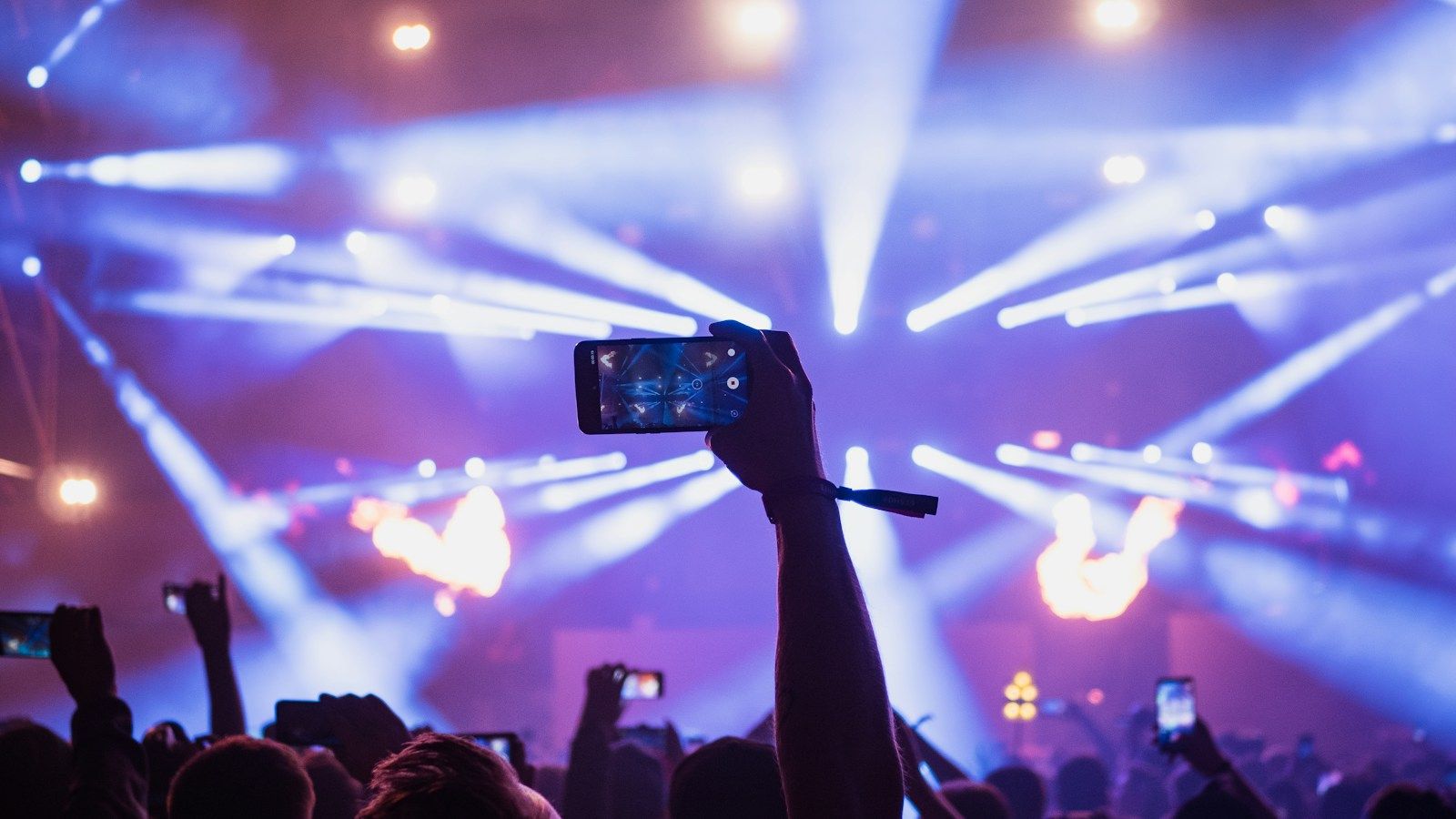
New Zealand culture now travels through phones before it reaches the pub table. A new single drops, a festival clip lands on TikTok, a streaming show gets picked apart, and a gig announcement sells half its tickets before breakfast. Entertainment coverage has followed that habit, with music, screen and pop culture writing built for readers who move fast but still want substance.
The audience has the tools for it. DataReportal recorded 5.03 million internet users in New Zealand at the start of 2025, equal to 96.2% of the population, and 4.14 million social media user identities, equal to 79.1%. InternetNZ also found that 47% of online New Zealanders spend four hours or more each day online for personal use, with younger adults drawn toward social media, streaming and messaging. That gives entertainment publishers a large, active audience with many tabs open and limited patience for waffle.
The demand for curated information has also created a growing ecosystem of specialist publishers. Readers increasingly rely on third-party sources to organise information, provide context and explain developments across highly specific interests. Those interests can range from music and streaming culture through to technology, gaming and other digital sectors. Resources such as Casino.org‘s New Zealand coverage reflect that broader shift toward comparison-based and explainer-driven publishing, where audiences look for context before deciding how to spend their time and attention online.
Music coverage has moved with the audience
Music still gives New Zealand entertainment media much of its pulse. The country has a strong local story, from major exports to small venue scenes, and digital coverage helps those threads reach readers beyond Auckland and Wellington. APRA AMCOS reported that the Aotearoa music industry directly contributed $451 million to GDP in 2023, with $901 million after wider effects, while supporting about 5,600 full-time equivalent jobs in total. Those figures give cultural coverage an economic base.
Streaming has changed how writers cover artists. NZ On Air’s Where Are the Audiences? 2024 report found that New Zealanders spent 1 hour and 12 minutes per day streaming music, almost level with radio listening. That pushes coverage toward release explainers, tour updates and short-form video analysis, because fans often discover songs through feeds rather than through one fixed broadcast slot. A review now has to meet the listener after the algorithm has already introduced itself.
Local music also faces visibility pressure. The New Zealand Music Commission’s 2024 fourth-quarter report said New Zealand artists made up 14.4% of total streams in that quarter, while New Zealand songs made up 30% of radio spins. That gap gives entertainment writers a practical job. They can put local releases into context, explain why a tour counts, and help readers find artists who might otherwise lose space to the global release machine.
Entertainment coverage now crosses formats
New Zealand readers rarely keep culture in one box. A person can read about a new album, watch a trailer, check a comedy tour and scan gaming news during one commute. That behaviour suits digital publishers because it rewards sites that connect culture without turning every page into a shopping aisle. A music fan may also want festival travel advice, venue updates or ticket timing.
Screen culture brings the same kind of attention. NZ On Air’s 2024 audience report found that TV and video still had strong daily reach, while online video accounted for a major share of viewing behaviour. A film release now comes with trailers, interviews, memes, and box-office chatter. Entertainment coverage has to explain the work, the business around it and the fan response, often as soon as news breaks.
Games add another layer because interactive culture now sits beside music and screen coverage. IGEA’s 2025 New Zealand Plays report found that 23% of New Zealand adults said games or gamification were part of their work lives, showing how gaming habits have moved beyond leisure spaces. For young adults and tech-minded readers, that means entertainment media can cover game launches, creator tools and online communities with the same seriousness it gives albums or shows.
Readers want context
Digital entertainment coverage works best when it explains why a story has earned attention. A new song can connect to the economics of touring. A streaming hit can show how local audiences respond to global platforms. The common thread is service: helping readers make sense of a crowded digital day.
Australia gives New Zealand publishers a nearby comparison point. IGEA’s 2025 Australia Plays report shows how games have become a mature entertainment form across age groups, and that regional patterns shape coverage across both markets. New Zealand and Australian readers often share tours, release calendars and streaming platforms, so entertainment sites can treat the region as connected while still respecting local scenes.
As entertainment choices continue to expand, the role of digital publishers becomes less about breaking news alone and more about helping audiences navigate abundance. Whether the subject is music, streaming, gaming or emerging online communities, readers increasingly value coverage that filters noise, adds context and makes digital culture easier to understand.

2 Comments
Pingback: Adam Smith Named Chairman, Direct-To-Consumer, Disney Entertainment - Comic Vibe
Pingback: AMC Entertainment (AMC) Laps the Stock Market: Here's Why - Comic Vibe