

DC Comics has reached new heights of success, becoming the biggest name in superhero comics for the first time in decades. The publisher has been doing a lot right lately, working to rebuild their multiverse of superheroes and supervillains into something that more closely resembles the old DC Multiverse, one that hasn’t existed in 40 years because of Crisis on Infinite Earths. That classic 12-issue story serves as the ultimate dividing line in DC history; it ended the old multiverse, which would forever after be referred to as pre-Crisis, and birthed an entirely new one, which would come to be referred to as post-Crisis. This state of affairs lasted for 20 years from 1986 to 2006, ending with the fantastic Infinite Crisis.
Videos by ComicBook.com
Post-Crisis DC is one of the most beloved periods in the company’s history. The company employed the best creators you could ask for to redefine their universe. They reached new levels of popularity over these 20 years, with many of the greatest moments in DC history coming during this period. Many of the changes made to the various teams and events were so great that they are still canon today, but not all of them reached the same levels. Some of them turned out to be mistakes in retrospect, with these five post-Crisis DC changes leading in some lackluster directions.
5) Made the Justice Society Superfluous
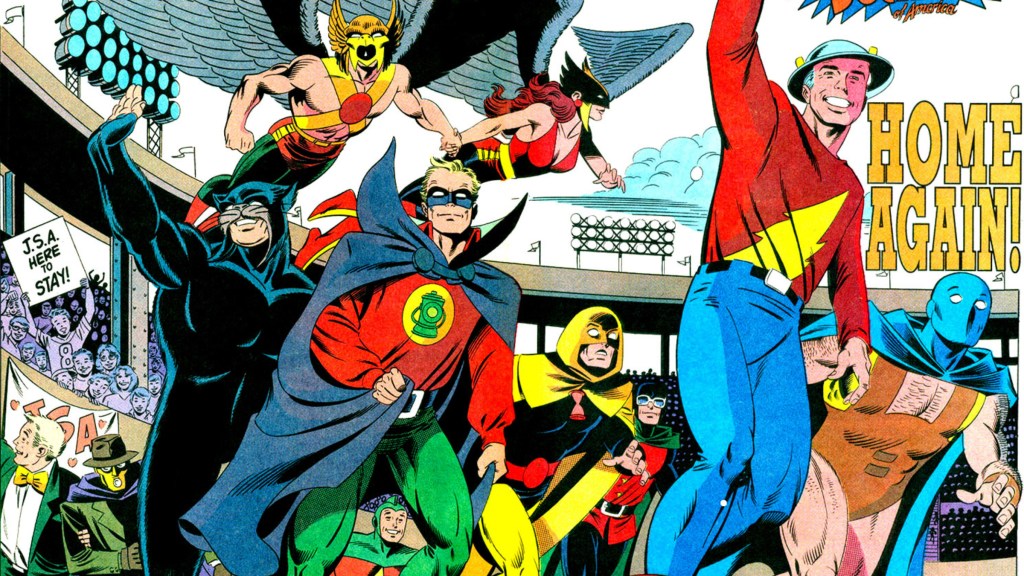
The Justice Society is DC’s first superteam, bringing together the greatest heroes of the Golden Age. They set the standard for every team that came after them and would return in the ’60s, when the success of DC’s Silver Age heroes led the publisher to bring back the legends of yesteryear. They became a key part of Justice League of America (Vol. 1), the Earth-Two team showing up to help the League battle the biggest threats in the multiverse. They were on the front lines in the battle against the Anti-Monitor and had their histories folded into the timeline of Earth-One to create what has been referred to in supplemental sources as “New Earth”, combining the peoples and histories of Earths-One, Two, S, and X.
While one would imagine this would make them more popular, it actually did the opposite. DC tried twice with Justice Society of America in the days after Crisis, along with The Last Days of the Justice Society in between them. They completely derailed the team and didn’t really seem to have any kind of plan for them. While Infinity Inc. kept soldiering along for a short period, the Justice Society would go the way of the dodo, with most of the original members killed in Zero Hour: A Crisis in Time. It wouldn’t be until JLA‘s “Crisis Times Five” that the team would begin the long road back to relevance, culminating in 1999’s JSA.
4) The Changes to Krypton
Some of the biggest changes made to the DC Universe in the days after Crisis on Infinite Earths came to the Superman side of things. Superman was recreated from the ground up; all that was kept was the particulars of the character. Krypton was ground zero for those changes. In the days of pre-Crisis DC, it was the standard futuristic alien world, with a culture that would be recognizable to any human. Writer/artist John Byrne wanted to make them less human culturally, taking the science focus of the race and using it to make them over into emotionless people who were obsessed with science.
They didn’t even have sex or actually love each other; breeding pairs were chosen for genetic compatibility and they combined their DNA in a “birthing matrix”. Jor-El and Lara were an outlier because they actually loved each other and grew to love the burgeoning bundle of cells in the El birthing matrix. However, Jor discovered the truth about the planet, no one listened, and he came up with a way to launch the birthing matrix, with Kal born when he got to Earth. Byrne wanted to Krypton to seem like a terrible place in contrast to Earth. It closed off an entire part of Superman’s history and was changed as the years went by.
3) Destroyed the Origin of the Legion of Superheroes
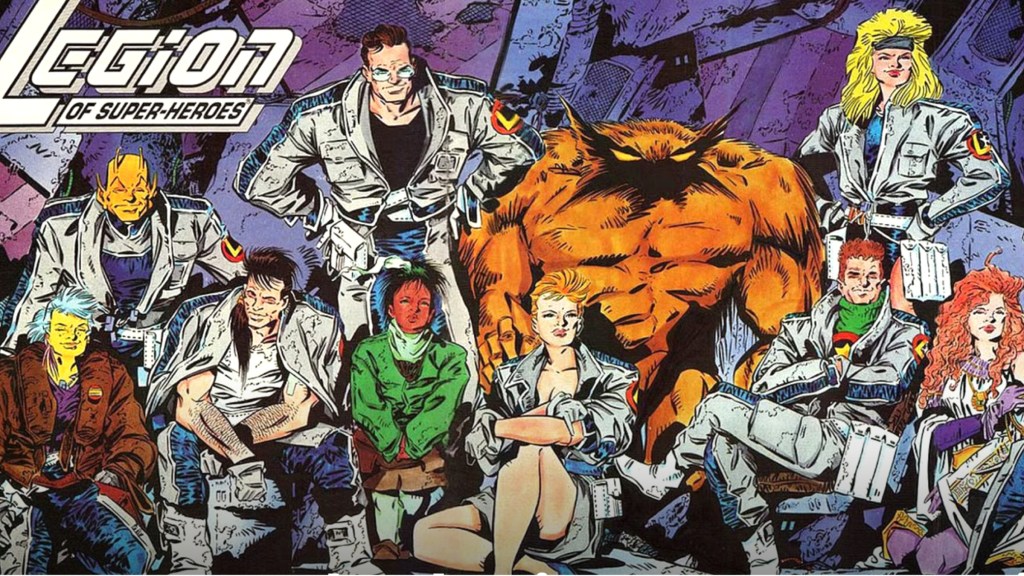
The Legion of Superheroes had a precipitous falland DC’s post-Crisis continuity can be blamed for it completely. Byrne’s changes to Krypton weren’t the only big changes he made to the Superman origin; the creator never liked the idea of Superboy and so he removed that from the character’s origin. If that doesn’t really seem like a big deal to you, that’s because you’re not a Legion of Superheroes fan. The team of alien superheroes from a thousand years in the future was inspired to come together by the adventures of Superboy and even came back to the present to allow him to join the team, taking him on adventures in the 30th century.
Removing Superboy from the Legion was a problem not only because of what it meant as their inspiration – that easily could have just been switched over to Superman, though – but also because he was one of the most important members of the group. At first, they went around it by saying that the Legion Superboy was from a pocket Earth, but the whole thing quickly became untenable, leading to the “Five Years Later” reboot, which would eventually lead to the Zero Hour reboot, ending decades of Legion history because someone didn’t like Superboy.
2) Starting Wonder Woman From the Beginning Was a Mistake
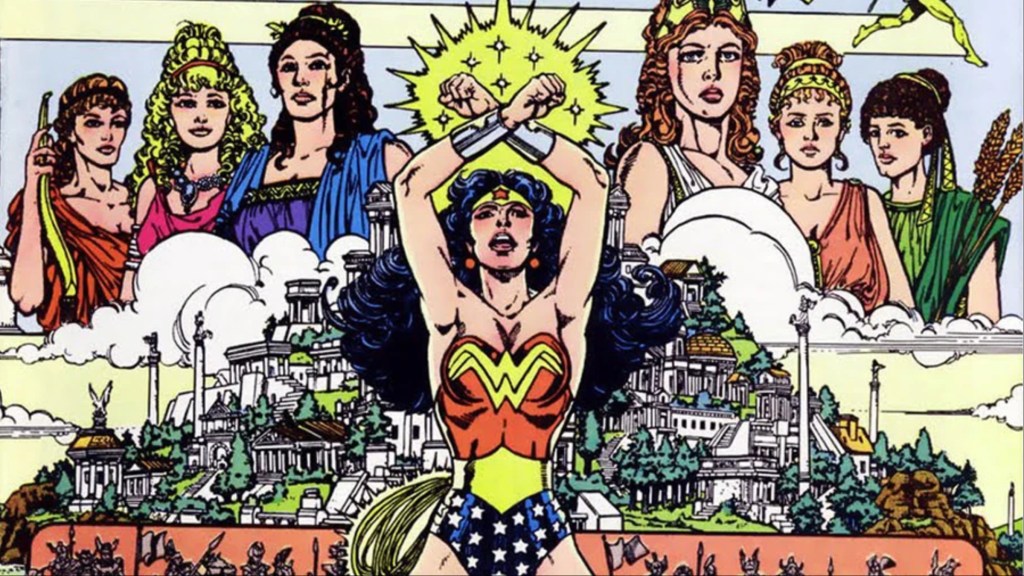
So, I want to be clear when I say that the post-Crisis George Perez Wonder Woman reboot was spectacular and helped make the hero even greater than ever. Perez was able to take the mythological aspects of the heroine and her world and push them to the fore, leading her stories in bold new directions. However, if there was problem with it, it’s that this was meant to be the first appearance of Wonder Woman in continuity. So, for example, Man of Steel was the first Superman story of the new universe, but it was a flashback <a href="https://comicvibe.com/apple-watch-series-12-and-ultra-4-adding-two-new-features-soon/” title=”Apple Watch Series 12 and Ultra 4 adding two new features soon”>series, going back to the early days of Superman’s career; same with “Year One” for Batman. The characters had histories beyond what we saw that would be fleshed out in the years to come.
Wonder Woman (Vol. 2) began in the present day of the DC Universe, meaning that there was no Wonder Woman in the Justice League, which meant that she never saved Donna Troy from the orphanage fire. However, Donna was a member of the New Teen Titans back then. Changing when Wonder Woman joined the DC superhero community started the dumpster fire that was Donna Troy’s origin. We all love Perez’s Wonder Woman and wouldn’t want for it not to happen, we all just would have preferred something more Man of Steel/”Year One” than what we got.
1) Doing Away With the Multiverse Took Away What Made DC Unique
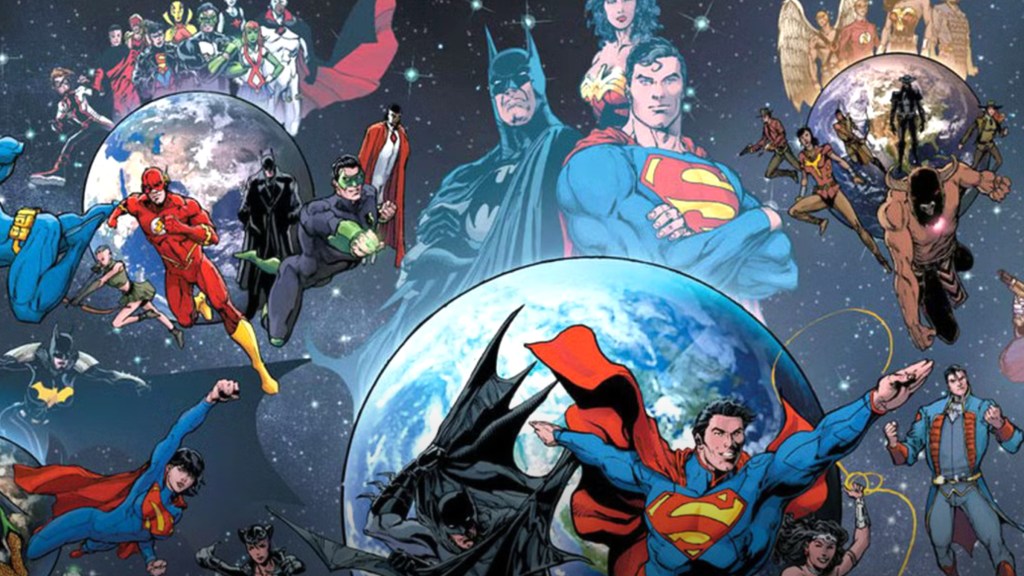
Crisis on Infinite Earths changed DC Comics in various ways, but the most obvious will always be the destruction of the old school multiverse. Now, as someone who first was a Marvel fan, DC creating Earth-Two as the home of their Golden Age heroes in the Silver Age felt like overkill to me (young me wondered why they didn’t just do what Marvel did and make all of that sort of canon to the past), but it ended up creating a system that would lead to some of the coolest superhero stories of all time. The DC Multiverse became the home of the wildest, weirdest superhero adventures imaginable, giving DC Comics its own unique identity. DC heroes and villains were different from their marvelous competition and the multiverse was a key part in what made them so different. Losing it took that away from the publisher.
One of the funniest things about the “death of the DC Multiverse” is that the publisher ended up creating “Elseworlds” four years after Crisis ended in 1986, allowing creators to keep telling alternate universe stories. There’s long been this idea that the multiverse complicated things for new readers, but it was also part of what made DC into what it was. Doing away with it completely was a weird choice and it’s one the publisher has been working to undo for longer than its “death” lasted.
What post-Crisis changes do you hate? Any here you don’t think should be here? Sound off in the comments below.
5 DC Heroes Readers Love to Hate (and One of Them Is the Most Popular Superhero in Pop Culture)
More Comics
-
Image Courtesy of Marvel Comics Marvel
10 hours agoX-Men ‘97 Fans Will Love This Forgotten ‘90 X-Men Classic (and It’s a Key Part of the Decade’s Biggest Mystery)
-
Image Courtesy of DC Comics Comics
1 day agoDC Comics Began Their Best Era of Events 40 Years Ago So Why Doesn’t Anyone Remember It?
-
Image Courtesy of DC Comics Comics
1 day agoForget the Justice League International, This Version of DC’s Greatest Team Is Perfect for the DCU Even If They Are the Worst Justice League of Them All
-
Collectibles
1 day agoAn MCU Fan Favorite’s First Appearance Is Hiding in This Unexpected Piece of Marvel History
-

Comics
1 day agoArchie Comics Reveals First Look at Shaquille O’Neal’s Epic Vengeance Unchained: The Legend of Black Caesar #1 (EXCLUSIVE)
-
Image Courtesy of Marvel Comics Comics
2 days agoThis Might Be Marvel’s Wildest Superhero & I Really Wish He’d Make a Comeback
