

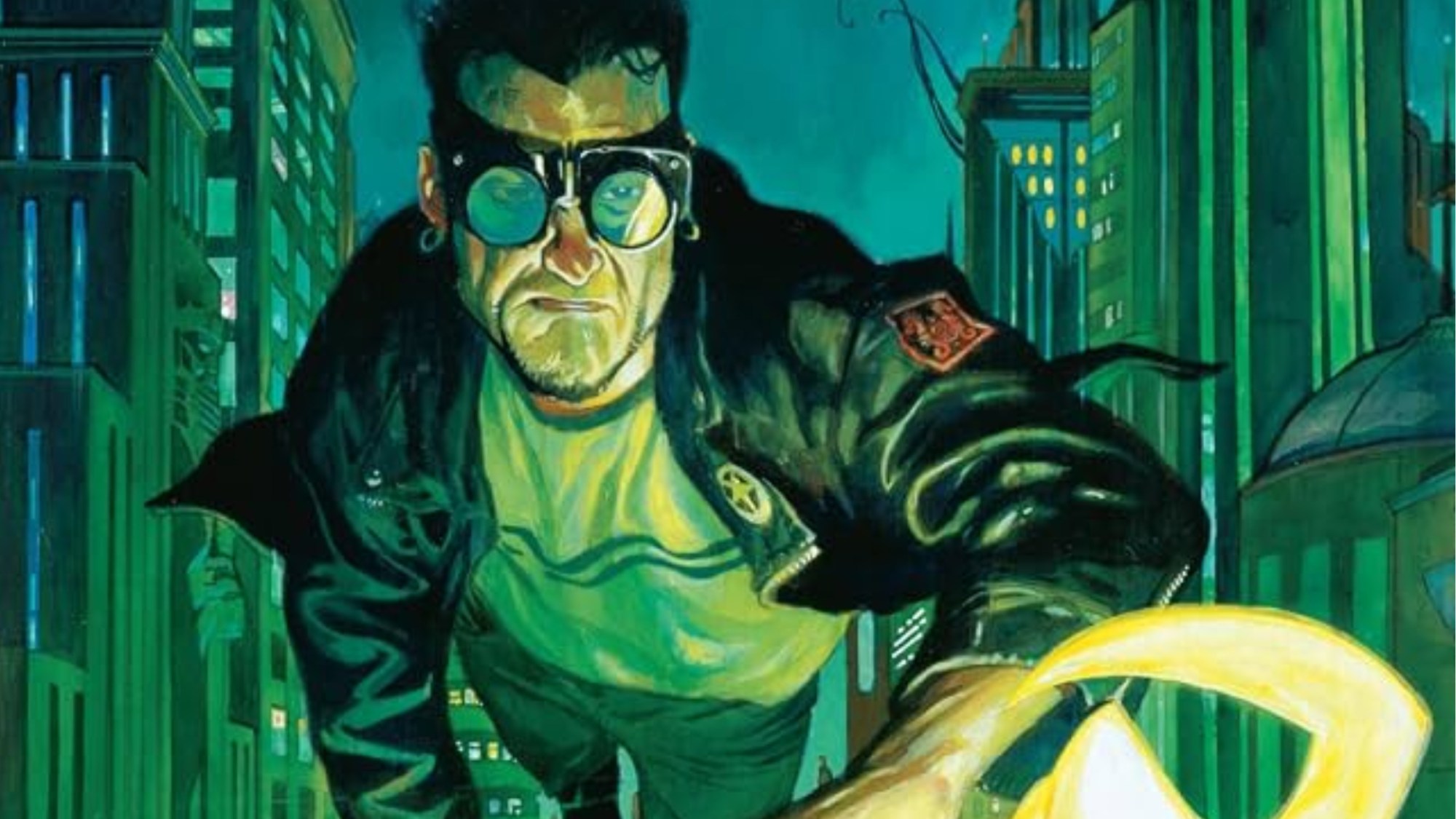
The ’90s has a terrible reputation among comic fans. The ’80s were an amazing time for superheroes; the industry was able to mature and hit some brilliant highs, creating a whole new class of superstar creator. DC Comics was always on the forefront, putting out gamechanging comics like New Teen Titans, Camelot 3000, Ronin, Watchman, The Dark Knight Returns, Crisis on Infinite Earths, Justice League International, Legion of Superheroes, Man of Steel, and many more, books that redefined what DC was. The ’90s hit the industry like a ton of bricks; Marvel had been cultivating a crop of superstar artists that pulled all the attention to them. Their success led to them breaking away and forming Image Comics, with the new publisher and the House of Ideas making comics that were all about the art, but often forgot to make the stories as compelling as they were mere years before.
Videos by ComicBook.com
While Marvel and Image were selling millions of comics on the back of the art, DC was focusing on the stories. ’90s DC was honestly amazing, with numerous best of all time books and runs released, both from the mainline and Vertigo. DC became known for more sophisticated comics in the ’90s; even some of their superhero books were more highbrow than anything Marvel and Image put on the market. However, there was one thing missing in the decade – legacy. Post-Crisis DC was modern and the heroes of Golden Age DC faded from view; fans wanted the future not the past. After the success of 1993’s The Golden Age, DC decided to get British writer James Robinson to make fans interested in their old school heroes. This led to Starman (Vol. 2), a legendary book with art from titans like Tony Harris and Pete Snejberg. This book was the most ’90s thing you can imagine. Its main character embodied the slacker mentality of Gen X, its stories informed by the fact that he never wanted to be a superhero.
Starman (Vol. 2) Embodied the Dream of Generation X
It all started with the Justice Society of America and Starman. Ted Knight was a bored socialite who was super into the stars, using his wealth to study them. Eventually, he learned to harness the energy of the cosmos and created the Gravity Rod, which allowed him to fly and fire powerful energy blasts. He became a stalwart hero, fighting alongside the first superteam in decades of battles and modifying the Gravity Rod into the Cosmic Rod. There were several Starmen not related to him, including Will Payton and aliens Mikaal Tomas and Prince Gavyn, all while he fought alongside the Justice Society. Ted always defended his home of Opal City, having two children: Jack and David. This is where Starman (Vol. 2) began.
Starman (Vol. 2) #0 spun out of Zero Hour: A Crisis in Time, a story that saw Doctor Fate I, Doctor Mid-Nite I, the Atom I, and Hourman I killed by Extant, who aged them to dust and then removed the magic retarding the aging of the rest of the team. Ted finally hung up his tights and David took up the mantle, which he had wanted for years. However, his first night on patrol was his last, as an assassin’s bullet took his life. This left his brother Jack to take up the Cosmic Rod and get revenge, drawn into the cycle of violence that was being a superhero by the the Mist II, the daughter of his father’s original arch-enemy.
Jack Knight was a character who was perfect for the ’90s. Robinson made him into the epitome of adult Gen X. Jack wasn’t interested in the past; he had always rebelled against his father. He had a life he enjoyed – he owned his own antique shop – working for a living and not depending on the Knight name or legacy. Suddenly, he was thrust into a role he never wanted, forced to fight a battle handed down to him by his father. Readers connected to the character immediately; he was everything someone in their teens or 20s would want to be. He was cool and that went a long way.
This was the perfect way to re-establish the legacy of Golden Age DC. Jack was basically the audience – he had moved past the glories of his family’s past and wanted to live in the now. However, much like the audience, the legacy of his father stopped becoming a chain, instead becoming a lesson. Jack’s path went in some very interesting directions, even having a baby with the Mist II, and his reactions to the wild world of superheroes always felt genuine. He never wanted to be a hero and he made that as obvious as possible and that was the charm of the character. Watching him grow and change as a person, incorporating what he learned from his father and his father’s friends, helped make the book into something special in an era where deep superhero comics didn’t get a lot of love. Jack has been retired since the last issue of Starman (Vol. 2) and so far, DC has honored that, letting Jack live out his life with his son, which is all he ever actually wanted.
Starman (Vol. 2) Reinvigorated an Entire Corner of the DC Universe
Speaking as someone who was around back then, DC’s Golden Age heroes always felt lame to me. They were simple and goody-goodie and I just wasn’t interested in them. However, I started to read about this book in Wizard named Starman and it sounded amazing. This led to me to picking it up and since then, I’ve been a massive fan of DC’s Golden Age heroes. Jack Knight was a huge part of that. His struggle with his family legacy gave him facets that many heroes had, but it felt real in a way that others didn’t. Jack Knight was the perfect way into the Golden Age heroes.
Back in the ’90s, Generation X was the generation that no one cared about. They were left to their own devices and all they wanted was to live their lives their way. Jack embodied these ethos and it came at the right time. Starman (Vol. 2) was basically a Vertigo book on DC’s main line, a book that drew in an older, more sophisticated readership. Jack’s desire to live life on his own terms appealed to them and since then, generations of readers have fallen in love with the book. Jack was always unique and it helped make Starman (Vol. 2) one of the most beloved comics ever.
10 Best Justice Society Stories in DC History
More Comics
-
Image Courtesy of Marvel Comics Comics
1 day ago15 Years Ago Today, A New Spider-Man Was Introduced & He’s More Popular Today Than Peter Parker
Image Courtesy of Marvel Comics Comics
1 day agoMarvel’s Heroic Age Was One of Its Best Eras, So Why Did Everyone Forget It?
-
Comics
1 day agoStar Trek #1 May Be the Franchise’s Best, Boldest Entry Yet (Early Review)
Image Courtesy of Marvel Comics Marvel
2 days agoDC Has Their Own Version of Captain America But You’ve Probably Never Heard of Him
