

Published 5:30 am Saturday, July 25, <a href="https://comicvibe.com/2026-eisner-award-winners/” title=”2026 Eisner Award Winners”>2026
Camosun Innovates is launching an innovative applied research project to expand access to the acclaimed Virtual Reality Witness Blanket.
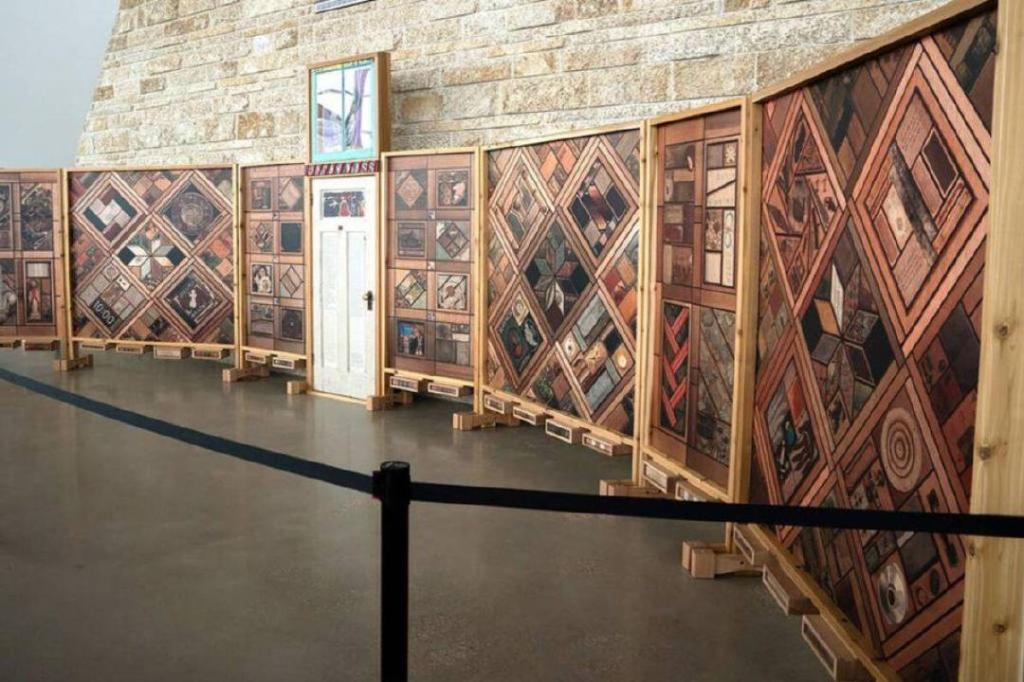
(Black Press Media file photo)
An applied research project is bringing a profound Indigenous artwork about truth and reconciliation into a shared digital environment.
Camosun Innovates is partnering with Indigenous artist Carey Newman and the Canadian Museum for Human Rights (CMHR) to launch an applied research project. The initiative will create a multi-user virtual reality environment for the acclaimed Virtual Reality Witness Blanket (VRWB).
The Witness Blanket is an influential installation made from more than 800 items gathered from 77 communities. Contributions include letters, photos, stories, books, clothing, and art, as well as fragments of buildings reclaimed from former residential school sites.
Survivors, their families, band offices, friendship centres and governments donated pieces. Those responsible for the school system, churches, and the Canadian federal government also contributed items as a gesture towards reconciliation.
Camosun’s research will introduce two major enhancements to the virtual version of the artwork: A new multi-user interface and narrative designer functionality.
Newman, the creator of the Witness Blanket, whose traditional name is Hayalthkin’geme, is a Kwakwaka’wakw and Coast Salish artist and a University of Victoria professor.
“This VR builds on the original Witness Blanket,” Newman, the current Impact Chair in Indigenous Art Practices at UVic, said.
He adds that the platform is “offering users the opportunity to interact with the objects, discover sounds of culture and language that have been collected from Indigenous community members before being integrated into the virtual experience.”
“It’s exciting to work with this new technology to engage audiences with the history and legacy of residential schools in a new way, while supporting meaningful dialogue and continuing education,” Newman says.
The multi-user component will allow multiple participants to interact within the virtual environment simultaneously, while the narrative designer tool will aim to empower Elders, educators, survivors, community witnesses, and curators to build customized journeys.
Users can select artifacts, develop guided pathways, and record personal audio narratives.
Richard Gale, director of Camosun Innovates, says the initiative expands the impact of the artwork.
“This project will break new ground in the world of Virtual/Extended Reality technologies while expanding the impact of this Indigenous artwork on communities and individuals around the world,” Gale says.
He notes the importance of the ongoing partnership.
“It takes our previous work with Carey Newman and the CMHR to a new level, once again supporting and enhancing what has become a long-term collaboration in support of reconciliation and the Residential Schools era in our history,” Gale says.
The Witness Blanket was first displayed in Winnipeg, at the CMHR back in 2015.
It is set to appear on display at the Royal BC Museum from April 28 until Sept. 5, 2027. Previously, it was displayed in Greater Victoria at Stelly’s Secondary School in 2024 and the Arts Centre at Cedar Hill back in 2021.
