

Related reads:AOASHI Season 2 Producer On Why He Proposed the Anime Adaptation of the Football Manga (EXCLUSIVE)
IGN Otaku Update is IGN India’s original column series exclusively dedicated to covering the animanga fandom and market.
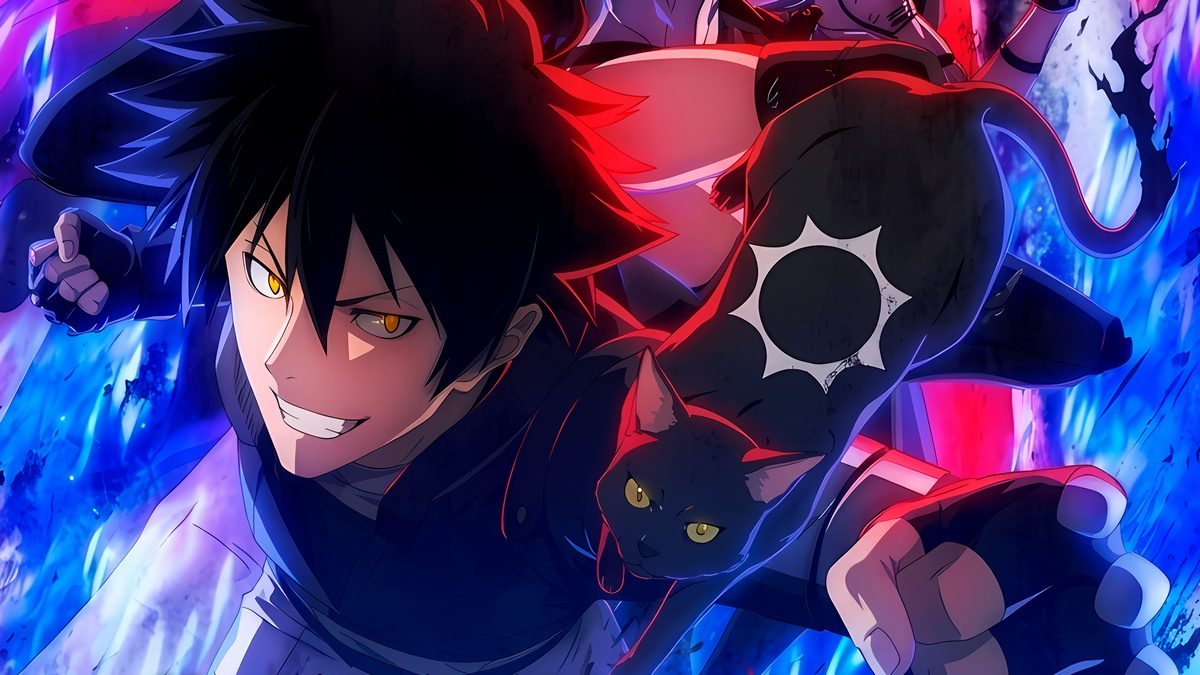
BLACK TORCH began as a five-volume manga in Weekly Shonen Jump in 2016, but its story received a new life with an anime adaptation now airing worldwide. Created by Tsuyoshi Takaki, the series follows Jiro Azuma, a young punk who can communicate with animals and becomes involved with a secret organisation after crossing paths with Rago, a black cat mononoke. The series features ninjas, supernatural creatures and classic shonen action, with Jiro and Rago’s relationship at the centre of it all. The anime has also arrived on July 4 with a global simulcast and dubs in various languages, giving a much wider audience a chance to discover a manga that ended after just five volumes.
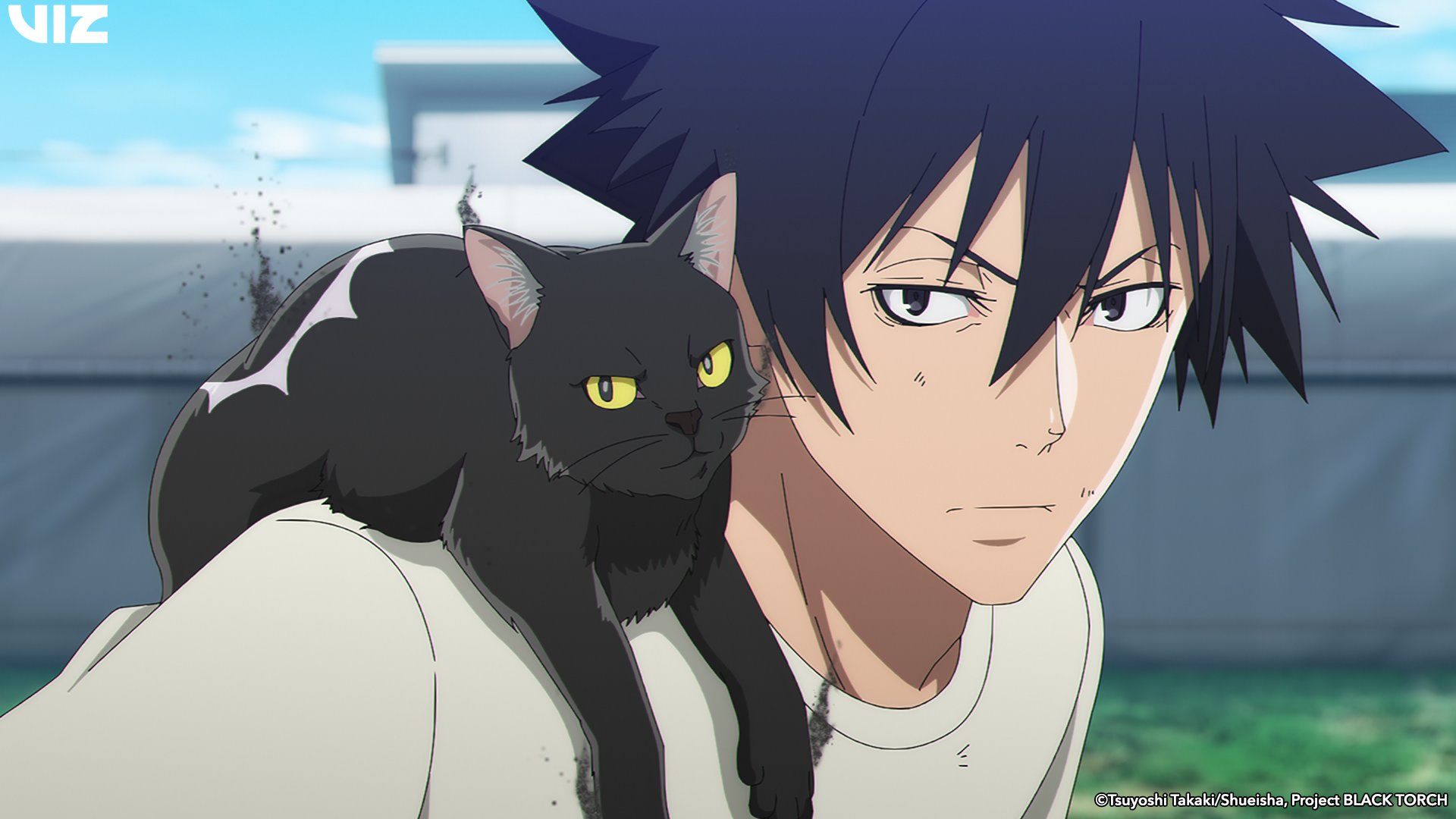
For this edition of IGN India’s Otaku Update, I spoke with Tsuyoshi Takaki about finally seeing BLACK TORCH become an anime, something he describes as one of his biggest dreams as a manga creator. Takaki was closely involved with the adaptation from its early stages, providing input on character designs, backgrounds, scripts and storyboards to keep the anime close to his original work. We also spoke about the overseas support that helped BLACK TORCH get its anime adaptation, the thinking behind Jiro and Rago’s partnership, the comparisons with Chainsaw Man, and what it has been like to see readers around the world respond to the series almost a decade after the manga began.
Rayan Sayyed: Please introduce yourself to our readers.
Tsuyoshi Takaki: I’m manga creator Tsuyoshi Takaki. I’ve worked on series such as BLACK TORCH and HEART GEAR.
Black Torch has received an anime adaptation. Congratulations! How does it feel to see your manga getting adapted into an anime? What was your first reaction when you heard the news?
Thank you. Having one of my works adapted into an anime has always been one of my biggest dreams, so I’m genuinely very happy that it has come true. That said, when I first heard the news, it didn’t feel real at all. It was only after production actually started that it gradually began to sink in, and I found myself thinking, “Wow, this is really happening…!”
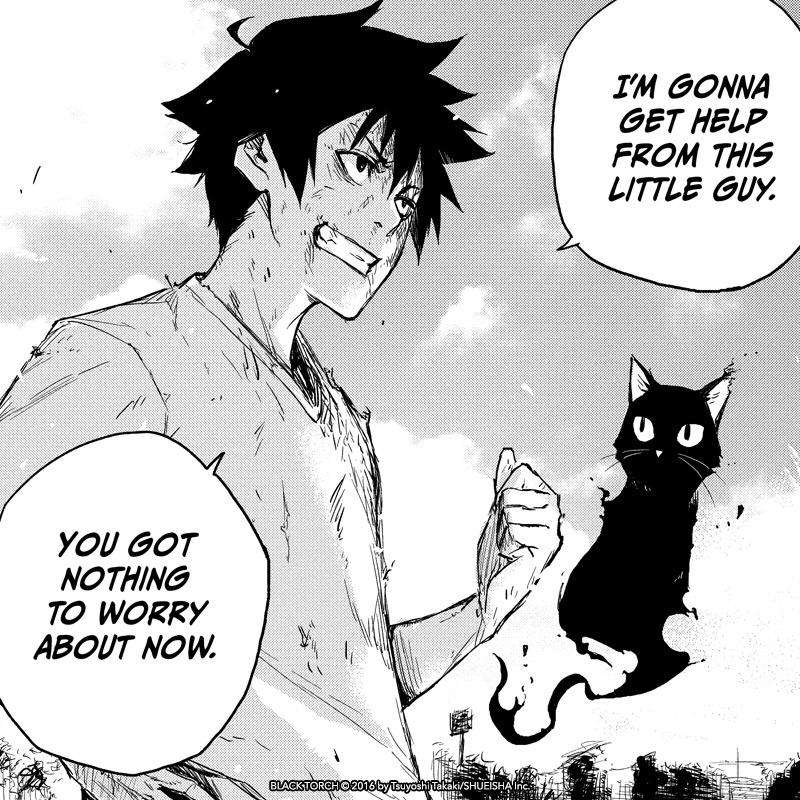
Viz is putting out the complete five-volume box set on September 22, right in the middle of the anime’s broadcast. For a reader picking it up now, what can you tell them about the manga? What should they know going in about it being an unfinished story by design, versus what the anime is doing to complete it?
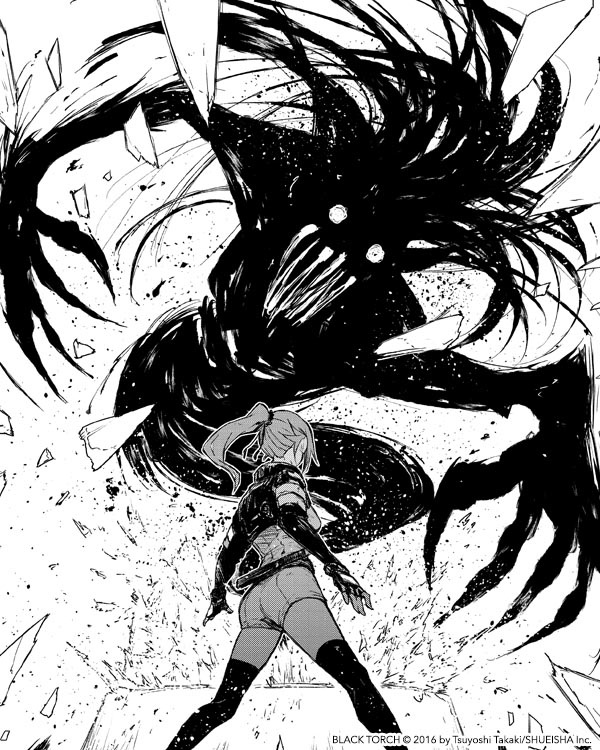
I set out to make BLACK TORCH a classic shonen battle manga. So, I think even readers who are not that familiar with manga should be able to get into it fairly easily. It also incorporates a lot of distinctly Japanese elements, such as ninja and mononoke, so I think people who enjoy those kinds of themes will have even more fun with it. As for the anime, the adaptation follows the original manga quite closely and has been handled with great care, so I think viewers can feel confident watching it.
Pre-order Black Torch Complete Box Set now: https://t.co/2nzAfschOy
— VIZ Media (@VIZMedia) February 28, 2026
How were you involved in the anime adaptation and where did you provide inputs? How was the experience like?
I was allowed to supervise as much of the production as possible, including character designs, background art, scripts, and storyboards. My feedback mainly involved correcting areas that strayed from the original manga, or making suggestions to further improve the visual experience. I’m extremely grateful that I was able to be involved in such detail from the very early stages of production. It was a valuable experience, and I really enjoyed it.
Black Torch ended in just five volumes. What’s the story behind it and did you want to create more? Can you talk about the stuff in the anime that never made it to manga?
The reason it ended after five volumes was simply the editorial department’s decision. So of course, at the time, I did want to continue the story. As for the anime, it basically follows the original manga, so there may not be many new elements. However, there might be a few anime-original surprises added towards the end of the season, which I hope everyone can look forward to.
We don’t usually see short manga getting full anime adaptations. How did this happen, is there a story behind it?
I’ll skip the full details, but the project actually began with the idea of “adapting a manga into an anime geared towards the global market,” and BLACK TORCH was ultimately selected as that title. And one of the major deciding factors was that the series had very strong support from readers overseas. So there is no question in my mind that BLACK TORCH was able to become an anime thanks to the support of readers around the world.
You’ve said you built Black Torch around ninjas and mononoke specifically because both are recognizable to international readers as well as Japanese ones. Looking at where the anime is landing now, a global simulcast, dubbed in languages like English and Hindi, does that original instinct feel vindicated in a way you didn’t expect back in 2016?
Yes, I do. We’ve received a lot of positive reactions to the anime from around the world, so I’m glad I made the decision back then to choose those themes.
Jiro’s ability to talk to animals is one of the more unusual hooks in a genre full of chosen-one powers. Where did that specific idea come from?
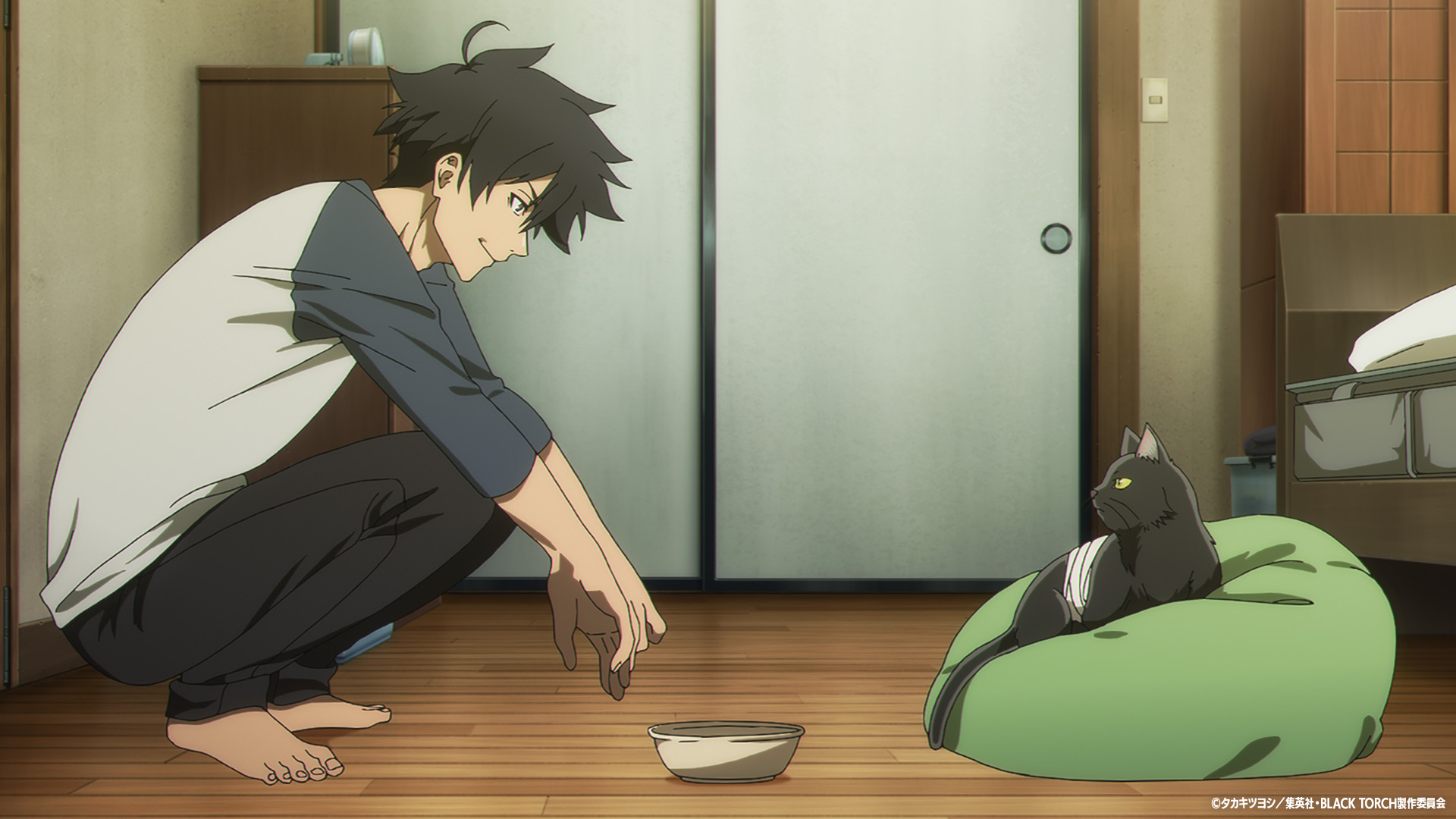
There were three main reasons I came up with that ability while developing the story. The first was so that Jiro could communicate seamlessly with Rago, who takes on the appearance of a black cat. The second was that there is a known ninja technique involving the use of birds and animals. And the third was to show that Jiro is the kind of character who treats humans, animals, and mononoke equally, without drawing distinctions between them.
If Jiro and Rago’s partnership is the emotional center of the manga, was there ever a version of the story where that pairing looked completely different, such as a different animal, a different kind of bond, before you landed on a black cat mononoke?
I conceived the story around the two of them from the very beginning, so there were never really any alternative ideas for Jiro and Rago’s relationship.
There’s discourse arguing that Chainsaw Man’s opening arc structurally is similar to Black Torch’s: a young man fused with a powerful supernatural entity, recruited into a secretive task force, facing a colleague’s hostility for not being “fully human,” all published a few years after your series. Had that comparison reached you before, and what’s your honest reaction to it?
For the record, ideas such as “merging with supernatural beings to gain their power,” “operating under a special organization,” or “being disliked by your teammates at first” are all fairly standard tropes in shonen manga. So I don’t think it is particularly surprising for certain ideas or combinations of ideas to overlap.
In fact, when I initially read the first chapter of Chainsaw Man, I remember thinking, “I see—so this is another way you can approach this kind of setup!” I was impressed. I think one of the fascinating things about creating stories is that even when the ingredients are similar, different creators can produce completely different works.
Between a ninja who talks to animals and a girl raising a robot with no base program in your other manga Heart Gear, you’ve now written two protagonists defined by an unusual, chosen family. Is that a theme you’re consciously returning to, or does it feel more like something your work keeps finding on its own?
I had never really thought about it consciously before, but looking back, I may simply like “pairs with many different kinds of relationships.” Sometimes they are partners, sometimes they are like parent and child, and sometimes there is a master-and-servant dynamic. I think I’m drawn to stories centered on two people whose relationship cannot be defined by a single category such as being just friends or lovers.
What is your advice for aspiring artists and writers who want to create comics? Any particular advice you’ve received that has helped you?
It may sound obvious, but if you want to become a manga creator, you have to keep drawing manga and keep putting your work out into the world. Of course, practicing your art and studying storytelling are both important, but the most important thing is to actually draw a manga and finish it. It is also important to have other people evaluate your work, whether that means submitting it to a publisher or posting it on social media. I think you move forward little by little by sincerely taking in that feedback and continuing to create new work.
Beyond that, I also think it is extremely important to see and experience as many different things as possible. No matter what kind of creative work you make, it can ultimately only come from what already exists within you. Manga, illustration, anime, movies, novels, games, of course—but also studying, working, and every other experience in your daily life can become material for your creative work. The more you take in, the richer your output can become. So above all, have lots of fun and keep learning as much as you can.
Rayan Sayyed is the deputy editor for IGN India who writes and speaks on pop culture, spanning from games, anime, manga to films and everything in between. You can reach out to him at rayan_sayyed@ign.com, or find him on Instagram @rayansayyed and Twitter/X @rayanaver
Got any news tips, or want to discuss a possible story? Email us at ign_india@ign.com (to reach out with confidential tips, click here). For the latest on gaming, entertainment, pop culture, anime/manga, follow IGN India on Instagram, X, Facebook, and WhatsApp. For the latest videos, subscribe to us on YouTube.
Related reads:Anime Voice Actress Natsuko Abe on Playing Malice Edvaughn in The Exiled Heavy Knight Knows How to Game the System (EXCLUSIVE)
