



(NewsNation) — A 1970s party drug is making a comeback among recreational users, and some experts say a box office hit may be partly to blame.
Renewed curiosity about quaaludes, the brand name for methaqualone, emerged after the release of Martin Scorsese’s “The Wolf of Wall Street,”
The 2013 film depicts the life of former stockbroker Jordan Belfort, played by Leonardo DiCaprio, who was convicted of defrauding investors out of millions of dollars in the late 1980s and early 1990s. The movie features several memorable scenes involving Belfort’s use of the euphoria-inducing drug.

The powerful sedative was on the market for about two decades and reached peak popularity in the 1970s as a recreational drug. It was banned in the United States in 1984 because of its high potential for abuse, physical dependence and overdose.
Smoking, secondhand smoke can damage fertility, WHO report says
Jack Allocca, an honorary neuroscience fellow at the University of Melbourne and drug pharmacology researcher, told The Guardian that, without the film, “quaaludes would have disappeared into oblivion.”
Since then, underground chemists and drug dealers have helped revive interest in the drug, sourcing it from places such as South Africa and selling it on the dark web.
One quaalude user told The Guardian: “Because of ‘Wolf of Wall Street,’ quaaludes have this proper vibe to them. They’re these very classy, ancient, extinct drugs.”

According to addiction experts at Tennessee Behavioral Health, references to illicit drugs in popular culture can romanticize them by focusing on fictional portrayals while overlooking the real-world consequences. This can create a false sense of familiarity that may encourage experimentation.
GLP-1 use among kids ‘accelerating’: Study
Clinically classified as a sedative-hypnotic, methaqualone acts on neurotransmitter systems in the brain, slowing neural activity and producing a calming effect throughout the central nervous system, according to research published in Nature Communications. The drug can cause euphoria, disinhibition and a sensation users call “luding out,” marked by deep relaxation and reduced social inhibitions.
However, methaqualone is highly addictive, and tolerance can develop rapidly, requiring increasingly larger doses to achieve the same effects. It also has a narrow therapeutic index, meaning there is a relatively small margin between an effective dose and a toxic one. This increases the risk of overdose, particularly when combined with alcohol or other central nervous system depressants.
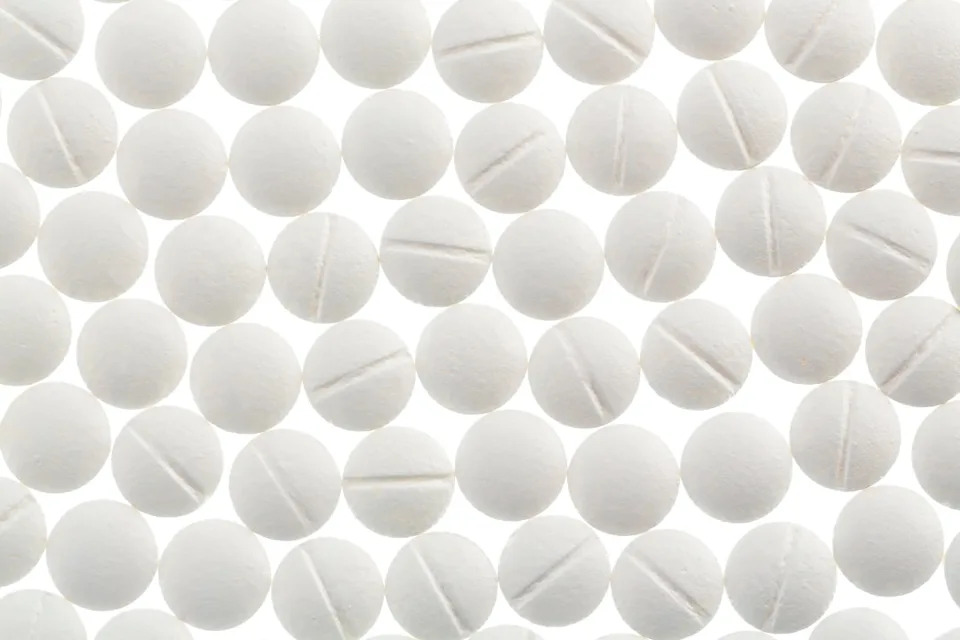
But the overdose risk does not end with methaqualone itself. Because the drug is no longer legally produced in the United States, many products sold as quaaludes today are counterfeit and may contain far more dangerous substances.
According to Drug Science, counterfeit quaaludes are often found to contain benzodiazepines, other sedatives and fentanyl. As a result, users may unknowingly consume dangerous substances at unpredictable doses, significantly increasing the risk of overdose.
Copyright 2026 Nexstar Media, Inc. All rights reserved. This material may not be published, broadcast, rewritten, or redistributed.For the latest news, weather, sports, and streaming video, head to NewsNation.
