

Virtual influencers are turning up more often in brand campaigns, from fashion and beauty to entertainment and gaming. But can a computer-generated face earn the trust that real creators have built with their audiences?
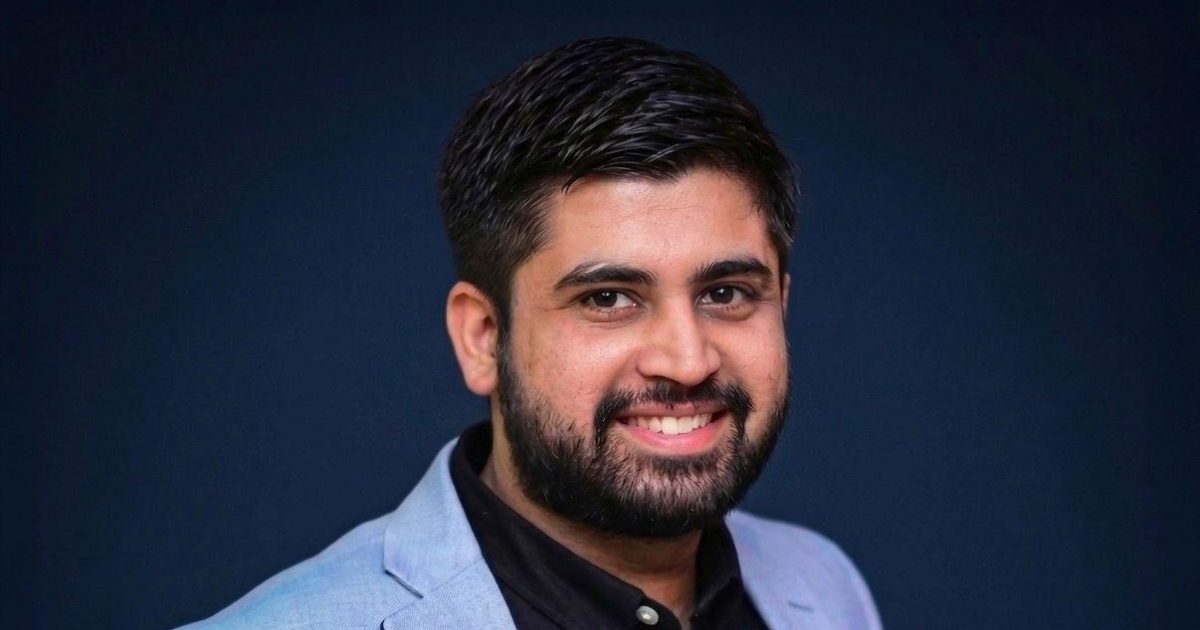
PRmoment India spoke to Vibhor Gulati, founder of Defodio Digital, about how widely brands are using AI influencers, which campaigns got it right, and why he thinks the future of influencer marketing will need both humans and AI.
PRmoment India: How prevalent are AI or virtual influencers?
Vibhor Gulati: I think we are still in the experimentation phase.
Compared to a couple of years ago, there is definitely more interest. Brands are curious because AI influencers open up new creative possibilities and give them much more control over content. That is why we are seeing them pop up in categories like fashion, beauty, entertainment, and even gaming.
But I don’t think brands are looking at AI influencers as a replacement for creators. At least not yet.
Influencer marketing has always been about people connecting with people. You follow someone because you like their personality, trust their recommendations, or simply enjoy watching their content. AI cannot fully recreate that relationship.
So yes, AI influencers are becoming more common, but I see them as an addition to the creator ecosystem rather than the future of influencer marketing.
PRmoment India: Can you give one global and one Indian example of a brand who has used it well?
Vibhor Gulati: Globally, I would pick Calvin Klein’s campaign featuring Lil Miquela alongside Bella Hadid.
It was not just because the campaign featured a virtual influencer. It got people talking, and that is what good marketing does. Whether people loved it or questioned it, the campaign sparked conversations around what the future of influencer marketing could look like.
In India, I think Amazon Prime Video’s collaboration with Kyra was a smart fit.
Prime Video already speaks to a digital-first audience, so working with India’s first virtual influencer didn’t feel forced. It felt relevant to the platform and the kind of audience it wanted to engage.
For me, that is the biggest takeaway. AI should not be used because it is trending. It should make sense for the brand.
PRmoment India: The pros and cons of a virtual influencer ?
Vibhor Gulati: The biggest advantage is control.Brands know exactly how the influencer will look, what they will say, and when they will post. There are no scheduling issues, no last-minute changes, and no surprises. For large campaigns running across multiple markets, that is definitely an advantage.
At the same time, AI gives creative teams a lot more freedom. You can create visuals and stories that would be expensive or sometimes impossible to produce with real people.
But here is where I think human creators still have a clear edge.
People don’t buy into creators only because of great content. They buy into their experiences. When a creator says, “I have been using this product,” people believe it because they have followed that person’s journey over time.
A virtual influencer cannot genuinely share those experiences.
Take Lil Miquela, for example. She has proved that a virtual influencer can work with global brands, but she has also shown that people still question authenticity. That is why I believe AI can support great storytelling, but it cannot replace the trust that comes from real human experiences.
Personally, I don’t think it’s a question of AI versus human creators. The best campaigns over the next few years will probably use both. AI can bring speed and creative flexibility, while human creators bring credibility, emotion, and the kind of connection that audiences still value the most.
Vibhor Gulati, Founder, Defodio Digital
If you enjoyed this article, you can subscribe for free to our weekly event and subscriber alerts.
We have four email alerts in total – covering ESG, PR news, events and awards. Enter your email address below to find out more:
