

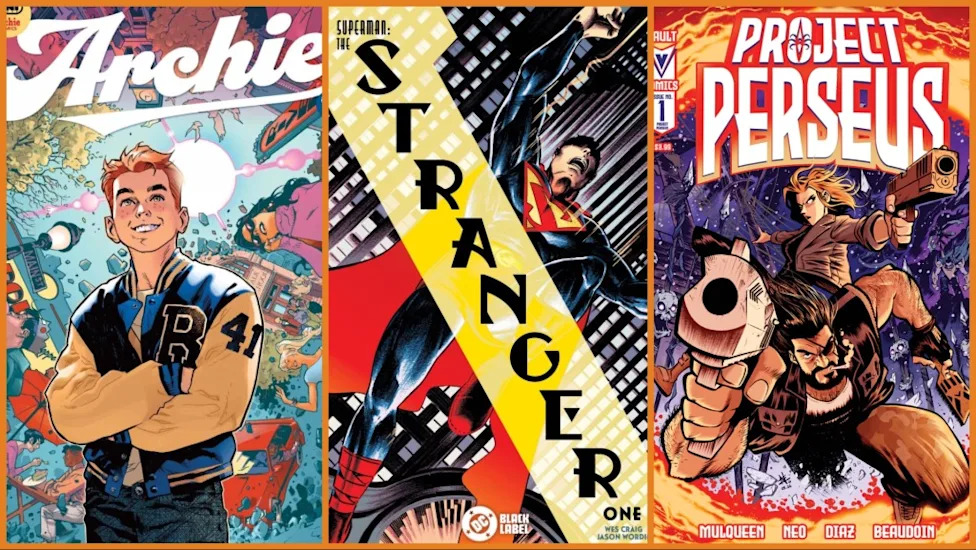
Welcome to The A.V. Club‘s monthly comics preview, where we recommend new books to check out over the next few weeks. This month, we’ve got five noteworthy picks, including a ballerina-inspired mecha sci-fi story, a Golden Age Superman miniseries, a time-traveling action-adventure, and a boundary-pushing exploration of historical genocides.
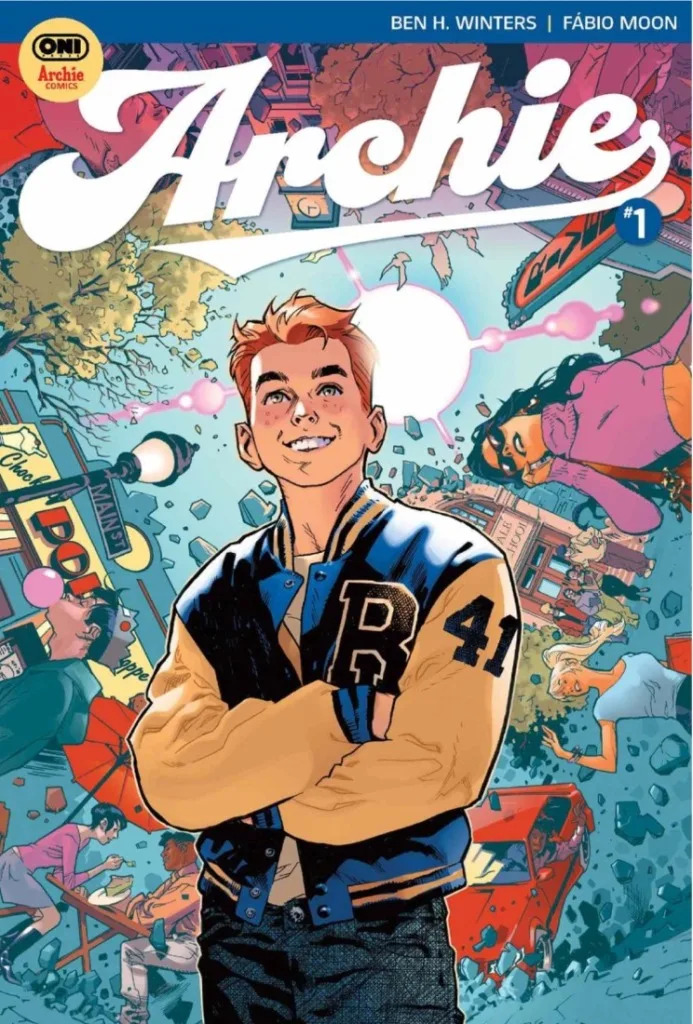
Archie #1 by Ben H. Winters, Fábio Moon, and Jason Wordie (September 2)
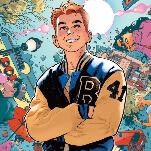
A little over a decade after the last Archie reboot, Riverdale is getting another fresh start with a significant twist: a new publisher. Archie Comics has licensed its catalog to Oni Press, and Oni has spent the last year building buzz around the fall launch of its first three Archie series: Archie, October’s Sabrina The Teenage Witch, and November’s Archie In Hell. Archie#1 (Oni Press) from writer Ben H. Winters, artist Fábio Moon, and colorist Jason Wordie doesn’t try to reinvent the wheel, instead highlighting how the right artistic voice can revitalize the existing Archie formula. Each issue contains multiple short stories, and you can read the entire first story here to see just how much energy and personality this art team brings to the page as the titular hero offers a speedy tour through the town. Moon’s linework and Wordie’s colors capture the brightness of the classic Archie aesthetic while giving the world extra texture and graphic punch, welcoming readers to a Riverdale that is immediately familiar but a little more lived in.
Prima Apparata #1 by Oli
Prima Apparata(Ignition Press) finds a new angle for mecha sci-fi by tapping into an unlikely source: the cutthroat world of ballet. Writer Olivia Dufault and artist Rebekah Isaacs cleverly recontextualize the extreme discipline, competition, and physical toll of ballet training through the experience of young girls training to pilot dancing mechs that perform for the giant aliens that destroyed Earth. The consequences of failure are fatal at the Conservatory, and if you mess up in class, you get thrown out the airlock. Dufault’s story builds a compelling mystery that speaks to the spiritual connection performers have to their art and the ways that creative passion can be exploited by authority. Isaacs does the best work of her career as she jumps from graceful ballet sequences to gnarly body horror to spectacular mech battles, and Marissa Louise colors the action with vibrant rainbow hues that heighten the theatricality.
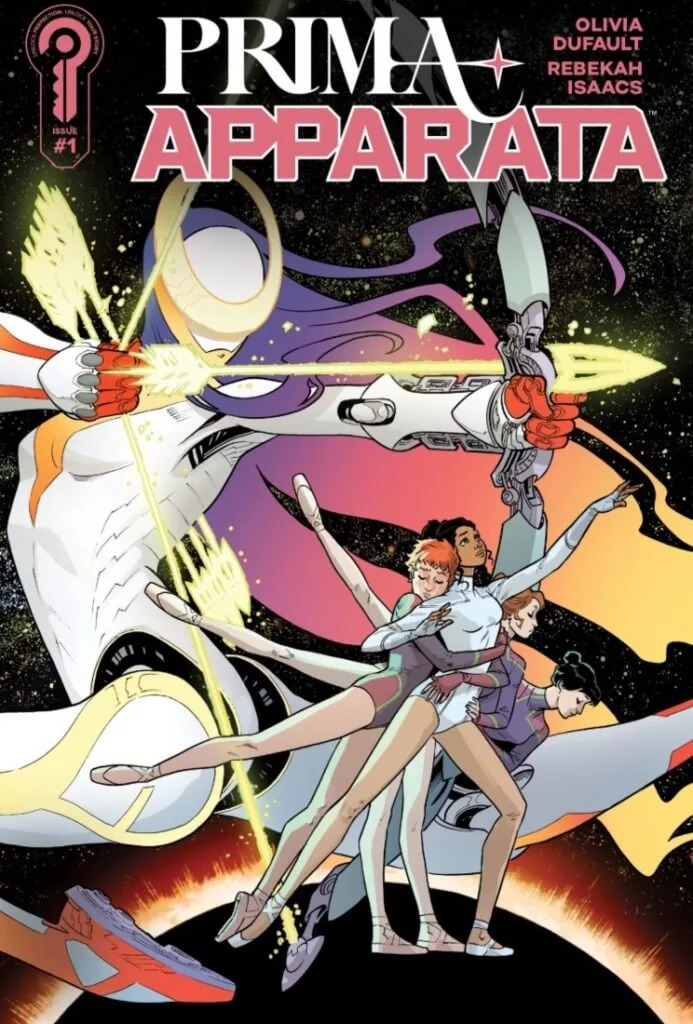
Prima Apparata (Ignition Press)
Project Perseus#1 by Jack Mulqueen, Edison Neo, and K.J. Díaz (September 2)
From the very first page, Project Perseus#1(Vault Comics)leans into the unique storytelling opportunities of comic books. It shows an expansive vista of the frozen waters of Tierra Del Fuego in 1915, where a father and son travel across ice floes that also function as individual panels showing their trek from different angles. Writer Jack Mulqueen and artist Edison Neo understand how to manipulate the medium to give their book a distinctive look and feel, which elevates the more generic elements of the story. Following a retired monster hunter pulled back into the field for one last job, Project Perseus shares a lot of DNA with the madcap action of ’80s John Carpenter films like Big Trouble In Little China and Escape From New York, including a lead character that bears more than a passing resemblance to Escape‘s Snake Plissken. The scope is increased with orca-riding time travelers, ancient sea creatures, and wish-granting jinn, and the story encourages Neo and colorist K.J. Diaz to deliver jaw-dropping visuals. This is very literal in the book’s most impressive moment: a whirlwind of bloody barroom violence that shows why you don’t want to mess with Slug Stephens.
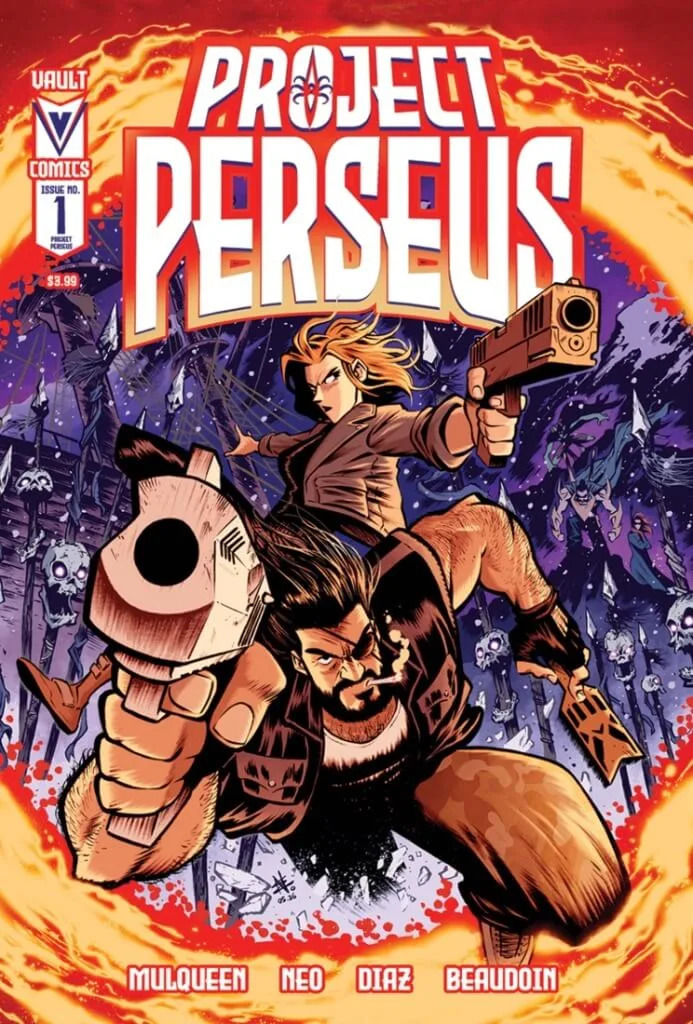
Project Perseus #1 (Vault Comics)
Superman: The Stranger #1 by Wes Craig and Jason Wordie (September 2)
The first week of September is packed with noteworthy DC debuts, including three new All In series from big-name creative teams: Joshua Williamson and Hayden Sherman on Legion Of Superheroes, Darcy Van Poelgeest and Niko Henrichon on Doom Patrol, and Kyle Higgins and Daniele Di Nicuolo on Teen Titans. But the most exciting release comes from DC’s Black Label imprint, where Wes Craig writes and draws a new retro adventure featuring the original Golden Age Superman. Craig’s work on Deadly Class established him as one of the industry’s best artists for dynamic action infused with personal style, and he’s proven himself an exceptional writer with Kaya, a fantasy sci-fi epic with a big heart and stunning visuals. Craig reteams with Kayacolorist Jason Wordie for Superman: The Stranger(DC Comics), a six-issue miniseries that immerses readers in both the art deco design of 1938 Metropolis and the headspace of a superpowered farmboy discovering the harsh realities of city living. The art is as elegant as it is hard-hitting, with Craig incorporating pencil shading to give his forms tactile weight and lend his environments a dreamy atmosphere. Superman is just one of Metropolis’ many wonders, and Craig makes it easy to understand why Clark Kent is so enchanted by the bustling city.
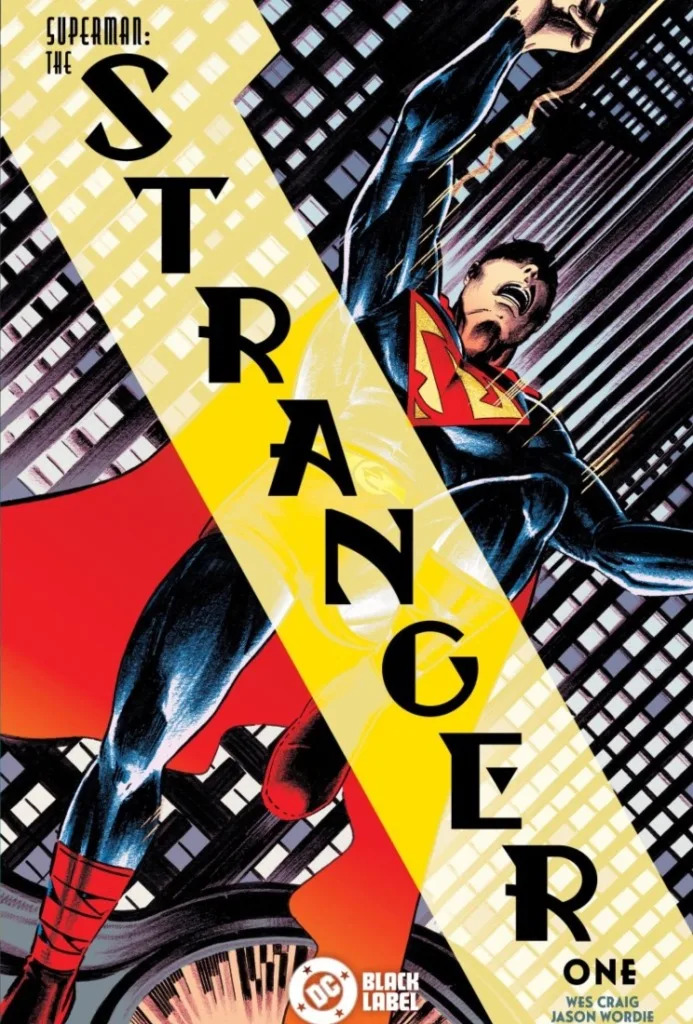
Superman: The Stranger (DC Comics)
The Book Of Genocidesby Dana Mashoian Walrath (September 9)
There are sections in The Book Of Genocides(Harvard University Press)where artist Dana Mashoian Walrath encourages readers to cut along dotted lines on the page “to create a turn-the-flap book that can generate thousands of ways that human beings can dehumanize each other”. Readers can turn the flaps to switch out a human’s head, torso, and legs with those of various animals, and it’s a fascinating psychological test for readers, asking them to engage in “a form of liberation” that challenges how they would traditionally engage with a printed work. The cutting is also an act that connects the audience with the author, who uses a mix of collage and illustration to supplement large chunks of text detailing 10 historical genocides, starting with the genocide of the First Peoples of the Americas and ending with the Rohingya genocide in Myanmar. It’s a haunting read that uses expressionist imagery to intensify the emotional impact of the writing, communicating Walrath’s profound sadness and rage as she recounts some of humanity’s darkness moments.

The Book Of Genocides (Harvard University Press)
