

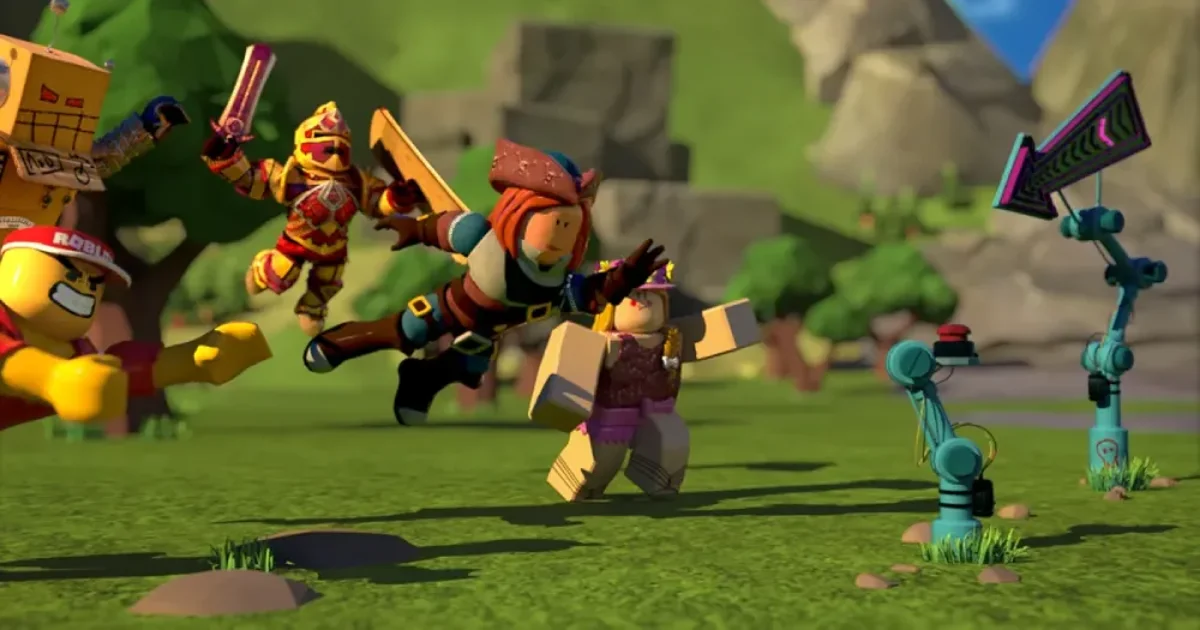
backed educational non-profit Digital Schoolhouse has partnered with Roblox to develop a suite of free tools designed to teach children how to create Roblox games as part of in-classroom education
Students will have access to “curriculum-aligned workshops and learning reoblox Studio lesson plans
The version of the game used is a closed environment, supervised by teachers in the classroom, with an offline version available for schools without “reliable devices or internet access.”
Pupils will join offline workshops to learn game development and pitch ideas, then create a game on the Roblox platform from scratch. The firm described the course as developing practical skills in game design fundamentals, scripting in Roblox’s Luau engine, and AI prompting best practices.
The company has emphasised its development of AI-based creation tools over the last year, which it positions as a means for users to create games more quickly.
Lesson plans align with national computing curriculum frameworks, Roblox said, with the materials used being open- at a later date
“Working with Digital Schoolhouse gives us the opportunity to make new relist of high-quality, immersive educational experiences,” said Roblox senior director of education policy Adam Seldow
A teacher toolkit will also be provided, including “safeguarding guidance, parent-facing materials, and curriculum alignment support.” The firm described the programme materials as designed around teacher-managed classroom settings and supervised learning rather than unsupervised interaction.
Safeguarding has been a significant concern for Roblox, especially regarding minors’ experiences on the platform.
In recent years, the state of Louisiana sued Roblox over child safety concerns. A Los Angeles County lawsuit claimed the platform is “failing to protect children from predatory behaviour,” and the Australiangovernment has raised similar issues.
Over the past two years, Roblox has introduced new safety features. In November 2024, it implemented protections that prevent users under 13 from accessing direct messaging and restrict the messages they can broadcast in games and experiences.
Last November, Roblox introduced voluntary facial recognition checks to restrict communication between minors and adults. This feature was rolled out globally earlier this year.
A “sensitive issues” content tag was added last August, making experiences with this tag inaccessible to users under 13 without parental permission.
New moderation policies and actions were introduced last June to provide more “accurate information to users, parents, and regulators.” Roblox also launched an AI tool to “detect early signs of potential child endangerment.”
