


X-Men ’97had one major flaw that Marvel Studios needs to fix before it’s too late. Marvel Animation’s continuation of X-Men: The Animated Seriesand its predecessor are widely celebrated for their breathless density, achieved by packing decades of comic book storylines, characters, and status quo into short seasons of roughly half-hour episodes. Some of the key arcs include the Sentinels arc, Magneto’s rivalry with Charles Xavier, Days of Future Past, the Phoenix Saga, Phalanx Covenant, and, most recently, Rise of Apocalypse.
X-Men ’97 Has a ‘Greatest Hits’ Problem – And It Weakens the Show
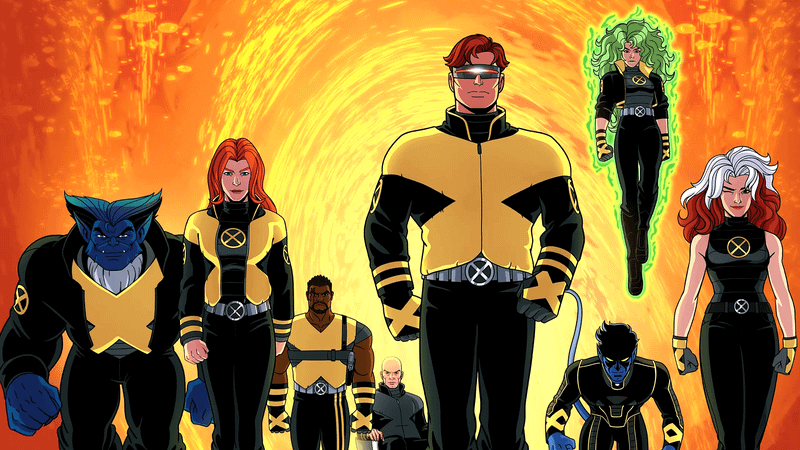
While both series pull heavily from the comics, their approaches differ sharply. The original X-Men: The Animated Series balanced epic, multi-part adaptations with character space over its five-season, 76-episode run. Major arcs like the Phoenix Saga and Dark Phoenix Saga unfolded over nine episodes combined, giving Jean Grey’s transformation, the Shi’ar conflicts, the Hellfire Club intrigue, and the team’s emotional fallout room to build tension, explore relationships, and land with lasting weight. The original series gave individual characters decent spotlight episodes that deepened their backstories and interpersonal dynamics without sacrificing the show’s momentum.
X-Men ’97 accelerates the process dramatically. That density, the constant delivery of “greatest hits” material without stagnation, is the revival’s most beloved feature. In 10 episodes per season (even fewer in Season 2’s nine-episode run), it races through the Trial of Magneto, Storm’s power loss and recovery, the entire Inferno crossover, the Genosha massacre, Bastion’s introduction, and the team scattered through time.
This strategy covered enormous ground, kept the storytelling momentum high, and delivered nonstop on-screen spectacle and nostalgia. However, even though fans have gotten a kick out of seeing so much of the comics represented on-screen each season, packing in so much content into a season ultimately weakens the show overall.
While it lets X-Men ’97 race through decades of material and introduce or revisit many characters and stories, it often means that major storylines receive only an episode or two of focus before moving on to new ones.
Some of the storylines that were condensed include Storm’s psychological recovery, the full emotional weight of Genosha’s aftermath and Gambit’s death, Magneto’s leadership tests, and the family dynamic among Nathan, Scott Summers, and Jean Grey, and the Danger Room heel turn. Even Apocalypse’s rise across past and future eras suffered from the same problem, considering that X-Men ’97 prioritized action and plot progression over sustained character confrontation with his twisted ideology.
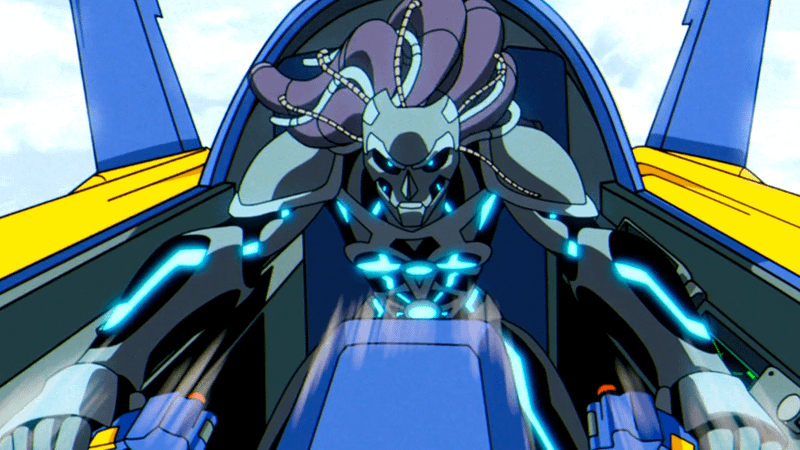
The result is less room for organic development and lingering consequences. Characters share limited screen time in an expanding ensemble, so quieter interactions rarely feel fully compelling.
This is especially true as the show has only now returned to its Apocalypse storyline after a few episodes of side quests, which opted to focus on Wolverine battling the Brood, Danger emerging as a villain, and Nightcrawler attempting to defend his half-brother, Graydon Creed.
With only two episodes left to wrap up the tale of En Sabah Nur, diverting attention away from it could leave the story feeling underbaked, particularly since it was set up so well in Season 2’s initial episodes.
Massive status quo changes that should register as game-changing can land abruptly because the surrounding emotional scaffolding is thin. Although viewers who know the comics can fill in the gaps, others may experience the events as a rapid-fire checklist of cool moments rather than a cohesive journey.
The original series’s longer format and multi-episode sagas gave key material more justice by allowing stories to breathe, characters to react in real time, and themes of prejudice, identity, and ideology to delve deeper through repetition and variation.
X-Men ’97‘s breadth-first strategy prioritizes volume over depth. The same density that makes the show exhilarating on a first watch becomes its clearest limitation on reflection.
How X-Men ’97 Can Fix Its Lingering Story Issue

The remedy is not to abandon adaptation or nostalgia, but to limit how much X-Men ’97 covers in a given season. Focusing on fewer core storylines and developing them more thoroughly over longer stretches would strengthen the drama without sacrificing spectacle.
Doing this would actively avoid butchering compelling stories, such as Episode 5’s narrative involving Wolverine and Weapon X. In the comics, Logan’s loss of his adamantium skeleton became the catalyst for years of psychological and physical fallout, exploring themes of vulnerability, identity, and the trauma of his Weapon X origins across multiple titles.
In X-Men ’97, the conflict is introduced, confronted, and largely resolved with minimal struggle. Logan’s desperation and the emotional weight of removing what makes him unique are reduced to brief moments. The Brood and other supporting elements feel underutilized, serving mainly as plot devices rather than fully realized threats.
Even within the constraints of modern short-season animation, deliberate restraint would let the material land with the weight it deserves. Giving a storyline like Weapon X in continuous space would allow the material to land with the weight it deserves. That same approach has the chance to elevate other rushed or underdeveloped threads.
Still, future seasons have the chance to course-correct these issues. Hopefully, Marvel Studios listens and allows storylines to naturally breathe.
