

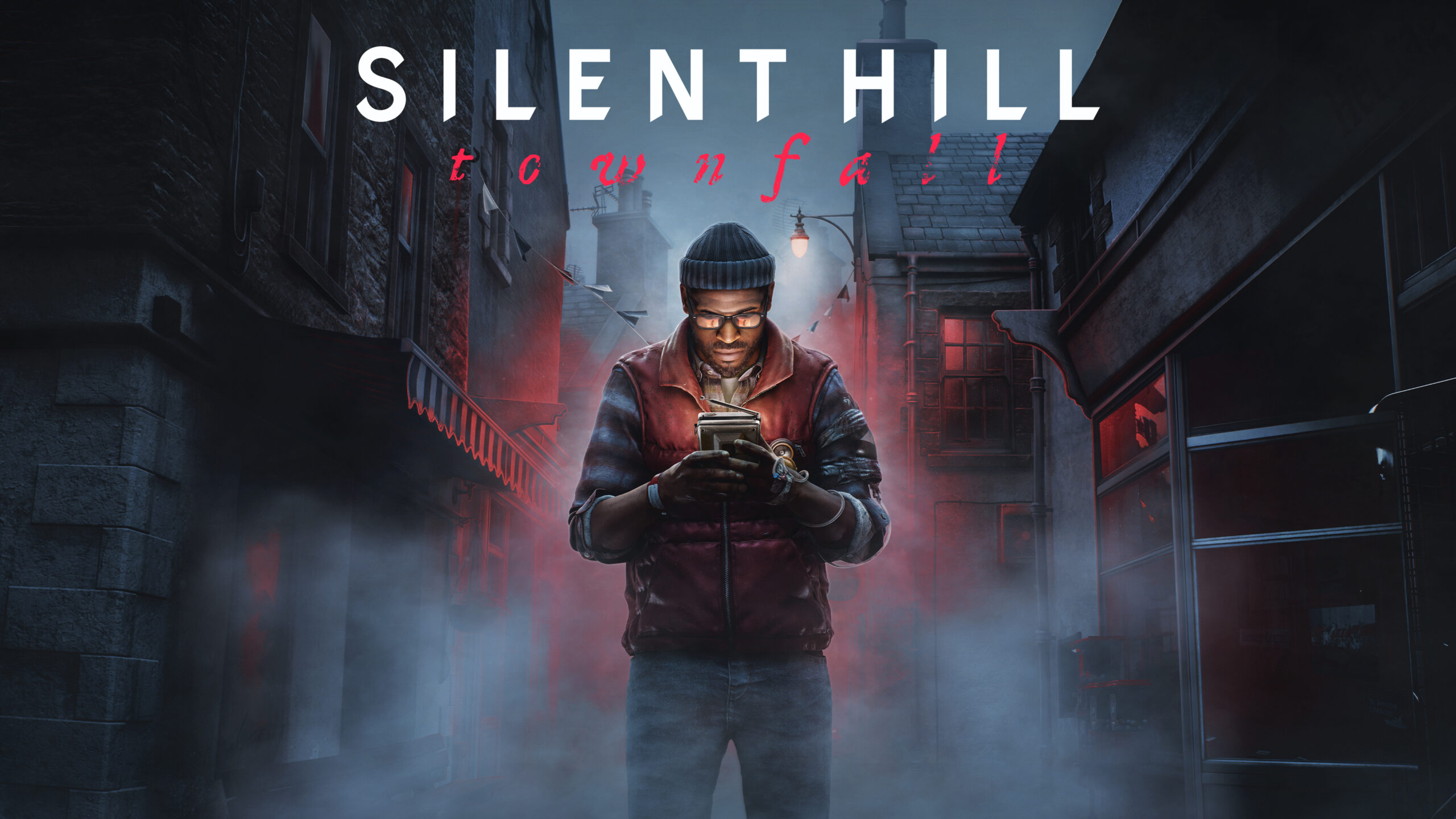
Silent Hill games have rarely ventured beyond the titular mysterious town in Maine, but that’s changing — first with last year’s Silent Hill f, set in 1960s Japan, and soon with Silent Hill: Townfall. Set in a sleepy Scottish port town, the upcoming game from studio Screen Burn Interactive, in partnership with Konami and Annapurna Interactive, pushes the boundaries of the franchise. I got to play a few hours of the game, and what I saw was an intimate horror tale of reality you can’t trust in a town you don’t remember.
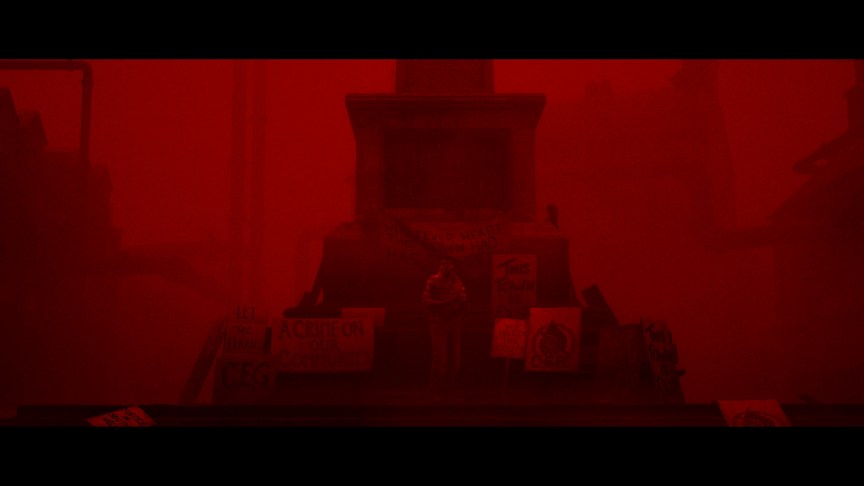
Silent Hill: Townfall, which will be released on Sept. 24 for PS5 and PC, is a new direction for the series in more ways than just its geography. It’s the first in the franchise to be set in first-person after the 2007 mobile games Silent Hill: Orphan and Silent Hill: The Escape, and, much like in recent Resident Evil games, the perspective shift adds to the terror and atmosphere. The game is also presented in a far wider 2.35:1 aspect than the 16:9 widescreen most games are set in — an intentional choice for a more cinematic look, according to the game’s director, Jon McKellan.
All these shifts challenge the notion of what a Silent Hill game truly is, but the core elements of the experience feel true to earlier games. Each member of Screen Burn Interactive’s team had played different games in the franchise, some of whom, in their 20s, hadn’t played the original Silent Hill games when they’d come out.
“Whilst everyone has their own experience of Silent Hill, [we] tried and used that collective knowledge to make something that felt Silent Hill to everyone in a way,” McKellan said.
I played around three hours of Silent Hill: Townfall at a press preview in the Biltmore Hotel in Los Angeles, a suitably haunted location for the game.
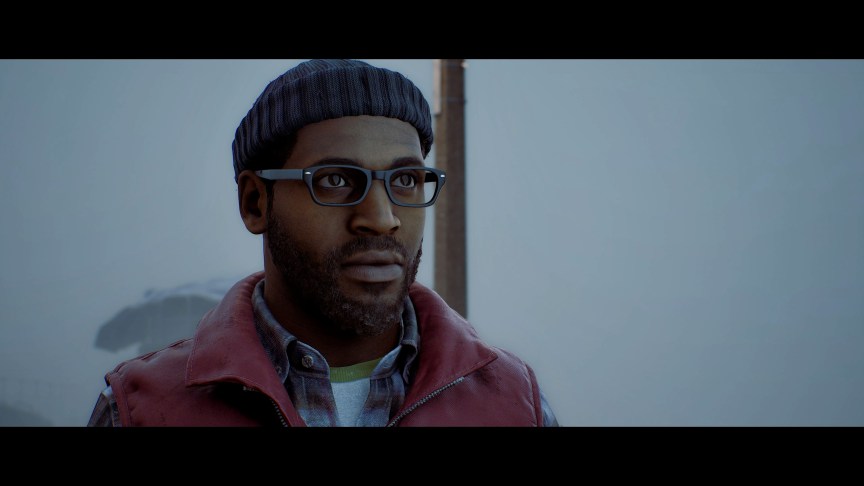
The preview opened at the very beginning of the game with the player-controlled protagonist, an American named Simon, arriving in the fog-drenched Scottish town of St. Amelia with nobody around and little memory to help him. After looking for clues, the sky turns red, and something shifts — he plunges headlong into a mental subterranea of steam vents and pursuing monsters before stumbling back into the world. Only, the monsters have followed him.
“The core tenets of the next Silent Hill is, of course, the narrative and also the psychological horror that comes from that narrative,” said Motoi Okimoto, producer of the Silent Hill series. “I believe that’s something that their team has masterfully adapted, and so they’ve been able to preserve that essence in the game.”
Silent… Harbor? Parting the fog in Scotland’s haunted town
Silent Hill: Townfall seems like a smaller-scoped experience that prizes intimate horror over jump scares and bombastic scenes, at least as far as my preview suggested. Simon isn’t certain of what happened to him, but he’s adorned in clues. Despite the game’s cold opening with him swimming to the town’s docks, one arm has a medical bracelet and the other a needle inserted with a tube to an empty IV bag — both of which are visible every time he pushes a door or swings a weapon. Hmm.
St. Amelia is small, but hauntingly empty. The signs of mariner memorials and mundane community announcements on bulletin boards are eerie without the hubbub of the sleepy town’s denizens. As you creep around, only the occasional ambient noise breaks the silence — creaks of signs, the sighs of buildings settling. Like in Resident Evil 7, the first-person perspective and relative powerlessness led me to go slow, and each random noise spiked my adrenaline.
“The main thing we want is for St. Amelia to feel like a real place,” McKellan said.
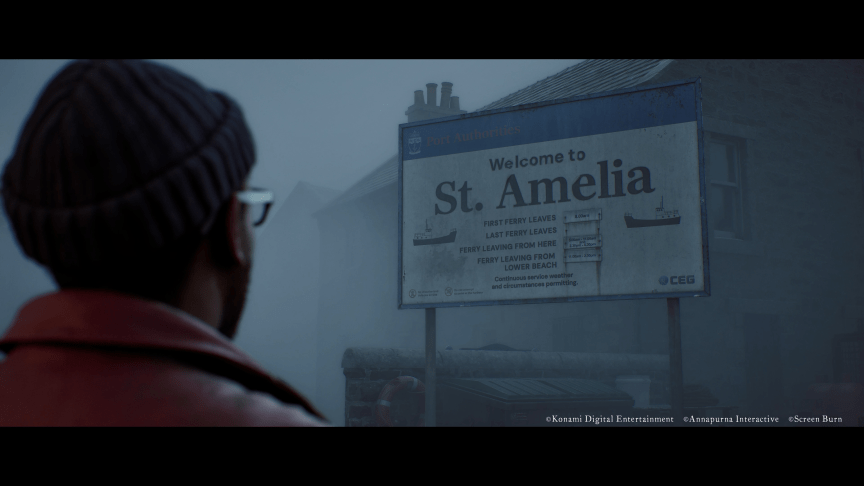
There are plenty of signs around, and unlike other games, they’re in very crisp, readable print. It comes from McKellan’s youth growing up in the port towns in Scotland. He and his friends would send photos to each other taken out the window as heavy fog rolled in, joking that their town looked like Silent Hill.
“Scotland’s full of fog and monsters already, so, easy win,” McKellan said.
I made my way to a house with a picture of Simon in it, and through answering machine messages — the game is set in 1996 — we deduce that this is where his partner, Zoe Ellis, lives. The other big sign of the times is a crucial piece of technology players will rely on throughout the game: the CRTV, a gray plastic gadget that looks like somebody crammed a pocket TV into an original Game Boy. Older Silent Hill games provided protagonists with a radio to get intel and blare when enemies are near; in Townfall, that’s been upgraded to a handheld television that conveys similar information through video, signal warped by the supernatural.
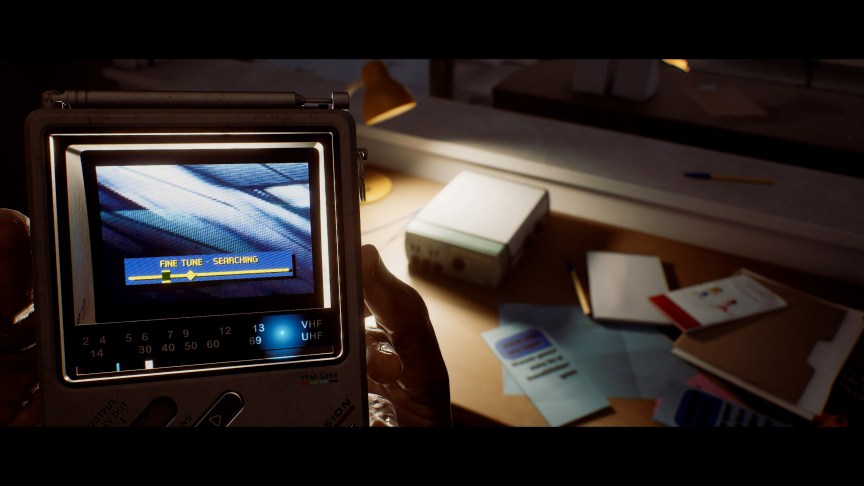
Tune into the right channel and you’ll see fiendish creatures through walls, all the more necessary to track them from a distance when a single one can quickly take you down. Shuffling, seemingly straightjacketed humanoids with wood posts warping out of their faces, these horrors wandered the town’s small streets. I found a single plank of wood to defend myself, which took six hits to knock down the first foe I frantically fought and broke when fighting the second. Combat is desperate and dangerous. Even when I later picked up a gun, ammo was scarce and firing a shot was loud enough to bring other enemies running.
All that led me to avoid fighting whenever possible, which was likely intentional. Creeping around the streets to avoid enemies along their simple patrols took time as I slowly progressed through tasks in my preview — completing bizarre fetch quests, retrieving items in empty shops across town, as I pieced together the first inklings of what was happening. With any Silent Hill, though, a lot is left to interpretation — and there’s plenty more of the game after my preview ended.
Screen Burn Entertainment/Annapurna Interactive/Konami
What is a Silent Hill about, anyway?
As I played through the preview and chatted with other media folks, the question kept coming up: Was this a Silent Hill game if it was so different and set so far away? I’d say yes, though it would certainly require a looser definition than the franchise has had up to now. One thing it does keep from the older Silent Hills, if the preview is a representation of the full game, is ambiguity in reality.
The game feels rife with it. When Simon first gets the CRTV, he tunes in to a channel and sees a looping video of his partner, Zoe, repeating, “Come back to me,” asking to leave, saying she can’t do this much longer, and wanting to go home. Later in the preview, another of these strange missives has Zoe asking, “Come back to me, Simon,” and to give her a sign.
It’s haunting, especially coming in piecemeal over time, over scratchy audio and warped video. Combined with all the evidence of medical care wrapped around Simon’s arms, I’d hazard a guess that our protagonist is stuck in some poor-health delirium. But the best psychological horror doesn’t stop when you’ve got a solid hypothesis — the terror is still very real for Simon, and the player.
Silent Hill: Townfall’s preview was as inconclusive as it was evocative. Perhaps the mystery won’t be totally solved by the end of the game. But it’s all about the journey — through the town of St. Amelia, beyond Simon’s sanity and into the strange reality players will experience when Silent Hill: Townfall comes out on Sept. 24.
