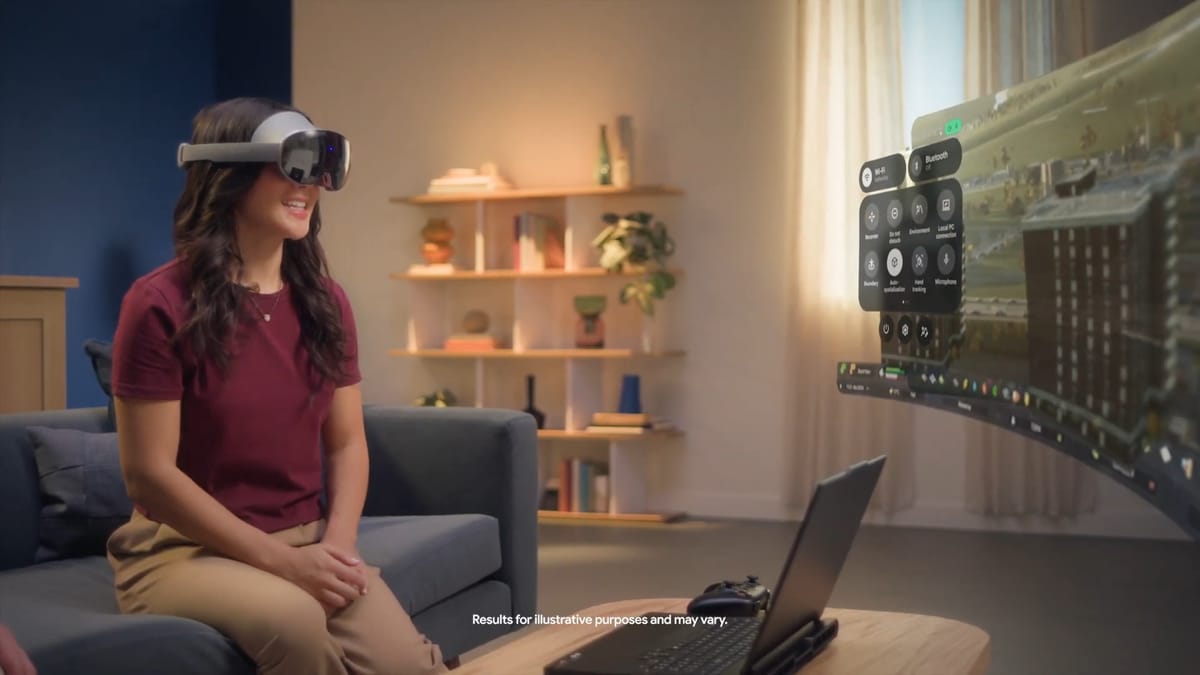
Google’s Android XR includes AI capabilities that can convert any 2D content, including games streamed from your PC, to 3D in real time.
The feature, called System Autospatialization, was officially announced by Google today at the Android Show: XR Edition, announcing that it’s coming in 2026.
“Imagine if every game was immersive, every YouTube video was immersive, the entire web was immersive,” Google teased.
At the OS level, other platforms like visionOS and Pico OS make it easy to convert 2D photos to 3D out of the box, but Google’s Android XR is currently the only headset that can do the same for video, making the leap to real-time spatialization an even bigger leap.
That’s not to say real-time spatialization doesn’t exist elsewhere; Viture virtual monitor glasses and some experimental PC VR apps have similar capabilities. But it’s amazing what the XR2+ Gen 2 chipset can do while also handling the full XR operating system.
Google explains Android XR’s system autospatialization.
Google says it works with “almost all” apps and multiple apps at the same time. The company’s presentation depicted an AI system used to play Cities: Skylines streamed from a PC that can distinguish between the foreground UI and the background game world.
Google is making huge claims here about the functionality of this feature, so we’ll definitely be testing this feature when it releases in Android XR for Samsung Galaxy XR next year.
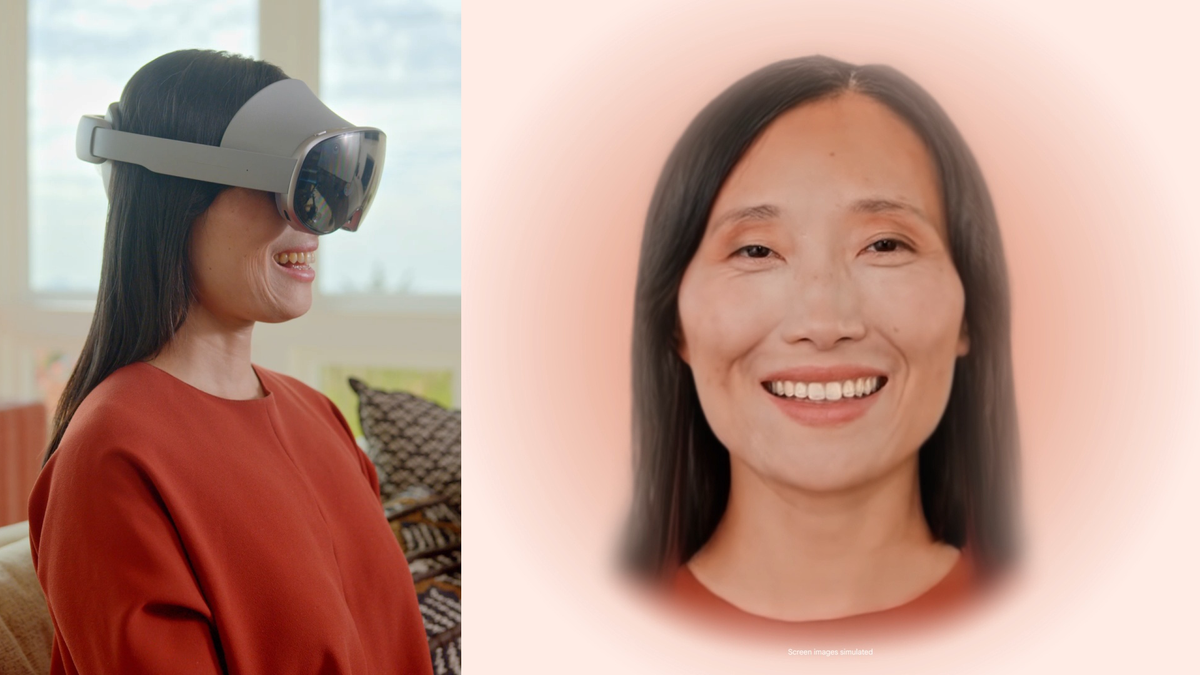
Samsung Galaxy XR gets realistic face tracking ‘caricature’ avatar
Android XR on Samsung Galaxy XR adds a persona-like realistic avatar system for video calls called Likeness, as well as Travel Mode and a built-in remote desktop app.