

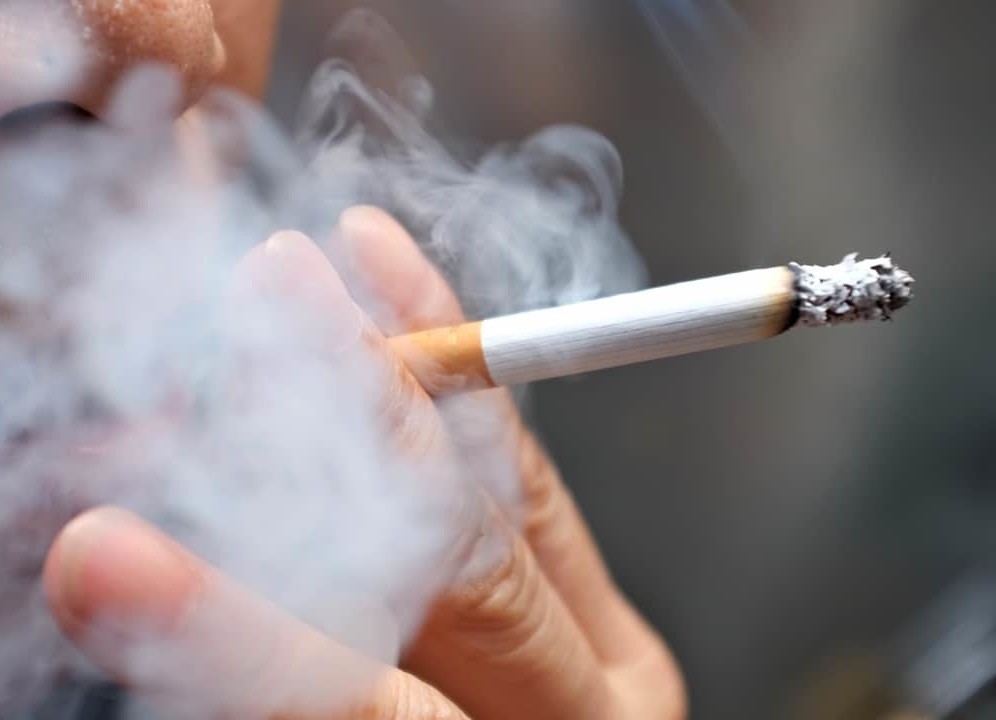
Cigarettes are making an unexpected return to the spotlight as celebrities and social media influencers embrace smoking as a fashion statement, despite American smoking rates hitting their lowest levels in decades.
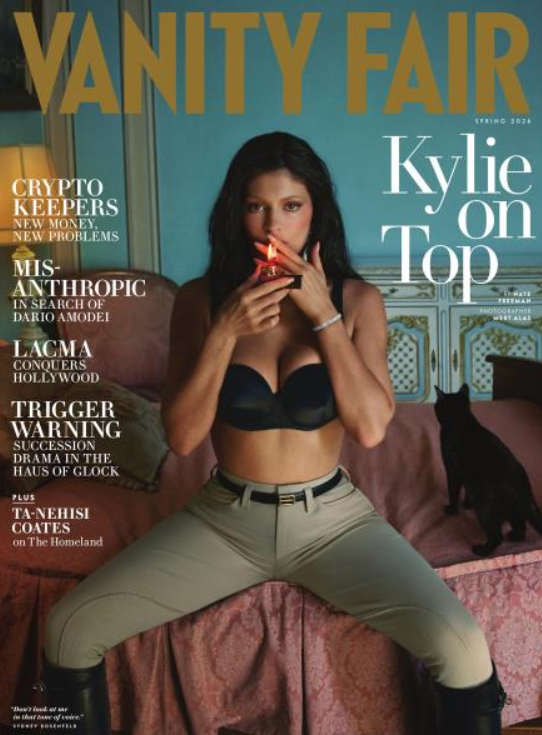
Beauty mogul Kylie Jenner recently appeared smoking on the cover of Vanity Fair, while singer Dua Lipa featured cigarette trays at her wedding. The trend has sparked concern among health advocates who fear the glamorisation could reverse decades of public health progress.
Searches for “smoking pose” on Pinterest have jumped 70% among 18 to 24-year-olds a fashion industry data tracker. An Instagram account called “Cigfluencers” shares images of celebrities smoking, describing itself as “your favourite smoker’s favourite smokers”
The account posted numerous photographs from May’s Met Gala in New York, showing A-list celebrities with cigarettes.
Public health concerns mount
Jessica Rath, vice president at anti-tobacco advocacy group Truth Initiative, said pop culture’s glamorisation of smoking is reigniting addiction among young people and discouraging those trying to quit.
Eight of the 10 films nominated for this year’s best picture Oscar contained images of tobacco use, the organisation noted. This type of exposure makes young people two to three times more likely to use tobacco products, Rath said.
Brian King, head of US programmes at the Campaign for Tobacco-Free Kids, called the trend “highly concerning from a public health perspective”.
Nostalgia and rebellion drive trend
The resurgence appears linked to the return of 1990s and early 2000s aesthetics, when smoking remained common in the United States. Recent series “Love Story” depicted Carolyn Bessette, partner of the late John F. Kennedy Jr, as a regular smoker.
Brand strategy newsletter On Brand has described the smoker’s aesthetic as an act of rebellion against social media pressures of “self-optimisation”, set against a backdrop of economic and geopolitical uncertainty.
Rath said young people are experiencing a mental health crisis and mistakenly believe nicotine helps with anxiety, depression and stress when it could actually worsen these conditions.
King noted public attention has shifted from conventional cigarette risks as e-cigarettes, heated tobacco products and nicotine pouches grow in popularity.
Policy gaps and industry influence
President Donald Trump’s administration has made significant cuts to smoking prevention and cessation support programmes. The previous Biden administration also abandoned plans to ban menthol cigarettes, which are popular among young people.
The tobacco industry spends roughly $1 million per hour on marketing and promotion in the US, King said. Anti-smoking organisations lack data on whether tobacco companies are pushing the “cigfluencer” phenomenon.
King said the US must work to “de-normalise smoking” and avoid reversing considerable progress made in reducing smoking over many decades.
Along with traditional methods such as public service messaging, cessation support, price increases and smoking bans, Rath recommends working with social media platforms and Hollywood to discourage the habit.
She suggests displaying on-screen messages directing viewers to support services, similar to those used to prevent suicide or assist sexual violence survivors.
Truth Initiative noted recent depictions in series “The Bear” showed the main character working to quit smoking using nicotine replacement therapy, providing a realistic example.
