

Fandoms have existed for as long as most of us can remember. Where there is TV, music or any form of media, there will be a fanbase. On the surface fandoms seem innocent — a collaborative effort to celebrate the love for a show, a movie, music, books, and even the people involved, with the opportunity to meet new people and even make friends. But for as long as fandoms have existed, there has been a darker side to them. Ranging from parasocial relationships, the intensity of shipping culture, stalking, fan discrepancies, and spreading hate, fandoms haven’t always been something to idealise.
Has It Always Been This Toxic?
Fandoms have always had their toxic side. More early examples come from the beginning of the 2000’s within Kpop fan bases. The term “Sasaeng”was adopted to describe fans of the most popular Kpop groups in this era, and was defined as extremely obsessive fanbases who overstepped the line in regards to these groups — including reported examples of stalking and harassment. This term however, relates even more to our reality now.
The parasocial nature of fandoms has only risen in the last decade because celebrities and access to media have never been as readily available as it is now.For the most part, everyone and everything is online, which means news spreads fast. Whether that be a rumour, a sighting, or even the celebrity posting their own whereabouts, people know in an instant. Privacy feels scarce and the surveillance society we find ourselves in continues to become normalised.
But one of the most toxic aspect of fandoms come from fans who adopt the mentality that they are ‘owed’ something for their dedication from the celebrity or creators they stan. That means providing an explanation for everything they say or do (or rather, things they don’t say or do); from their sexuality, their partners, families, opinions, whereabouts, next project, their clothes, their stylists, it can be on absolutely anything. The mentality that fanbases are ‘owed’ something is what truly has catapulted fandom culture into toxicity in the last few years.
Shipping Culture and the Biggest Scandals of Fandoms Today
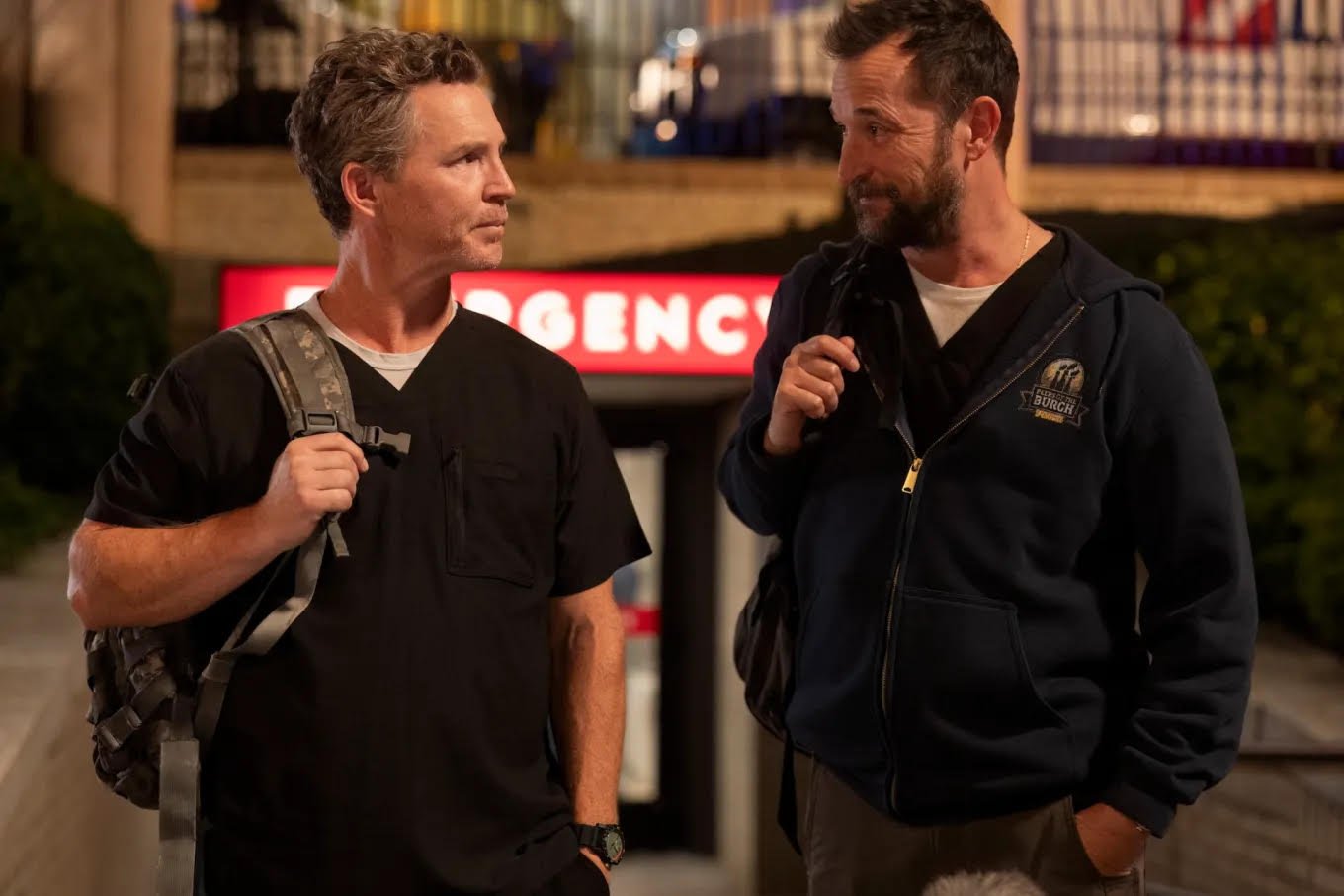
The Pittis the biggest medical drama to hit TV since Greys Anatomyand ER, but has unfortunately been unable to avoid the toxic fandoms. Fans have been in online disputes from the very beginning over show departures and shipping wars.
With The Pitt’s format being entirely medically focused, with each season covering one day in an ER, the show can’t focus solely on romantic relationships. However, this hasn’t stopped shipping wars online, with fans being in disputes over pairings that ‘should‘, in their opinion, have been the main focus of the plot, with writers experiencing the extreme backlash from this.
Writers have been accused of ‘queer baiting’ for apparent chemistry seen between multiple same sex characters on the show,most notably Dr. Robby (Noah Wyle) and Dennis Whitaker (Gerran Howell). A characters natural departure from the show has also been criticised by the fandom, and rumours of a feud between Supriya Ganesh(Dr. Samira Mohan) show runner and cast member Noah Wyle have hit the internet. For a drama entirely focused on medicine, the fandom obsession is unexpected.
Shipping culture in general is one of the biggest issues in fandom culture today, and has driven actors to withdraw from associating with their shows and co-stars because of the extremity of it. Rudy Pankowand Madison Baileyotherwise known as JJ Maybank and Kiara Carrea of Outerbankswere extreme victims to this shipping culture.Pankow’sgirlfriend at the time was subject to harassment online, and the two actors were never seen in interviews after this event.
Heated Rivalry’sConnor Storrieand Hudson Williamshave also been this years victims, with some fans shipping them together despite Williams public relationship. Others have also targetted Hudson for interfering with Connor’s rumoured affair with costar Francois Arnaud (Scott Hunter), sending him disgusting racism assaults.
It is clear that for fans it is never just about the shipping, it’s about the fan base being unable to remove the character from the actor. That especially becomes dangerous territory when the character’s played are meant to be villains — Thirteen Reasons Whyactor, Justin Prentice(Bryce Walker) experienced this first hand when he received death threatsfor simply the portrayal of his character.
Shipping culture is only the beginning of a much deeper issue. When fandoms adopted this ideology that their favourite celebrity ‘owes’ them an explanation, this went as far as fan bases demanding information on their sexuality. Kit Connor (Nick Nelson) in Netflix’s Heartstopperexperienced this first hand, and was one of the few celebrities to actually call out the fandom for it’s parasocial toxicity.
After playing a bisexual character on the show, fans had continuously speculated online that Kit himself may be bisexual. But these rumours quickly turned into incredibly invasive accusations, which pushed Connor to come ‘out’, posting on X in 2022.
’back for a minute. i’m bi. congrats for forcing an 18 year old to out himself. i think some of you missed the point of the show. Bye.”
His statement depicted the truth in both his own fandom and in all fanbases. There is an unspoken pressure put on celebrities in these fanbases that make it feel like fans are owed an explanation or response. Privacy shouldn’t have to be breached because you become a public figure and should not be normalised. His response particularly remains powerful, if only to prove the toxicity of fandom culture.
There are various further examples of fandom toxicity — the list is unfortunately overwhelming. Rather than building a community to celebrate a passion for media, TV, music and more, they have instead moulded into communities united in dangerous and parasocial behaviours, that seem to only get worse.
If we all went through our lives believing we were owed everything from every person we interacted with, we would struggle to make any connections. The level of entitlement embodied by members of fandoms would not stand in reality. Outside of that fandom bubble these behaviours, namely shipping culture, stalking, invasion of privacy, disregard for boundaries, and harassment, would be considered in some cases, criminal behaviour. Sharing parts of their lives as a celebrity is normal, but imagine not being able to control what information stays private?Imagine your biggest secret being put on the internet…
Not a nice thought, is it?
Header Image Credit: Warrick Page/MAX
