


<img src="https://comicvibe.com/wp-content/uploads/2026/07/aol_buzzfeed_164-1.png” alt=”BuzzFeed”>
Sun, July 26, 2026 at 3:15 PM UTC
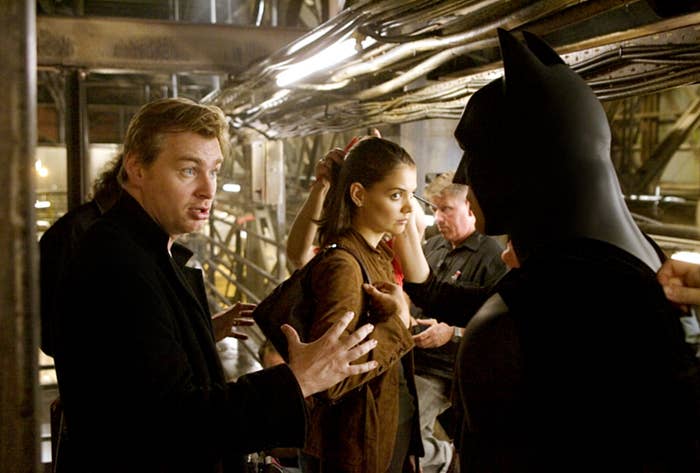
1. Christopher Nolan had pictured the Trojan horse sinking into the sand in The Odyssey for over 20 years because that’s how he envisioned it for the film Troy, a movie he was originally supposed to direct. In the early ’00s, Warner Bros. was considering him to direct Troy, the big-budget epic based on the Trojan War, after the original director, Wolfgang Petersen, decided he wanted to direct Batman vs. Superman. However, that Batman vs. Superman movie fell apart, and Petersen ultimately returned to Troy, and so Nolan stepped away.
Losing the job turned out to be a pivotal moment in his career because, as a consolation, Warner Bros. offered him another ambitious project: Batman Begins. That 2005 film reinvented comic book movies, launched Nolan’s acclaimed Dark Knight trilogy, and helped establish him as one of Hollywood’s most sought-after directors. Now, more than two decades later, Nolan got the chance to explore Greek mythology with The Odyssey, and the chance to realize the Trojan horse sequence he had envisioned.
2. If you’ve watched The Odyssey, there are a lot of references to the mysterious Sea Peoples, whom Odysseus later claims he and his men had been while talking to Penelope after returning home in disguise. But, to this day, historians still don’t know exactly who they were, as there is no consensus on whether they were a single group, a coalition of different peoples, or a series of migrating seafaring raiders. They are widely associated with the upheaval that marked the end of the Bronze Age around 1200 BCE, when several major civilizations, including the Mycenaean and Hittite, collapsed.

These coastal invasions by the Sea Peoples are believed to have lasted a century. Ancient Egyptian records describe fierce battles against the Sea Peoples, and Egypt was one of the few great powers to survive their attacks and the one that eventually defeated them, sometime around 1177 B.C. in the Battle of the Delta. Although the conflicts with the Sea Peoples left the kingdom significantly weakened.

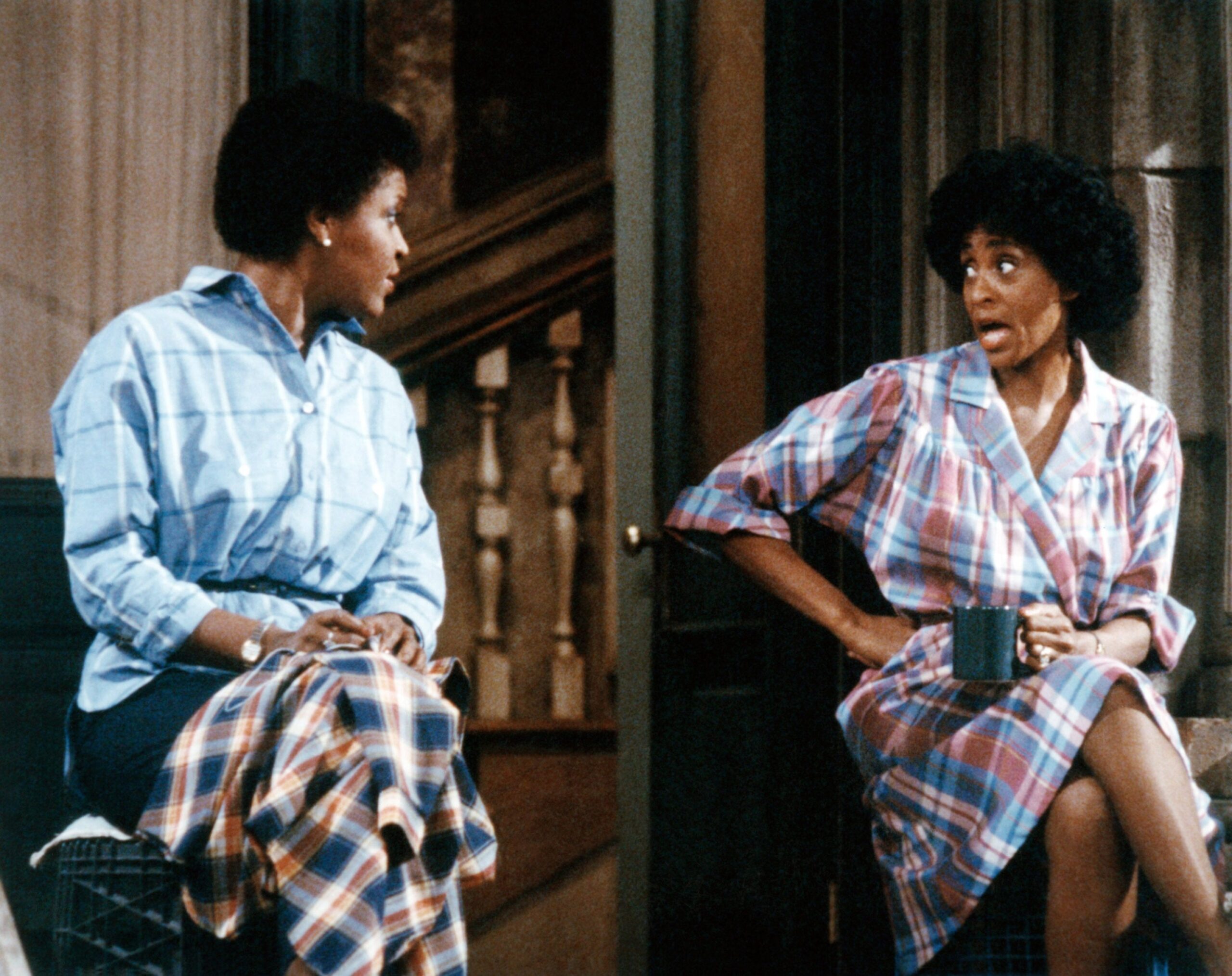
3. Before 227 became a beloved sitcom on NBC, it started out as a live stage play called Two Twenty Seven. Written in the late ’70s by Chicago native Christine Houston, the play was created for the Norman Lear playwriting contest at Kennedy-King College. Houston drew heavily from her childhood in the ’50s, when she lived in an apartment building at 227 East 48th Street in Bronzeville. She based the characters on the women she grew up around. Houston won first place in the contest and was invited to come to LA to write an episode for Lear’s TV show, The Jeffersons.
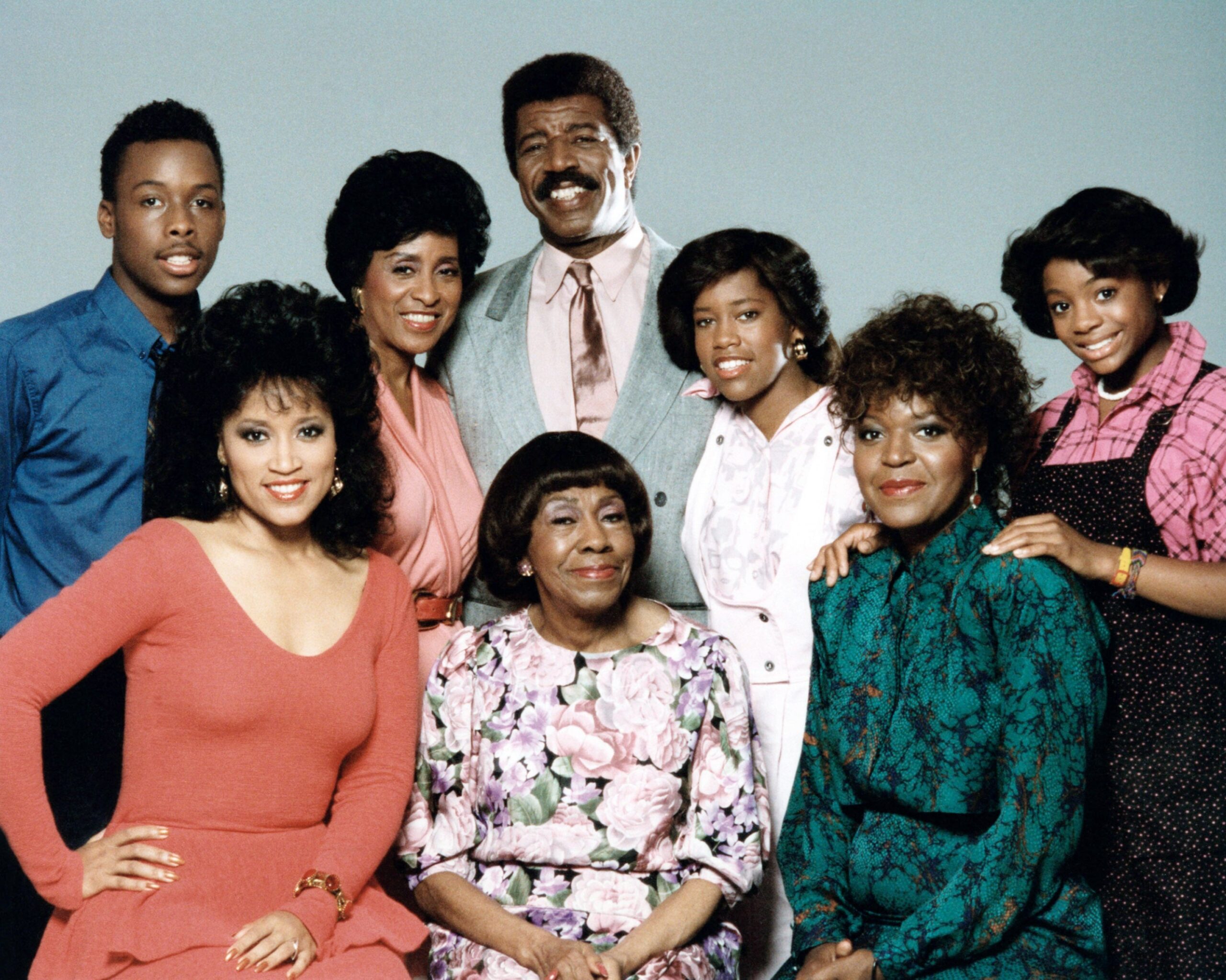
While writing the episode, she caught the attention of one of the show’s stars, Marla Gibbs. In 1977, the play premiered in Chicago and was a hit. Gibbs and her daughter, actress Angela Gibbs, brought the play to LA, where they produced it, and Marla starred in it. She then told Lear that he should bring it to TV after he asked her about the play. With Lear and Gibbs behind it, NBC decided to adapt it into a TV show as a starring vehicle for her. For the sitcom, the setting was moved from 1950s Chicago to contemporary Washington, D.C., and the title was shortened to the numbers 2-2-7.
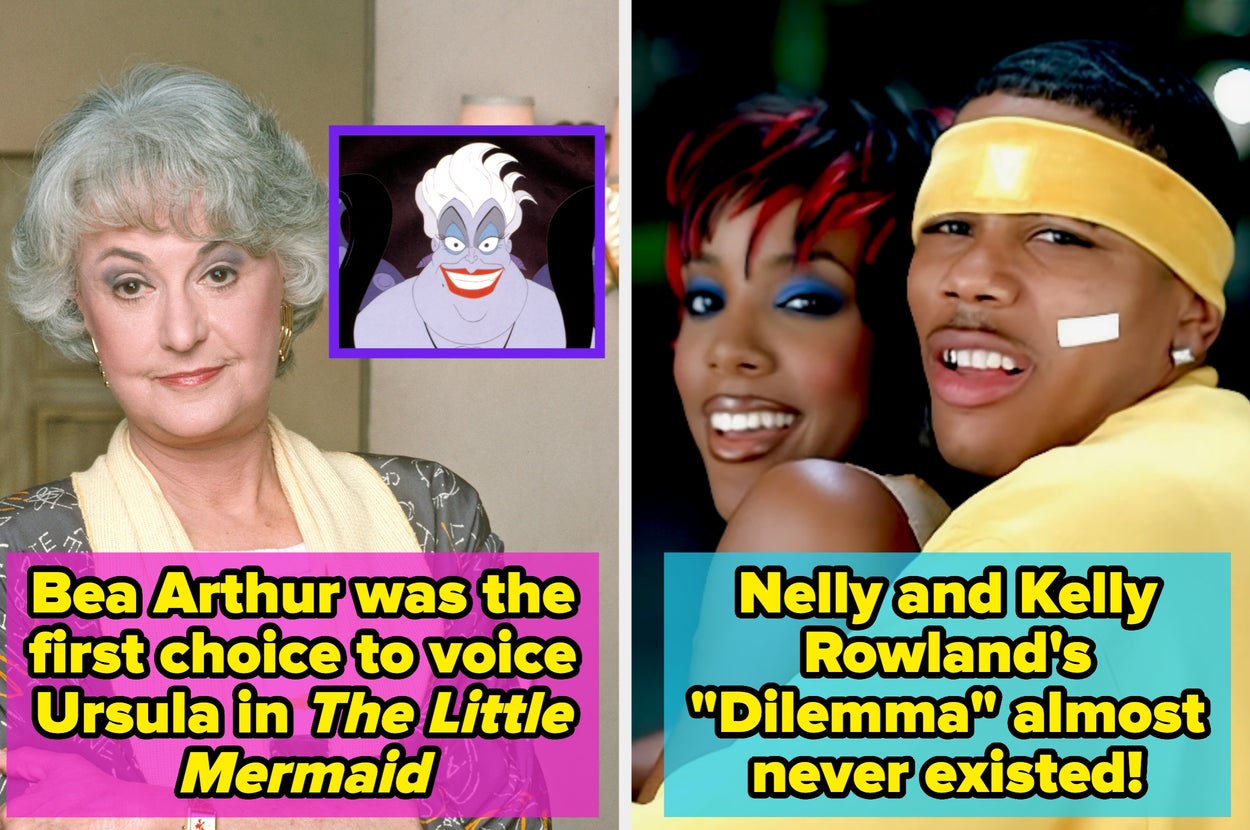
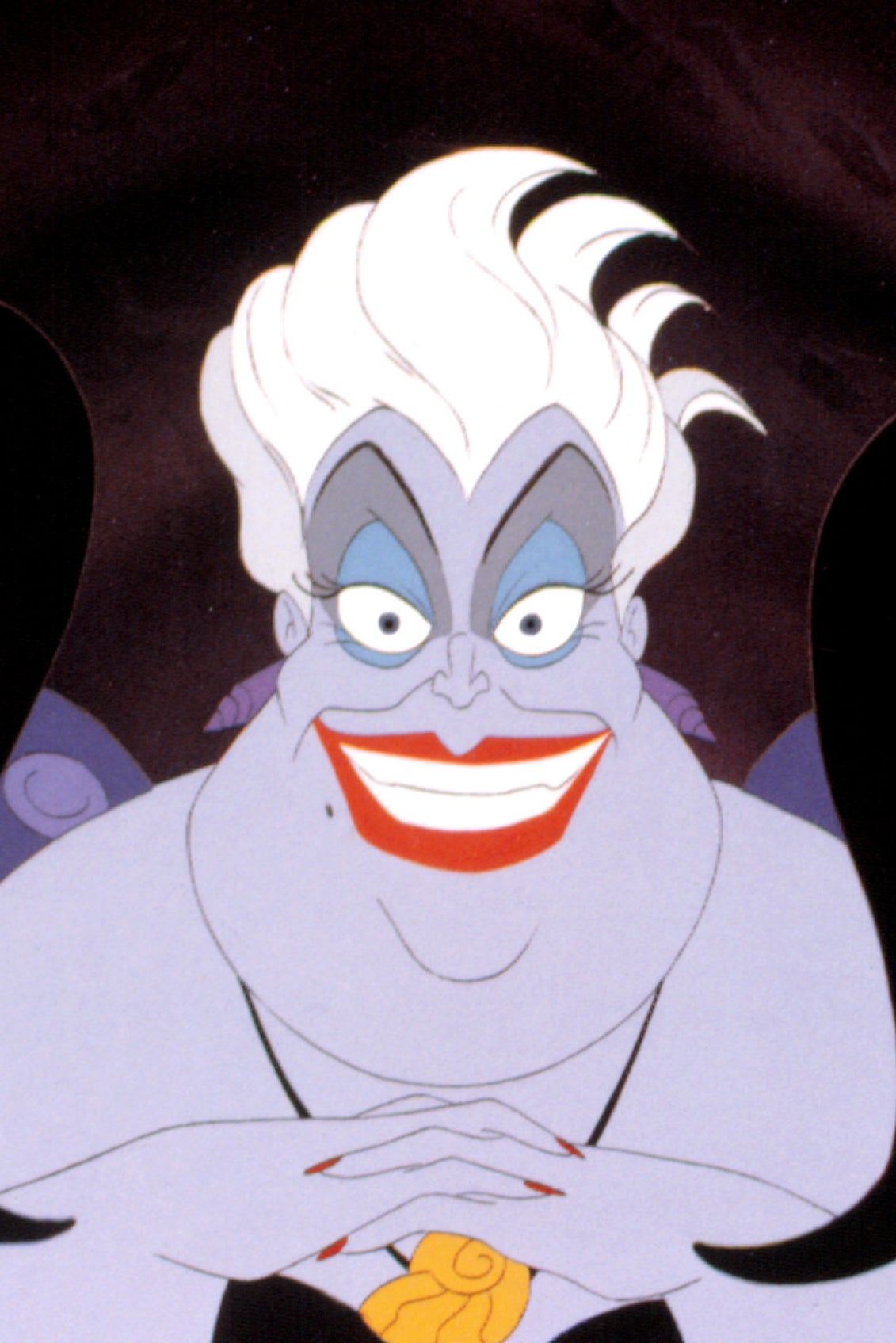
4. When Disney’s The Little Mermaid was in development, writer-directors Ron Clements and John Musker originally had Bea Arthur in mind to voice Ursula. They even modeled the character’s vocal style around her, describing the sea witch as having a “Bea Arthur-type basso voice.” However, the plan never got off the ground. According to the filmmakers, they approached Arthur’s agent, who was offended by the description and reportedly rejected the offer outright, and was angry that they would think of their client as a witch.
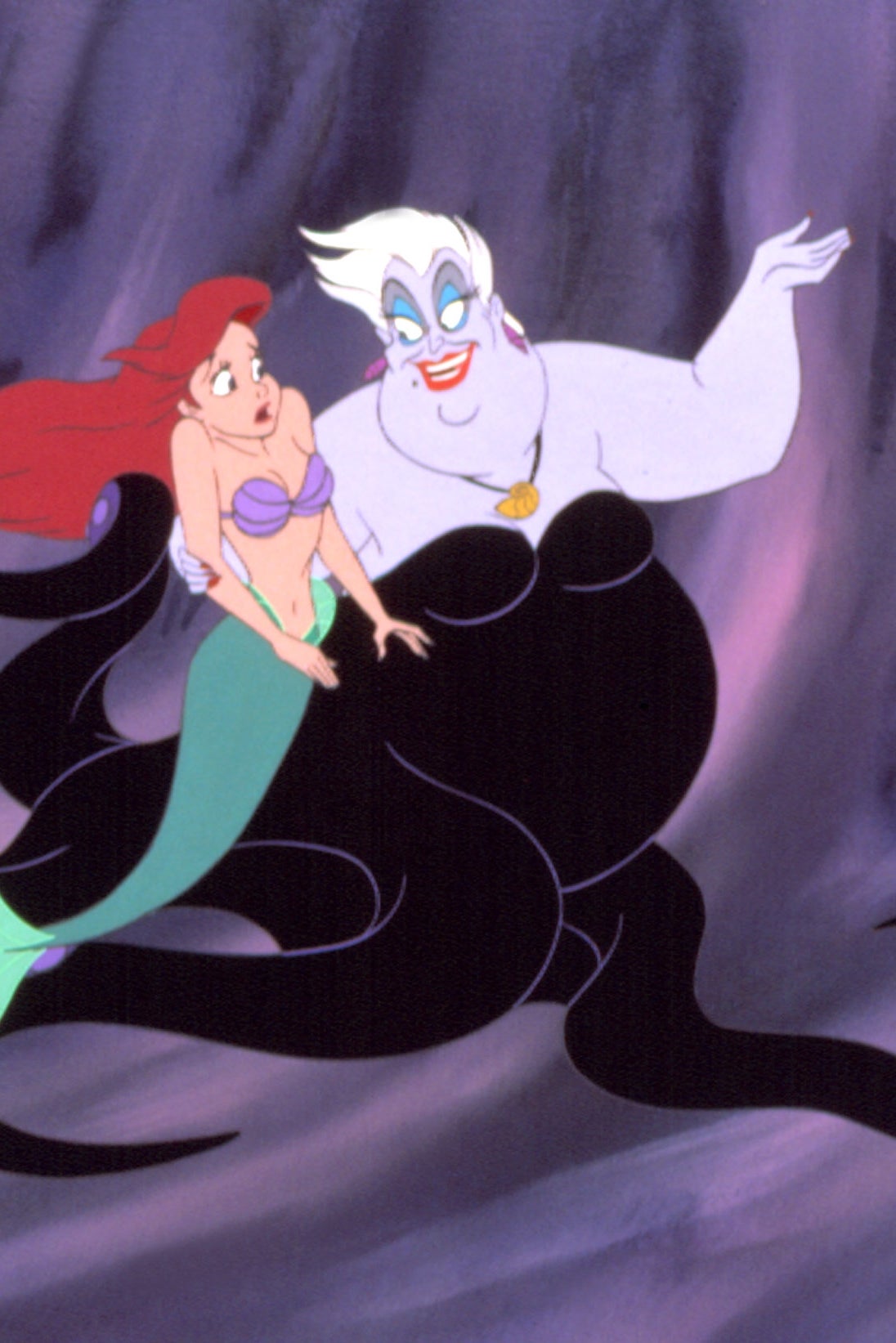
The role almost went to another television icon as well. Lyricist and producer Howard Ashman, who played a major creative role in shaping The Little Mermaid, was a huge fan of the primetime soap Dynasty and envisioned Ursula as a glamorous, larger-than-life, Alexis Carrington–type character. He hoped to cast Joan Collins, who played the iconic character, but she reportedly wasn’t even allowed to audition. According to reports, Dynasty producer Aaron Spelling believed that lending her voice to an animated film would damage her image as a serious television star. Of course, the role ultimately went to Pat Carroll, whose unforgettable performance became one of Disney’s most celebrated villain portrayals.
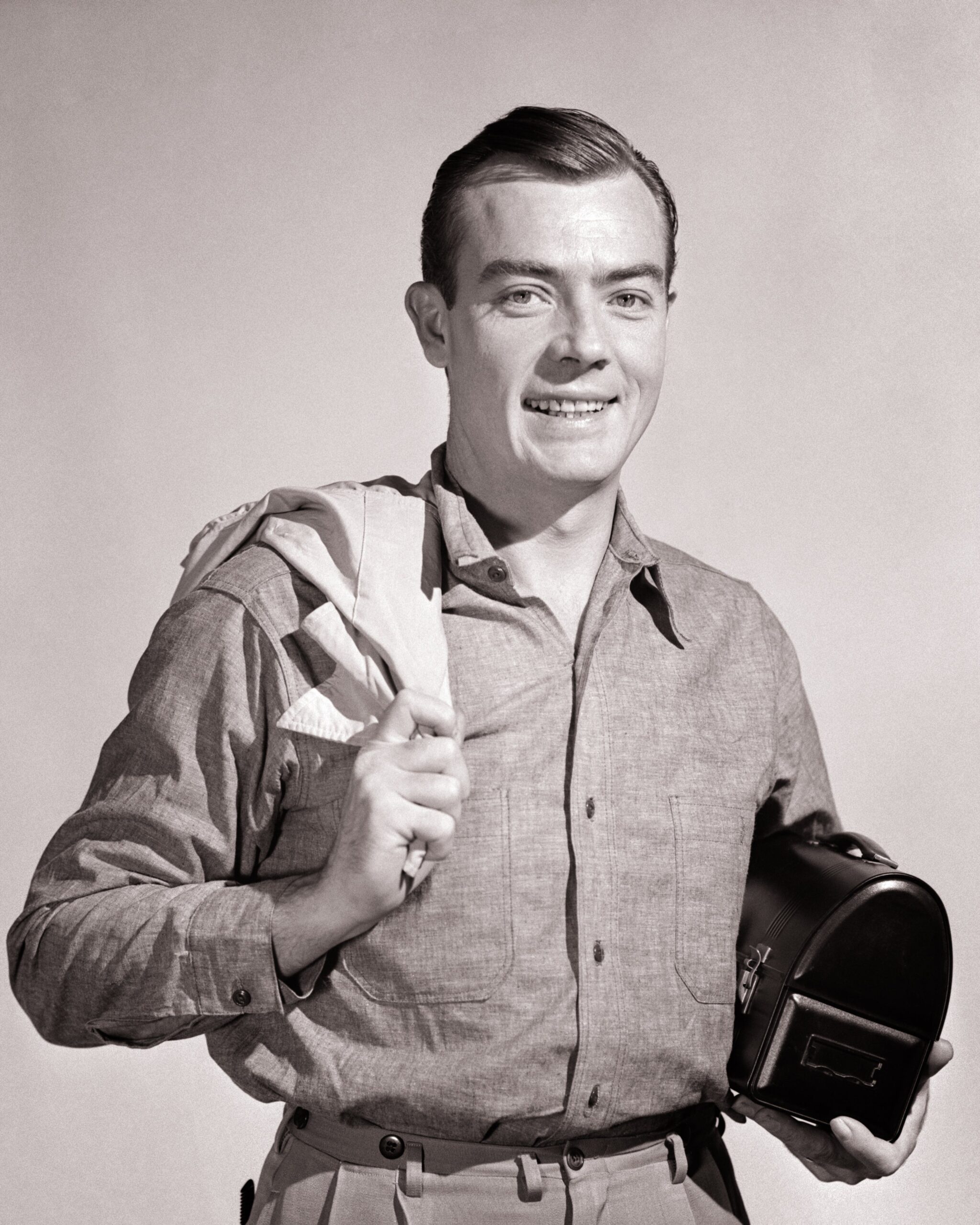
5. The term “blue collar” has a surprisingly practical origin that dates back to 1844, when the durable French bleu de travail, or chore jacket, was introduced for manual laborers. Made from sturdy moleskin cotton, the jackets were designed to withstand demanding work, while their deep blue dye helped conceal dirt, grease, and everyday wear. They quickly became a staple among farmers, factory workers, and tradespeople throughout France because they were both affordable and long-lasting.
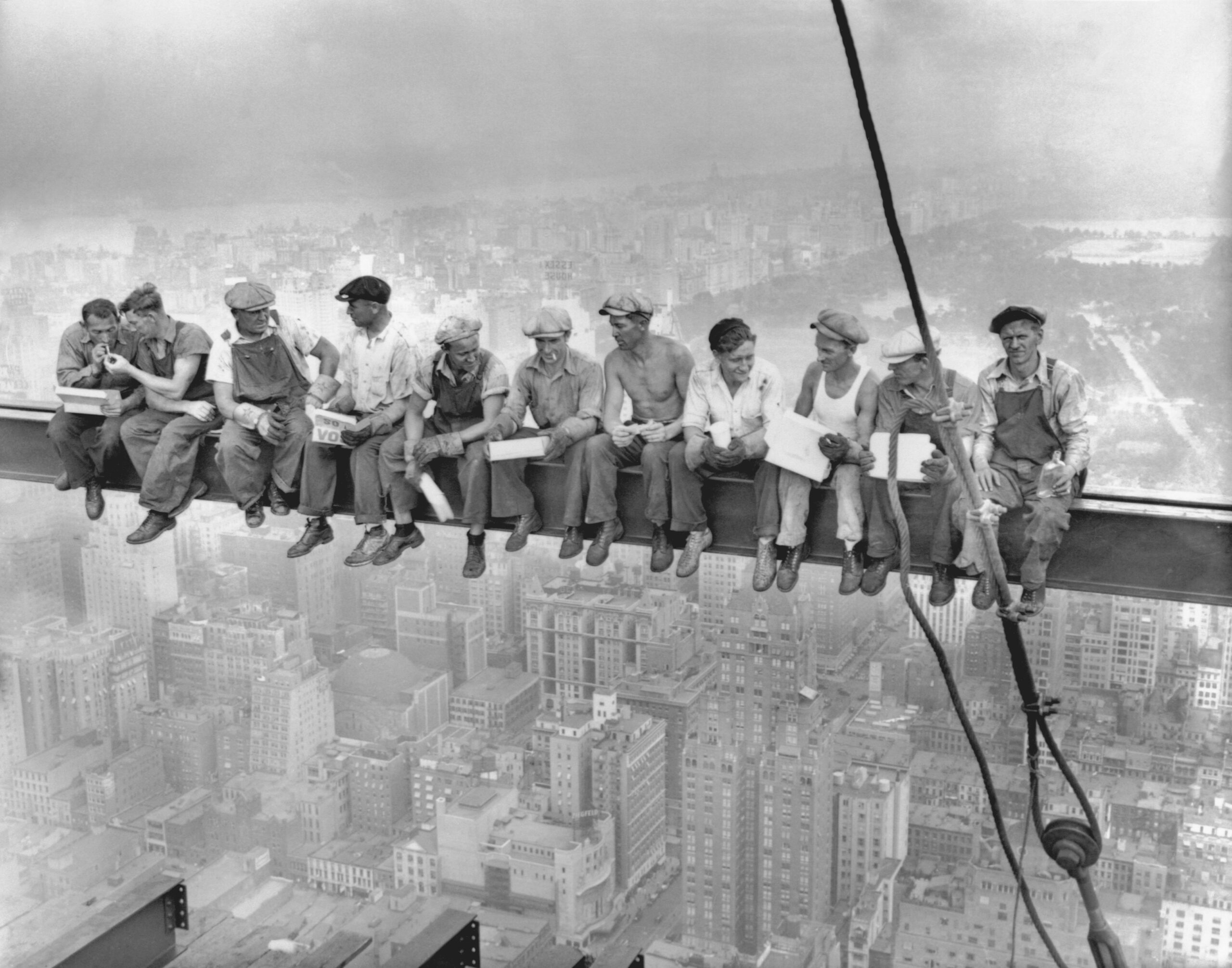
The jackets eventually made their way to the United States, where industrial and agricultural workers embraced them for the same reasons — alongside denim and chambray shirts. Over time, the blue workwear became so closely associated with manual labor that “blue collar” evolved into a shorthand term for workers in skilled trades, manufacturing, construction, and other physically demanding professions. And today, chore jackets, chambray shirts, and denim are worn by people in all professions.
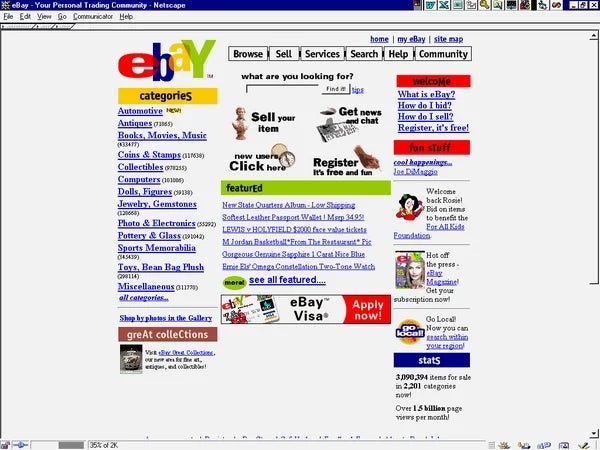
6. The ’90s Beanie Babies craze played a major role in helping turn eBay into a popular destination for online shopping. When Ty Warner introduced the small stuffed animals in 1993, their limited releases, retired designs, and collectible appeal created a frenzy among buyers who believed certain Beanie Babies could become valuable investments. As demand grew, collectors began looking for places to buy, sell, and trade rare plush toys, while conventions were the traditional place, eBay slowly became the perfect marketplace for them.
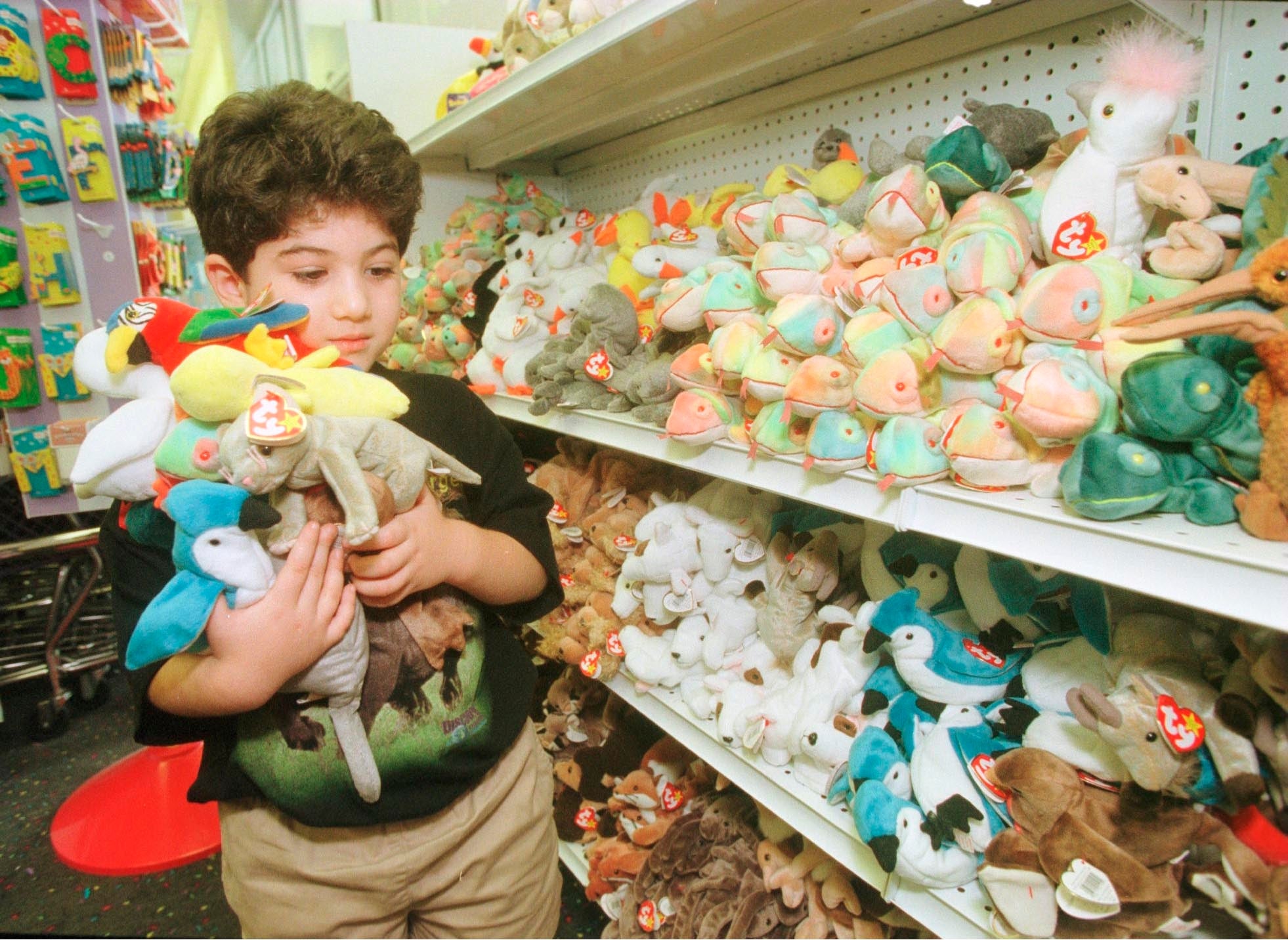
At the height of the craze in the late ’90s, Beanie Babies were among the most frequently listed and searched items on eBay, and accounted for 10% of all sales on eBay. The market eventually collapsed as too many toys were produced, and speculation drove prices far beyond what most items were actually worth. Along with helping popularize eBay, it also helped introduce and normalize buying things online at an early stage of the internet.
7. Bart Simpson’s best friend, Milhouse Van Houten, actually existed before The Simpsons became a full-fledged television series, when the character made his debut in a 1988 Butterfinger commercial. Now, in case you didn’t know, before they had their own show, The Simpsons were popular shorts on The Tracey Ullman Show from 1987–89. When Butterfinger partnered with Matt Groening to create the first commercial, he knew he needed a friend for Bart to talk to in the school lunchroom.
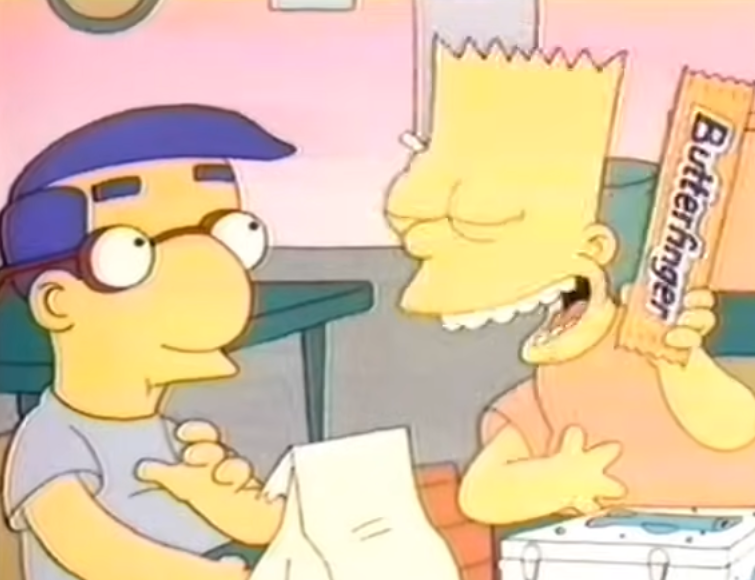
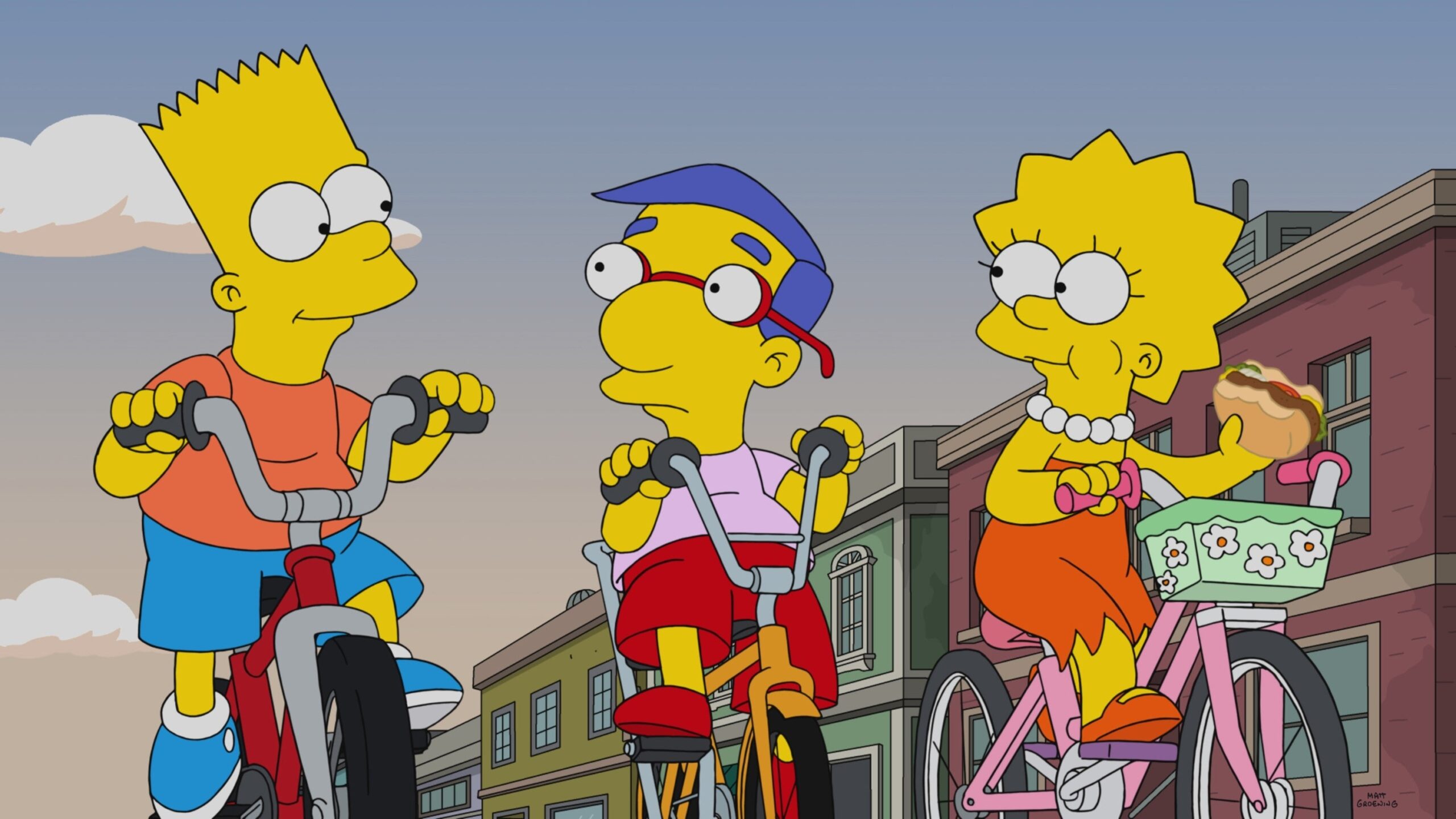
The character was originally designed (along with a series of others) by Groening for an animated NBC show that was never picked up. When he brought the designs into the studio, his animators saw the Milhouse design and knew “that’s the guy.” Though Milhouse never appeared in the shorts, he was later introduced in Springfield as Bart’s best friend when it became a full series in 1989. Milhouse, of course, would become one of the show’s most beloved supporting characters.
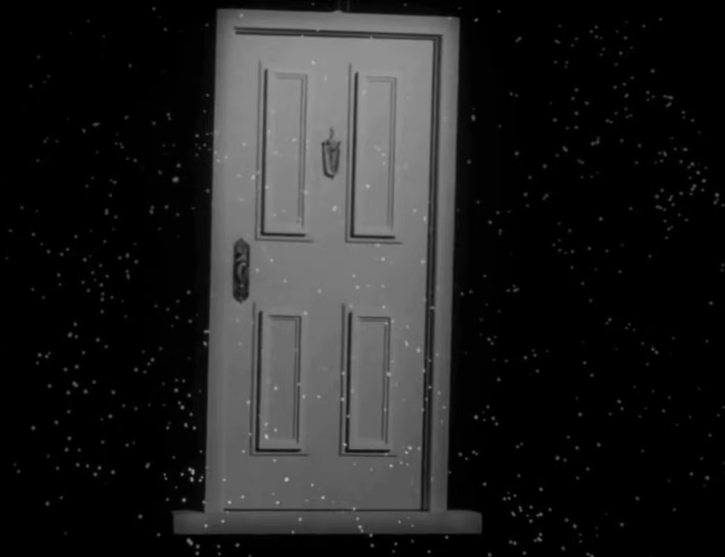
8. The Twilight Zonetheme song is one of the most iconic and recognizable pieces of music in television history, but it wasn’t the original theme song. In the first season of the series, the opening theme was composed by legendary film composer Bernard Herrmann, who also scored classics such as Psycho, Vertigo, and Citizen Kane. While Herrmann’s dramatic orchestral music fit the eerie tone of the series, CBS executives weren’t particularly fond of it and wanted something different for future seasons.
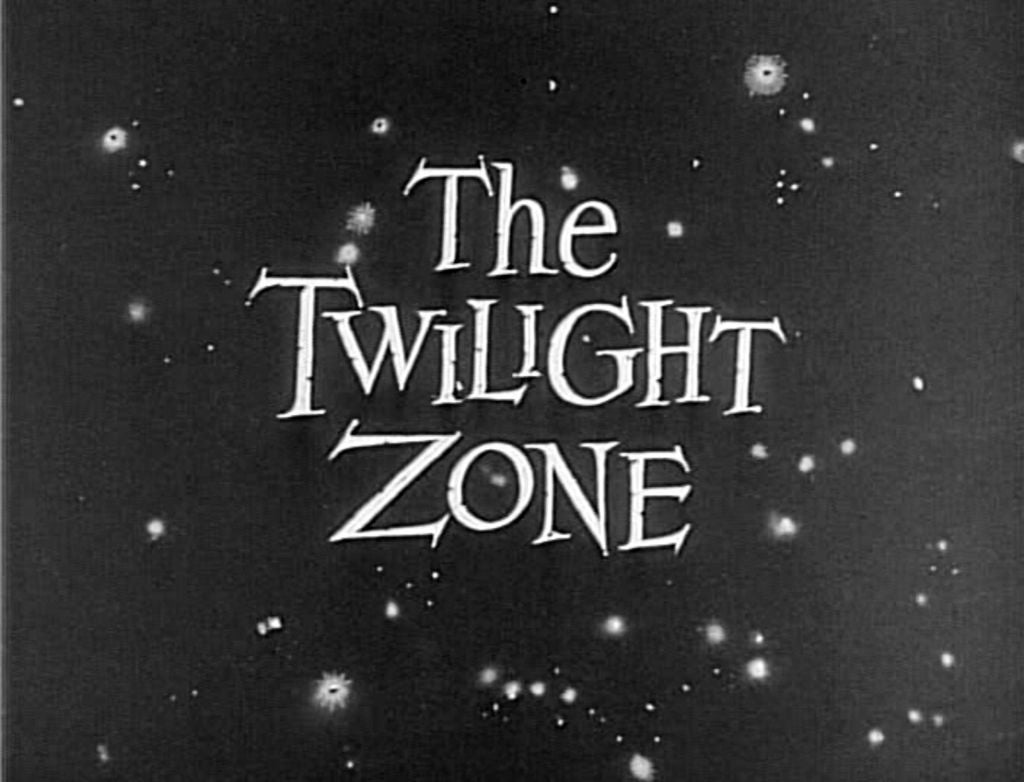
In response, CBS music director Lud Gluskin turned to Romanian-born, Paris-based composer Marius Constant, who had written a library of short production music cues for the network. Gluskin combined two of Constant’s brief compositions into a single piece, and that mash-up became the instantly recognizable opening theme that debuted with Season 2. Even more surprising, Constant reportedly had no idea for years that his music had become the signature sound of one of television’s most famous series because no one had told him it was being used that way.
9. Nelly’s biggest hit, “Dilemma,” almost never existed! It was actually a very last-minute addition to his 2002 album Nellyville. After finishing the album, St. Louis producer Bam played Nelly a beat built around Patti LaBelle’s 1983 song “Love, Need and Want You,” which Nelly said he immediately wrote the entire song after hearing it. At first, he envisioned recording it himself, but once he returned to the studio, he realized the track needed a female voice and immediately thought of Kelly Rowland, whom he had met on MTV’s TRL tour the year before.
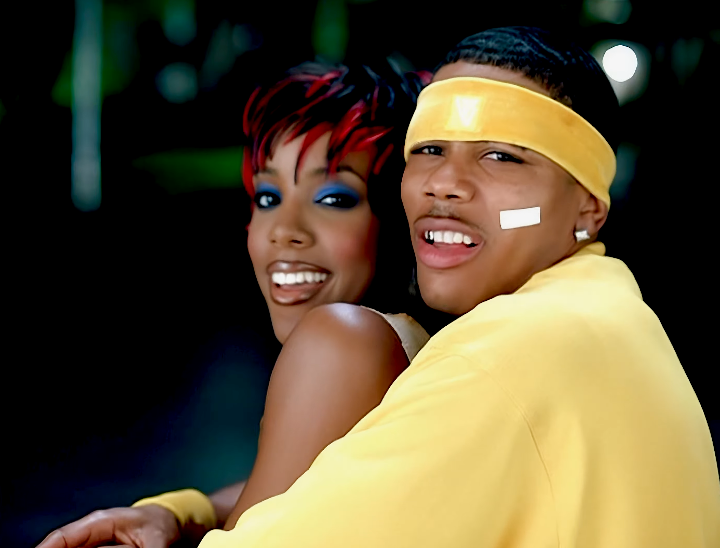
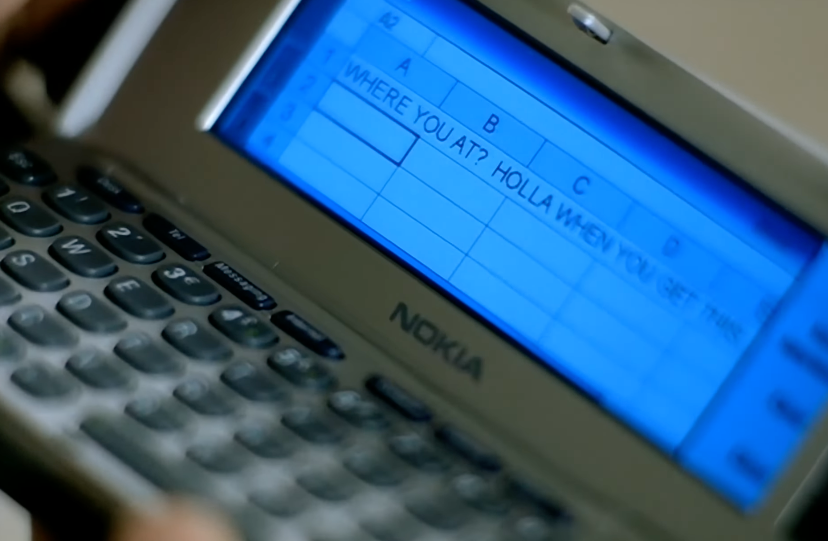
Rowland recorded the duet after dozens of takes, with Nelly’s manager recalling that she was such a perfectionist that she kept re-recording her vocals until she was satisfied. The song became one of the biggest hits of 2002, spending 10 weeks at No. 1 on the Billboard Hot 100 and helping launch Rowland’s solo career. Of course, in the video for it, Rowland is seen infamously texting Nelly on an Excel sheet. According to her, nobody on set told her that she was not texting, saying, “I’m actually mad at them that they didn’t because they made me look nuts.”
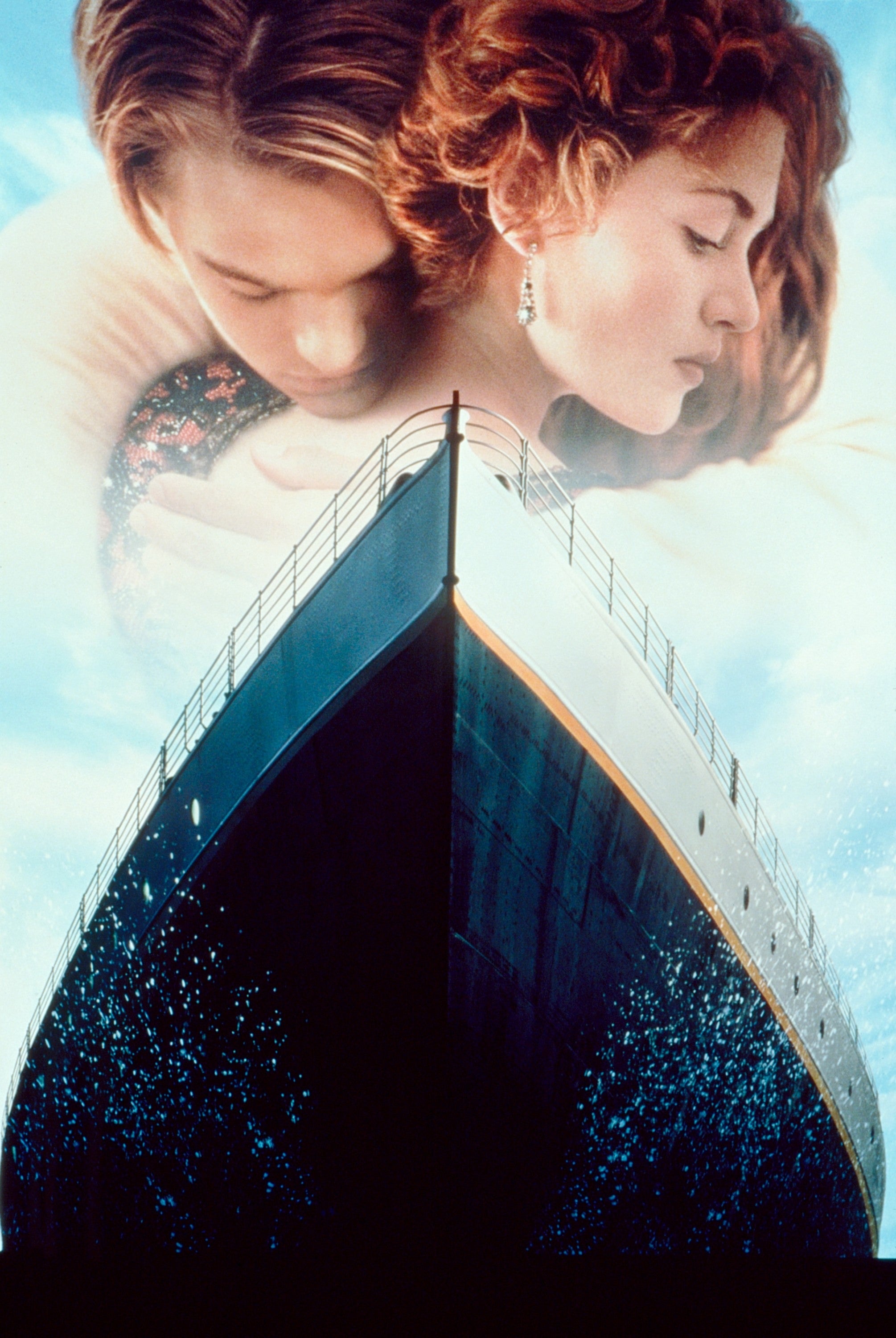
10. And lastly, today, movies earning more than $1 billion at the global box office is a major milestone, but it has become far more common — in fact, there are currently 62 films that have achieved that feat. In 1998, however, Titanic became the first movie in history to cross the $1 billion mark, an achievement that seemed almost impossible before its release. The film had been plagued by production problems, including major delays, a ballooning budget, and widespread industry skepticism that director James Cameron had created a project that was too expensive and too ambitious to succeed, and that audiences might not be interested in.
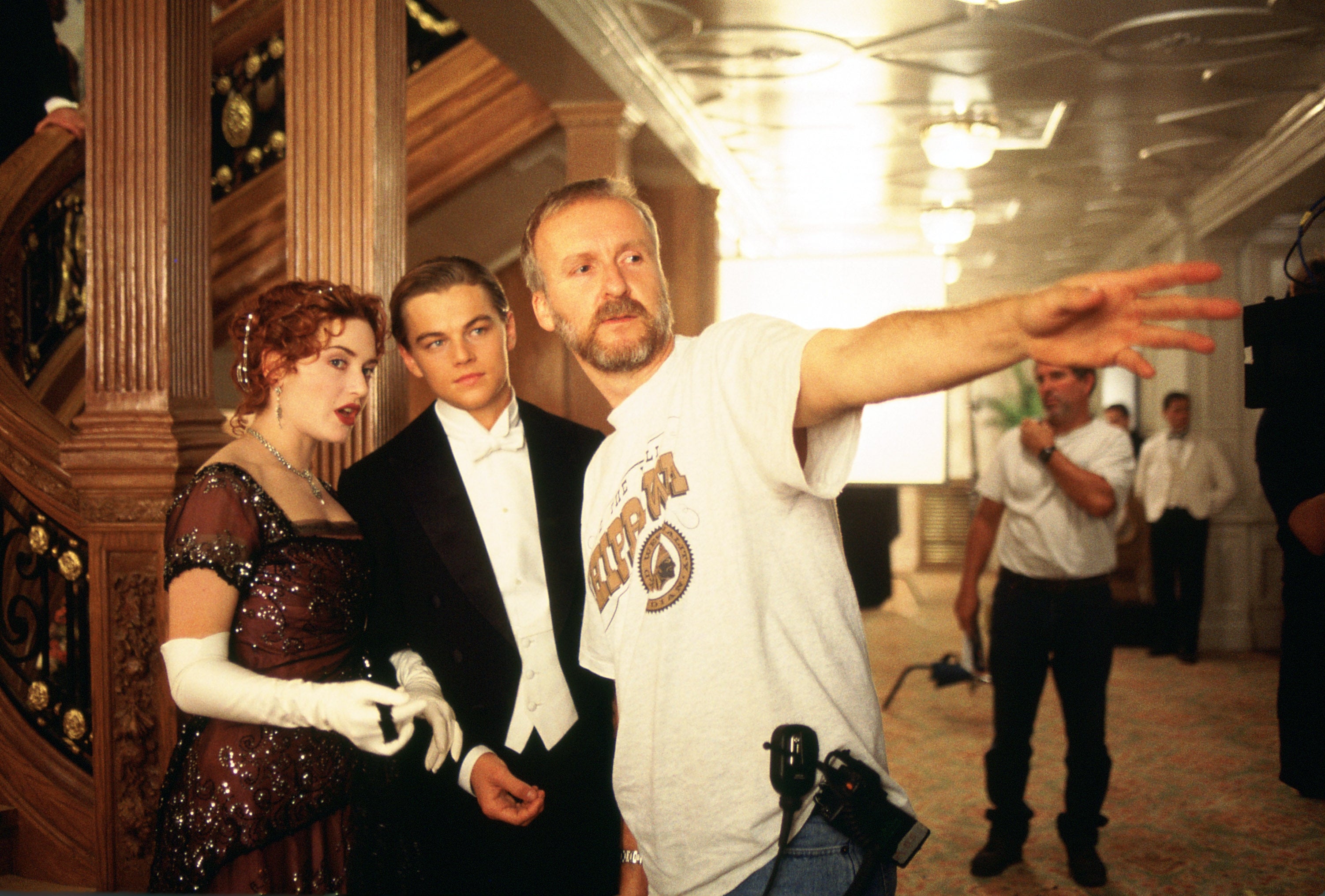
Some Hollywood insiders expected the film to become one of the biggest financial disasters in movie history, but Titanic really defied expectations by becoming a cultural phenomenon and redefining what a modern blockbuster could be. Years later, while executives at 20th Century Fox pushed Cameron to change sequences, story beats, and characters in Avatar, as well as shorten the film, he reminded them that the success of Titanic had paid to build and expand that very studio they were meeting in. He ended up being right about his vision, because Avatar would go on to beat Titanic as the highest-grossing film of all time.
Your daily brain workout:If You Can Solve This 25-Word Chain Then Congratulations, Your Brain Is Officially Gigantic
Also in Rewind:“What’s Your Inner Age? Let Your 2000s Pop Culture Favorites Make The Choice”
Also in Rewind:“You’re Officially Old If You Can Identify 12/15 Of These ’90s School Supplies”
