

By Ankita Chandra
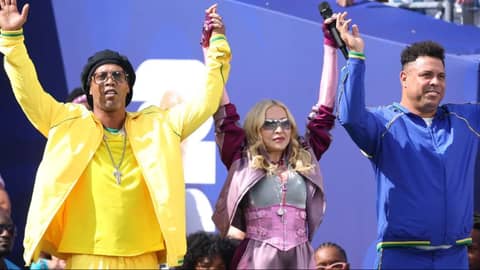
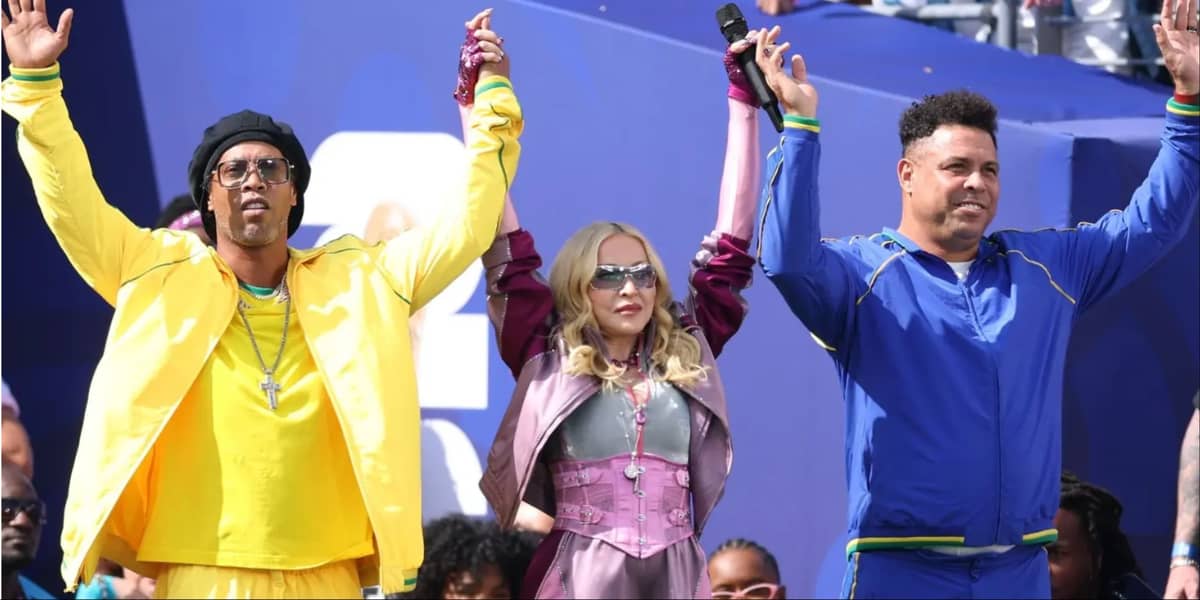
On July 19, football fans around the world witnessed a historical collaboration of music and pop culture, as the first ever Final Halftime Show was staged in between the ultimate clash between Argentina and Spain at the 2026 FIFA World Cup. From FIFA Queen Shakira, legendary singer Madonna, teenage pop sensation-turned global musical icon Justin Bieber to K-pop kings BTS, the show featured a star-studded lineup, also steered by Hollywood leading man Tom Cruise.
If you have been scrolling through more conversations around the Halftime Show at this year’s FIFA finale than those around the actual game between Spain and Argentina, you are not alone. After the initial buzz around the biggest artistes in the world coming together for the historical spectacle, the perspective has now shifted towards what it means for the future of legacy sporting tournaments like the FIFA World Cup: will the niche sports community have to accommodate pseudo fans who are only “here for the celebs?”
The answer is much more nuanced than it would seem, although musical performances have always been an integral part of grand football leagues like FIFA and NFL. In fact, football is not alone. Baseball leagues like the Major League Baseball and basketball leagues hosted by the NBA have also frequently featured pop music icons in performances as well as ceremonial pitch-throws. The IPL, which is the most-watched domestic league in world cricket, has historically thrived through an association between Bollywood and Indian cricket. Then what exactly is causing such a rift between niche football fans and those “here for the vibes”, when it comes to the 2026 FIFA World Cup?
To start with, fans have questioned the 11-minute lineup crammed with huge pop icons, none of whom got a decent performance slot for fans to actually enjoy their stages(in spite of the fact that the actual “half-time” slot was extended to 27 minutes to accommodate all the performances). Hitting such a long pause to a strategic point in the game caused dissatisfaction among many spectators who were simply waiting for it all to be over. Apart from this, the surge of K-pop fandoms who suddenly entered football viewership thanks to BTS’s addition to the lineup unleashed social media meme trends to which niche football fans did not respond well. The trend where K-pop fans reply that they are supporting “Team BTS” when asked whether they are on Argentina’s side or Spain’s diluted the true aim and purpose of sports viewership.
Thanks to social media feeds deciding the future of every experience-focused purchases we make today, both sports and pop culture have become heavily dependent upon the reach gathered on social media. Collaborations between athletes and pop culture icons have also grown more frequent, as both reach-dependent industries seek to tap into a heterogeneous mix of fandoms to maximize popularity. Thanks to the star-studded Final Halftime Show, the FIFA World Cup drew in a huge chunk of non-football fandoms during its ultimate clash. But at what cost?
Sports scientists have found that longer breaks taken during matches like these may cause the muscle temperature of players to drop, increasing the risk of injuries when play resumes. In fact the IFAB’s Laws of the Game state that halftime should not go beyond 15 minutes.
Is the reach-seeking strategy for sports leagues undermining the ethics of legacy tournaments? Or is this a new leap forward for maximizing fandom involvement in high-stakes games? The answer is yet to be determined.
Kylian Mbappé returns as EA SPORTS FC 27 ultimate edition cover star
22 Jul 2026, 3:18PM
More Stories
