

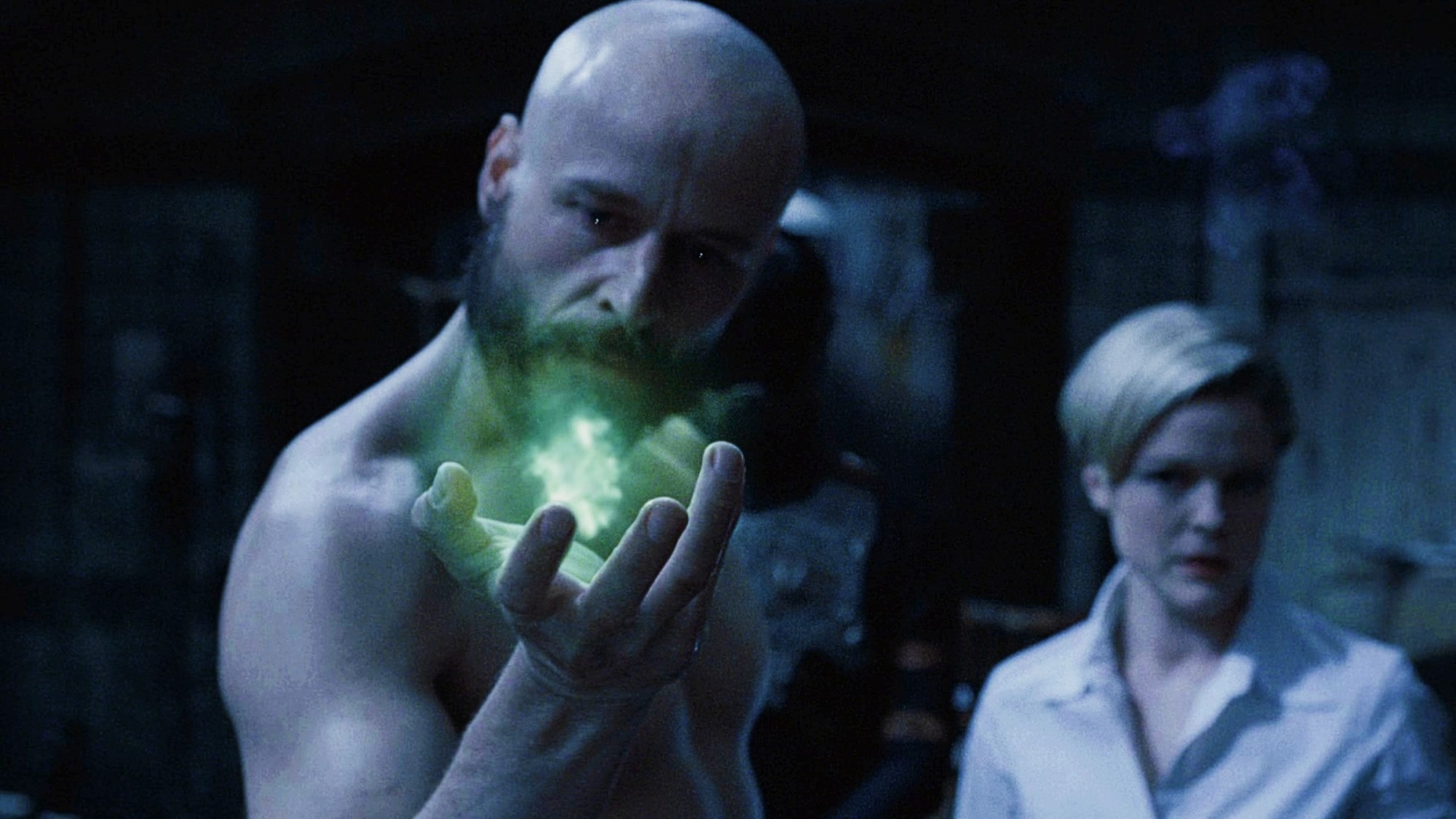
The past twenty years of blockbuster movies have largely been defined by one thing: Building a cinematic universe. Though Marvel Studios started laying the groundwork in 2008, it proved that this could be the future of franchise filmmaking with The Avengers in 2012, a team-up movie that combined characters and propelled them to a billion dollars at the box office. DC quickly followed suit, and though the franchise that was built around Zack Snyder’s take on their heroes fizzled out, it wasn’t the end, as James Gunn’s DCU is the current iteration of bringing those comics to life on a big scale.
Videos by ComicBook.com
In that same time, though, it became clear that cinematic universes weren’t the be-all, end-all of franchise filmmaking, but rather that comic books had cultivated a devoted fan base for decades and had volumes of stories to tell in a new medium. Plenty of other comics got adapted in that time, some to great acclaim and many a failure to launch a new film franchise. Even some of the films that didn’t get a sequel, though, proved that a great comic book cinematic universe didn’t need Batman to hold up a sequel, or Spider-Man to make an appearance; these universes worked on their own merits.
3) Dredd
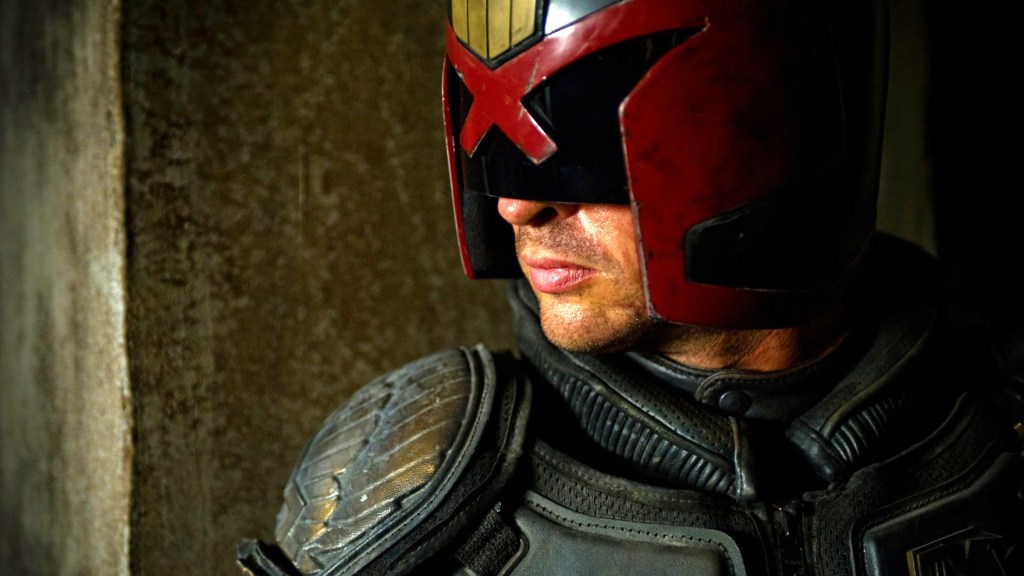
Picking up the pieces of a series that was broken by the terrible ’90s version, the 2012 feature film Dredd brought the 2000 AD comic character to life in more than one way. The greatest detail that it delivered to the big screen was that Karl Urban’s version of the title character never removes his helmet, the bottom half of his face locked in a permanent grimace, not unlike the drawings by Carlos Ezquerra.
The opening minute of Dredd sets the full stage for the film but also tees up what could clearly be the foundation of an entire cinematic universe. Though the exposition is heavy in Dredd’s narration, the revelation of America’s “irradiated wasteland” and Mega City One’s stretch from Boston to Washington paints not only a specific kind of picture of what this world is, but also how vast its landscape is, literally. On top of that, the reality of the Judges was explored just enough to get the story going, but it is clearly something that could have supported further stories.
Dredd did the smart thing in terms of 2010s comic book adaptations, bringing the world to life with a hint of what it could really be but keeping the stakes small enough that its self-contained story wasn’t just a springboard to endless sequels. Thanks to being a box office disappointment, though, we never got any more.
2) Teenage Mutant Ninja Turtles: Mutant Mayhem
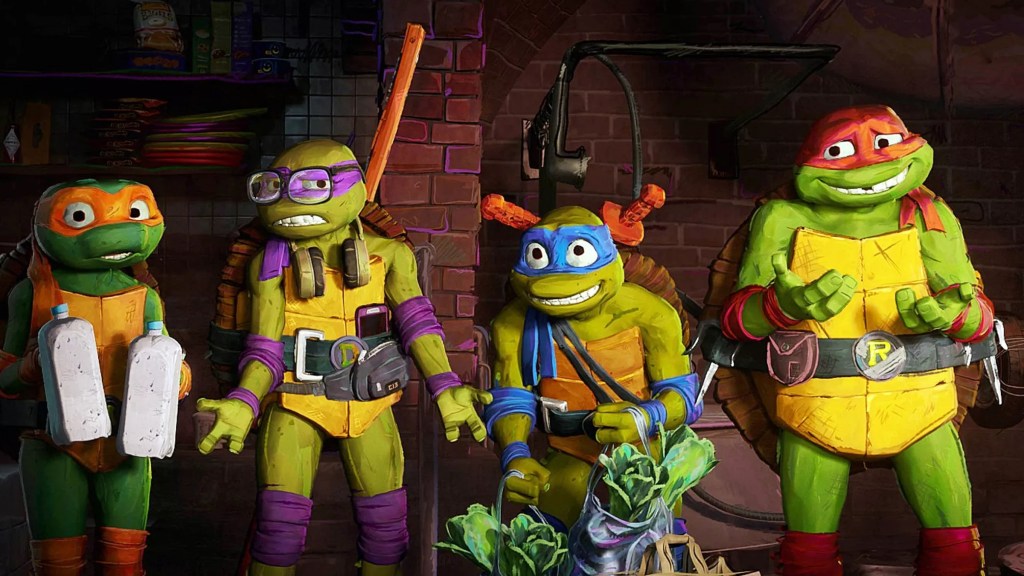
Though there have been other attempts at bringing the Teenage Mutant Ninja Turtles to life, all the others seemed keen to just focus on the titular reptiles and their karate adventures. 2023’s Mutant Mayhem was no different in reality, but it had one thing that none of the other movies had at all: the expansive roster of characters.
Many of the names and faces that Teenage Mutant Ninja Turtles fans know and love originated from the toys and cartoon series, but the likes of Bebop, Rocksteady, and Baxter Stockman had only one appearance on the big screen before this film. Add those characters to the likes of Wingnut, Leatherhead, Mondo Gecko, and Genghis Frog, and you’ve got a supporting roster in the world of TMNT that expands the series beyond just turtles fighting ninjas. Comics have already shown that this blueprint can create a whole world; just look at IDW’s current roster of titles.
On top of this, Mutant Mayhem not only teased the arrival of Shredder in the sequel but clearly set up the Utrom aliens as well. Teenage Mutant Ninja Turtles: Mutant Mayhem did its best to start expanding and make itself something of a cinematic universe, delivering two seasons of a TV series and an animated short film, both before the proper sequel, but this cinematic universe feels like it’s going to come to a close as Paramount has already confirmed a live-action/animation hybrid reboot of the property for 2028.
1) Hellboy
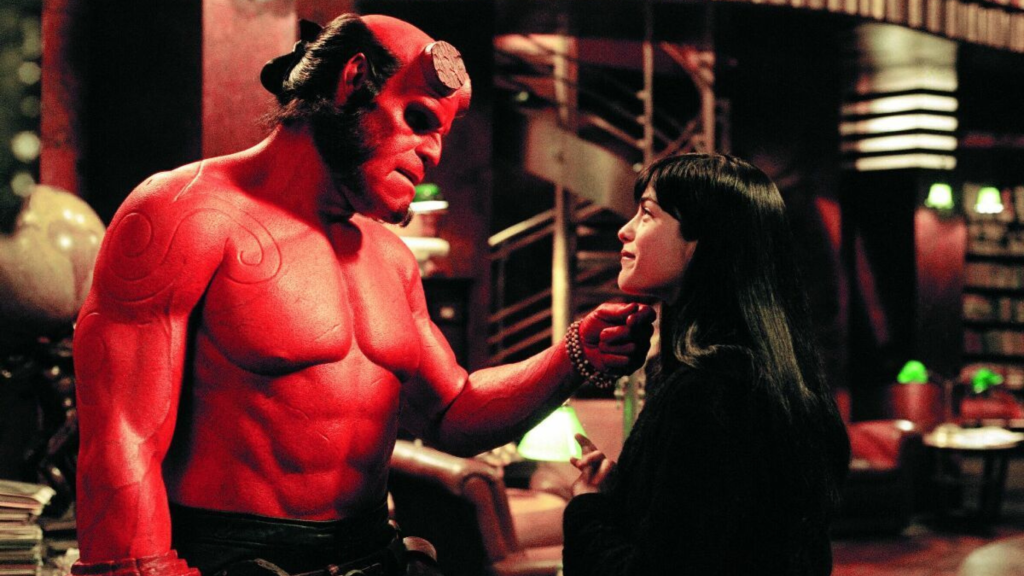
Guillermo del Toro’s original adaptation of Mike Mignola’s comic series delivered a fresh bolt of lightning into the world at a time when Marvel heroes were starting to dominate the big screen. The trick that this film had compared to the likes of other superhero movies that opened that same year, like The Punisher, Spider-Man 2, and, yes, Catwoman, was that it wasn’t just a film about one hero; it was the door opening to an entire world.
Though Hellboy does make the clunky decision to have an “every man” character front and center as the audience proxy, the movie deftly dances around this with much of its additional exposition. Take, for example, the reveal by Professor Broom about Abe Sapien’s origins, on top of that, the implication of the government’s poor hiding of Hellboy from the public for years. These are stories that not only give the movie itself weight but are clear springboards for something else down the line.
That doesn’t even account for the larger potential of the Bureau for Paranormal Research and Defense, which not only has a decades-long history but plenty of artifacts in the background that could have kept it all going. If The Conjuring can turn every ghost they encounter into a separate franchise, Hellboy could have given us BPRD stories across the decades (like the comics did).
3 Cult 1985 Horror Movies That Scared ’80s Kids With the VHS Cover Alone
