

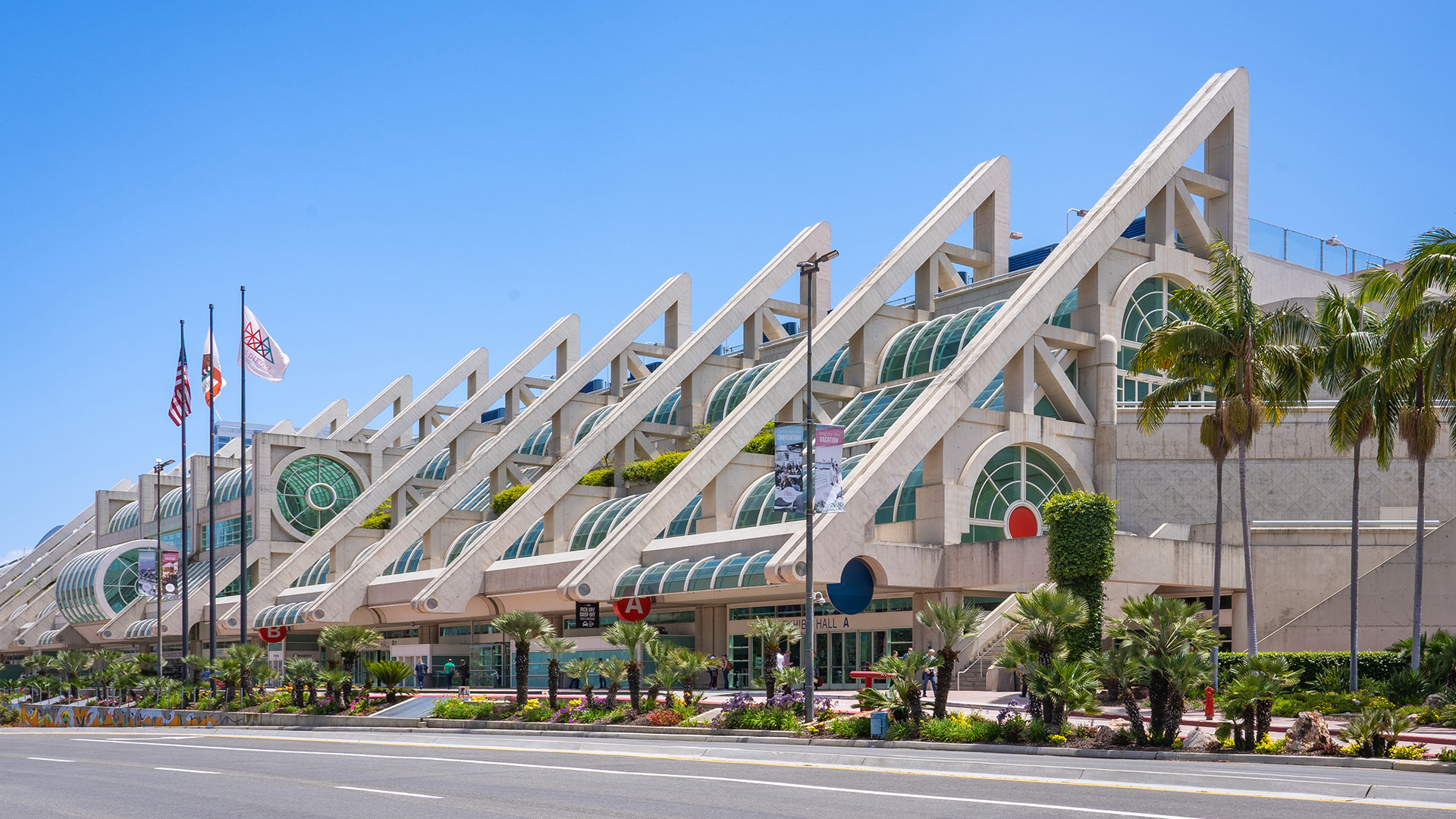
Are the economics of San Diego Comic-Con facing a brand new day? We asked the experts
Like the heroes it celebrates, the convention center’s biggest annual event has a track record of resilience
By Rafael Avitabile
Wednesday, July 15, 2026
Every summer, Comic-Con highlights San Diego as a global destination, drawing thousands of attendees. But beyond the cosplay, movie and tv previews and pop culture excitement, the convention also offers a window into broader economic and tourism trends, from consumer spending habits to the growing demand for experience-driven travel. This year’s edition comes next week
To better understand Comic-Con’s impact on the region, Hisham Foad, San Diego State University associate professor of economics and director of the International Business program, and Carl Winston, director of SDSU’s L. Robert Payne School of Hospitality & Tourism Management, share their insights on the convention’s economic influence, how rising travel and living costs are shaping vacation decisions, and what Comic-Con’s popularity says about the future of tourism in San Diego
What kind of economic impact does an event of this scale have on the region? Are you expecting anything notably different in 2026 compared to past years, given the uncertainty in the current economy?
Foad: Comic-Con is one of San Diego’s most significant annual events, with 135,000 attendees expected this year. The actual number of people downtown during Comic-Con week is likely higher given this attendee count does not include exhibitors, media, volunteers, or the increasing scope of off-site events available to fans without badges. Visitors to San Diego will have an impact across a broad range of sectors such as hotels, restaurants, retail, entertainment, and local attractions like the San Diego Zoo and Legoland.

While uncertainty has reduced consumers’ discretionary spending overall, demand for Comic-Con was as strong as ever, evidenced by all badges selling out less than three hours after going on sale. This is not surprising as events with strong brand loyalty tend to be less sensitive to income uncertainty than general leisure travel. People who view Comic-Con as an annual tradition often adjust other parts of their budgets rather than skip the event entirely. Changes are more likely to occur at the intensive margin (i.e. how much people spend rather than whether or not they attend). Rather than skipping the event, attendees may adjust how they spend by taking a shorter trip, sharing accommodations, or reducing spending in other areas.
Winston: Comic-Con is in a category of very elite events. It’s like having the Super Bowl come to your city every year. It’s maybe not as big a scale as FIFA’s World Cup, but it brings in tens of thousands of people to San Diego, and that provides both direct economic benefit to the tourism economy. It creates all kinds of spinoff economic activity
The major studios also invest huge amounts of money in the city, from wrapping buildings to hosting VIP parties in posh places as part of their business development model. And another economic benefit is that every summer, San Diego gets one heck of a commercial that we pay nothing for. That has helped put San Diego on a global tourism map, and that’s sort of indisputable.
The Payne School has been studying Comic-Con’s impact for 25 years. So we’ve seen recessions, we’ve seen COVID, we’ve seen airfare prices go through the roof, we’ve seen them come back down. San Diego consistently does well compared to other tourist destinations in bad times. When fuel prices are crazy, when there’s a recession that hits, people from Southern California or Western United States who can’t swing trips to Mexico or Hawaii say, “Hey, times are tough, let’s get in the car and drive over to San Diego.” We’re just as good a tourism destination, but we’re way more accessible than other destinations, and more affordable.
With higher prices for travel, hotels and everyday expenses, how are consumers changing the way they approach vacations? What does increased demand for experience-based entertainment mean for San Diego’s tourism economy moving forward?
Foad: Consumers have become much more strategic in how they travel. They’re planning farther in advance, looking for shared accommodations, and prioritizing experiences they consider truly meaningful. Instead of taking several smaller trips, many households are choosing one signature vacation or event each year
Comic-Con fits into this trend as it’s a truly unique experience. The value to fans comes not only from the panels and exhibits, but also from the community, exclusive experiences, and the opportunity to participate in a unique cultural event. That makes demand relatively less sensitive to price increases than for more routine vacations
Even though the number of attendees isn’t likely to decline, I wouldn’t be surprised if the total economic impact is lower than in years past. Economic uncertainty may lead visitors to shorten their stays, share hotel rooms or shift toward short-term rentals, eat at less expensive restaurants, and reduce discretionary spending while in San Diego.
There has been a documented shift toward more experience-based consumption, especially amongst younger consumers who represent a large share of Comic-Con attendees. This shift has been magnified by social media, where people share their experiences, in turn increasing demand for and value of these experiences. Comic-Con fits well in this trend given that it is an immersive experience where attendees are not just buying admission, but also opportunities to interact with artists and celebrities, form communities with fellow fans, and feel like they are part of a cultural event. These benefits are very difficult to replicate online or purchase later, giving Comic-Con a position as an experience with few direct substitutes. This is important given that experience consumption is generally more sensitive to economic uncertainty as it is discretionary spending. While people may cancel a regular vacation due to economic uncertainty, they are less likely to cancel a trip to Comic-Con given its uniqueness.
Winston: People are seeking genuine live experiences at a level that I haven’t seen in my memory. Prices to attend sporting events, concerts, and other types of entertainment are on the rise, so people are willing to spend hundreds and hundreds of dollars for live experiences. I think the future of live events in San Diego looks really strong, based on a human need that is not being satisfied in our day-to-day lives anymore
Comic-Con almost left San Diego this year until the organizers signed a one-year contract extension that runs through 2027. What is San Diego doing, or what can it do, to keep the event in town for years to come?
Foad: San Diego Comic-Con has become a victim of its own success. The event’s popularity has led to it hitting capacity constraints at the Convention Center. Many more people want to attend the convention than there is space to accommodate. As such, there have been calls for Comic-Con to move, with Anaheim and Los Angeles being the most likely destinations.
I believe the best option would be to remain in San Diego. Comic-Con isn’t just buying convention space: it’s buying an entire urban experience. San Diego’s walkable downtown, waterfront location, and decades of institutional knowledge create advantages that are difficult for even larger cities to replicate
Certainly, expanding the convention center is an option and has been done in the past. That said, part of the appeal of Comic-Con is its exclusivity. Were the number of badges available to dramatically increase, this exclusivity may be lost, lowering demand in turn. Further, scaling up creates its own set of challenges and increased costs
Winston: Comic-Con has had a somewhat tumultuous relationship with the city of late. They went from signing multi-year deals to the latest one-year contract, which also presents planning challenges. The City of San Diego recently defunded repairs to the convention center, which has desperately needed repairs for more than a decade, so I think there’s way more going on behind the scenes with the negotiations with Comic-Con than just, “Do they like San Diego or not?”
On the flip side, there is a very special relationship between Comic-Con fans and San Diego. They just like being here. There have been threats of moving Comic-Con to Anaheim. It’s just not the same vibe. You can’t walk around the Gaslamp in Anaheim. You can walk around Downtown Disney, but that’s kind of a manufactured environment. And there’s a certain genuineness to San Diego that blends really well with the Comic-Con fans
I think that’s an issue Comic-Con organizers are probably wrestling with. The fan base loves it here. In my opinion, the city is hurting itself by not investing in the infrastructure, which is one of several things that could help Comic-Con feel more welcome
Categorized As
