



Editorial
Here’s the Thing About the Ending to “Supergirl”…
Tuesday, July 14th, 2026
It’s a great time for Superman fans, with the Man of Steel soaring into movies, TV, animation and comics. To help us stay on top of it, writer Tim Beedle shares what’s grabbed his attention and why in this monthly Super-Family column.
It’s been a little over two weeks sinceSupergirlhit theaters. It’s time to talk about that ending
Of course, if you haven’t yet seen the Craig Gillespie-directed film, consider this your warning to stop reading and go find something else to do because there are some giant spoilers ahead. Come back after you’ve seen it. Don’t worry, the column will still be here
For all the rest of you, let’s revisit the final moments of Kara Zor-El’s battle with Krem of the Yellow Hills. After Supergirl takes down Krem’s band of brigands (accompanied by the lilting strains of Kelty Greye and KidMotel’s cover of “The Middle”), Ruthye approaches a beaten Krem with her father’s sword in hand, ready to finally claim her revenge for the death of her family. However, Supergirl intervenes, telling her that while she won’t stop Ruthye from killing Krem if it’s what she truly wants, the young orphan shouldn’t do it because it will destroy what innocence and hope remains within her. She makes a passionate, emotional plea that’s supplemented by everything the pair have gone through to this point, and Ruthye ultimately lowers her sword, falling into Supergirl’s arms. Kara tells her to turn around and walk away before she changes her mind.
…And then Kara kills Krem herself
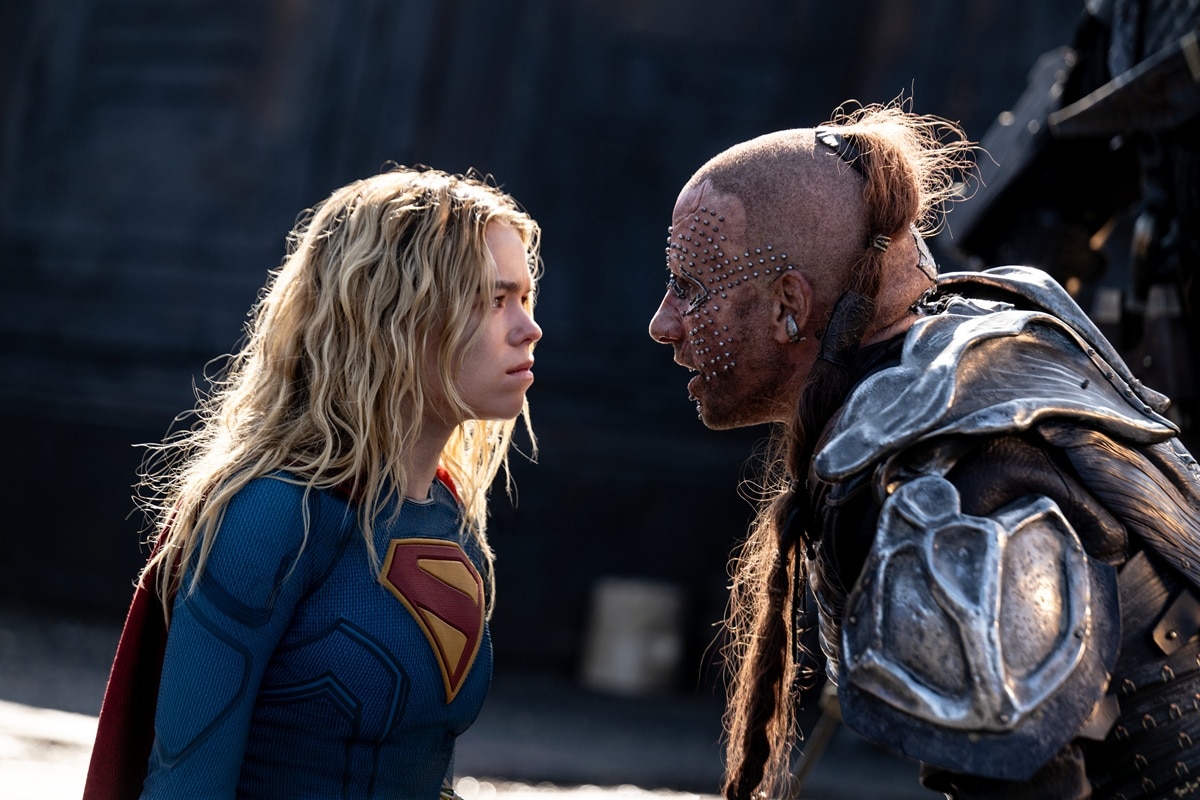
If you’ve read Tom King and Bilquis Evely’sSupergirl: Woman of Tomorrow,you know this is different from the ending of the comic. While I can’t speak to why Gillespie and screenwriter Ana Nogueira might have changed it, I can share my thoughts as to why Milly Alcock’s Girl of Steel might make such a decision—especially after telling Ruthye time and time again that revenge and murder are bad
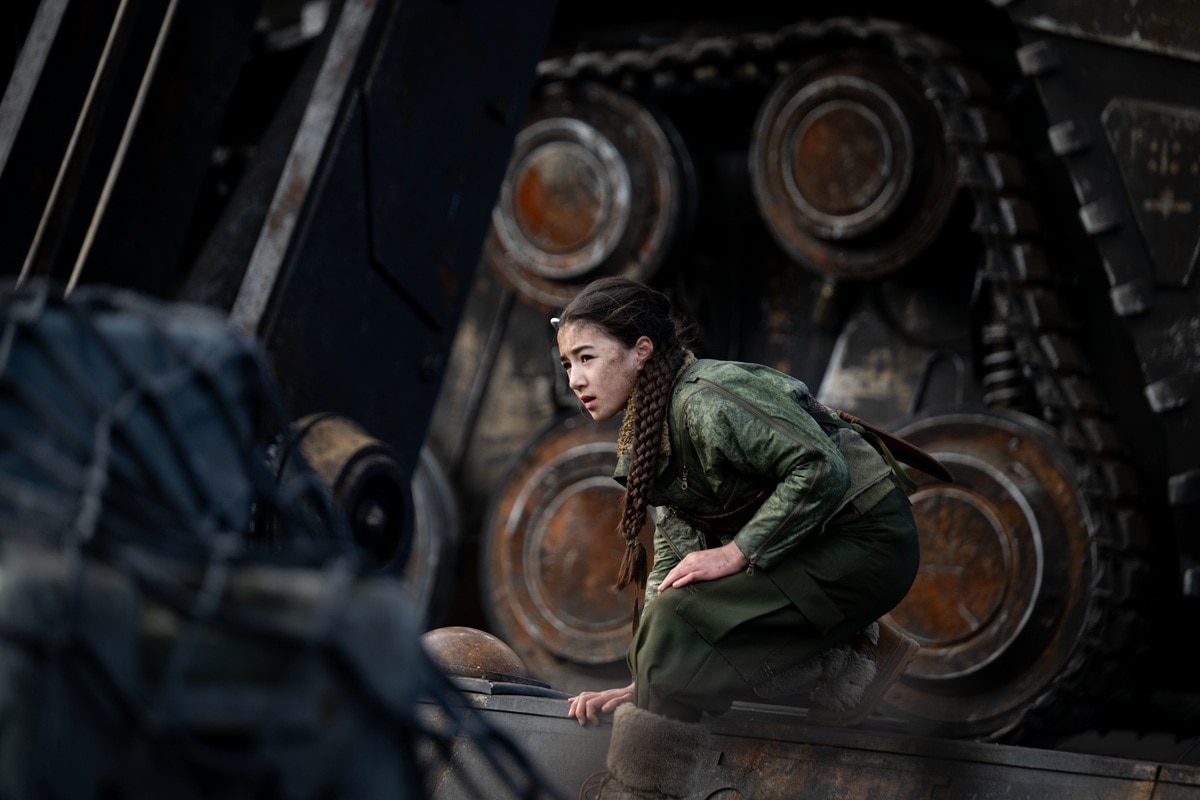
It starts with Kara’s feelings toward Ruthye. At the beginning of the movie, Supergirl largely sees her young companion as a nuisance, someone who has essentially stowed away on Kara’s quest to save Krypto. That changes over the course of the film as Supergirl gradually comes to respect and care about Ruthye. By the time we get to the fight with Krem, Kara genuinely doesn’t want Ruthye to make a mistake that would do more damage to her than has already been done
That’s because Kara knows something about how trauma can affect you. She understands how it has a tendency to become the defining factor in your life. Supergirl can’t change the fact that Ruthye’s parents were killed, but she can keep Ruthye from doing something that would make her grief and eventual recovery even harder—if not impossible—for her
But killingKrem? Superheroes aren’t supposed to kill. So, why is it okay for Supergirl to do it?
Well, first a few quick details. No one is saying that it’s okay, so that shouldn’t be your takeaway here. Also, let’s not forget that Krem was a cold-blooded murderer and disgusting human trafficker. He’s not the sort of person anyone should shed a tear for. And finally, we can’t overlook that Krem was almost certainly dead anyway. Lobo was watching all of this take place and had promised Ruthye that Krem would die. Had Kara walked away along with Ruthye, it’s pretty clear that the Main Man would have finished the job.
But yeah, let’s get back to the idea that superheroes don’t kill. I’d argue it’s never been that black and white, but we don’t even need to go down that path here. The whole notion is irrelevant because Supergirl, as she exists in the film, isn’t a superhero
She doesn’t see herself as one and the film never really makes the case that she is one. Superman may be a superhero, but Kara goes out of her way to illustrate the key difference between her and her cousin: “He sees the good in everyone, and I see the truth.”
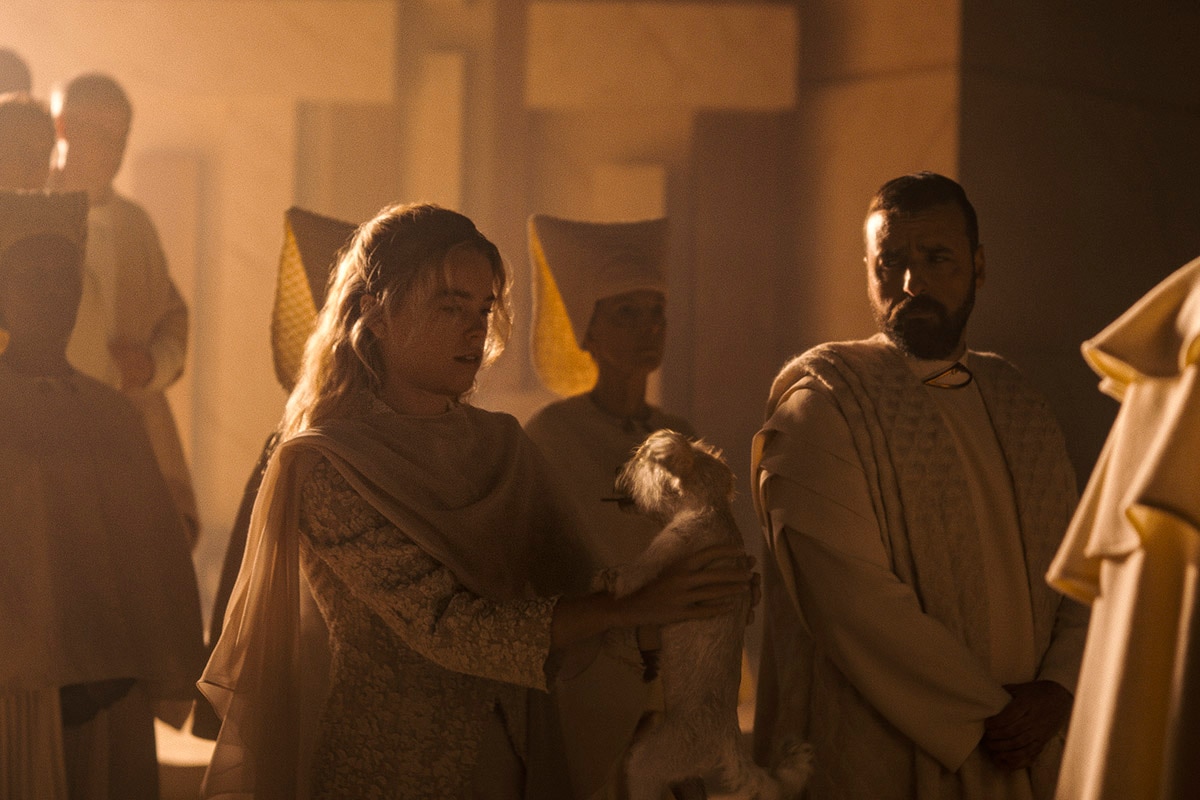
While Superman may view the crest, cape and bright colors as reassuring symbols of hope, to Kara they’re “just a suit.” While Clark may value life above all and believe that he has a calling to fight for truth, justice and a better tomorrow, the message Kara is given is simply to be good. Not even nice—just good. Yes, she wants to help, but it’s a much less idealistic approach to doing it
But while I think this all plays into her choice to kill Krem, it’s secondary to the bigger truth when it comes to Alcock’s Supergirl—she’s grieving, struggling and to a considerable extent, damaged. The entire film represents her first steps in accepting and understanding this, and hoping for a life that’s defined by more than it. But working through trauma is a long and messy process and Kara is nowhere near the other side of it at the end
On its own, this might not lead to Kara killing Krem, but it’s coupled with the fact that she cares about Ruthye. Kara doesn’t want her to have to deal with the trauma of having killed someone—so Kara takes on the trauma herself. She does it because while she sees the possibility of a hopeful future for Ruthye, she sees her own future as already compromised by all that she’s had to endure

In short, it’s an act of sacrifice, albeit a pretty dark one. It’s arguably a heroic act, but not the stuff of superheroes. Clark would almost certainly not approve. But Clark never had to endure all that Kara has endured. He doesn’t know her pain. I’m not sure if he ever really can
One thing that’s interesting to me is that—with the exception of Lobo, who likely doesn’t give much thought to the actions of others—no one knows what Kara has ultimately done for Ruthye. It’s possible Ruthye may discover it down the line, and Kara could always decide to tell Clark or someone else, but it’s just as likely that this will be something she keeps to herself. Ultimately, it will become yet another traumatic memory in a whole lifetime of them, which Supergirl alone carries.
Yes, that’s a sad thought, but there is a silver lining. With Kara finally deciding to let the past go, return to Earth and make it her new home, the hope is that life for her will be a little less hard going forward. And who knows? Perhaps she can find strength in her pain and continue using it to help others. After all, Clark has a friend who did something like that, and it seems to have worked out all right for him
Supergirl, directed by Craig Gillespie and starring Milly Alcock and Jason Momoa, is now in theaters. Get your tickets today!
Tim Beedle covers movies, TV and comics for DC.com, writes our monthly Superman column, “Super Here For…”, and is a regular contributor to the Couch Club, our recurring television column. Follow him on Instagram at @notabard and on Bluesky at @TimBeedle
NOTE: The views and opinions expressed in this feature are solely those of Tim Beedle and do not necessarily reflect those of DC or Warner Bros. Discovery, nor should they be read as confirmation or denial of future DC plans
MORE DC NEWS & FEATURES


